Source Devil Costume for Halloween, Cosplay, and Stage Shows
Explore 30 Devil Costume options for Halloween, cosplay parties, and stage performances. Compare prices, materials, and OEM services from verified suppliers to find the perfect fit for your event needs.
Key considerations
Products List
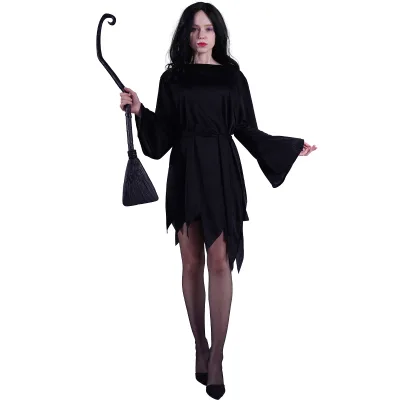
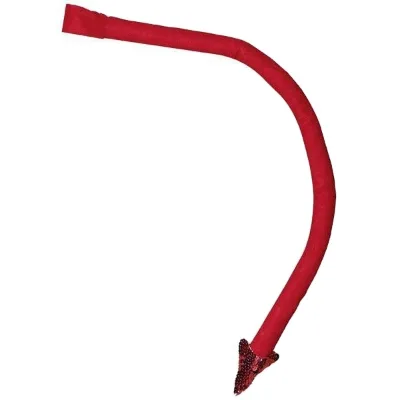
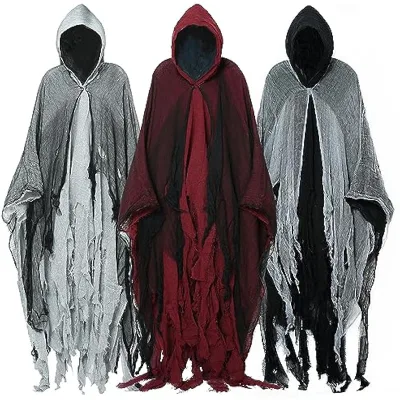

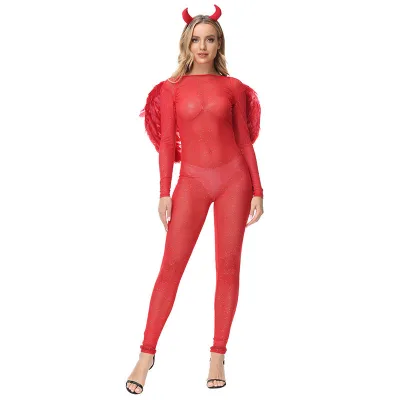
Hot Selling Halloween Party Masquerade Performance Props Devil Wings Costume
$1.88 - $2.11
MOQ: 473 Pieces

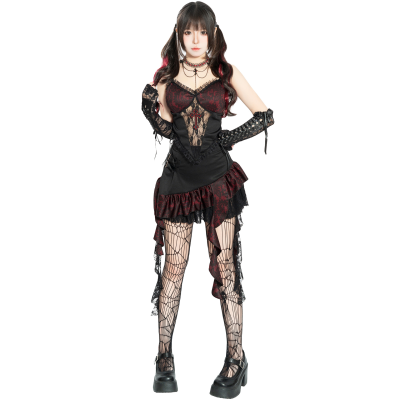
Hot-Selling Halloween Cosplay Women Death Hell Witch Devil Vampire Uniform Opera Costume
$5.23 - $6.15
MOQ: 170 Pieces


Hot Sale Classic Devil Monsters Cosplay Zombie Latex Masques Halloween Mask
$4.11 - $4.83
MOQ: 250 Pieces


Wholesale Halloween Bloody Bear Latex Masquerade Demon Costume Carnival Mask
$4.38 - $5.15
MOQ: 200 Pieces
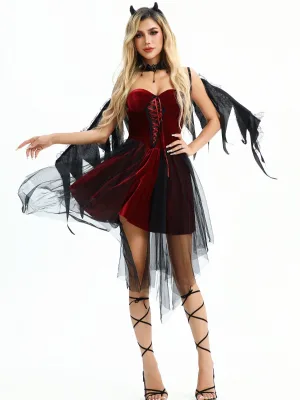
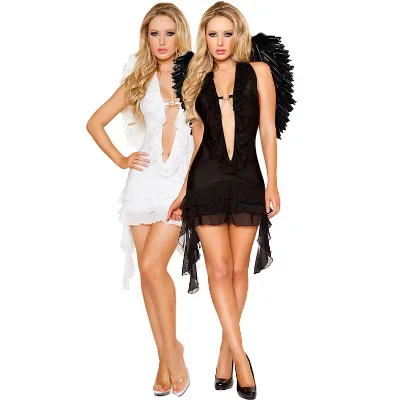
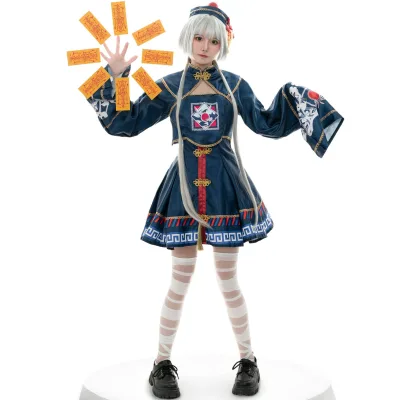
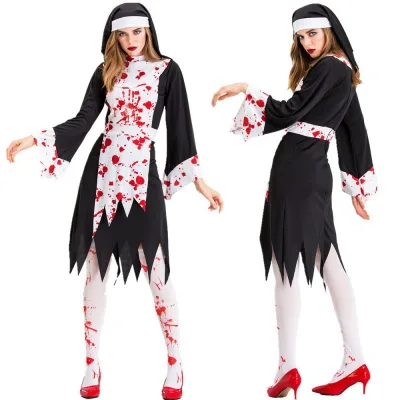
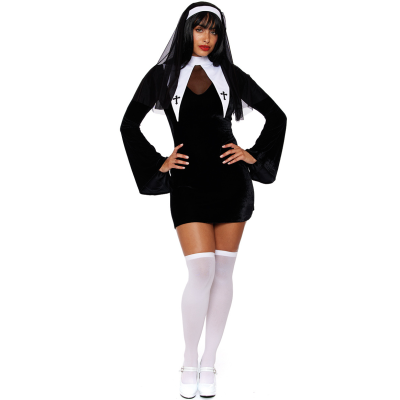


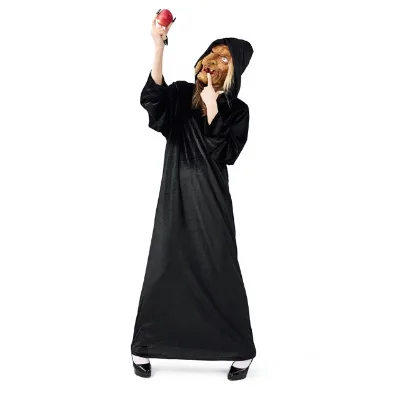
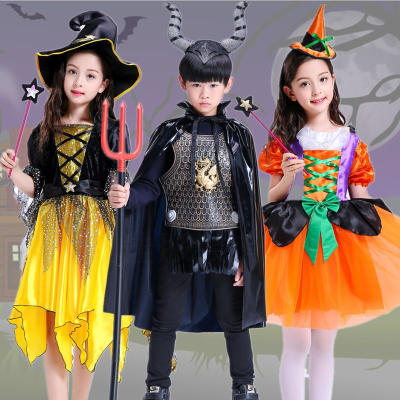

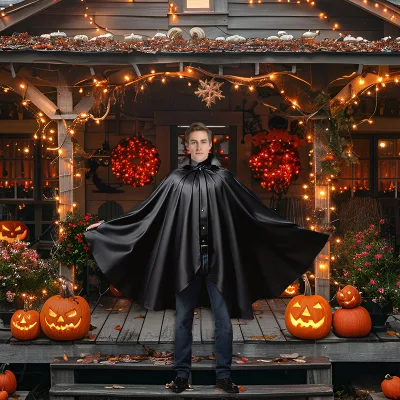

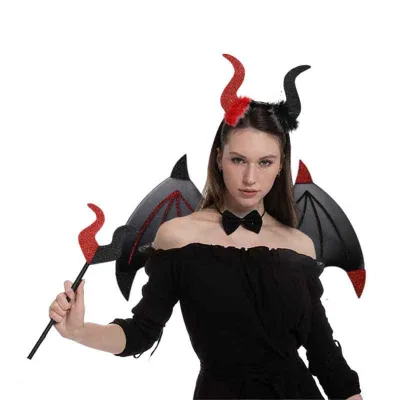
Comprehensive Sourcing Guide
Strategic Sourcing Guide for Devil Costumes in the B2B Market
Understanding Product Variations and Technical Specifications
When sourcing devil costumes for wholesale or custom projects, buyers must first navigate the significant variation in technical specifications that exist within this product category. The market does not offer a single uniform product but rather a spectrum of designs ranging from traditional horror aesthetics to modern stage performance wear. Based on observed product data, the core material composition for many items is predominantly polyester, often cited at 98% purity, which offers durability and ease of maintenance for bulk orders. However, material composition can vary, and buyers should verify the specific blend for each supplier to ensure the fabric meets their quality expectations regarding drape, breathability, and visual appeal.
The physical dimensions of the costumes are equally critical for logistics and sizing accuracy. Data indicates a wide range in single package sizes, from compact dimensions of 20x10x2 cm for smaller or simpler sets to larger profiles of 37x35x4 cm for more elaborate versions. Weight is another key logistical factor, with observed single gross weights ranging from 0.350 kg to 0.5 kg per unit. These variations directly impact shipping costs, particularly when calculating volumetric weight for air freight versus sea freight. Furthermore, sizing strategies differ; some listings specify "One Size" with a general height recommendation of 195 cm, while others may offer unisex options or specific gender-targeted cuts. Buyers must clarify whether the "One Size" designation is inclusive of all adult demographics or if specific sizing charts are required for their target market to avoid high return rates or customer dissatisfaction.
Compliance, Safety, and Certification Verification
For B2B buyers, particularly those targeting Western markets, compliance and safety standards are non-negotiable. While the product listings for devil costumes often highlight features like "Needle detection: Yes," this is a specific quality control measure rather than a universal standard. Buyers cannot assume that every supplier automatically adheres to strict needle detection protocols or other safety certifications without explicit verification. The presence of a needle detection service suggests a commitment to metal detection, which is crucial for preventing physical injury, but it does not automatically imply compliance with broader textile safety regulations such as flammability standards or chemical restrictions (e.g., REACH or CPSIA).
Buyers must explicitly request documentation regarding the chemical composition of the dyes and finishes used, especially given the "Horror" and "Sexy" style classifications which often involve complex printing techniques. The observed printing methods include digital printing, discharge printing, and glitter print. Each of these processes carries different compliance implications. For instance, glitter prints may involve micro-plastics or specific binding agents that require safety testing. Additionally, the "Obscene Picture: No" attribute is a helpful filter for general retail, but buyers should verify that the design does not violate local community standards or advertising regulations in their destination country. It is essential to treat all compliance claims as observations that require third-party verification rather than guaranteed attributes of the entire product line.
Cost Drivers and Pricing Structure Analysis
The pricing structure for devil costumes is influenced by a complex interplay of factors, including customization levels, order volume, and material quality. The observed price range in the market spans from $0.80 to $24.95 USD, a wide disparity that reflects the difference between basic stock items and high-end, custom-designed pieces. Several key drivers contribute to this variance. First, the "Factory directly" advantage mentioned in some listings suggests that buyers can access lower price points by bypassing intermediaries, but this often requires meeting higher Minimum Order Quantities (MOQ). The observed MOQ range is substantial, varying from as low as 1 piece for sample orders to as high as 1200 pieces for bulk production.
Customization is another primary cost driver. Suppliers offering "OEM Custom Service" or "OEM Service" typically charge a premium for design changes, pattern development, and the setup of new printing molds. The "7 days sample order lead time" and "1~5 days sample time" indicate that rapid prototyping is available, but the cost per unit for samples will be significantly higher than for mass production. Furthermore, the complexity of the design, such as the inclusion of hangers, PVC bags, and insert cards, adds to the packaging costs. The packaging details, such as "1 set/pvc bag+insert card+hanger" or bulk carton configurations of "50 sets/ctn," directly affect the unit cost. Buyers should analyze the total landed cost, including packaging and shipping, rather than focusing solely on the ex-factory price, as the latter can be misleading when comparing suppliers with different packaging standards.
Typical Applications and Market Segmentation
Devil costumes serve a diverse array of applications, extending beyond simple holiday wear into professional performance and corporate events. The product attributes clearly segment the market into distinct use cases. The "Occasion" field lists "Halloween Day" and "Cosplay Party," indicating a strong consumer market driven by seasonal demand. However, the "Performance Wear Type" is identified as "Stage Performance," and the "Product Type" is categorized as "Stage & Dancerwear." This dual categorization highlights that many devil costumes are engineered for professional dancers, theater productions, and stage shows where durability and movement are paramount.
The "Style" attributes further refine these applications, ranging from "Horror" and "American Style" to "Dresses" and "Sexy Costumes." This variety allows buyers to target specific niches. For example, a "Horror" style with a "Skeleton" theme might be ideal for haunted house attractions or professional theater, while "Sexy Costumes" with "Digital Printing" are better suited for nightclubs, adult parties, or fashion-forward cosplay events. The "Gender" specification, which includes both "Women" and "Unisex" options, further expands the potential market reach. Buyers should align their procurement strategy with their specific target audience; a buyer sourcing for a theatrical production company will prioritize different features, such as stage durability and specific sizing, compared to a buyer sourcing for a Halloween party supply retailer who prioritizes visual impact and cost efficiency.
Supplier Evaluation and Operational Capabilities
Evaluating suppliers for devil costumes requires a deep dive into their operational capabilities and service models. The "Supply Type" is listed as both "Oem Service" and "In-Stock Items," indicating that suppliers operate on a hybrid model. This flexibility is advantageous for buyers who need immediate stock for seasonal rushes but also require custom development for unique collections. The "Place of Origin" is consistently identified as "Zhejiang, China," a region known for its robust textile manufacturing infrastructure. However, buyers should not assume uniform quality across all suppliers in this region.
Key operational metrics to evaluate include lead times and payment terms. The "Delivery time" varies significantly, with options ranging from "In stock 3-7 working days" for ready-made items to "oem 7-15 working days" for custom orders. Some listings also mention a general delivery window of "5-20 days," which suggests variability based on order complexity and current production load. Payment terms are another critical factor, with observed methods including "T/T," "Paypal," "L/C," "Western Union," and "Trade Assurance." Buyers should prefer suppliers who offer secure payment gateways like Trade Assurance to mitigate financial risk. Additionally, the availability of "Sample" orders is a strong indicator of a supplier's willingness to engage in a trial relationship. The "7 days sample order lead time" is a competitive advantage, allowing buyers to validate quality before committing to large volumes.
Quality Control and Long-Term Procurement Strategy
Implementing a robust quality control (QC) strategy is essential for maintaining brand integrity when sourcing devil costumes. The "Needle detection: Yes" attribute is a specific QC measure that buyers should verify through on-site audits or third-party inspection reports. Beyond metal detection, buyers must establish clear criteria for fabric quality, stitching integrity, and colorfastness. The "Printing Methods" observed, such as "Glitter Print," require specific attention to ensure the embellishments do not flake off during wear or shipping. A "Single gross weight" variance of 0.05 kg between different listings (0.350 kg vs 0.400 kg) suggests potential inconsistencies in material density or packaging, which underscores the need for strict weight and dimension checks during the QC process.
For long-term procurement, building a relationship with suppliers who offer "OEM Custom Service" is often more sustainable than relying solely on in-stock items. This approach allows buyers to differentiate their product line and protect against market saturation. The "Factory directly" advantage implies a potential for better margins and more direct communication regarding production issues. However, buyers must manage the lead times carefully, especially during peak seasons like Halloween. The "Delivery time" of 5-20 days for standard orders and 7-15 days for OEM suggests that planning must begin months in advance. Finally, buyers should consider the "Shipping method" options, which include "By SEA/AIR/Train/UPS/DHL/Fedex," and select the most cost-effective and reliable method based on their inventory turnover rates and urgency. By combining rigorous quality checks with strategic supplier partnerships, buyers can secure a reliable supply chain for devil costumes that meets both quality and commercial objectives.
FAQs
What are the material and size specifications for devil costumes?
Most devil costumes are made of 98% polyester and come in a one-size fit for adults up to 195 cm. Some variations exist, so verify the specific blend and dimensions before ordering to ensure the fabric meets your quality expectations for durability and drape.
Can I order samples with a short lead time for devil costumes?
Yes, suppliers support sample orders with a lead time of 1 to 7 days depending on the customization level. This allows you to validate quality and design before committing to bulk production, though sample unit costs will be higher than mass production rates.
Which payment terms are accepted for Devil Costume purchases?
Accepted payment methods include T/T, PayPal, L/C, Western Union, and Trade Assurance. Buyers should prefer secure gateways like Trade Assurance to mitigate financial risk while ensuring flexibility for both small sample orders and large bulk transactions.
How does the MOQ vary for Devil Costume bulk orders?
Minimum Order Quantities range from 2 pieces for small batches up to 1200 pieces for large production runs. Lower MOQs often apply to in-stock items, while factory-direct custom services typically require higher volumes to justify setup and production costs.
What delivery times should I expect for stock versus custom orders?
In-stock items can be delivered within 3 to 7 working days, while OEM custom orders typically require 7 to 15 working days. General delivery windows may extend to 5-20 days depending on order complexity and current production load at the factory.
Are devil costumes suitable for stage performance and cosplay events?
Yes, these costumes are designed for occasions like Halloween, cosplay parties, and stage performances. They feature styles ranging from horror to sexy costumes, ensuring they meet the durability and aesthetic needs of both theatrical productions and seasonal retail markets.
What safety and quality controls are applied to devil costumes?
Some listings indicate needle detection services are available to ensure physical safety, but this is not a universal standard. Buyers must explicitly request documentation for chemical safety and verify printing methods like glitter or digital prints to ensure compliance with destination regulations.