Source Roman Carved Half Face Mask for Cosplay, Parties, and Events
Explore 30 listings for the Roman Carved Half Face Mask suitable for cosplay, parties, and events. Buyers can compare plastic materials, custom logo options, and packaging details from suppliers in Shandong, China.
Key considerations
Products List
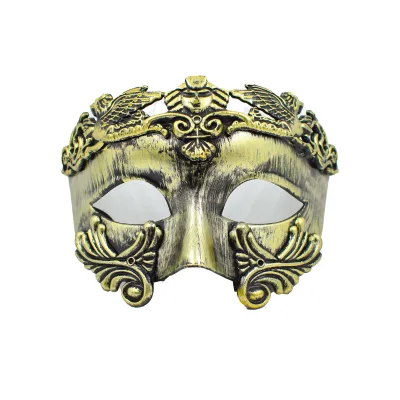
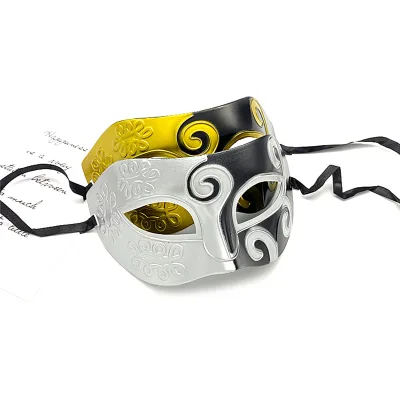
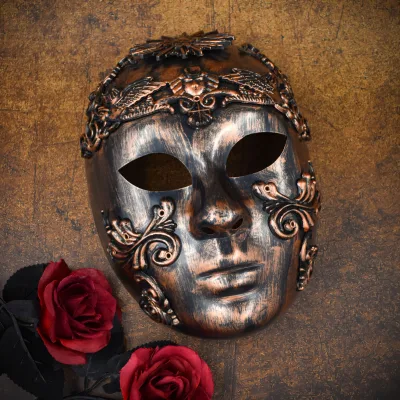

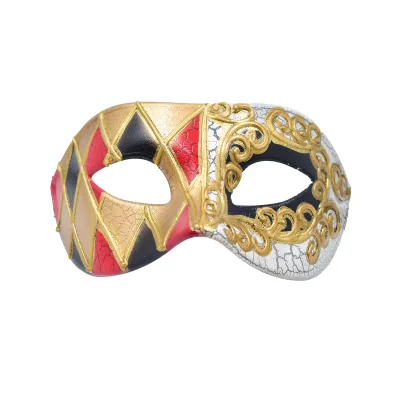
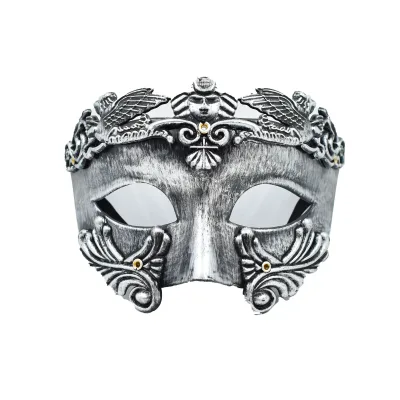
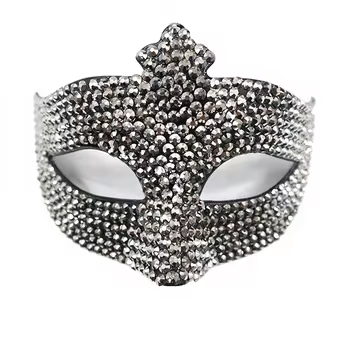

$0.03 - $0.12
MOQ: 100000 Pieces

$0.03 - $0.12
MOQ: 100000 Pieces


Comprehensive Sourcing Guide
Strategic Sourcing Guide for Roman Carved Half Face Masks
Understanding Product Specifications and Variations
When sourcing Roman carved half face masks, buyers must first navigate the specific technical attributes that define this product category. The core keyword implies a decorative item often used for thematic events, yet the actual market data reveals a diverse range of specifications that vary significantly by model. The primary material identified in the supply chain is plastic, which offers durability and cost-effectiveness compared to traditional resin or metal alternatives. Despite the "carved" aesthetic, the manufacturing process often utilizes injection molding or casting techniques to achieve the desired relief patterns, with a specific observation noting the material type as "Plastic" even when the visual style mimics metal or stone.
The dimensions of these masks are not uniform across the market. Buyers will encounter multiple size profiles, including a standard 1712 cm variant and a slightly smaller 179 cm option. There is also a 189 cm size available, indicating that the "half face" designation can cover different facial proportions depending on the specific design intent. Packaging dimensions further complicate the logistics picture, with single package sizes ranging from 22.115.65 cm to 23.413*10.3 cm. This variance in packaging volume directly impacts shipping costs and storage efficiency.
Weight is another critical specification that fluctuates based on the model and density of the plastic used. Observed weights range from a lightweight 21g version to a heavier 50g or even 92g variant. The single gross weight for shipping purposes is recorded at 0.45 kg for certain models, while others are as light as 0.069 kg. This disparity suggests that some products include heavier structural elements or thicker plastic walls, which may influence the perceived quality or the "carved" depth of the design.
The color palette is generally limited to metallic finishes, with Gold and Silver being the most prevalent options. Some listings specify multiple variations such as Silver1, Gold1, or specific color codes like Black17*12cm/50g, indicating that the color is often a finish applied to the plastic base rather than a bulk dye. The pattern is predominantly plain or designed to match specific pictures, with the "Roman carved" style appearing as a specific design feature rather than a universal standard. The cover area is consistently described as "Half Face," though some specific models are noted to cover only the "Eyes," which requires careful verification during the selection process to ensure the product matches the intended use case.
Technical Attributes and Customization Capabilities
The customization landscape for Roman carved half face masks is robust, driven by the flexibility of plastic manufacturing. The brand name is frequently listed as "OEM," signaling that most suppliers operate as original equipment manufacturers capable of producing white-label goods. This is a crucial detail for buyers seeking to brand these items for their own events or retail lines. The logo customization is explicitly marked as "Available," allowing for personalization that can range from simple printed logos to molded-in brand identifiers.
Printing methods vary significantly between suppliers. While some products are listed with a "1 Color" print method, others indicate "colored painting" as the primary decoration technique. A notable variation in the data shows a "Ask me" status for the print method, suggesting that the level of customization is negotiable and dependent on the specific order volume and design complexity. The pattern is generally described as "Plain" or "As picture," meaning that the intricate Roman carving details are likely pre-molded into the plastic rather than applied via surface printing. However, additional colored painting may be used to highlight specific carved elements or to add contrast to the metallic base colors.
The "Feature" attribute highlights "Fashionable" and "Eco-Friendly" as key selling points. The eco-friendly claim is particularly interesting given the plastic material, suggesting that some manufacturers may use recycled plastics or biodegradable additives, though this requires specific verification from the supplier. The "Style" is described as "Exquisite," which aligns with the expectation of high-relief carving details typical of Roman aesthetics. The "Metal Type" is listed as "Plastic," which clarifies that while the visual effect is metallic, the underlying substance is synthetic.
Customization extends to the packaging as well. The standard package is a "Paper Box," which is suitable for retail display and protection. The selling unit is typically a "Single item," making these products accessible for small-batch orders or individual event purchases. The "Magnetic" attribute is consistently listed as "No," indicating that these masks rely on elastic straps or physical adhesion rather than magnetic attachment for securing them to the face. This is a standard design choice for party masks to ensure a secure fit during movement.
Cost Drivers and Pricing Dynamics
The pricing structure for Roman carved half face masks is influenced by several factors, primarily material cost, customization level, and order volume. The observed price range in the market spans from $0.01 to $30 USD, a wide spectrum that reflects the difference between basic bulk items and premium, highly customized versions. The lower end of the price range likely corresponds to the simplest models with minimal packaging and no logo customization, while the higher end may include complex designs, multiple color options, or specialized eco-friendly materials.
Minimum Order Quantity (MOQ) is a significant cost driver. The observed MOQ range is vast, extending from 1 piece to 100,000 pieces. However, a high-confidence fact indicates a standard MOQ of 100 pieces for many suppliers. This suggests that while small sample orders are possible, the most cost-effective unit price is achieved at the 100-piece threshold or higher. Buyers ordering below this threshold may face higher per-unit costs or may need to pay a setup fee for mold creation if custom designs are required.
The weight of the product also influences the final cost, particularly in international shipping. Heavier models, such as those weighing 92g, will incur higher freight charges compared to the 21g variants. The single gross weight of 0.45 kg for certain models further impacts the volumetric weight calculations used by logistics providers. Buyers should consider the trade-off between the perceived quality of a heavier mask and the increased shipping costs associated with it.
Color complexity is another variable. While Gold and Silver are standard, specific color requests like "Black17*12cm" or "Green" may require additional setup or specialized paint mixes, potentially increasing the unit cost. The "Ask me" designation for print methods implies that complex multi-color printing or specific painting techniques could be priced on a case-by-case basis, adding a layer of negotiation to the final quote.
Compliance, Certification, and Safety Verification
When sourcing plastic party masks, compliance with safety standards is paramount, especially given the "Applicable Age Group: All" designation. The product is intended for general use, which includes children, necessitating strict adherence to safety regulations regarding materials and physical hazards. While the supplied data lists standards such as EN140, EN 14683, and ASTM F2100, these are noted as low-confidence background information. Buyers must not assume that every listed product automatically meets these standards without explicit verification from the supplier.
The EN140 and EN 14683 standards are typically associated with respiratory protection and surgical masks, respectively. Since the product is a "Party Mask" with a "Cover Area" of "Half Face" or "Eyes," it is likely not intended for medical or respiratory protection. However, if the mask is marketed for any health-related use, compliance with these standards becomes mandatory. The ASTM F2100 standard relates to barrier performance for medical devices, which is generally irrelevant for decorative party masks unless they are dual-purpose.
Buyers should verify the specific certification status of the plastic material used. The "Eco-Friendly" feature suggests that some manufacturers may hold certifications related to environmental safety, such as RoHS or REACH compliance, which restrict hazardous substances. The "CE" certification is mentioned in the background data, but its applicability to a decorative plastic mask depends on the specific claims made by the supplier. If the mask is sold in the European Union, it must comply with general product safety directives, and the CE mark may be required if the product falls under specific categories of toys or personal protective equipment.
Safety checks should focus on the physical integrity of the mask. The "Magnetic: No" attribute simplifies safety concerns regarding magnetic components, but buyers must ensure that the edges of the mask are smooth and free of sharp plastic burrs that could cause injury. The "Weight" and "Size" specifications should be reviewed to ensure the mask is not too heavy for children to wear for extended periods. Additionally, the "Print method" and "Colored painting" processes must use non-toxic inks and paints that do not flake off, especially since the mask is worn close to the face and eyes.
Supplier Evaluation and Sourcing Strategy
Evaluating suppliers for Roman carved half face masks requires a focus on their manufacturing capabilities and flexibility. The "OEM" brand name indicates that most suppliers are manufacturers rather than trading companies, which can offer better pricing and direct control over the production process. The "Place of Origin: Shandong, China" provides a geographic anchor, suggesting a concentration of plastic manufacturing facilities in this region. Buyers should verify the specific factory location within Shandong to assess logistics capabilities and potential supply chain disruptions.
The "Advantage" of "fast delivery" is a common selling point, but it should be treated as a variable claim rather than a guaranteed standard. Lead times can vary based on the complexity of the customization, the current order volume, and the specific model number (e.g., JYSP-9, QL-7, JYSP-21). Buyers should request a confirmed lead time for their specific order before committing to a purchase. The "Customization: Available" attribute is a strong indicator of a supplier's flexibility, but it requires clear communication regarding design files, color codes, and packaging requirements.
Supplier reliability can be assessed by their ability to provide detailed product specifications. The presence of multiple model numbers and varying dimensions suggests a mature product line. Buyers should request samples to verify the "Style: Exquisite" and "Feature: Fashionable" claims. The "Pattern: As picture" attribute implies that the visual design is critical, and buyers must ensure that the sample matches the provided images exactly. The "Single gross weight" and "Single package size" data should be used to validate the supplier's shipping quotes and ensure there are no hidden costs.
When evaluating suppliers, buyers should also consider their responsiveness to the "Ask me" queries regarding print methods and customization. A supplier that provides clear, detailed answers to these questions is likely to be more professional and reliable. The "Selling Units: Single item" suggests that the supplier is willing to accommodate small orders, which is beneficial for initial testing or small events. However, for larger orders, buyers should negotiate based on the high-confidence MOQ of 100 pieces to secure better pricing.
Quality Control and Long-Term Procurement Considerations
Implementing a robust quality control (QC) process is essential for ensuring the consistency of Roman carved half face masks. Given the "Plastic" material and "Colored painting" finish, QC should focus on dimensional accuracy, color consistency, and surface finish. Buyers should establish clear acceptance criteria for the "Size" and "Weight" variations, ensuring that the products fall within the specified tolerances. The "Single package size" and "Single gross weight" should be verified to ensure that the packaging is sufficient to protect the masks during transit without being excessive.
Visual inspection is critical for the "Pattern" and "Style" attributes. The "Roman carved" design must be sharp and well-defined, with no visible mold lines or imperfections. The "Color" consistency is particularly important, as the difference between "Gold" and "Silver" must be distinct and free from discoloration or fading. The "Eco-Friendly" claim should be backed by material safety data sheets (MSDS) or third-party test reports to ensure the plastic is safe for contact with skin.
For long-term procurement, buyers should consider the scalability of the supplier. The ability to handle orders ranging from 1 to 100,000 pieces indicates a flexible production capacity. However, buyers should establish a long-term relationship with a single supplier or a small group of suppliers to ensure consistency in quality and design. The "Model number" variations (e.g., JYSP-9, QL-7) suggest that the supplier has a diverse product line, which can be leveraged for future orders if the buyer wishes to expand their product range.
The "Theme: Party" and "Applicable Age Group: All" attributes suggest that these masks are suitable for a wide range of events, from Halloween to corporate parties. Buyers should monitor market trends to anticipate changes in demand and adjust their inventory accordingly. The "Advantage: fast delivery" should be a key performance indicator (KPI) for the supplier, ensuring that orders are fulfilled promptly to meet event deadlines. Finally, buyers should maintain open communication with the supplier regarding any changes in regulations or safety standards to ensure continued compliance and market access.
Comparative Analysis of Key Product Models
To facilitate informed decision-making, the following table compares the key specifications of the most commonly observed models in the market. This comparison highlights the variations in size, weight, and packaging that buyers must consider when selecting the right product for their needs.
| Model Number | Size (cm) | Weight (g) | Single Package Size (cm) | Color Options | Cover Area | Key Feature |
|---|---|---|---|---|---|---|
| JYSP-9 | 17*12 | 50 | 22.115.65 | Gold, Silver | Half Face | Fashionable |
| QL-7 | 17*9 | 21 | 22.111.74 | Silver, Gold, Silver1, Gold1 | Half Face | Eco-Friendly |
| JYSP-21 | 18*9 | 36 | 23.41310.3 | Gold | Half Face | Exquisite |
| JYSP-09 | 17*12 | 50 (varies) | 22.11.315.6 | Silver, Gold | Eyes | Customized |
This table illustrates that while the "Half Face" design is consistent, the dimensions and weight vary significantly. The QL-7 model is the lightest at 21g, making it ideal for extended wear, while the JYSP-9 and JYSP-21 models are heavier, potentially offering a more substantial feel. The packaging dimensions also vary, with the JYSP-21 having the largest footprint, which could impact shipping costs. Buyers should select the model that best balances the desired aesthetic, comfort, and logistical requirements for their specific application.
FAQs
What material is used for roman carved half face masks?
The masks are made of plastic, often described as having a metal type appearance. This material choice ensures durability and cost-effectiveness while allowing for intricate carved designs suitable for party themes.
Which customization options are available for these masks?
Customization is available for logos and colors, with options including Gold and Silver finishes. Buyers can request specific patterns or colored painting, though print methods may vary by supplier and require direct inquiry.
How does the minimum order quantity affect pricing?
The standard minimum order quantity is 100 pieces, though some suppliers accept orders as low as one unit. Ordering at the 100-piece threshold typically yields the most cost-effective unit price compared to smaller batches.
Can these masks be used by children?
Yes, the applicable age group is listed as all ages, making them suitable for children. However, buyers should verify that the plastic edges are smooth and the weight is appropriate for safe wear by younger users.
What are the standard dimensions for these masks?
Common sizes include 17 by 12 cm and 17 by 9 cm, with some variations reaching 18 by 9 cm. Packaging dimensions also vary, ranging from approximately 22 by 15 cm to 23 by 13 cm depending on the model.
Where are these masks typically manufactured?
The place of origin is Shandong, China, where many plastic manufacturing facilities are concentrated. Buyers should verify specific factory locations within this region to assess logistics capabilities and potential supply chain reliability.
What is the weight range for these party masks?
Individual mask weights range from 21 grams to 92 grams depending on the model and design density. Shipping gross weights are recorded at 0.069 kg for lighter items and up to 0.45 kg for heavier variants.