Source Roof Polyurethane Insulation for cold storage, walls, and roofs
Find 30 verified suppliers offering Roof Polyurethane Insulation with thermal and waterproof properties. Compare specifications like density, flammability grades, and working temperature ranges for construction and engineering projects. Explore options for cold storage, exterior walls, and pipeline insulation with various bonding functions and core densities suitable for diverse industrial applications.
Updated
Key considerations
Products List


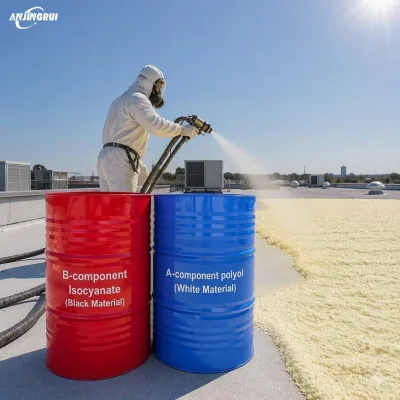
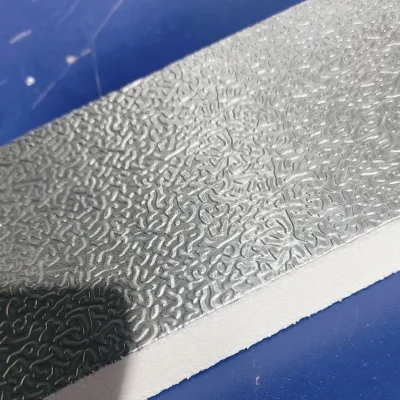
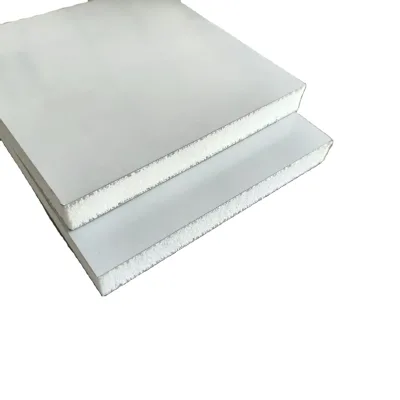
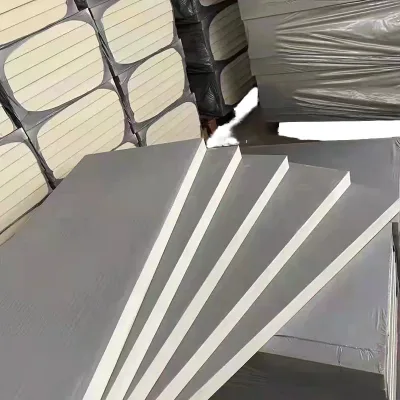
PU Foam Insulation Panel for Air Duct, Exterior Wall & Roof Insulation
$4.554 - $6.0919
MOQ: 100 square


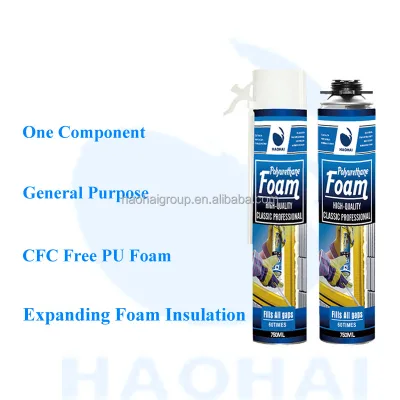
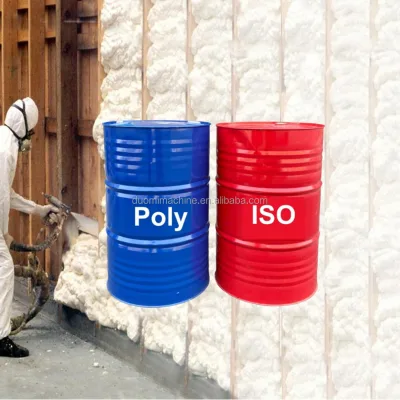
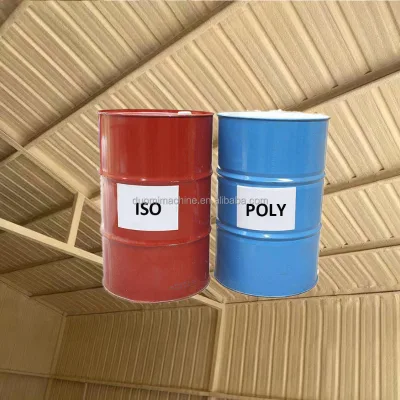
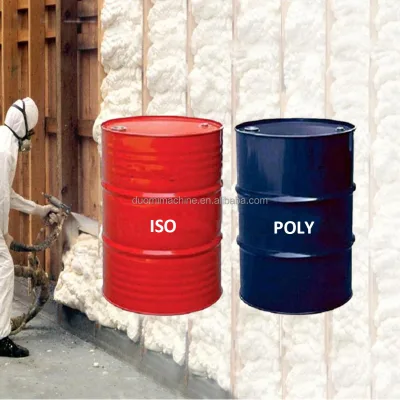
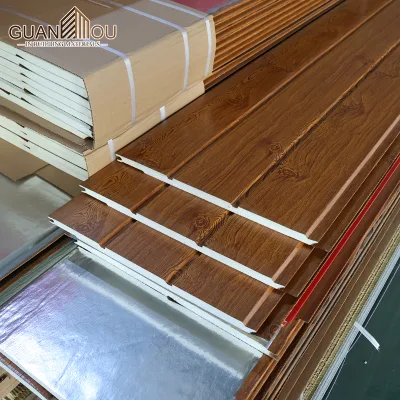
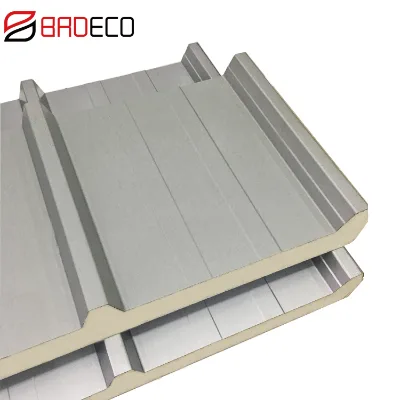
Thermal Insulation PU Polyurethane Foam PUR PUF Insulated Sandwich Roof SIP Panels
$5.1446 - $27.7795
MOQ: 500 Minimum

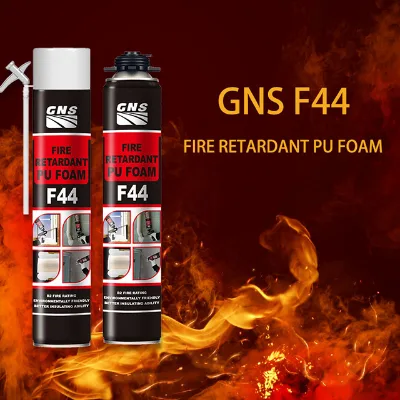
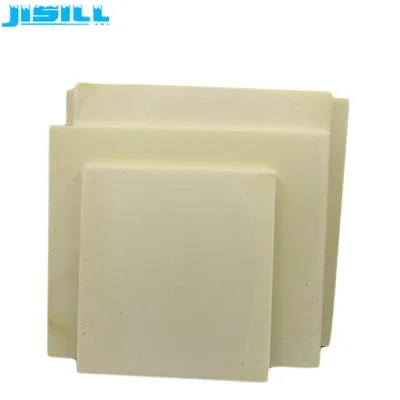

$1.50 - $1.80
MOQ: 1200 Pieces


Comprehensive Sourcing Guide
Roof Polyurethane Insulation Sourcing Guide
Procurement professionals evaluating Roof Polyurethane Insulation must first distinguish between rigid foam boards and spray-applied systems, as the supplied data indicates distinct product models like JLL-3302 and JLL-3303 alongside spray equipment applications. The observed listings reveal a material composition of organic polyurethane foam with varying core densities, where some units specify a minimum density of 35kg/M3 while others emphasize high open-cell content for specific engineering plastic uses. Buyers should verify whether the specific roof application requires a structural adhesive bonding function or a high-temperature resistant adhesive, as the product attributes suggest these are distinct functional categories within the same material family.
Commercial listings for these insulation materials show a wide price variance from 0.92 to 3000 USD, driven by differences in packaging formats such as drums, iron drums, or set configurations of 250KG+250KG. The minimum order quantities observed range significantly from 1 unit up to 4800 units, requiring buyers to align their project scale with supplier capacity before initiating negotiations. Since the origin is consistently listed as China, specifically Jiangxi, logistics planning must account for international shipping variables that could impact the final landed cost of thermal insulation materials for construction projects.
Product Scope and Observed Listing Signals
The product scope for Roof Polyurethane Insulation encompasses rigid boards and spray-applied foams designed for thermal insulation, waterproofing, and sound insulation in diverse environments including cold storage, workshops, and building exteriors. Specific models like SDP1222 and NPU highlight applications for roofs, exterior walls, and pipeline insulation, while other listings focus on engineering plastics with thermosetting properties after heating. Buyers must carefully map these product attributes to their specific project needs, noting that some items are explicitly marked for construction use while others target specialized engineering applications with different performance requirements.
Listing signals indicate that customization is available for many of these polyurethane products, allowing for tailored solutions regarding shape, color, and specific performance metrics like flammability grades. The observed data shows that some products are available in yellow or standard foam shapes, with working temperature ranges extending from -40℃ to +110℃, which is critical for roof systems exposed to extreme weather. Procurement teams should scrutinize the "Utilize" and "Main Application Fields" attributes to ensure the selected product matches the intended structural and environmental demands of the roof assembly.
Technical Specifications to Verify
Technical verification for roof insulation must prioritize the compression strength and water absorption rates, as the supplied facts list ranges of 150-200kpa for compression and water absorption values below 3% or 4% depending on the specific model. These mechanical properties are essential for ensuring the roof structure can support the insulation load without degradation over time, particularly in areas prone to heavy snow or foot traffic during maintenance. Buyers should request test reports confirming that the core density meets or exceeds the 35kg/M3 threshold to guarantee the necessary structural integrity for long-term performance.
Flammability and thermal performance are equally critical verification points, with some products offering optional B1, B2, or B3 flame retardant grades and others explicitly stating a flame-retardant classification. The percentage of close area, observed at 88% or higher in certain listings, directly impacts the material's ability to resist moisture ingress and maintain thermal efficiency. Procurement specialists must confirm that the bonding base compatibility includes concrete, metal, wood, and brick, as these are the standard substrates for roof installations, ensuring the adhesive functions correctly across the entire building envelope.
Compliance and Safety Documentation
Safety documentation for polyurethane roof insulation must address the specific flammability grades and the chemical composition of the organic material used in the foam boards. While the supplied context mentions optional B1, B2, or B3 grades, buyers cannot assume a specific certification status without requesting valid test certificates from the supplier for the exact batch being purchased. It is vital to verify that the product meets local building codes regarding fire safety, as the "Flame Retardant" attribute alone does not guarantee compliance with regional regulatory standards without supporting documentation.
Quality assurance documentation should also cover the working temperature range and the material's behavior under thermal stress, particularly for roofs exposed to high heat. The data indicates a working temperature range of -40℃ to +110℃, but buyers must ensure this range is validated through independent testing for the specific product model. Additionally, since the product is an organic material, safety data sheets (SDS) are necessary to understand handling requirements and potential health risks during the installation phase, especially when using high-pressure spray equipment for application.
Cost Drivers and Commercial Terms
Cost drivers for Roof Polyurethane Insulation are heavily influenced by the packaging format and the total weight per unit, with standard drums holding 200 to 230 kilograms and iron drums specified at 200kg. The observed price range of 0.92 to 3000 USD suggests that unit costs vary significantly based on the product model, such as JLL-3302 versus JLL-3303, and the specific performance attributes like high-pressure spray capability or specialized engineering plastic properties. Buyers should analyze the cost per kilogram rather than the unit price to accurately compare different packaging options and ensure they are paying for the actual volume of insulation material.
Commercial terms must clearly define the minimum order quantity, which ranges from 1 to 4800 units, and the warranty provisions, which are listed as one year for some products. The availability of online technical support and total project solution capabilities can add value to the procurement process, potentially reducing installation errors and long-term maintenance costs. Procurement teams should negotiate delivery terms that account for the heavy weight of the drums and the specific origin location in Jiangxi, China, to avoid unexpected logistics expenses that could erode the initial price advantage.
Supplier Qualification and Quality Control
Supplier qualification for polyurethane insulation requires verifying the brand name, such as Anjingrui, and confirming the availability of after-sale services like online technical support to assist with complex roof installations. The presence of a project solution capability indicates that the supplier may offer more than just the product, potentially providing guidance on application methods using high-pressure spray equipment. Buyers should assess the supplier's ability to provide consistent quality across different batches, especially given the variation in product models and the critical nature of thermal insulation performance in construction projects.
Quality control protocols must include checks on the purity of the main raw material, which is listed as 100% polyurethane, and the consistency of the foam format. Since the product origin is China, buyers should implement rigorous incoming inspection procedures to verify that the delivered goods match the specified core density, compression strength, and water absorption rates. It is also essential to confirm that the bonding function, whether structural or high-temperature resistant, performs as advertised on the intended substrates like concrete, metal, or brick walls.
Long-Term Procurement Checks
Long-term procurement checks should focus on the durability of the insulation material under varying environmental conditions, specifically monitoring the water absorption rates and the integrity of the flame retardant properties over time. The observed water absorption of less than 3% or 4% is a key metric for longevity, as excessive moisture uptake can compromise the thermal efficiency and structural stability of the roof system. Buyers should establish a schedule for periodic inspections to ensure that the insulation continues to meet the specified performance standards throughout the warranty period and beyond.
Sustainability and maintenance requirements are also critical for long-term value, particularly regarding the thermosetting plastic properties and the ability of the material to withstand repeated heating cycles. The design style and application method, such as high-pressure spray equipment, may influence the ease of future repairs or replacements, so procurement teams should consider the lifecycle costs of the installation. Establishing a relationship with a supplier that offers comprehensive after-sale support and technical guidance will help mitigate risks associated with long-term performance and ensure the roof insulation system remains effective for years.
FAQs
What is the core density of Roof Polyurethane Insulation?
The core density is typically greater than or equal to 35kg/M3. This specification ensures structural integrity and thermal performance for construction applications. Higher density variants may be available for specialized engineering plastics or heavy-duty insulation needs.
Can Roof Polyurethane Insulation withstand high temperatures?
Yes, the material is high temperature resistant and functions within a working temperature range of -40℃ to +110℃. This makes it suitable for exterior walls and roofs exposed to varying climatic conditions without compromising its adhesive or insulating properties.
What is the water absorption rate of this foam?
Water absorption is generally less than 4%, with some variants achieving less than 3%. This low absorption rate ensures effective waterproofing and maintains thermal insulation efficiency even in humid environments or direct exposure to moisture during construction projects.
Which flame retardant grades are available for this product?
Optional B1, B2, or B3 flame retardant grades are available. These classifications allow buyers to select the appropriate safety level for specific building codes. The material is also described as flame retardant, ensuring compliance with standard construction safety requirements.
How is the polyurethane foam applied to roofs?
It is applied using high-pressure spray equipment construction methods. This technique allows for seamless coverage on walls and roofs, providing thermal insulation, waterproofing, and sound insulation. The process supports total project solutions for efficient installation on various building surfaces.
What packaging options are used for polyurethane insulation drums?
Products are packed in drums, including iron drums, with standards of 200kg, 220kg, or 230kg per drum. Some sets include 250kg+250kg configurations. This standardized packaging facilitates logistics and handling for bulk industrial and construction material procurement.