Source Room Darkening Motorized Roller Shades for living rooms, offices, and bedrooms
Compare 30 listings of Room Darkening Motorized Roller Shades featuring polyester fabrics, custom sizes, and manual or electric operation. Buyers can evaluate blackout and room darkening options for living rooms, offices, and bedrooms with side or ceiling installation.
Key considerations
Products List

Motorized Automatic Window Shades Remote Control Indoor Living Room Blackout Roller Blinds
$7.99 - $12.99
MOQ: 2 Square Meters

Horizontal Curtains WiFi Control Motorized Sunscreen Fabric Windows Roller Blinds
$7.99 - $12.99
MOQ: 2 Square Meters

OEM ODM Cordless Motorized Automatic Polyester Blackout Waterproof Roller Blinds
$12.00 - $18.00
MOQ: 1 Square Meters

Motorized Roller Shade for Windows Remote Roller Blinds
$10.99 - $13.99
MOQ: 1 Square Meters
Shouguang Runchen Environmental Protection Technology Co., Ltd.

Roller Blinds Square Top Cover Roller Shades
$11.99 - $13.99
MOQ: 1 Square Meters
Shouguang Runchen Environmental Protection Technology Co., Ltd.


Sunscreen Roller Blinds Windows Motorized Roller Blind
$1.99 - $2.99
MOQ: 1 Square Meters
Shouguang Runchen Environmental Protection Technology Co., Ltd.

Sunscreen Smart Motorized Roller Shades Electric
$10.99 - $13.99
MOQ: 1 Square Meters
Shouguang Runchen Environmental Protection Technology Co., Ltd.


Cordless Zebra Blinds Motorized Control Roller Shades Light Filtering Sheer Window Shades
$13.00 - $19.85
MOQ: 100 Square Meters

Customized Triangle Shapes Irregular Motorized Waterproof Honeycomb Blinds Shade
$16.00 - $19.00
MOQ: 100 Square Meters
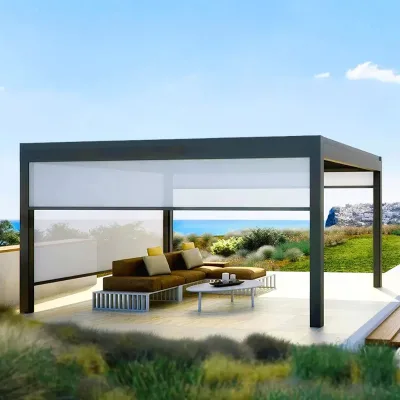


Factory Outdoor Blinds Motorized Outdoor Roller Blinds Roller Shades
$43.00 - $60.00
MOQ: 3 Square Meters


Remote Control Horizontal Roller Shades with Dual Layer Light Filtering
$21.00 - $23.00
MOQ: 1 Square Meters


Window Coverings Blackout Smart Roller Shade Electric with Remote Indoor Motorized
$12.00 - $18.00
MOQ: 50 Square Meters


Motorized Cordless Roller Blind Electric Polyester Shade for Bedroom
$9.98 - $11.60
MOQ: 1 Square Meters


Comprehensive Sourcing Guide
Strategic Sourcing Guide for Room Darkening Motorized Roller Shades
The global demand for smart home solutions has elevated the procurement of Room Darkening Motorized Roller Shades from a niche interior design choice to a critical component of modern building automation and energy efficiency strategies. For B2B buyers, navigating the supply chain for these products requires a disciplined approach that balances technical performance, customization capabilities, and supply chain reliability. The following guide synthesizes available market data and technical observations to provide a robust framework for sourcing these specific window treatment systems.
Technical Specifications and Material Composition
The foundation of any successful procurement strategy lies in a precise understanding of the product's technical specifications. Based on current market observations, the core material for high-performance roller shades is predominantly polyester fiber. This material is selected for its durability, resistance to fading, and ability to maintain structural integrity under tension. Buyers must distinguish between standard polyester and specialized blends, such as those combining polyester with sunscreen fabrics, which offer different levels of light filtration while maintaining the room-darkening capability required for specific applications.
Opacity is a critical specification that directly impacts the product's utility. The market offers distinct tiers of light control, ranging from "room darkening" to "blackout." While some listings indicate "blackout" capabilities, others specify "room darkening," suggesting a need for buyers to verify the exact light transmission percentage for their specific project requirements. The operational mechanism is equally vital; the target keyword specifies "motorized" systems, yet the market data reveals a coexistence of manual and electric (motorized) options. Procurement teams must explicitly confirm the "Open Type" is electric and the "Opening and Closing Method" aligns with the desired automation protocol, whether it is "up and down" or a specific "upper open" mechanism.
Furthermore, the physical dimensions are rarely off-the-shelf. The data indicates that "Customized Width" and "Size" are standard features, allowing for bespoke installations in non-standard window frames. The "prod_model" identifiers, such as RC-A3, Fly79, RC-G7, and SUNRISE, suggest a modular approach to manufacturing where specific models may cater to different motor types or fabric weights. Buyers should treat these model numbers as internal references for specific configurations rather than universal standards, ensuring that the selected model matches the intended load-bearing capacity and motor torque requirements.
Compliance, Certification, and Safety Standards
In the B2B sector, compliance is not merely a formality but a prerequisite for market entry and liability protection. While specific certification bodies are not explicitly detailed in the provided product attributes, the mention of "prod_standard" as "100% polyester" highlights the importance of material purity verification. Buyers must verify that the polyester fiber meets relevant fire safety and flammability standards for the target region, such as NFPA 701 in the United States or EN 13501 in Europe, even if these are not explicitly listed in the initial product summary.
Electrical safety is paramount for motorized systems. Since the "Open Type" includes electric options, the motors and control units must comply with local electrical codes. Buyers should request documentation confirming that the motor components meet standards for low voltage operation and electromagnetic compatibility (EMC). The "prod_standard" field also lists dimensional data like "160x20x20cm," which appears to refer to packaging or a specific unit dimension rather than a safety standard. Procurement teams must clarify this distinction to ensure that the physical dimensions of the product do not compromise safety clearances during installation.
Additionally, the "After-sales Service: Yes" attribute indicates a supplier commitment to support, which is often a proxy for compliance with warranty and service level agreements. Buyers should ensure that the supplier's service protocols align with local regulations regarding product liability and consumer protection. Verification of the "prod_origin" as China requires a thorough understanding of the export compliance requirements, including any potential tariffs or trade barriers that may affect the final landed cost.
Cost Drivers and Pricing Dynamics
Understanding the cost structure of Room Darkening Motorized Roller Shades is essential for budgeting and negotiation. The observed price range of 1.99 to 100 USD suggests a wide spectrum of product quality, from basic manual units to advanced motorized systems with premium fabrics. This variance is driven by several key factors. The primary cost driver is the motorization system; electric motors with smart home integration capabilities command a significantly higher price point than manual alternatives. The "Feature: Smart Home Blinds" attribute indicates that connectivity and automation integration are premium features that will influence the unit cost.
Material composition is another significant cost variable. While polyester is the standard, the inclusion of "Sunscreen" fabric or specialized "Room Darkening" treatments adds to the manufacturing cost. The "Customization" attribute, which is available across the board, also impacts pricing. Custom widths, specific colors like "White," "Gray," or "Beige," and tailored dimensions require non-standard production runs, which can increase the per-unit cost compared to stock items.
The Minimum Order Quantity (MOQ) is a critical financial consideration. The observed MOQ range spans from 1 to 500 units, with specific listings citing "10 Sqm" or "1" as the threshold. For large-scale commercial projects, the ability to negotiate MOQs based on square footage rather than unit count can significantly reduce the average cost per unit. Buyers should analyze the "MOQ" requirements in the context of their project scale to optimize inventory costs and avoid overstocking. The "Delivery Time: Within 20 Days" also plays a role in cost, as expedited shipping or rush orders may incur additional logistics fees.
Typical Applications and Functional Requirements
The versatility of Room Darkening Motorized Roller Shades makes them suitable for a diverse range of applications. The data explicitly lists "Living Room," "Bedding Room," "Bathroom," and "Office" as applicable usage areas. In residential settings, the "Room Darkening" and "Blackout" capabilities are essential for bedrooms to ensure optimal sleep conditions, while the "Smart Home" feature adds convenience for daily routines. In commercial environments, such as offices, the "Function" attributes of "Heat Insulation," "Sound Insulation," "Dustproof," and "Windproof" are crucial for maintaining a comfortable and productive workspace.
The "Style: Motorized" and "Appearance: Modern" attributes suggest that these products are designed to integrate seamlessly with contemporary interior design trends. The "Pattern: Horizontal" and "Kind: Roman" references indicate that while the primary form is a roller shade, there may be variations in the fabric folding or aesthetic finish that cater to specific design preferences. The "Applicable: Any Scene" and "Applicable Holiday: Daily" attributes reinforce the product's suitability for year-round use in various environments.
Buyers must consider the specific functional requirements of each application. For example, in a bathroom, moisture resistance and "Dustproof" capabilities are vital, whereas in an office, "Sound Insulation" and "Heat Insulation" may be the primary drivers. The "Installation Type" options, including "Side Installation" and "Ceiling Installation," provide flexibility for different architectural constraints, ensuring that the shades can be integrated into existing structures without major renovations.
Supplier Evaluation and Quality Control
Selecting the right supplier is a critical step in the procurement process. The "prod_origin: China" indicates that the majority of the supply chain is concentrated in this region, necessitating a rigorous supplier evaluation process. Buyers should assess the supplier's production capacity, quality control protocols, and ability to handle customization requests. The availability of "Customization" and "Customized Width" suggests that the supplier has flexible manufacturing capabilities, but this must be validated through sample testing.
Quality control should focus on the consistency of the "Material: Polyester Fiber" and the reliability of the motorization system. Buyers should request samples to verify the "Opacity" claims, ensuring that the "Room Darkening" or "Blackout" performance meets the project specifications. The "prod_packing" methods, ranging from "Cardboard" to "Air Bubble Film and out Carton Package," are indicative of the supplier's attention to detail in protecting the product during transit. A robust packaging strategy is essential to prevent damage, especially for motorized units with delicate electronic components.
The "After-sales Service: Yes" attribute is a strong indicator of a supplier's commitment to long-term support. Buyers should inquire about the warranty period, the availability of replacement parts, and the response time for technical issues. The "Delivery Time: Within 20 Days" provides a baseline for logistics planning, but buyers should confirm if this lead time is consistent for custom orders or if it varies based on the complexity of the request.
Long-Term Procurement Considerations
Sourcing Room Darkening Motorized Roller Shades is not just a one-time transaction but a long-term partnership that requires strategic planning. The "Customization" and "Customized" attributes highlight the need for a supplier who can adapt to changing project requirements over time. As technology evolves, the "Smart Home Blinds" feature may require firmware updates or compatibility with new control systems, making the supplier's technical support capabilities a key factor in long-term success.
Buyers should also consider the scalability of the supply chain. The wide range of "MOQ" values, from 1 to 500, suggests that the supplier can accommodate both small pilot projects and large-scale rollouts. However, buyers must ensure that the supplier can maintain consistent quality and pricing as order volumes increase. The "Standard" and "Model" variations indicate a need for a clear product catalog and documentation to facilitate future reordering and expansion.
Finally, the "Function" attributes such as "Heat Insulation" and "Sound Insulation" contribute to the building's overall energy efficiency and occupant comfort. Over the long term, these features can reduce energy costs and improve the building's sustainability profile. Buyers should evaluate the supplier's commitment to sustainable manufacturing practices and the durability of the materials to ensure that the investment yields long-term value. By focusing on these strategic considerations, B2B buyers can secure a reliable supply of high-quality Room Darkening Motorized Roller Shades that meet their specific project needs.
FAQs
What material is used for Room Darkening Motorized Roller Shades?
The core material is predominantly polyester fiber, often combined with sunscreen fabric for enhanced light filtration. This composition ensures durability and structural integrity while maintaining the required room-darkening or blackout capabilities for various applications.
Can these shades be customized for specific window sizes?
Yes, customization is available for width and overall size to fit non-standard window frames. Buyers can select specific models like RC-A3 or Fly79 to match their bespoke installation requirements while maintaining the motorized functionality.
How are the shades installed on walls or ceilings?
Installation options include both side installation and ceiling installation to accommodate different architectural constraints. This flexibility allows the shades to integrate seamlessly into existing structures without requiring major renovations or specialized mounting hardware.
What is the typical delivery time for these products?
The standard delivery time is within 20 days for most orders. However, lead times may vary depending on the level of customization required and the specific production schedule of the manufacturer in China.
Which functions do these shades provide for offices and homes?
These shades offer heat insulation, sound insulation, dustproof, and windproof functions to improve comfort. They are suitable for living rooms, bedrooms, bathrooms, and offices, providing versatile protection against environmental factors.
What are the available opening and closing methods?
The shades support both manual and electric opening methods, with options for up and down or upper open mechanisms. Buyers can choose between standard manual operation or motorized smart home integration based on their automation needs.
How are the products packaged for shipping?
Packaging typically includes cardboard boxes, air bubble film, and outer carton packages to ensure protection during transit. This robust packaging strategy prevents damage to the delicate motorized components and fabric materials during international shipping.