Source Rotating Bamboo Tree Cutter for Forestry, Land Clearing, and Demolition
Find and compare 30 Rotating Bamboo Tree Cutter options from verified suppliers. Evaluate hydraulic and gasoline models with varying cutting diameters, gripping forces, and excavator compatibility to select the right attachment for your specific forestry or land management project.
Key considerations
Products List
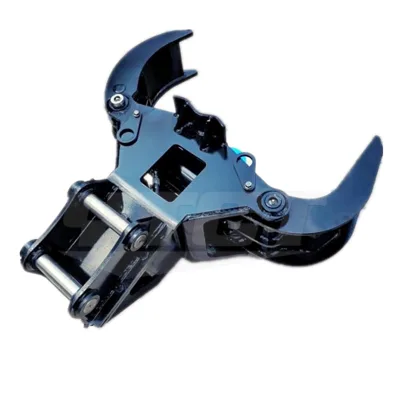


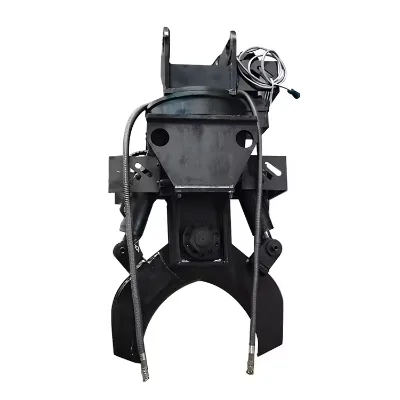
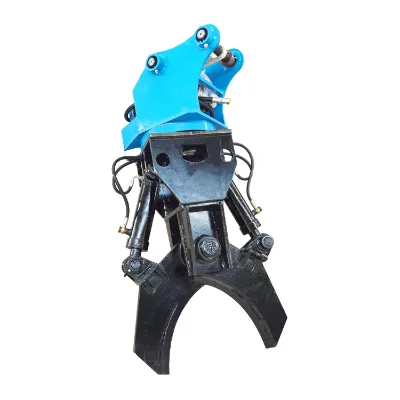
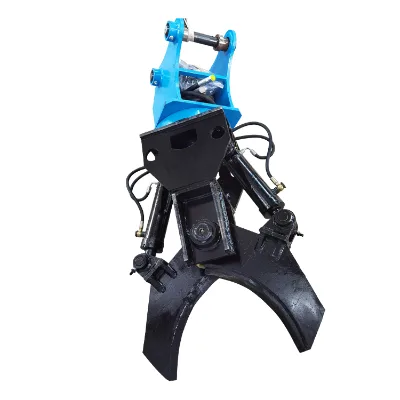
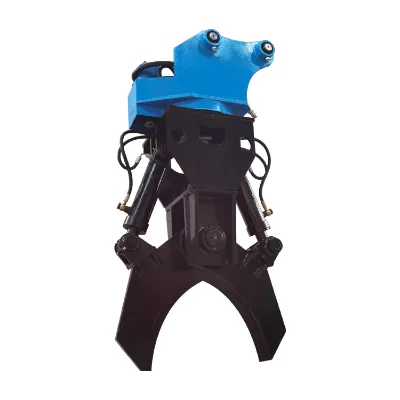
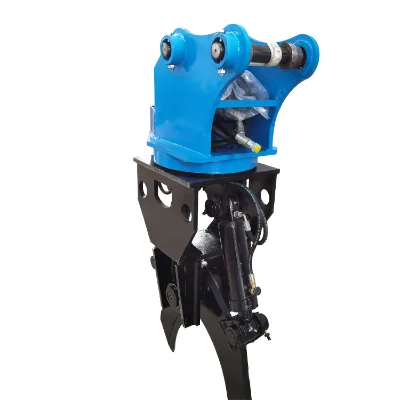
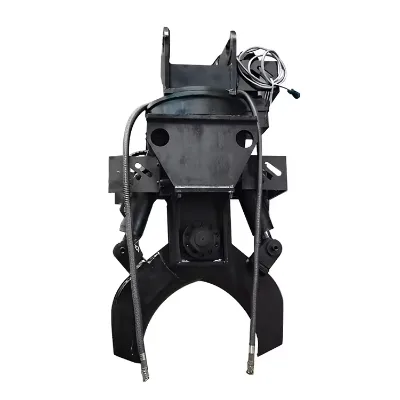


Comprehensive Sourcing Guide
Rotating Bamboo Tree Cutter Sourcing Guide
Sourcing rotating bamboo tree cutters requires a nuanced understanding of hydraulic attachment specifications, as these tools are engineered to integrate seamlessly with existing excavator fleets. The core keyword "Rotating Bamboo Tree Cutter" often intersects with broader categories such as tree shears, grapple saws, and hydraulic wood chippers, necessitating careful verification of the specific cutting mechanism. Buyers must distinguish between pure shear mechanisms that crush and cut simultaneously and rotary saw attachments that utilize high-speed blades for cleaner cuts. The decision hinges on the density of the vegetation, the required throughput, and the compatibility with the host machine’s hydraulic system. This guide provides a structured approach to evaluating these attachments, ensuring that procurement decisions are grounded in verified technical data and commercial reality rather than marketing assumptions.
The procurement landscape for these attachments is characterized by a wide variance in specifications, from compact units suitable for light-duty forestry to heavy-duty models designed for large-scale land clearing. Observed market data indicates a significant range in pricing and minimum order quantities, reflecting the diversity of manufacturing capabilities and customization options available. Buyers should approach this category with a clear definition of their operational needs, including the maximum diameter of bamboo or tree stems they intend to process and the weight constraints of their excavators. By aligning these operational requirements with the observed technical parameters, buyers can filter out incompatible products and focus on suppliers who offer the precise engineering solutions required for efficient bamboo management.
Product Scope and Observed Listing Signals
The product scope for rotating bamboo tree cutters encompasses a variety of hydraulic attachments designed for mounting on excavators, ranging from small 1.5-ton machines to larger 20-ton carriers. Observed listings reveal a spectrum of models, including the Elg120, Elg180, and Sh800, each tailored to different cutting capacities and operational environments. For instance, the Elg120 is noted for its suitability for excavators in the 1.5-3 ton range, featuring a maximum cutting diameter of 120mm and a gripping force of 10kN. In contrast, larger models like the Sh800 are equipped with an 800mm saw blade and a 300mm maximum cutting diameter, indicating a shift towards high-volume processing capabilities. These variations highlight the importance of matching the attachment’s physical dimensions and hydraulic demands to the specific excavator model in use.
Listing signals also provide critical insights into the customization and adaptability of these tools. Many suppliers offer customization options, allowing buyers to tailor the adapter to fit specific excavator brands, such as Euro-S40/S45 or Opt.S30/S35/S40/S45 interfaces. This flexibility is crucial for buyers who operate mixed fleets or need to retrofit existing machinery. Additionally, the presence of certifications such as CE and EPA in product descriptions suggests a focus on regulatory compliance, particularly for markets with strict environmental and safety standards. However, buyers should verify these claims independently, as the presence of a certification label does not guarantee that every listed unit meets the specific requirements of their local jurisdiction.
Technical Specifications to Verify
When evaluating technical specifications, the hydraulic system parameters are paramount, as they determine the attachment’s operational efficiency and compatibility with the host machine. Key metrics to verify include the recommended oil flow, working pressure, and maximum pressure ratings. For example, some models specify a recommended oil flow of 40-60L/Min and a working pressure of 20 MPa, while others may operate at 19 MPa. Buyers must ensure that their excavator’s hydraulic pump can deliver the required flow and pressure without causing damage to the attachment or the machine. Mismatches in hydraulic specifications can lead to reduced cutting performance, excessive heat generation, or premature failure of hydraulic components, making this verification step essential for long-term reliability.
Physical dimensions and weight are equally critical factors that influence the attachment’s performance and the excavator’s stability. The weight of the attachment, which can range from 186kg to 500kg depending on the model, must be balanced against the excavator’s lifting capacity to maintain optimal maneuverability. Additionally, the maximum grapple opening and height dimensions, such as 455mm and 555mm for certain models, dictate the size of the material that can be processed in a single cycle. Buyers should also consider the rotation angle, with some models offering 360-degree rotation for enhanced flexibility in difficult terrain. Verifying these physical attributes ensures that the attachment can handle the intended workload without compromising the excavator’s operational safety or efficiency.
Compliance and Safety Documentation
Compliance with international standards is a key consideration for buyers operating in regulated markets, particularly regarding environmental and safety certifications. The presence of CE certification in product listings indicates adherence to European health, safety, and environmental protection standards, which is often a prerequisite for importing machinery into the European Union. Similarly, EPA certification may be relevant for buyers in the United States, ensuring that the equipment meets specific emissions and operational guidelines. However, buyers should not assume that all listed products are fully certified; instead, they should request valid certification documents from the supplier and verify their authenticity with the relevant issuing bodies. This due diligence helps mitigate the risk of non-compliance and potential legal liabilities associated with using uncertified machinery.
Safety documentation is another critical aspect of the procurement process, as it ensures that operators are adequately informed about the risks and proper usage of the attachment. Buyers should require comprehensive user manuals that detail safe operating procedures, maintenance schedules, and emergency shutdown protocols. Additionally, the inclusion of safety labels and warning signs on the attachment itself is a positive indicator of the manufacturer’s commitment to operator safety. For hydraulic attachments, it is particularly important to verify that the supplier provides clear instructions on pressure relief and leak prevention, as hydraulic failures can pose significant safety hazards. By prioritizing robust safety documentation, buyers can foster a safer working environment and reduce the likelihood of accidents.
Cost Drivers and Commercial Terms
The cost of rotating bamboo tree cutters is influenced by several factors, including the complexity of the hydraulic system, the materials used in construction, and the level of customization required. Observed price ranges vary significantly, from as low as $3 to over $8,000, reflecting the diversity of product quality and features available in the market. Buyers should be cautious of unusually low prices, as they may indicate inferior materials or incomplete feature sets. Conversely, higher prices may be justified by advanced engineering, durable construction, and comprehensive after-sales support. Understanding these cost drivers allows buyers to make informed decisions that balance budget constraints with performance expectations.
Commercial terms, such as minimum order quantities (MOQ) and payment conditions, also play a significant role in the procurement process. Observed MOQs range from 1 to 50 units, offering flexibility for buyers who need to test the product before committing to a larger order. However, buyers should negotiate favorable terms, such as volume discounts or extended warranty periods, to maximize the value of their purchase. Additionally, the packaging method, such as iron pallets, can impact shipping costs and handling requirements, so buyers should factor these logistical considerations into their overall cost analysis. By carefully reviewing and negotiating commercial terms, buyers can secure a more favorable procurement outcome.
Supplier Qualification and Quality Control
Supplier qualification is a critical step in ensuring the reliability and quality of the rotating bamboo tree cutters. Buyers should verify the supplier’s manufacturing capabilities, including their production facilities, quality control processes, and after-sales support infrastructure. The presence of a place of origin, such as Shandong, China, can provide insights into the supplier’s industrial base and expertise in heavy machinery manufacturing. However, buyers should not rely solely on location-based assumptions; instead, they should conduct thorough due diligence, including site visits or third-party audits, to assess the supplier’s actual capabilities. This proactive approach helps mitigate the risk of receiving substandard products or encountering difficulties with after-sales service.
Quality control measures are essential for ensuring that each unit meets the specified technical standards and performance expectations. Buyers should inquire about the supplier’s inspection protocols, including incoming material checks, in-process inspections, and final outgoing inspections. The provision of video outgoing-inspection, as noted in some listings, is a positive indicator of the supplier’s transparency and commitment to quality. Additionally, buyers should request sample units or test reports to verify the attachment’s performance under real-world conditions. By implementing rigorous quality control measures, buyers can ensure that their procurement investments yield reliable and efficient results.
Long-Term Procurement Checks
Long-term procurement success depends on establishing a sustainable relationship with suppliers who can provide consistent quality and support over time. Buyers should prioritize suppliers who demonstrate a commitment to continuous improvement, including updates to product designs and enhancements in manufacturing processes. Regular communication and feedback loops can help identify potential issues early and foster a collaborative partnership. Additionally, buyers should monitor the supplier’s performance metrics, such as delivery times, defect rates, and customer satisfaction scores, to ensure that the relationship remains beneficial. By focusing on long-term partnership building, buyers can secure a reliable supply chain that supports their operational needs.
Finally, buyers should remain vigilant regarding changes in market conditions, regulatory requirements, and technological advancements that may impact the procurement of rotating bamboo tree cutters. Staying informed about industry trends and emerging technologies can help buyers make proactive decisions that enhance their competitive advantage. Regular reviews of procurement strategies and supplier performance can also identify opportunities for cost savings and efficiency improvements. By maintaining a strategic and adaptive approach to procurement, buyers can navigate the complexities of the market and achieve their business objectives effectively.
FAQs
What certifications do the tree shear attachments have?
The tree shear attachments hold CE and EPA certifications. Some models also meet ISO standards. These certifications ensure the equipment complies with international safety and environmental regulations for heavy machinery operations.
Which excavator sizes are suitable for these cutters?
These cutters are designed for excavators ranging from 1.5 to 20 tons. Specific models fit 3-20 ton machines while others target 1.5-3 ton or 3.5-8 ton ranges. Always match the attachment to your machine's weight class.
Can the tree shear be customized for specific needs?
Yes, customization is available for these hydraulic tree shear units. Buyers can request specific configurations to suit their operational requirements. This flexibility allows for tailored solutions across different industrial applications.
What is the maximum cutting diameter for the Elg120 model?
The Elg120 model supports a maximum cutting diameter of 120mm. This specification defines the largest tree trunk size the attachment can effectively process. It is ideal for smaller to medium-sized forestry tasks.
How much does the Elg180 tree shear weigh?
The Elg180 tree shear weighs 220kg. This weight ensures stability during operation while remaining manageable for standard excavator loaders. The mass is optimized for efficient cutting performance without overloading the host machine.
What is the recommended oil flow for the hydraulic system?
The recommended oil flow for the hydraulic system is 40-60L/Min. This flow rate ensures optimal performance and prevents damage to the internal components. Adhering to this specification is crucial for maintaining the equipment's longevity.
Where are these tree shear attachments manufactured?
These tree shear attachments are manufactured in Shandong, China. The production location ensures access to established industrial supply chains. Buyers can expect consistent quality control from this specific manufacturing region.