Source Rotatable Spinning Enamel Pin for Badges, Gifts, and Collectibles
Find and compare 30 listings for Rotatable Spinning Enamel Pin options crafted from zinc alloy or iron. Buyers can evaluate custom plating, hard enamel techniques, and various attachment styles like safety pins or butterfly clutches to suit promotional and souvenir needs.
Key considerations
Products List
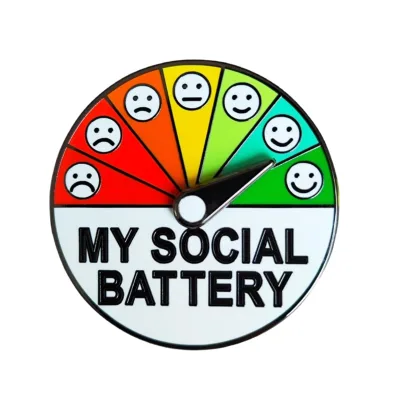
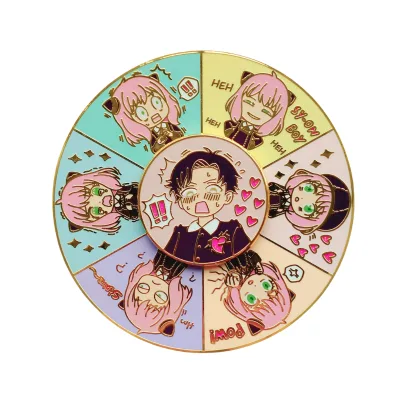


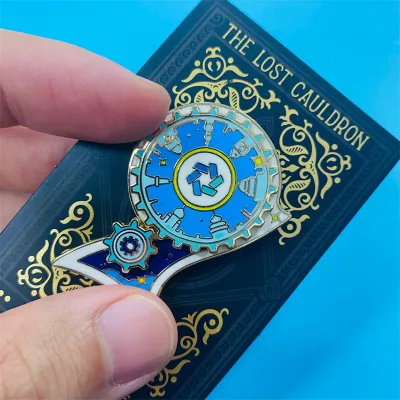
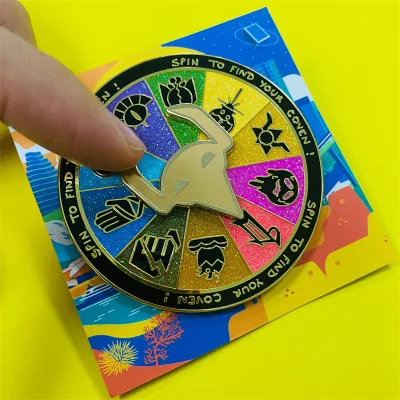
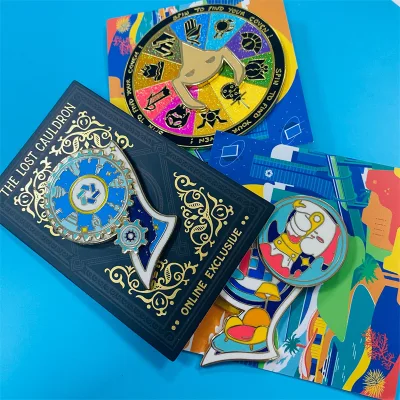


Hot Sale Enamel Pins Manufacture, Accept Various of Character Enamel Pins
$0.10 - $0.50
MOQ: 10 Pieces

High Quality Pins Custom Badge Gift Cute Cartoon Enamel Pin Retro Radio Enamel Pin
$0.15 - $0.80
MOQ: 50 Pieces

Anime Style and Metal Material Making Enamel Pin Custom Lapel Pin Manufacturer
$0.10 - $0.40
MOQ: 10 Pieces
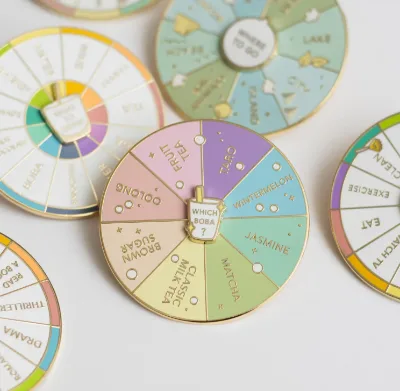
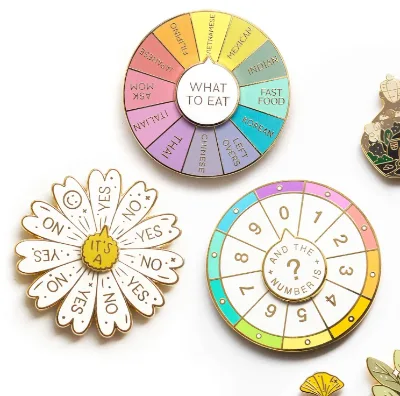
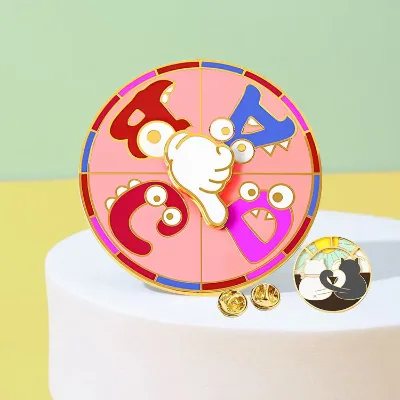




Comprehensive Sourcing Guide
Rotatable Spinning Enamel Pin Sourcing Guide
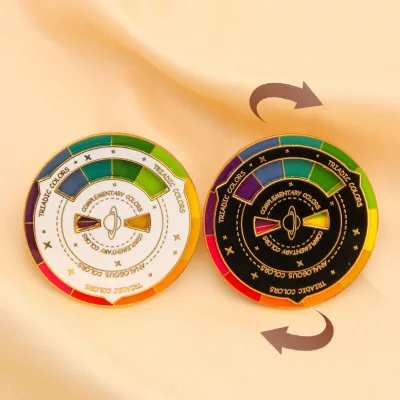
Rotating enamel pins represent a dynamic intersection of traditional metalwork and mechanical engineering, offering brands a tactile and visually engaging medium for merchandise. Unlike static lapel pins, these items incorporate a central pivot or bearing mechanism that allows the outer layer to spin independently of the base. This mechanical feature adds a layer of novelty and interactivity, making them particularly effective for promotional campaigns, limited-edition collectibles, and high-end brand activations. Procuring these items requires a deeper understanding of manufacturing tolerances and material durability compared to standard hard or soft enamel products, as the moving parts introduce potential points of failure that must be rigorously tested.
The sourcing landscape for these specialized pins is dominated by manufacturers in China, where the infrastructure for both metal casting and precision assembly is well-established. Buyers often encounter a wide range of customization options, including custom shapes, logos, and plating finishes, which are essential for creating unique brand identities. However, the complexity of the rotating mechanism means that design feasibility is not guaranteed for all artistic concepts. Early engagement with suppliers to validate the mechanical integrity of the design is crucial, as certain shapes or weight distributions may compromise the smoothness of the rotation or the longevity of the pin’s functionality.
Product Scope and Observed Listing Signals
The market for rotatable enamel pins is characterized by a high degree of customization, with suppliers offering OEM and ODM services to accommodate specific brand requirements. Observed listings indicate that materials typically include zinc alloy or iron, providing a sturdy base for the intricate mechanical components required for rotation. The plating options are diverse, ranging from gold and nickel finishes to custom plating, allowing for a premium aesthetic that aligns with various brand guidelines. These pins are often marketed under various names, including lapel pins, organization badges, and souvenir items, reflecting their versatile application across different industries.
Pricing and minimum order quantities (MOQs) vary significantly based on the complexity of the design and the volume of the order. While some suppliers list low MOQs starting from a single piece for sampling purposes, bulk production often requires higher volumes, with observed ranges extending up to 500 pieces or more. The price per unit can fluctuate between $0.10 and $1.82, influenced by factors such as the type of enamel used, the complexity of the spinning mechanism, and the chosen plating finish. Buyers should be aware that these figures are indicative and subject to change based on raw material costs and order specifics, necessitating direct communication with suppliers for accurate quotations.
Technical Specifications to Verify
Verifying the technical specifications of rotatable enamel pins is critical to ensuring product quality and customer satisfaction. The core mechanism, whether it involves a simple pin-and-hole setup or a more complex bearing system, must be tested for smoothness and durability. Buyers should request samples to assess the ease of rotation and the stability of the pin when stationary. Additionally, the attachment method, which can include safety pins, butterfly clutch backs, or magnetic options, must be secure enough to prevent accidental loss while remaining comfortable for the wearer. The choice of attachment can also impact the overall cost and lead time of the production process.
The enamel technique used, such as hard enamel or soft enamel, affects both the visual appeal and the tactile experience of the pin. Hard enamel provides a smooth, polished surface that is durable and resistant to wear, while soft enamel offers a textured look with raised metal lines. Buyers should also verify the printing methods, such as UV printing or silk screen printing, which may be used for additional details or logos. The single package size and gross weight are important for logistics planning, as these factors influence shipping costs and storage requirements. Ensuring that the pin’s dimensions and weight are within acceptable limits for the intended application is essential for a successful product launch.
Compliance and Safety Documentation
Compliance with safety standards is paramount when sourcing rotatable enamel pins, particularly if they are intended for children or general consumer use. Buyers must ensure that the materials used, including the metal alloys and enamel coatings, are free from harmful substances such as lead, cadmium, and nickel, which can pose health risks. Suppliers should provide documentation verifying that their products comply with relevant international standards, such as REACH in Europe or CPSIA in the United States. This documentation is essential for avoiding legal liabilities and ensuring that the products can be sold in target markets without regulatory hurdles.
In addition to material safety, the mechanical components of the pin must be designed to prevent choking hazards or injury. Small parts, such as the rotating mechanism or the attachment back, should be securely fastened to prevent detachment. Buyers should request test reports or certifications from independent laboratories to verify the structural integrity of the pin. It is also important to consider the packaging, which should be durable enough to protect the pin during transit and free from hazardous materials. Clear labeling and instructions for use can further enhance safety and reduce the risk of misuse by consumers.
Cost Drivers and Commercial Terms
The cost of rotatable enamel pins is influenced by several key factors, including the complexity of the design, the choice of materials, and the volume of the order. Custom shapes and intricate details require more time and resources to produce, leading to higher unit costs. The type of plating and enamel used also affects the price, with premium finishes commanding higher prices. Buyers should consider the trade-offs between cost and quality, as cheaper options may compromise the durability and aesthetic appeal of the final product. Negotiating volume discounts and optimizing design simplicity can help reduce overall costs without sacrificing quality.
Commercial terms, such as payment methods and delivery times, play a significant role in the procurement process. Suppliers typically offer a range of payment options, including T/T, PayPal, Western Union, and credit cards, each with its own advantages and risks. Delivery times can vary, with sampling often taking 7-10 days and production ranging from 12-15 days or longer, depending on the order size and complexity. Buyers should establish clear communication channels with suppliers to manage expectations and address any issues that may arise during production. Understanding the lead times and payment terms is essential for effective supply chain management and ensuring timely delivery of the products.
Supplier Qualification and Quality Control
Qualifying suppliers for rotatable enamel pins requires a thorough assessment of their manufacturing capabilities, quality control processes, and track record. Buyers should verify the supplier’s experience in producing mechanical pins and request references or case studies from previous clients. It is important to assess the supplier’s ability to handle custom designs and their commitment to maintaining consistent quality across large orders. Visiting the factory or conducting virtual audits can provide valuable insights into the production environment and the supplier’s operational efficiency. Building a strong relationship with a reliable supplier is crucial for long-term success and minimizing risks associated with supply chain disruptions.
Quality control measures should be implemented at every stage of the production process, from raw material inspection to final packaging. Buyers should establish clear quality standards and communicate them effectively to the supplier. Regular inspections and testing of samples during production can help identify and address issues early, reducing the risk of defects in the final product. Implementing a robust quality control plan, including random sampling and functional testing of the rotating mechanism, ensures that the products meet the desired specifications. Documenting quality control procedures and maintaining open communication with the supplier fosters trust and accountability, leading to higher customer satisfaction.
Long-Term Procurement Checks
Long-term procurement of rotatable enamel pins requires ongoing monitoring and evaluation to ensure sustained quality and value. Buyers should regularly review supplier performance metrics, such as on-time delivery rates, defect rates, and responsiveness to issues. Establishing key performance indicators (KPIs) and conducting periodic audits can help identify areas for improvement and drive continuous enhancement of the supply chain. Building a diversified supplier base can also mitigate risks associated with reliance on a single source, providing flexibility and resilience in the face of market fluctuations or supply chain disruptions.
Staying informed about industry trends and technological advancements is essential for maintaining a competitive edge. Buyers should explore new materials, designs, and manufacturing techniques that can enhance the appeal and functionality of rotatable enamel pins. Engaging with industry networks and attending trade shows can provide opportunities to discover innovative solutions and connect with potential suppliers. By fostering a culture of innovation and continuous improvement, buyers can ensure that their rotatable enamel pin offerings remain relevant and desirable in the marketplace, driving long-term business growth and customer loyalty.
FAQs
How does a Rotatable Spinning Enamel Pin work?
A Rotatable Spinning Enamel Pin uses a pivoting outer piece or separate spinner element attached over a fixed base pin, allowing it to rotate freely around the center post. The base is die-struck from zinc alloy or iron, then hard or soft enamel fills the recessed areas. The spinning layer is mounted on the pin post before the butterfly clutch or safety pin attachment is added, so the top rotates while the backing stays fixed.
What customization options are available for rotatable spinning enamel pins?
Customization is fully available, including custom shape, custom logo, and custom colors with UV printing or silk screen printing alongside hard or soft enamel. Plating options include gold, nickel, and custom plating finishes. You can supply your own artwork to define the spinning element, the fixed base, size, and attachment style, and the model number is set as custom to match your design.
What is the minimum order quantity for custom rotatable spinning enamel pins?
The listed minimum order quantity is 100 pieces, with MOQ values across the category ranging from 1 to 500 depending on the specific listing. Sampling is typically completed in 7 to 10 days, and production takes 12 to 15 days after approval. Confirm the exact MOQ for your design complexity, since spinner mechanisms and printed details can affect the quoted requirement.
What materials and plating are used for rotatable spinning enamel pins?
The pins are made from zinc alloy or iron, with metal listed as a core material across the category. Plating can be gold, nickel, or a custom plating finish, applied before enamel filling to give the raised metal areas their color and shine. Technique options include hard enamel and printed enamel, so you can choose a smooth, jewelry-grade surface or a textured, dimensional look.
How long does sampling and production take for a spinning enamel pin order?
Sampling takes 7 to 10 days and production takes 12 to 15 days according to the listed delivery time. Shipment is arranged via sea, air, or couriers such as DHL, FedEx, and UPS, so total delivery time depends on your chosen shipping method and destination. Factor the sampling stage into your schedule, since design revisions restart the sample clock before production begins.
How are rotatable spinning enamel pins packed for delivery?
Each pin is packed 1 piece per poly bag as the standard packing, with upgraded options including bubble bag, plastic bag, velvet bag, or velvet box. Box packing is also available on some listings. Choose protective packaging such as bubble bags or velvet boxes if pins ship individually as gifts or retail items, since spinner elements can scratch during bulk transit.
Which applications suit a Rotatable Spinning Enamel Pin?
These pins suit art and collectible use, clothing decoration, souvenirs, advertising, business gifts, and promotion gifts. The spinner design adds interactive appeal, making it popular for attractions and event merchandise. Wearing is on the breast via a butterfly clutch or safety pin attachment, and features can include magnetic or flashing options depending on the listing.
Can I order a sample of a Rotatable Spinning Enamel Pin before bulk production?
Yes, sampling is offered with a 7 to 10 day turnaround before the 12 to 15 day production run. Payment can be made via T/T, PayPal, Western Union, L/C, or credit card. Review the sample for spinner movement, enamel color accuracy, plating finish, and attachment security before approving mass production, since changes after approval extend the overall timeline.