Source Rotating Wood Grapple with Eaton Motor for Logging, Forestry, and Material Handling
Find 30 Rotating Wood Grapple with Eaton Motor options from verified suppliers. Compare models like TG-12 and Hawk10 with varying grip areas, max loads, and hydraulic specifications to suit different excavator sizes and logging applications.
Key considerations
Products List


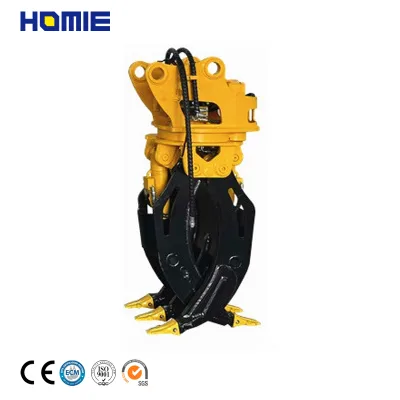
Forestry Machine Rotary Wooden Clamp Excavator Wood Grapple Hydraulic Rotating Grapple
$235.00 - $245.00
MOQ: 6 Pieces


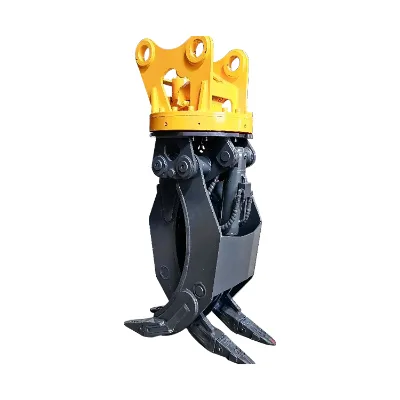
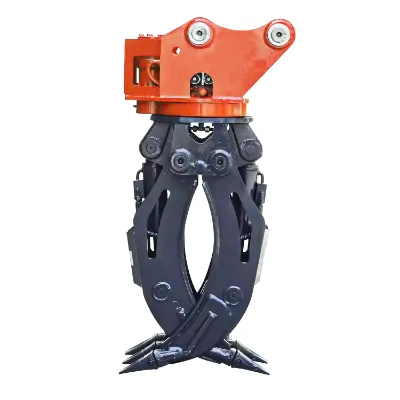
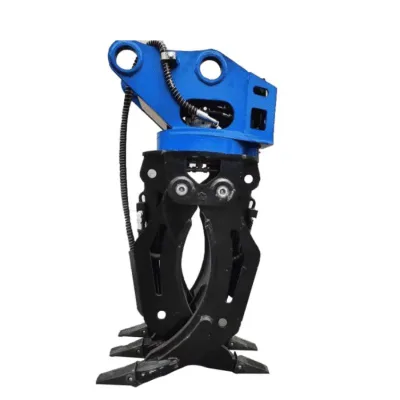
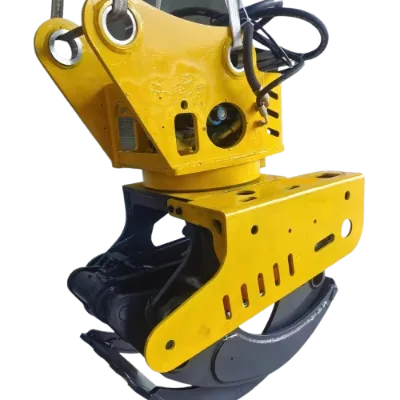

Rotating Hydraulic Timber Grapple for Forestry and Landscape Construction
$3000.00 - $30000.00
MOQ: 1 Pieces

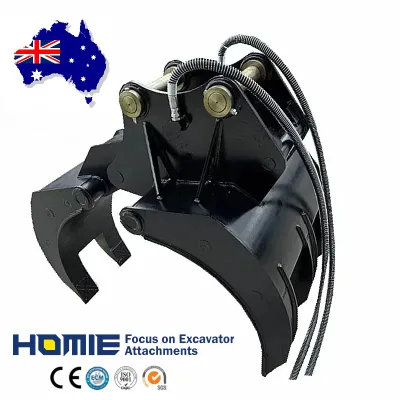
Customized Hydraulic Rotating Log Grapple with 360° Rotation for Wood Grabbing
$1980.00 - $4560.00
MOQ: 1 Pieces
Comprehensive Sourcing Guide
Strategic Sourcing Guide for Rotating Wood Grapples with Eaton Motors
Understanding the Rotating Log Grapple Ecosystem
The procurement of a rotating wood grapple equipped with an Eaton motor represents a specialized investment in heavy-duty material handling equipment. These machines are engineered to provide superior efficiency in logging, forestry, and waste management operations where the ability to rotate 360 degrees while maintaining a secure grip on irregular timber is critical. The core of this equipment lies in the synergy between the mechanical grapple structure and the hydraulic rotation system. When sourcing these units, buyers must recognize that the "Eaton motor" designation implies a specific hydraulic power source known for reliability and torque density, though the exact integration varies by manufacturer. The observed market data indicates a diverse range of models, from the TG-12 and TG-22 series to the Hawk and LG series, each tailored to different excavator sizes and load capacities.
The fundamental operation of these grapples relies on hydraulic power to drive the rotation mechanism. The supply chain for these components is heavily concentrated in regions like Shandong, China, which serves as a primary hub for manufacturing heavy machinery attachments. Buyers should be aware that while the core concept remains consistent, the specific technical parameters such as working pressure, grip area, and maximum load vary significantly between models. For instance, the market features units with grip areas ranging from 0.12 square meters to 0.24 square meters, directly influencing the volume of timber that can be handled in a single cycle. Understanding these baseline variations is the first step in defining a precise procurement requirement that aligns with operational needs.
Technical Specifications and Performance Parameters
When evaluating a rotating wood grapple, the technical specifications serve as the primary filter for suitability. The data available highlights a critical distinction between different model series, such as the Tg12, Tg22, and Tg16s, each offering distinct performance metrics. The working pressure is a vital parameter, with observed values consistently around 20 MPa for several models, indicating a standard hydraulic operating range for this class of equipment. However, buyers must verify if their existing excavator hydraulic systems can sustain this pressure without requiring extensive retrofitting. The maximum load capacity is another decisive factor; specifications range from 600 kg for lighter units to 2000 kg for heavy-duty variants like the TG-22. This variance dictates the size of the excavator required to operate the grapple safely and effectively.
The physical dimensions and weight of the grapple are equally important for compatibility. The weight of the unit itself can vary from approximately 10.2 kg for smaller, perhaps auxiliary models, to 230 kg for larger industrial units. This weight difference impacts the overall center of gravity and the load on the excavator's boom. The grip area, observed at 0.12 m² and 0.24 m², determines the cross-sectional area of timber that can be secured. Furthermore, the jaw opening capabilities are crucial for handling logs of varying diameters. Some models feature a maximum opening of 700mm to 2200mm, providing significant flexibility for large-diameter timber, while others may have more restricted openings suitable for smaller, processed wood.
The hydraulic motor specifications, particularly those associated with the Eaton brand integration, require careful scrutiny. The data indicates specific performance metrics such as displacement (e.g., 193ml/R), flow rates (10L/Min to 55L/Min), and torque output. For example, one specification lists an output torque of 450 MPa/N.M, which is a critical figure for determining the rotational force available to turn heavy loads. The axial load ratings, including static loads of 10kN and dynamic loads of 5kN, define the structural integrity of the rotation mechanism under stress. Buyers should ensure that the motor's flow and pressure requirements match the excavator's auxiliary hydraulic circuit capabilities to prevent performance bottlenecks or system damage.
Compliance, Certification, and Material Standards
In the B2B procurement of heavy machinery, compliance and certification are non-negotiable elements that mitigate legal and operational risks. The observed market data confirms that many rotating wood grapples carry CE certification, indicating conformity with health, safety, and environmental protection standards for products sold within the European Economic Area. Some listings also reference ISO9001:2008 or similar quality management standards, suggesting that the manufacturing processes adhere to international benchmarks for consistency and quality control. However, buyers must treat these certifications as observations of specific listings rather than universal guarantees for all products in the category. It is essential to request valid certification documents from the supplier to verify the current status of compliance for the specific model being purchased.
Material quality is another cornerstone of compliance and longevity. The supply data identifies Q345b steel as a common material used in the construction of these grapples. Q345b is a low-alloy high-strength structural steel known for its excellent welding properties and impact resistance, making it suitable for the high-stress environment of logging operations. The use of this material ensures that the grapple can withstand the abrasion and impact forces inherent in handling rough timber. Additionally, the condition of the product is typically listed as "New," which implies that the equipment is manufactured to current standards rather than being refurbished. Buyers should verify the material grade certificates to ensure that the steel meets the specified Q345b requirements, as inferior materials can lead to premature failure and safety hazards.
Cost Drivers and Procurement Economics
The pricing of rotating wood grapples with Eaton motors is influenced by a complex array of factors, resulting in a wide observed price range from 190 USD to 30,000 USD. This significant variance is not merely a reflection of brand premiums but is driven by the technical specifications, size, and customization options of the unit. Smaller, lighter models with lower load capacities and simpler hydraulic configurations will naturally fall at the lower end of the spectrum. Conversely, heavy-duty units capable of handling 2000 kg loads, featuring larger grip areas, and equipped with high-torque motors will command prices at the higher end. The inclusion of an Eaton motor, a recognized brand in the hydraulic industry, may also contribute to the cost, as these components are often priced higher than generic alternatives due to their reliability and performance.
Minimum Order Quantity (MOQ) is another critical economic factor that affects the total cost of ownership and procurement strategy. The observed MOQ range spans from 1 unit to 6 units. For buyers seeking a single unit for a specific project or a small fleet, an MOQ of 1 is highly favorable. However, for larger operations or distributors, an MOQ of 6 units may be required, which influences the unit price through economies of scale. Buyers should negotiate based on their volume requirements, as purchasing multiple units often allows for more favorable pricing terms. Additionally, the customization options available, such as specific colors, packing methods, or tailored hydraulic connections, can impact the final cost. Customization is generally available, but the extent of the customization and the associated labor and material costs must be factored into the budget.
Supplier Evaluation and Operational Compatibility
Evaluating suppliers for rotating wood grapples requires a focus on their ability to meet specific technical and logistical requirements. The origin of the products is predominantly China, with Shandong province being a noted hub for manufacturing. This geographical concentration suggests a mature supply chain with access to raw materials and specialized labor. However, buyers should not rely solely on the country of origin but must evaluate the supplier's specific track record, production capacity, and quality assurance processes. The presence of OEM (Original Equipment Manufacturer) capabilities indicates that suppliers can produce grapples tailored to specific excavator brands or custom specifications, which is a valuable attribute for buyers with unique operational needs.
Compatibility with existing equipment is paramount. The data highlights that these grapples are suitable for excavators ranging from 3 to 5 tons, though larger models exist for heavier machinery. Buyers must ensure that the grapple's weight, hydraulic flow requirements, and mounting interface match their current fleet. The "Easy Operation" feature noted in some listings suggests a focus on user-friendly design, but the actual interface must be verified against the operator's experience level. Furthermore, the rotation capability of 360 degrees is a standard feature for these units, allowing for versatile handling of timber in tight spaces. Buyers should request detailed installation manuals and hydraulic schematics to confirm that the integration with their specific excavator models will be seamless and safe.
Quality Control and Long-Term Procurement Considerations
Quality control in the manufacturing of rotating wood grapples is essential to ensure durability and safety in demanding environments. The observed specifications, such as the working pressure of 20 MPa and the use of Q345b steel, provide a baseline for quality, but buyers must implement their own verification processes. This includes inspecting weld quality, checking the hydraulic seals for leaks, and verifying the torque output of the motor. The packing method, whether in a wooden box or on an iron pallet, also plays a role in protecting the equipment during transit. Customized packing options are available, which can be crucial for preventing damage during long-distance shipping.
Long-term procurement considerations extend beyond the initial purchase price to include maintenance, spare parts availability, and warranty support. The "High Quality" attribute listed in some descriptions is a marketing claim that must be validated through performance testing and customer references. Buyers should inquire about the availability of replacement parts, such as hydraulic seals, pins, and motor components, to minimize downtime. The condition of the product being "New" is a positive indicator, but the longevity of the equipment depends on the quality of the components and the maintenance practices of the operator. Establishing a relationship with a supplier that offers technical support and reliable after-sales service is crucial for the long-term success of the procurement.
| Feature Category | Observed Range / Specifics | Procurement Verification Point |
|---|---|---|
| Max Load Capacity | 600kg - 2000kg | Match with excavator lift chart |
| Working Pressure | 20 MPa | Verify excavator hydraulic system rating |
| Grip Area | 0.12 m² - 0.24 m² | Calculate required timber volume per cycle |
| Rotation | 360 Degrees | Confirm compatibility with excavator rotation |
| Material | Q345b Steel | Request material certification documents |
| Certification | CE, ISO9001 | Validate current certificates for specific batch |
| MOQ | 1 - 6 Units | Negotiate based on total volume needs |
| Origin | Shandong, China | Assess logistics and lead time implications |
In conclusion, sourcing a rotating wood grapple with an Eaton motor requires a meticulous approach that balances technical specifications, compliance requirements, and economic factors. By carefully analyzing the observed data and verifying critical parameters such as load capacity, hydraulic flow, and material standards, buyers can make informed decisions that ensure operational efficiency and safety. The diversity of the market offers solutions for various applications, from small-scale logging to large industrial operations, provided that the procurement process is grounded in rigorous due diligence and clear communication with suppliers.
FAQs
What is the maximum load capacity for these grapples?
The maximum load capacity ranges from 600kg to 2000kg depending on the specific model selected. Buyers must match this capacity with their excavator's lift chart to ensure safe operation during timber handling tasks.
Which certification standards do these rotating grapples meet?
Many units carry CE certification, and some listings also include ISO9001 standards for quality management. Buyers should request valid certification documents from the supplier to verify the current compliance status for the specific model.
How much does a Rotating Wood Grapple with Eaton Motor cost?
Prices observed in the market range from 190 USD to 30,000 USD based on specifications and customization. The final cost depends on the load capacity, grip area, and whether the unit includes specific Eaton motor integration.
Can I customize the color and packing of the grapple?
Yes, customization is available for colors like black or specific requests, and packing can be done in wooden boxes or on iron pallets. Buyers should confirm the extent of customization options and any associated costs with the supplier.
What is the minimum order quantity for these products?
The minimum order quantity varies from 1 unit to 6 units depending on the supplier and model. Purchasing multiple units often allows for more favorable pricing terms and economies of scale for larger operations.
Which material is used to construct these grapple jaws?
The grapples are typically constructed from Q345b steel, a low-alloy high-strength structural steel known for impact resistance. Buyers should request material certification documents to ensure the steel meets the specified quality requirements.