Source Round Eye Drops Bottle for Cosmetics, Oils, and Packaging
Compare 30 verified listings for the Round Eye Drops Bottle featuring plastic or glass materials, ISO certifications, and custom options. Buyers can evaluate specifications like 10ml to 100ml capacities, screw caps, and free samples from manufacturers in China.
Key considerations
Products List


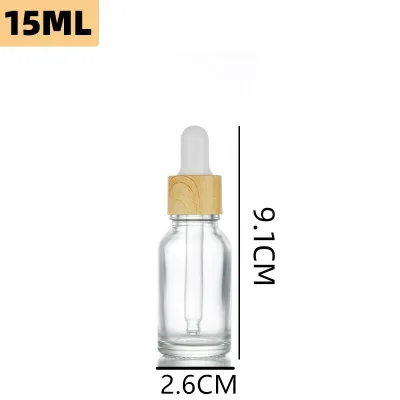
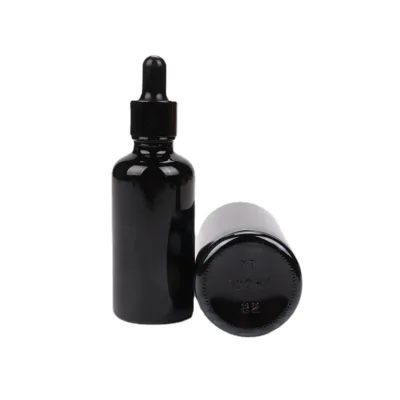


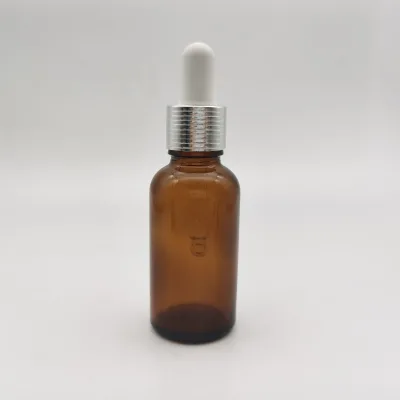
Comprehensive Sourcing Guide
Strategic Sourcing Guide for Round Eye Drops Bottles
Procuring packaging solutions for ophthalmic products requires a rigorous approach that balances technical precision with regulatory compliance. The market for round eye drops bottles is characterized by a diverse array of materials, from plastic variants like HDPE to glass constructions, each serving specific functional and aesthetic needs. Buyers must navigate a landscape where customization options, such as OEM services and specific shape configurations, are prevalent. This guide synthesizes available market data to provide a structured framework for evaluating suppliers and selecting the appropriate container for essential oil or pharmaceutical applications. The focus remains on observable attributes and verified specifications to ensure a procurement strategy grounded in factual evidence rather than speculative claims.
Technical Specifications and Material Selection
The foundational decision in sourcing round eye drops bottles involves selecting the correct material and dimensional standard. The current market data indicates a clear bifurcation between plastic and glass options. Plastic variants are frequently described with attributes such as "HDPE" (High-Density Polyethylene) and are often associated with a "Cylinder" shape or "Drop Bottle" styling. These plastic bottles are noted for being recyclable and eco-friendly, aligning with modern sustainability goals. Conversely, glass options are explicitly listed as "Glass Bottle" or "Glass/Silica Gel/Alu" compositions, offering a premium feel often required for high-end essential oils or sensitive pharmaceuticals.
Dimensional standards vary significantly across suppliers, necessitating careful verification. Observed specifications include a wide range of capacities, from 10ml and 14ml up to 60ml, 100ml, and specific models like 30ml and 60ml. Some listings reference specific model numbers such as 809, WK-104, 608, MD-878, MD-727, and MD-922, which serve as unique identifiers for the buyer to request exact samples. The "Standard" attribute often lists multiple volume options, such as 15ml/30ml/50ml/60ml/100ml, suggesting that suppliers may offer a modular sizing approach.
The closure mechanism is another critical technical specification. The data confirms the availability of "Screw Cap" options, which are essential for maintaining the sterility and seal integrity of eye drop formulations. The shape is consistently described as "Cylinder" or "Drop Bottle," with some references to "Folded: Unfolded" states, likely referring to the packaging configuration of the caps or the bottles themselves before assembly. Buyers must verify that the specific model number corresponds to the required volume and cap type, as the "prod_model" field varies widely even within the same category.
Compliance, Certification, and Regulatory Standards
For products intended for ophthalmic use or essential oil packaging, compliance is not merely a preference but a necessity. The supply chain data highlights several key certifications that buyers should prioritize during supplier evaluation. The most frequently cited certification is "ISO," which appears in multiple listings, indicating a baseline adherence to quality management systems. More comprehensive compliance is often signaled by the presence of "ISO SGS FDA COA" or "OHSAS/ISO/SGS" certifications. These acronyms represent International Organization for Standardization (ISO), the Société Générale de Surveillance (SGS) for inspection and verification, the US Food and Drug Administration (FDA) for regulatory compliance, and the Certificate of Analysis (COA) for batch-specific quality verification.
The "Certificate" attribute is a critical verification point. While some suppliers list only ISO, others provide a broader suite including SGS and FDA. Buyers must understand that the presence of these certifications on a product page does not automatically guarantee that every specific SKU or batch meets these standards without further validation. The "COA" specifically implies that the manufacturer provides documentation verifying the chemical and physical properties of the batch, which is vital for eye drop bottles where purity is paramount.
Furthermore, the "Eco-Friendly" and "Recyclable" attributes suggest that the materials used may meet specific environmental standards. However, buyers should not assume that "Eco-Friendly" implies a specific certification without requesting the relevant documentation. The "Surface Process" attribute mentions "Chrome," which may refer to the finish of the cap or the bottle itself. This decorative element must be evaluated for its impact on the bottle's chemical resistance and compatibility with the intended contents, as chrome plating can sometimes introduce leaching risks if not properly sealed.
Cost Drivers and Pricing Dynamics
Understanding the cost structure of round eye drops bottles is essential for budgeting and negotiation. The observed price range in the market is notably low, spanning from 0.02 to 1.00 USD per unit. This wide variance suggests that the final price is heavily influenced by the material choice, volume, and customization level. Plastic bottles, particularly those made of HDPE, tend to occupy the lower end of this spectrum, while glass bottles with chrome finishes or specific certifications likely command prices closer to the upper limit.
The "MOQ" (Minimum Order Quantity) is a primary driver of unit cost. The data reveals a significant disparity in MOQ requirements, ranging from as low as 1 unit to as high as 50,000 sets. Some suppliers list an MOQ of 10,000 pieces, while others require 30,000 or 50,000 sets. This variation directly impacts the total procurement cost; a buyer ordering a small quantity will face a higher per-unit cost due to the inability to leverage economies of scale. Conversely, large-volume orders can significantly reduce the unit price, potentially bringing it closer to the 0.02 USD mark.
Additional cost factors include the "prod_packing" method. Options such as "Carton," "Carton Box/Pallet," or "Goods Go on Pallet and Wrap" affect the logistics cost. Bulk packing on pallets is generally more cost-effective for large shipments but requires more upfront capital. The "Transportation" options, listed as "by Sea/by Air," also influence the final landed cost. Sea freight is typically more economical for large, heavy orders, while air freight is reserved for urgent, smaller shipments. Buyers must calculate the total cost of ownership, including shipping, to determine the true economic viability of a supplier.
Typical Applications and Usage Scenarios
The versatility of round eye drops bottles makes them suitable for a variety of applications beyond just pharmaceutical eye drops. The "Usage" attribute explicitly mentions "Essential Oils," indicating that these containers are marketed for the aromatherapy and personal care industries. The "Application" is broadly categorized as "Packaging," which encompasses a wide range of potential uses. The "Style" is often described as "Oil Bottle," reinforcing their suitability for liquid dispensing.
The material choice dictates the specific application. HDPE plastic bottles are ideal for essential oils due to their chemical resistance and durability. Glass bottles, particularly those with a "Chrome" finish, are often preferred for premium essential oil blends where aesthetics and perceived quality are paramount. The "Drop Bottle" shape is specifically designed for controlled dispensing, which is critical for both eye drops and concentrated essential oils to prevent waste and ensure precise dosing.
The "Customization" attribute being "Available" allows suppliers to tailor the bottle for specific brand identities. This includes custom colors, such as the "Black" color observed in some listings, and custom branding via OEM services. The "OEM: Yes" status confirms that manufacturers can produce bottles with a buyer's logo or specific design requirements. This flexibility is particularly valuable for companies launching new product lines in the essential oil or cosmetic sectors, where brand differentiation is key.
Supplier Evaluation and Verification Protocols
Evaluating a supplier for round eye drops bottles requires a systematic approach to verify their capabilities and reliability. The first step is to confirm the "prod_origin," which is listed as "China" in the provided data. While this is a common manufacturing hub, buyers should verify the specific factory location and its capacity to handle their order volume. The "Delivery" time is cited as "15days," which serves as a benchmark for lead time expectations. However, buyers must confirm if this lead time includes production, quality control, and shipping, or if it refers solely to the manufacturing phase.
Sample availability is a critical verification tool. The data consistently states that "Samples Are Free," "Sample: Free," or "Free Sample." This is a significant advantage for buyers, allowing them to physically inspect the bottle's quality, cap fit, and material integrity before committing to a large order. Buyers should utilize these free samples to test the bottle's compatibility with their specific formulation, checking for leaks, cap tightness, and material interaction.
The "Certification" list should be cross-referenced with the buyer's regulatory requirements. If a buyer requires FDA compliance for a US market, they must request proof of FDA registration or specific FDA-compliant batches, rather than relying solely on the "ISO SGS FDA COA" label. The "MOQ" requirements should be negotiated based on the buyer's inventory strategy. A supplier with an MOQ of 10,000 pieces may be suitable for established brands, while a supplier with an MOQ of 1 might be necessary for startups or test markets.
Quality Control and Long-Term Procurement Strategy
Ensuring consistent quality is paramount when sourcing packaging for sensitive applications. The "Quality Control" process should be a dedicated discussion point with the supplier. The presence of a "COA" (Certificate of Analysis) is a strong indicator that the supplier performs batch testing. Buyers should request a sample COA for the specific batch they intend to order to verify that the chemical composition and physical properties meet their specifications. The "Surface Process" of "Chrome" should be inspected for durability and adhesion, as peeling or flaking can compromise the bottle's appearance and safety.
Long-term procurement considerations involve building a sustainable supply chain. The "Eco-Friendly" and "Recyclable" attributes suggest that suppliers are increasingly aware of environmental regulations. Buyers should inquire about the specific recycling codes and the recyclability of the materials in their target markets. The "Transportation" options, such as "by Sea/by Air," offer flexibility for managing inventory levels. A robust procurement strategy might involve a mix of sea freight for bulk replenishment and air freight for urgent restocking to maintain a steady supply of eye drop bottles.
The "Customization" and "OEM" capabilities allow for long-term brand development. As a brand grows, the ability to modify bottle designs, colors, and sizes becomes crucial. Buyers should assess the supplier's flexibility in handling design changes and their ability to maintain consistency across different production runs. The "prod_packing" method, whether "Carton" or "Pallet," should be optimized for the buyer's warehousing and distribution capabilities to minimize damage and handling costs.
Comparative Analysis of Product Attributes
To facilitate decision-making, the following table summarizes the key attributes observed in the market for round eye drops bottles. This comparison highlights the diversity in materials, sizes, and requirements that buyers must navigate.
| Attribute Category | Observed Options | Key Considerations for Buyers |
|---|---|---|
| Material | Plastic (HDPE), Glass | HDPE is durable and recyclable; Glass offers premium aesthetics but is fragile. |
| Shape | Cylinder, Drop Bottle | Drop bottles are designed for controlled dispensing; Cylinders are standard for storage. |
| Capacity | 10ml, 14ml, 15ml, 30ml, 50ml, 60ml, 100ml | Verify exact volume against the "prod_model" number (e.g., 809, WK-104). |
| Cap Type | Screw Cap | Essential for seal integrity; verify thread compatibility with the bottle. |
| Certifications | ISO, SGS, FDA, COA, OHSAS | Request specific documentation for FDA/SGS compliance; COA is critical for batch verification. |
| MOQ | 1 to 50,000 sets | Lower MOQs allow for testing; higher MOQs reduce unit cost. |
| Lead Time | 15 days | Confirm if this includes shipping or is production-only. |
| Sample Policy | Free Samples Available | Utilize samples for physical inspection and compatibility testing. |
| Packing | Carton, Carton Box/Pallet | Palletized shipping is cost-effective for large orders. |
| Origin | China | Verify factory location and logistics capabilities. |
In conclusion, sourcing round eye drops bottles requires a meticulous evaluation of technical specifications, compliance documentation, and supplier capabilities. By leveraging the available data on materials, certifications, and customization options, buyers can construct a procurement strategy that ensures product quality, regulatory compliance, and cost efficiency. The availability of free samples and diverse MOQ options provides flexibility for buyers at all stages of their business lifecycle, from startups to established manufacturers.
FAQs
Can I get free samples of round eye drops bottles before ordering?
Yes, free samples are available for most Round Eye Drops Bottle listings. Buyers can request these samples to verify material quality, cap fit, and leak resistance before committing to a large production order.
What certifications do Round Eye Drops Bottle manufacturers typically hold?
Many manufacturers hold ISO, SGS, FDA, and COA certifications for their round eye drops bottles. These credentials ensure compliance with quality management systems and safety standards required for pharmaceutical and essential oil packaging applications.
Which material options are available for round eye drops bottles?
Round eye drops bottles are available in both plastic and glass materials. Plastic options often use HDPE for durability and recyclability, while glass options provide a premium feel suitable for high-end essential oils or sensitive formulations.
How long is the delivery time for Round Eye Drops Bottle orders?
The standard delivery time for Round Eye Drops Bottle orders is approximately 15 days. This lead time covers the manufacturing and quality control phases, though actual shipping duration depends on the chosen transportation method like sea or air freight.
What is the minimum order quantity for round eye drops bottles?
Minimum order quantities for round eye drops bottles vary significantly by supplier, ranging from 1 unit to 50,000 sets. Buyers should check specific listings to find an MOQ that matches their inventory needs and budget constraints.
Can round eye drops bottles be customized with my brand logo?
Yes, OEM customization is available for round eye drops bottles to include your brand logo and specific design elements. Suppliers offer options for custom colors like black and various sizes to meet unique branding requirements.
What packing methods are used for shipping round eye drops bottles?
Round eye drops bottles are typically packed in cartons, carton boxes, or on pallets for bulk shipping. The packaging ensures goods are secure during transport, with options to wrap pallets for added protection against damage.