Find round electric skillet with see-through tempered glass cover for Hotel, Household, and Catering
Source 30 listings of round electric skillet with see-through tempered glass cover featuring aluminum or stainless steel bodies and PTFE coatings. Buyers can compare power ratings from 600W to 2000W, voltage options, and mechanical controls for hotel, household, and catering applications.
Key considerations
Products List
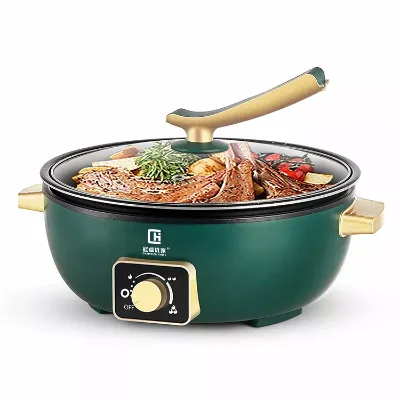


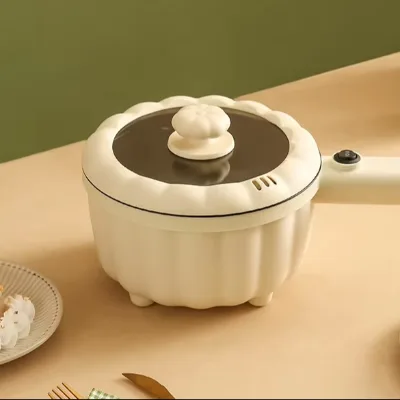
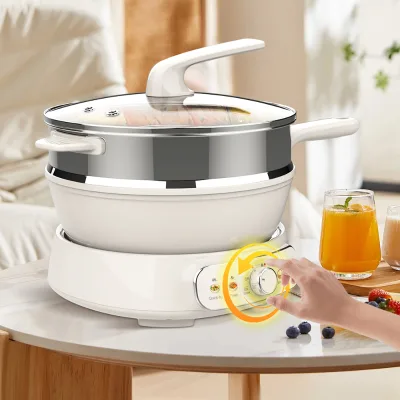
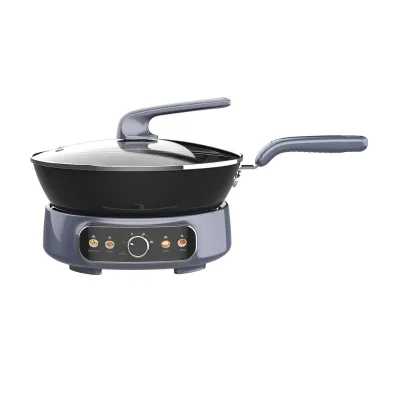
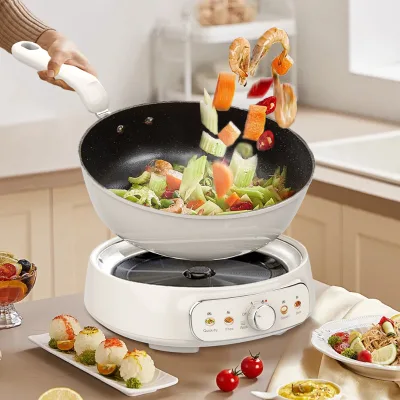
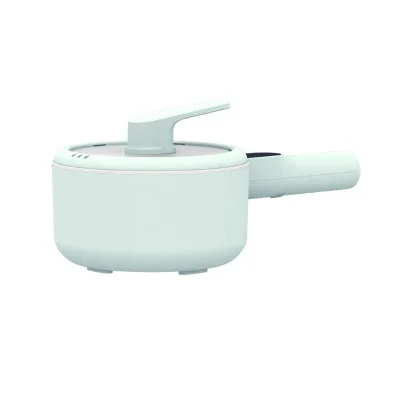
Easy Cleaning Multipurpose Adjustable Touch Control Portable Electric Pot
$13.22 - $16.32
MOQ: 1000 pieces


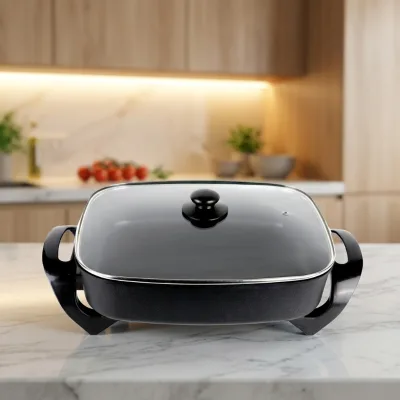
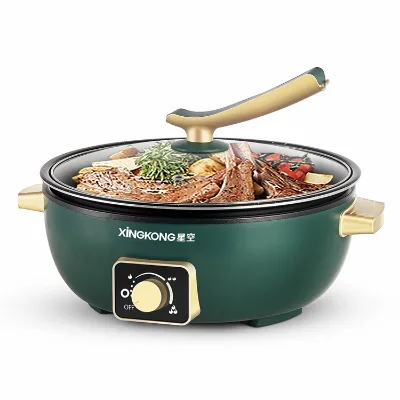
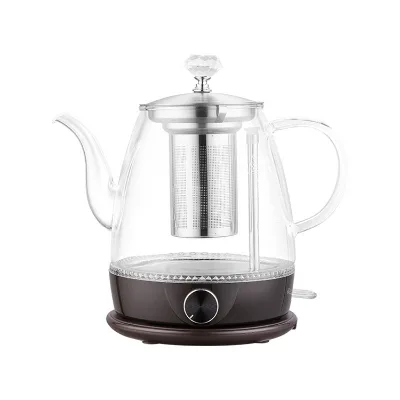


Factory Direct High Quality Ribbed Glass Electric Kettle Electric Cooker
$4.81 - $5.01
MOQ: 3000 Pieces


Wholesale High Quality Electric Glass Kettle with Fast Boiling Function
$2.58 - $2.78
MOQ: 3000 Pieces


Comprehensive Sourcing Guide
Strategic Sourcing Guide for Round Electric Skillets with Tempered Glass Covers
Understanding the Product Category and Core Specifications
The round electric skillet with a see-through tempered glass cover represents a specialized segment within the small kitchen appliance market, designed to offer the versatility of a stovetop pan with the convenience of an integrated heating element. When sourcing this specific item, buyers must first align their requirements with the observable technical attributes found in the current supply landscape. The defining physical characteristic of this category is the circular cooking surface, which distinguishes it from square or rectangular variants often marketed for different culinary applications. The inclusion of a tempered glass lid is a critical feature that allows users to monitor cooking progress without releasing heat or moisture, a function that directly impacts energy efficiency and food quality.
Based on the available product data, the structural composition of these units typically involves a combination of materials. The body material is frequently cited as stainless steel or aluminum alloy, each offering distinct thermal properties. Stainless steel variants provide durability and a premium aesthetic, while aluminum alloy bodies are often chosen for their superior heat conductivity and lighter weight. The cooking surface itself is almost universally treated with a non-stick coating, specifically PTFE (Polytetrafluoroethylene) in many observed listings, which facilitates easy cleaning and reduces the need for excessive cooking oils. The capacity of these units varies significantly, with observed ranges spanning from 2 liters to 4 liters, allowing buyers to select sizes appropriate for individual servings or family-sized meals.
The electrical specifications are equally critical for international procurement. The power ratings observed in the market range from 600 watts to 2000 watts, indicating a wide spectrum of heating capabilities. Lower wattage units, such as those rated at 600W, are suitable for slow cooking or warming, while higher wattage models reaching 1500W or 2000W are designed for rapid boiling and frying. Voltage standards also vary, with common configurations including 110-220V and specific regional standards like 220-240V. This variability necessitates careful verification of the plug type, which is observed to include AU, CN, EU, UK, and US configurations. Buyers must ensure that the selected model matches the electrical infrastructure of the destination market to prevent safety hazards or equipment failure.
Compliance, Certification, and Safety Standards
Navigating the regulatory landscape is a paramount responsibility for B2B buyers importing electric kitchen appliances. The safety and compliance of these devices are non-negotiable, as they involve direct interaction with electricity and food. The observed product data highlights several key certifications that serve as indicators of a supplier's adherence to international safety and material standards. These include CE (Conformité Européenne), UL (Underwriters Laboratories), FDA (Food and Drug Administration), and LFGB (German Food and Feed Code).
The presence of CE marking is essential for products intended for the European market, signifying that the appliance meets EU safety, health, and environmental protection requirements. For markets in North America, UL certification is a critical benchmark, verifying that the electrical components have been tested for fire and shock hazards. The FDA and LFGB certifications are particularly relevant regarding the materials used in the cooking vessel. These standards ensure that the non-stick coating, the tempered glass lid, and the body materials do not leach harmful substances into food during the cooking process. Buyers should explicitly request current, valid certificates for these standards from potential suppliers, as the presence of these marks on a product listing does not guarantee that the specific batch being ordered is compliant.
Voltage and frequency standards also play a role in compliance. The observed standard of 110-220V 50Hz suggests a degree of versatility, but buyers must verify the exact frequency (50Hz vs. 60Hz) compatibility for their target region. Mismatched frequencies can lead to motor failure in mechanical control units or inaccurate temperature regulation. Furthermore, the "1 Year" warranty observed in some listings indicates a baseline commitment to product longevity, but this should be treated as a variable term rather than a universal guarantee. Buyers must scrutinize the warranty terms to understand what constitutes a defect versus normal wear and tear, and whether the warranty covers the heating element, the control board, or the glass lid separately.
Cost Drivers and Pricing Dynamics
The pricing of round electric skillets with tempered glass covers is influenced by a complex interplay of material costs, manufacturing complexity, and certification requirements. The observed price range in the market spans from approximately 1.89 USD to 50 USD, a wide disparity that reflects differences in quality, brand positioning, and feature sets. At the lower end of this spectrum, products often utilize basic aluminum alloy bodies with standard PTFE coatings and mechanical controls. These units may lack advanced safety features or premium packaging, resulting in a lower cost of goods sold.
Conversely, the higher price points are typically associated with units featuring stainless steel bodies, which are more expensive to manufacture and offer greater durability. Models in this tier often include enhanced safety features, such as overheat protection, and may come with more robust packaging, such as a combination of a gift box and an export carton. The inclusion of a tempered glass lid, while a standard feature in this category, can vary in thickness and quality, impacting the final cost. Thicker, more durable glass that resists thermal shock commands a higher price.
The Minimum Order Quantity (MOQ) is another significant cost driver. The observed MOQ range spans from 12 units to 3000 units. Smaller MOQs, such as 12 units, are advantageous for buyers testing the market or those with limited storage capacity, but they often come with a higher unit cost due to the lack of economies of scale. Larger orders, approaching the 3000-unit threshold, allow suppliers to optimize production runs, potentially lowering the per-unit price. However, buyers must balance the cost savings against the financial risk of holding large inventory. Additionally, customization options, which are noted as available in the supply chain, will invariably increase the unit cost. Customization may involve branding, specific color schemes, or tailored packaging, all of which require additional setup and production time.
Typical Applications and Market Segmentation
The versatility of the round electric skillet with a tempered glass cover makes it suitable for a diverse range of applications, from residential households to commercial hospitality settings. The observed application data indicates usage in both "Hotel" and "Household" environments, suggesting that the product is designed to meet the demands of both professional chefs and home cooks. In a household setting, these skillets serve as multi-functional cooking appliances capable of baking, frying, grilling, boiling, slow cooking, and steaming. The ability to perform these varied functions in a single unit makes them attractive for space-constrained kitchens where users seek to minimize appliance clutter.
For the hospitality sector, the round electric skillet offers specific advantages. The see-through tempered glass cover allows kitchen staff to monitor the cooking status of multiple dishes simultaneously without opening the lid and losing heat, which is crucial for maintaining food quality and energy efficiency in a busy kitchen. The square and round shapes observed in the market cater to different culinary needs; the round shape is particularly well-suited for dishes that require even heat distribution around the perimeter, such as pancakes, stir-fries, and stews. The capacity range of 2 to 4 liters allows hotels to select units that match their service volume, from single-portion cooking to larger batch preparations.
The control type is another factor influencing application suitability. Mechanical control units, which are observed in the supply data, offer a simple, robust interface that is easy to operate and maintain. This makes them ideal for environments where ease of use is prioritized over digital precision. However, buyers should note that some models may lack a timing device, requiring the user to manually monitor cooking times. This limitation might be acceptable for experienced cooks but could be a drawback for users seeking automated cooking cycles. The operating language is typically English, which is standard for international markets, but buyers should verify if local language interfaces are required for specific regions.
Supplier Evaluation and Quality Control Protocols
Selecting the right supplier is critical to ensuring the reliability and safety of the sourced electric skillets. Buyers should prioritize suppliers who demonstrate transparency regarding their manufacturing processes and quality control measures. The "place of origin" for many of these products is identified as Guangdong, China, a region known for its robust manufacturing ecosystem. However, the presence of a specific location does not guarantee quality; buyers must conduct due diligence on the specific factory's capabilities. Key evaluation criteria should include the supplier's history of compliance with international standards, their capacity to handle custom orders, and their after-sales support structure.
Quality control should be a continuous process, not just a final inspection. Buyers should verify that the supplier conducts rigorous testing on the heating elements, the electrical safety of the cords and plugs, and the thermal shock resistance of the tempered glass lids. The "Free Spare Parts" service observed in some listings is a positive indicator of a supplier's confidence in their product durability, but buyers should clarify the scope of this service. Does it cover the heating element, the control board, or just the glass lid? Understanding the availability and lead time for spare parts is essential for maintaining product longevity.
When evaluating suppliers, buyers should also consider the packaging standards. The observed packaging types include "Gift Box + Carton" and "Color Box," which serve different purposes. Export cartons are designed for bulk shipping and protection during transit, while gift boxes are intended for retail presentation. The supplier's ability to provide both types of packaging indicates flexibility in meeting different market needs. Additionally, buyers should request samples to physically inspect the build quality, the fit of the glass lid, and the smoothness of the non-stick coating. The "Single gross weight" of 1.000 kg observed in some listings provides a benchmark for shipping cost calculations, but buyers must confirm if this weight is consistent across the entire production batch.
Long-Term Procurement Considerations and Sustainability
Sourcing round electric skillets with tempered glass covers requires a long-term perspective that extends beyond the initial purchase. Buyers must consider the lifecycle of the product, including its energy efficiency and end-of-life disposal. The observed "Class A" energy efficiency rating suggests that some models are designed to minimize electricity consumption, which is a growing concern for both commercial and residential users. Buyers should verify if this rating is consistent across the models they intend to purchase, as energy efficiency can vary significantly between different power ratings and control mechanisms.
Sustainability is another critical factor. The use of PTFE coatings, while effective for non-stick performance, raises environmental and health questions regarding their disposal and potential degradation at high temperatures. Buyers should inquire about the supplier's policies on material sourcing and whether they offer alternatives or improvements to traditional PTFE coatings. The "Private mold" status, observed as "No" in some listings, indicates that the supplier may be using standard molds rather than developing proprietary designs. This can be advantageous for buyers seeking lower costs and faster lead times, but it may limit differentiation in the market.
Finally, the warranty and after-sales service structure must be evaluated for long-term viability. A "1 Year" warranty is a common baseline, but buyers should assess the supplier's track record for honoring these warranties. The availability of "Free Spare Parts" is a strong indicator of a supplier's commitment to product support, but the logistics of obtaining these parts must be clear. Buyers should establish a clear communication channel with the supplier for handling defects and returns. By focusing on these long-term considerations, buyers can build a resilient supply chain that delivers value over time, rather than just meeting immediate procurement needs. The ability to customize the product, as noted in the available data, also offers a pathway for brands to differentiate themselves and build customer loyalty in a competitive market.
FAQs
What certifications are available for this product?
The product holds CE, UL, FDA, and LFGB certifications. These marks indicate compliance with international safety and food contact standards, ensuring the materials and electrical components meet regulatory requirements for global markets.
Which plug types are supported for this skillet?
The skillet supports AU, CN, EU, UK, and US plug types. Buyers must select the specific plug configuration that matches the electrical infrastructure of their destination country to ensure safe operation and compatibility.
Can I customize the packaging for this item?
Customization is available for this product. Suppliers can accommodate specific branding or packaging requirements, though this may affect the unit cost and production lead time depending on the complexity of the customization requested.
What is the capacity range for these skillets?
The capacity ranges from 2 liters to 4 liters. This variation allows buyers to select units suitable for individual servings or larger family meals, depending on the specific application requirements for their target market.
How does the body material affect performance?
The body is constructed from aluminum alloy or stainless steel. Aluminum alloy offers superior heat conductivity, while stainless steel provides durability and a premium aesthetic, allowing buyers to choose based on their quality priorities.
What is the minimum order quantity for this product?
The minimum order quantity ranges from 12 to 3000 units. Lower MOQs are suitable for market testing, while larger orders may offer better economies of scale, though the exact threshold depends on the specific supplier.