Source Round Detangling Hair Brush for Salon, Home, and Travel
Explore 30 options for the Round Detangling Hair Brush, featuring materials like plastic, wood, and ABS+Nylon. Compare specifications such as weight, size, and certifications including Reach and RoHS to find the right styling tool for your business needs; compare the available evidence and request quotations based on your requirements.
Key considerations
Products List


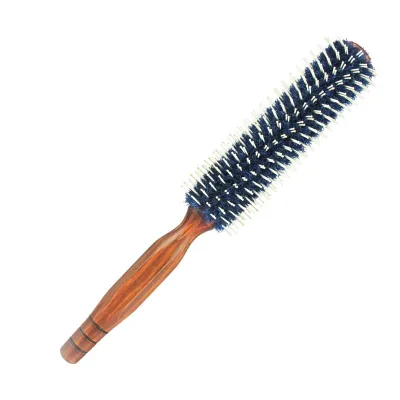
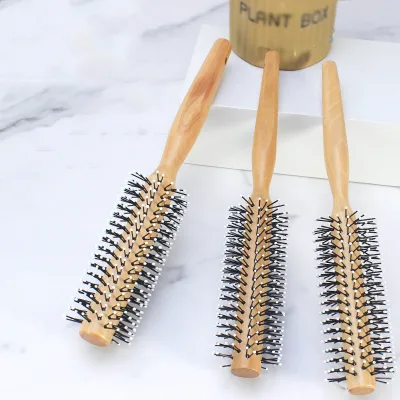


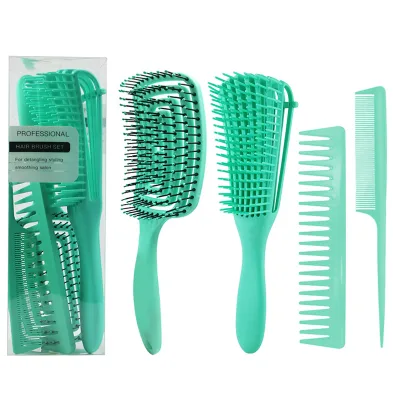


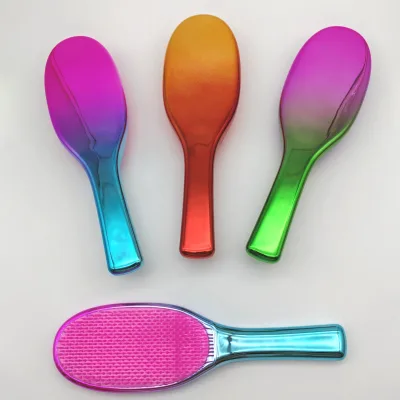


Comprehensive Sourcing Guide
Round Detangling Hair Brush Sourcing Guide
Sourcing round detangling hair brushes requires a careful balance of material science, ergonomic design, and manufacturing precision. These tools are essential for professional stylists and home users seeking to smooth, curl, or volumize hair during blow-drying sessions. The core function relies on the interaction between the brush barrel, bristle type, and handle grip. Buyers must understand that "round" refers to the barrel shape, which dictates the curl radius, while "detangling" implies specific bristle configurations designed to glide through knots without pulling. This guide outlines the critical verification steps for procurement teams to ensure product quality and supplier reliability.
The market offers a wide variety of options, from basic plastic models to premium wood-handled variants with specialized finishes. Procurement decisions should be driven by the target end-user, whether for salon professionals requiring durability or retail consumers prioritizing aesthetics and comfort. Key differentiators include the handle material, such as ABS plastic or wood, and the bristle composition, often a blend of nylon and natural materials. Understanding these distinctions helps in selecting the right product mix for specific market segments, ensuring that the sourced items meet both functional performance expectations and aesthetic standards required by the final consumer.
Product Scope and Observed Listing Signals
The observed product landscape includes a diverse range of hair care tools, with specific models like XYB5037 and XYB5012 representing common comb and styling brush categories. Listings indicate that suitable applications span travel, salon, home, and hotel environments, suggesting versatility in design and packaging. For instance, the XYB5037 is noted for its plastic construction and injection craft, while the XYB5012 features a rubber finish and soft touch, highlighting the importance of surface texture in user experience. These signals suggest that buyers should look for products that offer both functional durability and tactile comfort, as these attributes are frequently emphasized in successful listings.
Packing and standard dimensions vary significantly across the catalog, reflecting different use cases and shipping efficiencies. Models such as XYD5018 and BCS01-1 show packing options ranging from individual OPP bags to bulk cartons, indicating flexibility in supply chain logistics. The prod_standard for XYB5037 is listed as 237.5cm, while XYB5012 measures 186.5*3.5cm, demonstrating that size is a critical specification for storage and retail display. Buyers must verify these dimensions against their retail requirements, as larger brushes may appeal to professional stylists, while compact sizes are preferred for travel kits or gift sets.
Technical Specifications to Verify
Material selection is a primary technical consideration, with options including plastic, ABS, nylon, and wood. The XYB3044 model, for example, features a wood handle, offering a premium feel and aesthetic appeal, whereas the BCS01 model utilizes ABS and nylon for durability and cost-effectiveness. Buyers should verify the specific material composition to ensure it aligns with brand positioning and regulatory requirements. Additionally, the craft of manufacturing, such as injection molding or rubber finishing, impacts the product's longevity and finish quality. It is crucial to confirm that the chosen material can withstand repeated exposure to heat and moisture, which are common in hair styling environments.
Bristle and pin features are equally important for performance. The XYH5079 model highlights pins with anti-static and heat-resistant properties, which are essential for preventing hair damage during blow-drying. Buyers must verify the bristle type, such as curly styling hair brush configurations, to ensure effective detangling and styling capabilities. Furthermore, weight specifications, such as the 85g weight with hole for model #8586 or the 59g weight for another variant, influence user comfort during extended use. Lighter brushes may be preferred for travel, while heavier, balanced brushes might be favored by professionals for better control and precision during styling sessions.
Compliance and Safety Documentation
Regulatory compliance is non-negotiable for hair care tools entering international markets. Certifications such as Reach and RoHS are critical for ensuring that materials do not contain harmful substances, particularly in products that come into direct contact with the skin and hair. Buyers must request valid certification documents from suppliers to verify adherence to these standards. The presence of such certifications not only mitigates legal risks but also enhances brand credibility, as consumers are increasingly aware of product safety and environmental impact. It is advisable to confirm that the certifications are up-to-date and issued by recognized testing bodies.
Beyond material safety, functional safety features must be documented and verified. Heat resistance is a key attribute, especially for brushes used with hot air tools. Buyers should ensure that the product specifications explicitly state heat-resistant properties, as seen in the XYH5079 model. Additionally, anti-static features contribute to user satisfaction by reducing frizz and improving styling results. Documentation should also include any relevant safety test results, such as flammability or durability tests, to ensure the product meets industry safety norms. This thorough verification process helps in avoiding product recalls and maintaining customer trust.
Cost Drivers and Commercial Terms
Pricing in the hair brush market is influenced by material costs, manufacturing complexity, and order volume. The observed price range of 0.31 to 20 USD reflects this variability, with basic plastic models at the lower end and premium wood-handled or specialized finish brushes at the higher end. Buyers should analyze the cost structure to understand the value proposition of each product. For instance, the injection craft used in models like XYB5037 may offer lower production costs compared to the rubber finish and soft touch of XYB5012. Understanding these cost drivers helps in negotiating better prices and selecting products that offer the best margin potential.
Minimum Order Quantities (MOQ) and lead times are critical commercial terms that impact inventory management and cash flow. The observed MOQ range of 1 to 5000 units allows for flexibility, catering to both small retailers and large distributors. Buyers should align their order quantities with their sales forecasts to avoid excess inventory or stockouts. Additionally, production times, such as the 20-30 days noted for some models, must be factored into the supply chain planning. Sample times of 3-7 days provide an opportunity for quality assessment before committing to large orders. Clear communication of these terms ensures a smooth procurement process and minimizes disruptions.
Supplier Qualification and Quality Control
Supplier qualification is the foundation of a reliable supply chain. Buyers should verify the supplier's origin, such as Zhejiang or Guangzhou, which are known manufacturing hubs for hair care products. These regions often have established ecosystems for plastic injection molding and wood processing, ensuring consistent quality and competitive pricing. It is essential to conduct due diligence on the supplier's production capabilities, including their factory audits and quality management systems. Suppliers with a history of exporting to reputable markets are likely to have more robust quality control processes in place.
Quality control measures must be implemented at every stage of production. Buyers should request samples to evaluate the product's finish, weight, and functionality before placing bulk orders. The prod_packing specifications, such as export cartons or individual polybags, should be verified to ensure they protect the product during transit. Additionally, inspecting the pins and bristles for uniformity and secure attachment is crucial to prevent defects. Establishing clear quality standards and conducting pre-shipment inspections helps in maintaining product consistency and reducing the risk of customer complaints. A proactive approach to quality control ensures long-term supplier relationships and customer satisfaction.
Long-Term Procurement Checks
Continuous monitoring of supplier performance is essential for maintaining product quality and service levels. Buyers should track key performance indicators such as on-time delivery, defect rates, and responsiveness to issues. Regular communication with suppliers helps in addressing any emerging problems promptly and fostering a collaborative relationship. It is also important to stay updated on market trends and consumer preferences, which may influence product design and feature requirements. Adapting to these changes ensures that the sourced products remain relevant and competitive in the market.
Sustainability and ethical sourcing are increasingly important considerations for long-term procurement strategies. Buyers should inquire about the supplier's environmental practices, such as the use of recyclable materials or energy-efficient manufacturing processes. Certifications like RoHS not only ensure safety but also align with sustainability goals. Additionally, verifying the supplier's labor practices and ethical standards contributes to responsible sourcing. By integrating these considerations into the procurement process, buyers can build a resilient and ethical supply chain that meets the evolving expectations of consumers and regulators alike.
FAQs
What materials are used for round detangling hair brushes?
Most round detangling hair brushes use plastic for the main body and nylon for the bristles. Some models feature wooden handles for a premium feel. The materials are selected to ensure durability and effective styling while remaining safe for regular salon and home use.
Can I customize the finish of these hair brushes?
Yes, customization is available for various finishes including injection, rubber, and soft touch options. Buyers can request specific surface treatments to match brand requirements. This flexibility allows for unique product differentiation in the competitive beauty tool market.
What are the standard dimensions for these hair brushes?
Standard dimensions vary by model, with common sizes ranging from 14cm to 27cm in length. Specific models measure approximately 23cm by 7.5cm or 27cm by 10cm. These sizes are designed to accommodate different hair types and styling needs effectively.
How long does production take for custom orders?
Production typically requires 20 to 30 days after sample approval. Sample preparation takes about 3 to 7 days for initial review. This timeline ensures quality control while meeting standard lead time expectations for bulk manufacturing orders in the region.
Which certifications do these hair brushes hold?
Products often carry Reach and RoHS certifications to ensure safety and compliance. These standards verify that materials are free from harmful substances. Such certifications are essential for exporting to international markets and meeting regulatory requirements for beauty tools.
What is the minimum order quantity for these brushes?
Minimum order quantities range from 1 to 5000 pieces depending on the supplier and model. Flexible MOQs allow buyers to test the market with smaller batches. Larger orders typically benefit from better pricing tiers and more efficient shipping arrangements.
Where are these hair brushes manufactured?
Manufacturing primarily occurs in Zhejiang and Guangzhou, China. These regions are known for their established plastic molding and brush production capabilities. The location ensures access to a robust supply chain and efficient logistics for global distribution.