Source Round Head Pex Crimp Fittings for Plumbing, Water Supply, and Heating
Find Round Head Pex Crimp Fittings for plumbing, water supply, and heating systems. Compare 30 listings from Chinese manufacturers to evaluate brass and stainless steel options, pressure ratings, and customization support for your project needs.
Key considerations
Products List

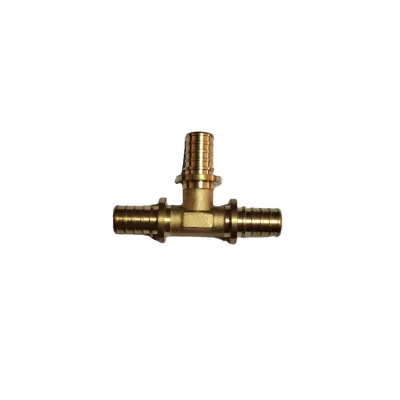


Pex Stainless Steel Single Ear Hose Clamps Crimping Pipe Fitting Clamps Rings
$0.01 - $0.03
MOQ: 2000 Pieces


High-Quality 304 Stainless Steel Pex Crimp Rings, Pex Pipe Fitting Clamp Rings
$0.01 - $0.05
MOQ: 2000 Pieces

Pex Crimp Rings 3/4 Inch Pex Cinch Clamps Rings Pinch Clamps Single Ear Hose Clamps
$0.03 - $0.08
MOQ: 1000 Pieces


Comprehensive Sourcing Guide
Strategic Sourcing Guide for Round Head Pex Crimp Fittings
Understanding Product Definitions and Core Attributes
When initiating a procurement search for "Round Head Pex Crimp Fittings," buyers must first distinguish between the specific hardware components and the broader category of plumbing accessories. The core keyword implies a connection device designed for cross-linked polyethylene (PEX) tubing, featuring a distinct round head geometry, likely referring to the crimp ring or the fitting body design that accommodates the crimping tool. Based on available market data, the term "round head" often correlates with specific head codes such as "Hexagon" or "Round" found in product specifications for pipe fittings. It is critical to recognize that the supply chain for these components is diverse, ranging from brass-forged valves to stainless steel clamps and PEX-specific tubing solutions.
The observed product landscape includes items explicitly labeled as "Pipe Fitting" with a "Round" head type, alongside "Hose Clamps" and "Pex Clamp" variants. The material composition is a primary differentiator. While some listings indicate "Brass" (specifically H58-3 brass) for valve components like Bibcocks, other entries specify "Stainless Steel" for clamping mechanisms and "PEX" or "Thermosetting Plastic" for the tubing itself. Buyers must verify if the "round head" refers to the crimp ring material (often stainless steel) or the fitting body (often brass or copper alloy). The connection type is predominantly threaded, with "Male" and "Female" ends specified, utilizing BSP, BSPT, or NPT standards. The "G Clamp" structure mentioned in some data points suggests a specific mechanical fastening method that may be relevant for securing the PEX tubing to the fitting.
Technical Specifications and Material Compatibility
Technical due diligence is paramount when sourcing PEX crimp fittings, as the integrity of the plumbing system relies on the compatibility between the fitting, the crimp ring, and the tubing. The supplied data highlights a material range including Brass, Stainless Steel, and PEX. For the fitting body, H58-3 brass is a noted standard, which implies a specific copper-zinc alloy composition suitable for water applications. However, for the crimping rings or clamps themselves, Stainless Steel is frequently cited, offering corrosion resistance essential for long-term durability in wet environments.
The specification "16/20/26/32" likely refers to the metric diameters of the PEX tubing these fittings accommodate, aligning with the "16mm" standard also observed in the data. Buyers should verify that the "round head" component matches the specific tubing diameter required for their project. The "Medium Temperature" and "Medium Pressure" ratings found in product attributes indicate that these fittings are designed for standard residential or light commercial water supply systems, rather than high-pressure industrial steam or extreme temperature applications. The "Hollow" and "Hard Tube" attributes suggest the fittings are intended for rigid or semi-rigid tubing applications, where the structural integrity of the connection is maintained through mechanical compression rather than solvent welding.
Furthermore, the "Thread Type" is listed as "Male" with "Female" connectivity, indicating a threaded interface for the fitting body. This is crucial for connecting the PEX line to existing plumbing infrastructure, such as faucets, valves, or manifold systems. The "Reducing" shape attribute suggests that some fittings in this category are designed to transition between different pipe diameters, a common requirement in retrofitting or complex piping layouts. The "Hexagon" head code implies that the fitting or the crimp ring may require a specific tool for installation, ensuring a secure mechanical lock.
Compliance, Standards, and Certification Verification
Navigating the compliance landscape for PEX fittings requires careful verification against both international and regional standards. While the supplied text references "Standard" and "H58-3 brass with (G, Rc, RP) BSP, BSPT, NPT," it also lists background standards such as ASTM F876, ASTM F1807, and ASTM 876/877. Buyers must understand that the presence of these standard names in background data does not automatically certify that every listed product meets them. Instead, these represent the industry benchmarks that a compliant product should satisfy.
ASTM F876 and F1807 are critical standards for PEX tubing and fittings, covering dimensions, pressure ratings, and material properties. ASTM F877 typically relates to PEX tubing for water distribution. When evaluating a supplier, procurement teams must request specific test reports or certificates of compliance that explicitly reference these ASTM standards for the specific batch of fittings being purchased. The "Standard" attribute in the product data is often a generic placeholder; the actual certification status must be confirmed through documentation.
Additionally, the "prod_standard" field listing "22x41x22cm" appears to describe packaging dimensions rather than a technical product standard. Buyers should not confuse packaging specifications with material or performance standards. The "H58-3 brass" designation is a material standard, but it does not guarantee compliance with lead-free regulations, which are increasingly mandatory in many jurisdictions for potable water applications. Therefore, verifying lead content compliance (such as NSF/ANSI 61 or local equivalents) is a necessary step that goes beyond the basic material description provided in general listings.
Cost Drivers and Pricing Dynamics
The pricing structure for Round Head Pex Crimp Fittings is influenced by several key factors, including material composition, manufacturing technique, and order volume. The observed price range of $0.01 to $5.00 USD reflects the vast difference between a single crimp ring and a complete valve assembly or a bulk pallet of fittings. The "Forged" technique mentioned in the data suggests a manufacturing process that adds value through improved grain structure and strength, potentially justifying a higher price point compared to cast alternatives.
Material costs are a primary driver. Stainless steel components generally command a premium over brass or plastic due to raw material costs and processing complexity. The "Customization" and "OEM" support attributes indicate that bespoke designs or private labeling will incur additional costs. Buyers should anticipate that standard, off-the-shelf items will fall within the lower end of the price spectrum, while custom-threaded or specialized diameter fittings will be priced higher.
The Minimum Order Quantity (MOQ) ranges from 50 to 10,000 units, significantly impacting the unit cost. Smaller orders (50-100 units) typically carry a higher per-unit price due to setup and handling costs. Conversely, bulk purchases approaching the 10,000-unit threshold often benefit from economies of scale. The "Packaging" method, whether "Carton Box," "Pallet," or "Brown Cartons," also affects logistics costs. Palletized shipping is more efficient for large orders but requires more upfront capital. Buyers must balance the MOQ requirements against their storage capacity and cash flow to optimize the total cost of ownership.
Typical Applications and Usage Scenarios
The versatility of Round Head Pex Crimp Fittings makes them suitable for a wide array of applications, primarily centered around water distribution systems. The "Usage" attributes explicitly list "Floor," "Bathtub," "Basin," and "Sink," indicating their prevalence in residential bathroom and kitchen installations. These fittings are essential for connecting PEX tubing to fixtures, ensuring a leak-free seal that can withstand the thermal expansion and contraction of the plastic tubing.
Beyond residential plumbing, the "Application" data mentions "Automotive/Cars/Trucks/Marine," suggesting that similar clamping technologies or fittings are adapted for fluid transfer in vehicles and marine vessels. In these contexts, the "Medium Pressure" and "Medium Temperature" ratings are critical, as these environments often involve vibration and varying thermal conditions. The "Water Oil Gas" media compatibility indicates that while primarily designed for water, the material properties may allow for use in other fluid transfer scenarios, provided the chemical compatibility is verified.
The "Pipe Clamp" and "G Clamp" structures are particularly relevant for securing PEX tubing to studs or joists, preventing movement and reducing stress on the connections. The "Transparent" color attribute for PEX tubing suggests specific visibility requirements, perhaps for inspection purposes or aesthetic integration in exposed piping systems. The "3 years" warranty mentioned in the data provides a baseline expectation for product reliability, though buyers should confirm if this warranty covers installation errors or material defects specifically.
Supplier Evaluation and Quality Control Protocols
Selecting a reliable supplier for PEX crimp fittings requires a rigorous evaluation process that extends beyond the initial product listing. The "Place of Origin" data points to "Zhejiang, China" and "Taizhou," regions known for manufacturing hardware and plumbing components. While these locations indicate a high concentration of suppliers, buyers must verify the specific factory capabilities and quality management systems. The "Condition: New" and "100% New Mataerial" claims are standard but must be substantiated with material certificates.
Quality control should focus on the "Forged" technique and the precision of the "Thread Type." Visual inspection of the "Hexagon" or "Round" head for casting defects, burrs, or uneven surfaces is essential. Buyers should request samples to test the fitment with their specific PEX tubing brands, as tolerances can vary between manufacturers. The "Free Sample" availability mentioned in the data is a valuable resource for this verification process.
Supplier reliability is further assessed through their "Customization" and "OEM" capabilities. A supplier that supports OEM orders demonstrates flexibility and a commitment to meeting specific client requirements. The "Warranty" period of 3 years is a positive indicator, but buyers should review the terms to understand what is covered. Additionally, the "Packaging" quality, described as "Carton Box/Pallet" or "Brown Cartons," must be sufficient to prevent damage during transit, especially for threaded components that could be dented or corroded if exposed to moisture.
Long-Term Procurement and Supply Chain Considerations
Sourcing Round Head Pex Crimp Fittings is not merely a transactional purchase but a strategic decision that impacts long-term project success. The "Lead Time" and "MOQ" constraints must be integrated into the project schedule. With an MOQ range of 50 to 10,000, buyers must forecast their needs accurately to avoid stockouts or excessive inventory. The "3 years" warranty suggests a product lifespan that should align with the expected service life of the plumbing system, but regular inspections are still necessary.
Supply chain resilience is enhanced by diversifying suppliers and verifying their "Origin" stability. The "Zhejiang" and "Taizhou" regions are hubs, but geopolitical or logistical disruptions can affect lead times. Buyers should establish clear communication channels regarding "Customization" requests and "Sample" availability to ensure that any design changes or quality issues are addressed promptly. The "Standard" compliance, particularly regarding ASTM and local plumbing codes, must be maintained throughout the procurement lifecycle to avoid regulatory non-compliance.
Finally, the "Technical" support offered by the supplier, such as guidance on "Forged" vs. "Cast" fittings or proper crimping techniques, adds significant value. A supplier that provides detailed installation manuals and technical data sheets helps ensure that the fittings are installed correctly, maximizing the system's longevity. By focusing on these long-term factors, buyers can secure a reliable supply of high-quality PEX crimp fittings that meet both immediate project needs and future maintenance requirements.
Comparative Analysis of Fitting Types
To assist buyers in making informed decisions, the following table summarizes the key attributes observed in the market for Round Head Pex Crimp Fittings and related components. This comparison highlights the distinctions between material types, connection methods, and intended applications.
| Attribute | Brass Bibcock/Valve | Stainless Steel Clamp | PEX Tubing/Fitting |
|---|---|---|---|
| Primary Material | Brass (H58-3) | Stainless Steel | PEX (Thermosetting Plastic) |
| Head Type | Hexagon | Round / G Clamp | N/A (Tubing) |
| Connection | Male/Female Thread | Crimp/Clamp | Crimp/Press |
| Standard | BSP, BSPT, NPT | ASTM F876/F1807 | ASTM F876/F1807 |
| Usage | Floor, Bathtub, Sink | Pipe Clamp, Automotive | Water Supply Pipe |
| Pressure | Medium | Medium | Medium |
| Temperature | Medium | Medium | Medium |
| Origin | Zhejiang, China | China | China |
This table underscores the importance of matching the specific component to the system requirements. While the "Brass" fittings are ideal for valve connections, the "Stainless Steel" clamps are essential for securing the tubing, and the "PEX" material defines the tubing itself. Understanding these distinctions ensures that the procurement strategy addresses the entire system rather than isolated parts.
FAQs
What materials are used for Round Head Pex Crimp Fittings?
Round Head Pex Crimp Fittings are primarily made from brass, stainless steel, or PEX thermosetting plastic. Brass variants often use H58-3 alloy, while clamps may be stainless steel. Buyers must verify the specific material matches their tubing and pressure requirements before purchase.
Which thread types are available for these pipe fittings?
These fittings typically feature male thread types with female connectivity options. Common standards include G, Rc, RP, BSP, BSPT, and NPT threads. The specific thread type depends on the model size, such as 16mm, 20mm, 26mm, or 32mm, ensuring compatibility with existing plumbing infrastructure.
Can I get custom OEM support for these fittings?
Yes, customization and OEM support are available for these pipe fittings. Suppliers offer tailored solutions including specific thread types and branding. Buyers should confirm lead times and minimum order quantities, which range from 50 to 10,000 units, when requesting custom manufacturing services.
What is the typical warranty period for these products?
The standard warranty period for these fittings is three years. This coverage applies to new condition products sourced from manufacturers in Zhejiang, China. Buyers should verify if the warranty covers material defects or installation errors before finalizing bulk orders.
How are these fittings packaged for shipping?
Fittings are packaged in carton boxes, brown cartons, or on pallets depending on order volume. Standard packaging dimensions may include 22x41x22cm for individual cartons. Palletized shipping is recommended for larger orders to ensure protection during transit from the place of origin.
What pressure and temperature ratings do these fittings support?
These fittings are rated for medium pressure and medium temperature applications. They are suitable for water supply systems in residential settings like bathtubs and basins. The specific pressure rating is often 10 bar at 95 degrees Celsius for PEX tubing connections.