Find Round Oval Bicycle Chain Ring for Road, Mountain, and Kids Bikes
Source 30 verified listings for Round Oval Bicycle Chain Ring options suitable for ordinary, road, mountain, and kids bicycles. Buyers can compare specifications like material, crank length, and customization availability across different models and suppliers.
Key considerations
Products List


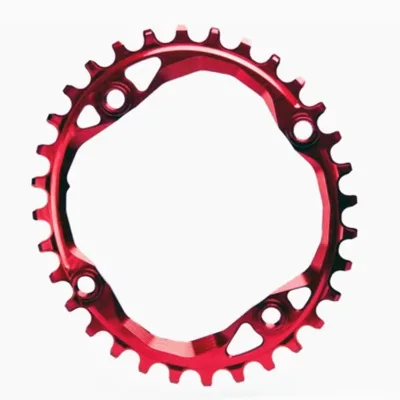


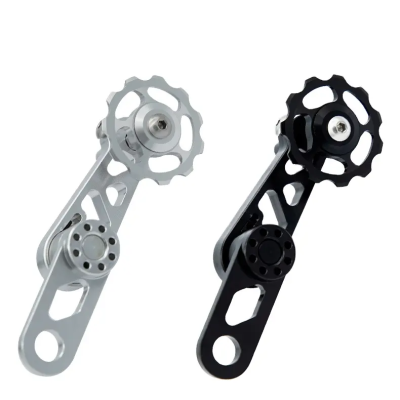


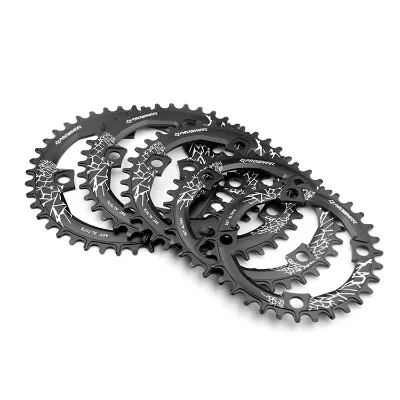


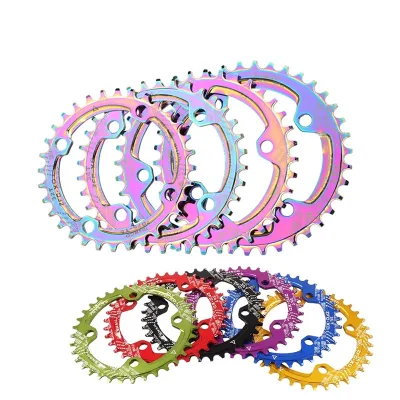
Comprehensive Sourcing Guide
Strategic Sourcing Guide for Round and Oval Bicycle Chain Rings
Understanding Technical Specifications and Variability
When sourcing round and oval bicycle chain rings, buyers must first recognize that these components are not monolithic items but rather a diverse category defined by specific mechanical interfaces and material properties. The primary technical differentiator lies in the chainring shape itself, which influences power transfer efficiency and rider cadence. While round chainrings offer consistent torque delivery, oval variants are engineered to optimize the pedal stroke by varying the effective gear ratio throughout the rotation. In the current market, specifications vary significantly across suppliers, requiring precise verification of dimensions before placing orders.
Key technical attributes observed in available listings include crank lengths ranging from 89mm to 175mm, with specific models offering lengths of 165mm, 170mm, and 175mm. These dimensions are critical for ensuring compatibility with the bicycle's bottom bracket and crankset architecture. Furthermore, the application scope is broad, covering ordinary bicycles, road bikes, mountain bikes, and kids' bikes. This versatility implies that a single supplier may offer a wide range of tooth counts and bolt circle diameters (BCD), necessitating a detailed review of the product model numbers to ensure the specific chainring matches the intended bicycle frame.
Material composition is another critical technical factor. Listings indicate the availability of chain rings in both steel and aluminum. Steel variants are typically chosen for their durability and cost-effectiveness, often found in entry-level or heavy-duty applications. Conversely, aluminum options are generally preferred for road and performance-oriented bicycles due to their lower weight and corrosion resistance. The surface treatment process, identified as ED (Electroplating or similar surface finishing), plays a vital role in the component's longevity and aesthetic finish. Buyers should verify the specific surface treatment method to ensure it meets the environmental and wear requirements of the target market.
Compliance, Certification, and Standardization
Navigating the regulatory landscape for bicycle components requires a clear understanding of the certifications and standards that govern the industry. In the context of sourcing chain rings, compliance is often tied to the manufacturer's adherence to international quality management systems. A prominent certification observed in the market is ISOCE, which suggests a commitment to standardized manufacturing processes. Additionally, some product listings reference a certification status of "ISOCondition:New," indicating that the products are manufactured under ISO standards and are in new condition, though the specific ISO standard number (e.g., ISO 9001) should be explicitly requested from the supplier for verification.
Standardization extends beyond certifications to the physical dimensions and packaging of the goods. Product standards are often defined by the packaging dimensions, with observed specifications including 452725 and 423422cm. These dimensions are essential for logistics planning and cost estimation, as they directly impact shipping volume and freight charges. Furthermore, the origin of the products is a significant factor in compliance. Most available listings indicate an origin in Hebei, China, or generally China. Buyers must ensure that products originating from these regions meet the import regulations and safety standards of their destination country, particularly regarding material safety and environmental restrictions.
The "prod_standard" field often lists various configurations, suggesting that while the core product meets general industry expectations, specific customizations may alter the standard compliance profile. For instance, custom logos or specific color requirements (such as yellow or any custom color) must be verified to ensure they do not violate local advertising or safety labeling laws. Buyers should request copies of the actual certification documents and test reports to confirm that the "ISOCE" or "ISOCondition:New" claims are backed by valid, current documentation from an accredited body.
Cost Drivers and Pricing Dynamics
The pricing structure for bicycle chain rings is influenced by a complex interplay of material costs, customization levels, and order volume. The observed price range in the market spans from $0.09 to $15.63 USD, a wide disparity that reflects the difference between basic steel components and high-performance aluminum or custom-finished units. Several key factors drive these costs. Material selection is the primary driver; aluminum chain rings typically command a higher price point than steel equivalents due to the raw material cost and the more complex machining processes required.
Customization is another significant cost variable. Listings indicate that customization is available, with options for OEM logos, custom colors, and specific packaging requirements. These value-added services inevitably increase the unit cost. For example, a standard yellow chain ring will be priced differently from one requiring a specific custom color or a branded logo application. The "Price Terms" observed, including FOB, CIF, CNF, and EXW, also affect the final landed cost. Buyers must calculate the total cost of ownership, which includes not just the unit price but also freight, insurance, and duties, depending on the chosen Incoterm.
Order volume plays a crucial role in pricing, with Minimum Order Quantities (MOQ) ranging from 1 to 5000 sets. While some suppliers offer low MOQs of 300 sets, others may require higher volumes to achieve the lower end of the price spectrum. The "Cheap Price" attribute found in some listings suggests competitive pricing strategies, but buyers should be cautious of quality trade-offs. The "Factory Directly Sale" style indicates a potential for reduced margins, but this benefit is often contingent on meeting the supplier's volume thresholds. Buyers should request tiered pricing schedules to understand how increasing order quantities impacts the per-unit cost and to negotiate effectively based on projected demand.
Typical Applications and Market Segmentation
Bicycle chain rings serve a wide array of applications, and understanding the specific market segment is essential for selecting the right product. The observed applications include ordinary bicycles, road bikes, mountain bikes, and kids' bikes. Each segment has distinct requirements regarding durability, weight, and aesthetic appeal. For ordinary and road bikes, the focus is often on performance and weight reduction, making aluminum chain rings with ED surface treatments a preferred choice. These components must withstand high cadence and variable terrain while maintaining a sleek appearance.
Mountain bike applications demand higher durability and resistance to impact and abrasion. Steel chain rings may be more suitable for this segment due to their robustness, although high-grade aluminum options are also common. The "Kids Bike" segment introduces unique requirements, such as smaller sizes and specific color preferences. Listings note that chain rings for kids' bikes and toys often come in yellow or any custom color, with plastic clamps used in some configurations. This indicates a need for vibrant aesthetics and safety features suitable for younger riders.
The "Type" of chain ring, categorized as "Cotterpin and Cotterless," further defines the application. Cotterless systems are the modern standard for most road and mountain bikes, offering easier installation and maintenance. Cotterpin systems are less common but may still be found in vintage or specific utility bicycle applications. Buyers must align the chain ring type with the bicycle's crankset design to ensure compatibility. Additionally, the "Speed" attribute, listed as "Single Speed," highlights a niche market for fixed-gear or single-speed bicycles, which require chain rings with specific tooth profiles and material properties to handle the unique stress of single-speed drivetrains.
Supplier Evaluation and Operational Reliability
Evaluating suppliers for bicycle chain rings requires a holistic approach that goes beyond price and specifications. The observed lead times provide a baseline for operational planning, with delivery times ranging from 10 to 25 days after deposit receipt for some products, and 15 days for others. These timelines are critical for inventory management and supply chain planning. Buyers should verify the consistency of these lead times by requesting historical performance data or references from other clients.
The "MOQ" of 300 sets is a common threshold, but buyers should be prepared for suppliers with varying minimums. A supplier offering an MOQ of 1 may be suitable for prototyping or small-batch testing, while those requiring 5000 sets are better suited for large-scale distribution. The "Package" details, such as "Cartons 25sets/Carton" or "Cartons and Box," are vital for assessing the supplier's ability to handle logistics efficiently. Standardized packaging reduces the risk of damage during transit and simplifies inventory counting upon arrival.
Supplier reliability is also indicated by their flexibility in customization and communication. The availability of OEM logos and custom colors suggests a willingness to adapt to buyer needs. However, buyers should verify the supplier's capacity to maintain quality during customization processes. The "Product Name" and "Feature" attributes, such as "High Quality" and "Factory Directly Sale," are marketing claims that should be substantiated through sample testing and site audits. Buyers should prioritize suppliers who provide transparent information about their production processes and quality control measures.
Quality Control and Long-Term Procurement Strategy
Implementing a robust quality control (QC) strategy is essential for mitigating risks associated with sourcing bicycle chain rings. Given the wide range of materials and finishes, buyers should establish clear acceptance criteria for material composition, surface treatment, and dimensional accuracy. The "Condition: New" attribute is a baseline requirement, but buyers must verify that the products are free from defects such as burrs, uneven plating, or structural weaknesses. Requesting pre-shipment inspection reports or third-party QC services can provide an additional layer of assurance.
Long-term procurement considerations involve building a sustainable relationship with suppliers who can scale with the buyer's growth. The "Customized" attribute and the availability of various models (e.g., new-137, new-134, new-159, 9510, 010, 7A3974) suggest that suppliers have diverse product lines. Buyers should assess the supplier's ability to maintain consistency across different models and over time. The "Index or Not: by Customized" attribute indicates that some products may require specific indexing or alignment, which must be verified during the sampling phase.
Furthermore, buyers should consider the environmental impact of their procurement choices. The use of steel and aluminum, along with surface treatments like ED, has implications for sustainability. Suppliers who can provide information on the recyclability of their materials and the environmental compliance of their manufacturing processes will be better positioned for long-term partnerships. Finally, maintaining open communication channels and regular performance reviews will help ensure that the supply chain remains resilient and responsive to market changes. By focusing on these strategic elements, buyers can secure a reliable supply of high-quality round and oval bicycle chain rings that meet their specific operational and commercial needs.
FAQs
What materials are available for round oval bicycle chain rings?
Available materials include steel and aluminum options. Steel is often chosen for durability in ordinary and mountain bikes, while aluminum suits road bikes for weight reduction. Surface treatments like ED are common for both types.
Can I get custom logos on these chain rings?
Yes, customization is available including OEM logos. Buyers can request specific colors like yellow or any custom shade. Packaging can also be tailored to meet specific requirements beyond standard cartons.
What is the typical delivery time for these products?
Delivery times range from 10 to 25 days after deposit receipt. Some specific listings indicate a 15-day lead time. These timelines depend on the specific model and order confirmation status.
Which certifications apply to these bicycle chain rings?
Products often carry ISOCE certification or are marked as ISOCondition:New. This indicates adherence to standardized manufacturing processes. Buyers should verify specific certification documents to ensure compliance with local regulations.
What are the minimum order quantities for sourcing these items?
Minimum order quantities vary from 1 to 5000 sets. A common threshold observed is 300 sets per order. Lower MOQs allow for testing, while higher volumes may secure better pricing tiers.
How are these chain rings packaged for shipping?
Standard packaging includes cartons containing 25 sets per carton. Some listings offer cartons and boxes or standard packaging according to buyer needs. Dimensions like 45*27*25cm are used for logistics planning.
Which bicycle types are compatible with these chain rings?
These rings fit ordinary bicycles, road bikes, mountain bikes, and kids bikes. Specific models may be designed for single-speed applications or toys. Compatibility depends on the crank length and bolt circle diameter.