Source Stainless Steel Cross Pendant Necklace for Fashion, Religious, and Decoration
Explore 30 listings for the Stainless Steel Cross Pendant Necklace with options in gold, silver, and black plating. Buyers can compare customization, models like NC110, and packaging types to find suitable pieces for fashion, religious, and decoration uses.
Key considerations
Products List


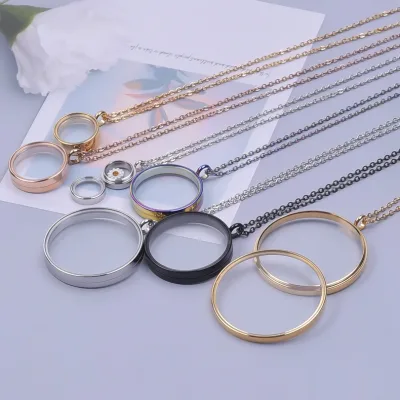


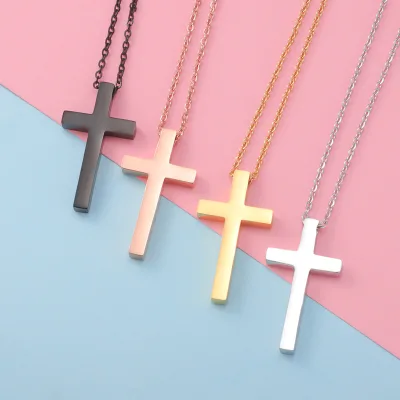
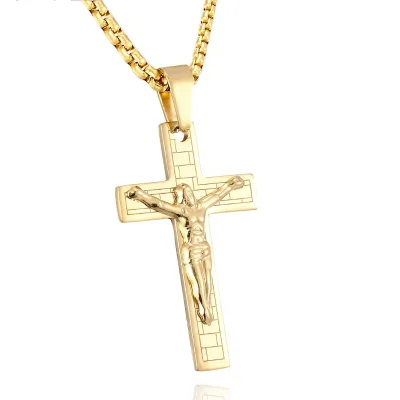
Comprehensive Sourcing Guide
Strategic Sourcing Guide for Stainless Steel Cross Pendant Necklaces
Understanding Product Attributes and Material Integrity
When sourcing stainless steel cross pendant necklaces, the primary objective is to verify that the material composition and physical attributes align with the intended application, whether for religious devotion, fashion accessories, or promotional giveaways. Based on observed market data, the core material for these items is consistently identified as stainless steel, a choice driven by its resistance to corrosion, durability, and hypoallergenic properties. This material selection is critical for products intended for long-term wear, particularly for items marked with a "No" oxidation status, ensuring the finish remains intact over time.
The aesthetic presentation of the pendant is defined by specific plating and color attributes. Buyers will encounter listings where the plating is specified as Gold, Silver, or Black. The manufacturing process often involves a combination of casting and polishing, with some variants featuring plated black finishes or gold plating over a polished base. The cross shape is the dominant design element, though some listings also categorize similar items under "Charm" shapes, suggesting versatility in design interpretation. Color variations observed include Green, Black, and Silver, allowing for a diverse product range that caters to different style preferences ranging from "Fashion" to "Elegant."
The target demographic for these necklaces is broad, with product specifications explicitly stating suitability for both Female and Male users. This gender-neutral positioning expands the potential market reach, making the item a versatile choice for bulk procurement. The usage cases are multifaceted, primarily categorized under Decoration and Religious purposes. However, a subset of products also lists "Health" as a usage category, which requires careful verification during the supplier evaluation phase to ensure such claims are substantiated by the specific product listing rather than general marketing language.
Technical Specifications and Dimensional Standards
Precision in technical specifications is paramount when ordering stainless steel cross pendant necklaces in bulk. The physical dimensions of the product vary significantly across different models, and buyers must align these specifications with their packaging and retail requirements. Observed model numbers such as NC110, NC102, AM-C004, AM-C003, NC100, P30804, P31190, Huifu, and HDX0865 indicate a wide array of SKUs available in the market. Each model likely corresponds to distinct dimensional profiles.
Size specifications are provided in various formats, reflecting different measurement standards. Some listings specify a single dimension of 60mm, while others provide a rectangular footprint of 3027mm or 35MM55MM. Length specifications for the chain or overall assembly are also noted, with one observed standard being 45cm. It is essential for buyers to request detailed dimension sheets for each specific model number to ensure compatibility with the intended packaging, such as the commonly observed OPP Bag or PP Bag.
Standardization is another critical technical aspect. While some products reference a standard of 1mm, others list dimensional standards like 578cm, which may refer to packaging or specific component sizes rather than the pendant itself. Buyers should verify what these numerical values represent in the context of the specific model. The craftsmanship is described as "Casting," a process that allows for intricate detailing in the cross design. The finishing technology often includes polishing and plating, which directly impacts the visual quality and perceived value of the final product.
Cost Drivers and Pricing Dynamics
The pricing structure for stainless steel cross pendant necklaces is influenced by several variables, including material costs, plating quality, customization complexity, and order volume. The observed price range in the market spans from 0.6 to 7.99 USD. This wide variance suggests that factors beyond the base material cost play a significant role in the final unit price. Lower-priced items likely represent standard, non-customized designs with basic plating, while higher-priced items may involve premium finishes, complex casting techniques, or additional services like logo engraving.
Customization is a major cost driver. The market data indicates that customization is available and that logo services are offered, with OEM and ODM services being welcomed by suppliers. Implementing custom logos, altering the pendant shape, or specifying unique plating colors will inevitably increase the unit cost. Furthermore, the Minimum Order Quantity (MOQ) acts as a significant economic lever. The observed MOQ range is between 2 and 500 units, with a specific listing noting an MOQ of 100 pieces. Buyers must balance their budget constraints against the MOQ requirements to optimize their procurement strategy.
The packaging method also contributes to the overall cost structure. Products are typically packed in OPP Bags or PP Bags, which are cost-effective solutions for bulk shipping. However, if a buyer requires custom packaging or higher-grade protective materials, the unit price will rise. Additionally, the origin of the product, primarily China with specific mentions of Shenzhen, influences labor and logistics costs. Buyers should request a detailed breakdown of costs to understand the proportion of material, labor, and service fees included in the quoted price.
Compliance, Certification, and Supplier Verification
Navigating the compliance landscape for stainless steel jewelry requires a rigorous approach to supplier verification. While the product listings do not explicitly confirm specific certifications for every item, buyers must ensure that the supplier adheres to relevant international standards for jewelry and metal products. The background information mentions ISO 27001, a standard for information security management, which may indicate a supplier's commitment to data protection, though it is not a direct product quality certification. Buyers should not assume product compliance based on general company certifications but must request specific test reports for the jewelry items.
Key areas of compliance include material safety and plating durability. Since the products are intended for skin contact, verification that the stainless steel and plating materials are free from harmful substances like lead, cadmium, or nickel (if hypoallergenic claims are made) is essential. Buyers should request RoHS or REACH compliance documentation to ensure the products meet environmental and safety regulations for the target export markets. The "No Oxidize" attribute observed in some listings is a performance claim that should be validated through independent testing or a detailed warranty statement from the supplier.
Supplier evaluation should extend beyond product specifications to include their operational capabilities. The availability of OEM and ODM services suggests that the supplier is capable of custom manufacturing, but buyers must assess their capacity to maintain quality consistency across large batches. The delivery options, including DHL, UPS, and EMS, indicate a logistics network capable of international shipping, but buyers should verify the supplier's track record for on-time delivery and their ability to handle customs documentation. The "Fast" delivery claim observed should be treated as a variable dependent on order volume and production schedule, rather than a guaranteed standard.
Quality Control Protocols and Inspection Standards
Implementing a robust quality control (QC) protocol is essential to mitigate risks associated with bulk procurement of stainless steel cross pendant necklaces. Given the variability in observed specifications and the potential for manufacturing defects in casting and plating processes, a multi-stage inspection plan is recommended. The first stage should focus on pre-production samples, where buyers verify that the physical dimensions, color, and plating quality match the agreed-upon specifications. This is particularly important for models with specific size requirements like 60mm or 30*27mm.
During the production phase, buyers should implement in-process inspections to monitor the casting and polishing steps. Defects such as uneven plating, surface scratches, or incomplete casting details can significantly affect the final product's aesthetic and value. The "Polishing, Plated Black" and "Plating Gold" processes require strict control over the chemical baths and polishing equipment to ensure consistency. For items with a "No Oxidize" claim, a salt spray test or similar corrosion resistance test should be conducted on a random sample batch to validate the durability of the finish.
Final inspection prior to shipment should cover packaging integrity and labeling accuracy. Since the products are packed in OPP or PP bags, the packaging must be secure enough to prevent damage during transit. Buyers should verify that the correct model numbers, such as NC110 or P31190, are correctly labeled and that the packaging matches the order specifications. Additionally, a random sampling of the finished goods should be checked for the "Suitable for Female, Male" claim, ensuring that the design and sizing are appropriate for the intended demographic. The warranty period of 1-3 years, if offered, should be clearly defined in the contract, outlining the conditions under which defects are covered.
Long-Term Procurement and Application Strategy
For buyers looking to establish a long-term supply chain for stainless steel cross pendant necklaces, the focus should shift from immediate transactional needs to strategic partnership building. The versatility of the product, with applications ranging from religious use to fashion decoration, offers opportunities for diverse market penetration. However, the "Health" usage claim observed in some listings requires careful handling. Buyers must ensure that any health-related marketing claims are supported by scientific evidence or specific product certifications to avoid regulatory issues in target markets.
The customization capabilities of the supplier are a key asset for long-term growth. As the brand evolves, the ability to introduce new models, such as those with model numbers like Huifu or HDX0865, or to modify existing designs with custom logos, will be crucial. Buyers should negotiate flexible MOQ terms that allow for agile response to market trends without incurring excessive inventory costs. The observed MOQ range of 2 to 500 units provides some flexibility, but establishing a baseline order volume can help secure better pricing and priority production slots.
Logistics and supply chain resilience are also critical considerations. With delivery options including DHL, UPS, and EMS, buyers should diversify their shipping methods to mitigate risks associated with carrier disruptions. The origin location, primarily Shenzhen, offers a robust manufacturing ecosystem, but buyers should maintain a relationship with multiple suppliers to ensure continuity of supply. Finally, the warranty period of 1-3 years provides a safety net for quality issues, but buyers should establish clear communication channels with the supplier to resolve any post-sales concerns efficiently. By focusing on these strategic elements, buyers can build a sustainable and profitable procurement strategy for stainless steel cross pendant necklaces.
FAQs
What materials are used for stainless steel cross pendant necklaces?
The core material is stainless steel, selected for its corrosion resistance and durability. Some listings specify a 1mm standard or specific dimensions like 60mm, ensuring the product meets physical requirements for long-term wear without oxidation.
Which plating options are available for these necklaces?
Available plating options include Gold, Silver, and Black finishes. The manufacturing process often involves casting and polishing, with some variants featuring plated black or gold plating over a polished base to achieve the desired aesthetic.
Can I customize the logo or design of the pendant?
Yes, customization is available with logo services offered and OEM/ODM services welcomed. Buyers can request specific model numbers like NC110 or AM-C004, though the minimum order quantity may vary between 2 and 500 units depending on the supplier.
What is the typical price range for these necklaces?
The observed price range spans from 0.6 to 7.99 USD per unit. This variance depends on factors like plating quality, customization complexity, and order volume, with lower prices often reflecting standard designs and higher prices for premium finishes.
How are these necklaces packaged for shipping?
Products are typically packed in OPP Bags or PP Bags for bulk shipping. These packaging methods are cost-effective and designed to protect the pendant during transit, though specific model numbers may have distinct packaging requirements.
What are the delivery options for international orders?
Delivery options include DHL, UPS, and EMS for international shipping. While some listings claim fast delivery, the actual lead time depends on order volume and production schedules, so buyers should verify specific timelines before placing an order.