Source Royal Model Boat Designs for Gifts, Decor, and Collections
Explore 19 listings for Royal Model Boat options suitable as gifts, home decor, and collector items. Compare customization, materials, and packaging to find the right fit for your needs; compare the available evidence and request quotations based on your requirements.
Key considerations
Products List


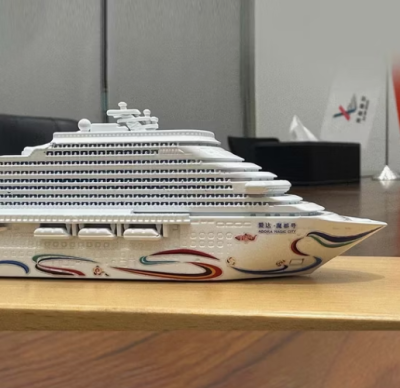

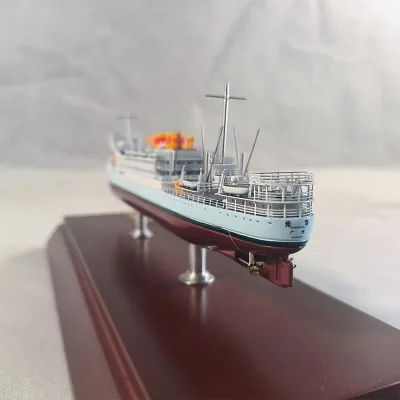


Comprehensive Sourcing Guide
Royal Model Boat Sourcing Guide
Procuring a Royal Model Boat requires distinguishing between decorative replicas and functional marine vessels, as the market offers diverse interpretations of the term. Buyers must first clarify whether the intent is to acquire a miniature wooden ship model for gifting or a full-scale luxury yacht for operational use. The available data indicates a wide spectrum of products, ranging from small 10cm to 200cm wooden models to large steel-hulled tugboats and fiberglass yachts. This distinction fundamentally alters the technical verification process and the commercial terms required for a successful transaction.
The sourcing strategy must account for the specific customization capabilities observed in the supply chain, where workmanship is described as excellent and themes often center on ships. Suppliers frequently offer creative styles suitable for universal use, with packing options ranging from aviation boxes for delicate models to export standard cases for larger units. Understanding these variations is critical before initiating contact, as the procurement of a 10cm decorative item involves different logistics and quality checks compared to a 19.90-meter vessel requiring CE and ISO certifications.
Product Scope and Observed Listing Signals
The observed product listings reveal a fragmented market where "Royal Model Boat" can refer to anything from a small wooden sailboat model to a massive cargo ship replica. Buyers should expect to encounter items labeled with keywords such as "Wooden Boat Model" or "Cargo Ship Model," alongside functional vessels described as "Luxury Yacht" or "Marine Tugboat." The price range is exceptionally broad, spanning from one dollar to millions of dollars, which signals that the term does not denote a single product category but rather a thematic classification used by various manufacturers.
Listing signals also indicate that product types vary significantly in material and construction, with options including plastic, wood, fiberglass, and steel hulls. Some entries specify an engine type of inboard diesel with a speed of 17 knots, while others are purely decorative models with no propulsion system. This diversity means that a buyer searching for a specific aesthetic or functional capability must carefully filter results based on material specifications and intended usage, such as sport fishing or harbor tug operations, rather than relying on the general keyword alone.
Technical Specifications to Verify
When evaluating a potential purchase, the buyer must rigorously verify the physical dimensions and material composition to ensure the item meets the project requirements. For decorative models, the standard length range of 10cm to 200cm is a key specification to confirm, whereas functional vessels require precise verification of hull material, such as fiberglass or steel, and overall dimensions like the 19.90m by 4.86m standard observed in some listings. Failing to distinguish between a miniature model and a full-scale vessel can lead to significant logistical errors and budget overruns.
Engine and performance specifications are equally critical for operational vessels, where details such as fuel type, speed, and passenger capacity must be explicitly confirmed. The data shows examples of diesel-powered units with a speed of 17 knots and a passenger capacity of 10, alongside vessels with a load capacity of up to 1000 tons. Buyers should demand detailed technical sheets that confirm these metrics, ensuring that the propulsion system and structural integrity align with the intended application, whether it is for a harbor tug or a luxury yacht.
Compliance and Safety Documentation
Regulatory compliance is a non-negotiable aspect of sourcing, particularly for functional marine vessels that require specific certifications to operate legally. The supply chain includes products with CE and ISO certifications, which are essential for validating safety and quality standards in international markets. Buyers must request proof of these certifications before finalizing any order, ensuring that the vessel or model adheres to the relevant safety protocols and construction standards required by the destination country.
For larger vessels, additional documentation regarding the condition and warranty of the hull is necessary to mitigate long-term operational risks. Listings indicate a warranty period of one year for the hull of the boat, which serves as a baseline for quality assurance but should be supplemented by a comprehensive inspection report. Buyers should verify that the condition is explicitly stated as new and that all safety features are documented, ensuring that the vessel is fit for its intended purpose without hidden defects or non-compliant modifications.
Cost Drivers and Commercial Terms
The cost of a Royal Model Boat is driven by a complex mix of factors including material selection, customization level, and the scale of production. While small wooden models may be priced affordably, large steel or fiberglass vessels involve significant manufacturing costs, leading to a price range that extends into the millions. Buyers must understand that the observed price variance reflects the difference between a simple decorative item and a fully equipped, certified marine vessel, requiring a detailed budget analysis before engaging with suppliers.
Commercial terms such as minimum order quantity and packaging requirements also play a pivotal role in the total cost of ownership. The data shows an MOQ range of 1 to 500 units, with packing options varying from cartons to bulk shipping methods depending on the product size. Buyers should negotiate clear terms regarding transportation, which can be by sea for large units, and ensure that the packaging, such as an aviation box or wooden box, is sufficient to protect the item during transit without incurring unexpected damage or additional shipping fees.
Supplier Qualification and Quality Control
Supplier qualification should focus on verifying the claimed workmanship and the ability to meet specific customer requirements, as the market offers a mix of standard and custom-made items. The observed listings highlight a focus on excellent workmanship and creative styles, but buyers must validate these claims through site audits or detailed reference checks. It is essential to confirm that the supplier has the capacity to produce items to the exact standard required, whether that is a 10cm model or a 200cm vessel, and to ensure that their production processes maintain consistent quality.
Quality control measures must be established early in the procurement process to prevent discrepancies between the ordered specifications and the delivered product. Buyers should insist on pre-shipment inspections that verify the material, dimensions, and finish of the item, ensuring that the product matches the agreed-upon standard. For custom orders, the supplier must demonstrate a clear process for handling client requirements, from the initial design phase to the final packaging, to guarantee that the final product meets the buyer's expectations for both aesthetics and functionality.
Long-Term Procurement Checks
Establishing a long-term procurement relationship requires ongoing monitoring of supplier performance and product consistency over time. Buyers should track the reliability of the supplier in meeting delivery schedules and maintaining the quality standards initially agreed upon, as the market for royal model boats includes both one-off custom projects and repeat orders. Regular performance reviews will help identify any deviations in workmanship or material quality, ensuring that the supply chain remains robust and capable of supporting future needs.
Additionally, buyers must plan for the maintenance and support requirements of the purchased items, particularly for functional vessels that require ongoing technical support. The warranty terms, such as the one-year hull warranty observed in some listings, should be clearly understood and integrated into the long-term maintenance strategy. By proactively managing these aspects, buyers can ensure the longevity of their investment and maintain a reliable supply of high-quality royal model boats for their specific applications.
FAQs
Can I customize the size of a Royal Model Boat?
Yes, customization is available for royal model boats to meet specific requirements. Manufacturers offer standard sizes ranging from 10cm to 200cm, but you can request dimensions as per your specific needs. This flexibility allows for unique decorative pieces or large-scale display models tailored to your interior design or collection preferences.
What materials are used for royal model boats?
Royal model boats are typically crafted from wood, plastic, or fiberglass depending on the desired aesthetic and durability. Wooden models offer a classic, handcrafted look suitable for gifts, while plastic and fiberglass options provide robust construction for larger or more detailed replicas. The material choice impacts the final weight, finish, and overall visual appeal of the model.
What packaging options are available for model ships?
Packaging for model ships varies to ensure safe transport and presentation. Options include aviation boxes, wooden boxes, standard cartons, or export-standard cases. The choice often depends on the model's size and value, with larger or more fragile items requiring sturdier packaging to prevent damage during shipping and handling by logistics providers.
Are royal model boats suitable as corporate gifts?
Yes, royal model boats are highly suitable as corporate gifts due to their elegant design and creative style. They serve as premium decorative items that convey sophistication and attention to detail. Many suppliers offer customization services, allowing you to add branding or specific themes, making them ideal for client appreciation, employee rewards, or event memorabilia.
What certifications do model boat manufacturers hold?
Manufacturers of model boats and related marine products often hold CE and ISO certifications to ensure quality and safety standards. These certifications indicate that the production processes and materials meet international regulatory requirements. Buyers should verify specific certifications with suppliers to ensure compliance with local import regulations and quality expectations for the purchased items.
How does the origin of the model affect quality?
Models originating from China often feature excellent workmanship and competitive pricing due to established manufacturing ecosystems. The place of origin influences production capabilities, material sourcing, and customization flexibility. Buyers can expect a wide range of styles, from creative wooden ships to detailed plastic replicas, all adhering to high-quality standards set by experienced factories.