Source Round Wood Hamster Exercise Wheel for Small Pets, Training, and Play
Compare 30 Round Wood Hamster Exercise Wheel options from verified suppliers in China. Buyers can evaluate materials like solid wood and plastic, sizes, and customization features for small animal habitats.
Key considerations
Products List
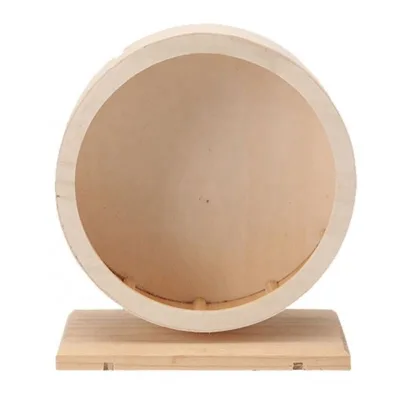
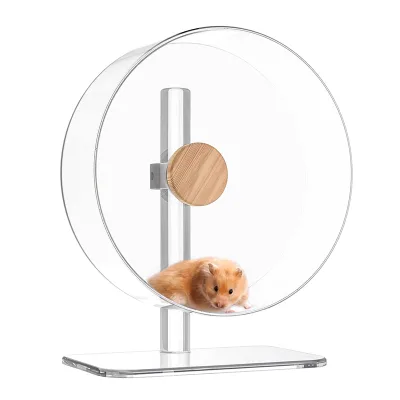





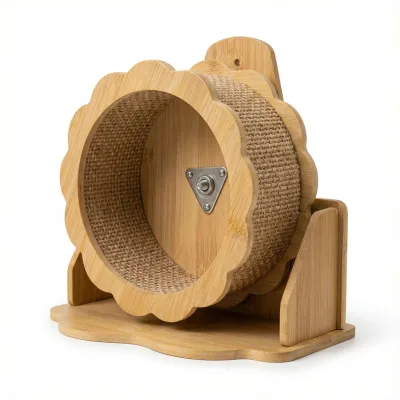


Cat Treadmill Roller Exercise and Play Cat Exerciser Toy Solid Wood Running Wheel
$83.79 - $189.00
MOQ: 10 Pieces

Silent and Safety Cat Treadmill Solid Wood Exercise Fitness Runner Wheel
$39.99 - $45.99
MOQ: 2 Pieces


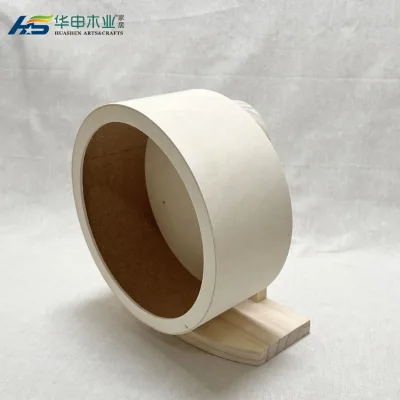
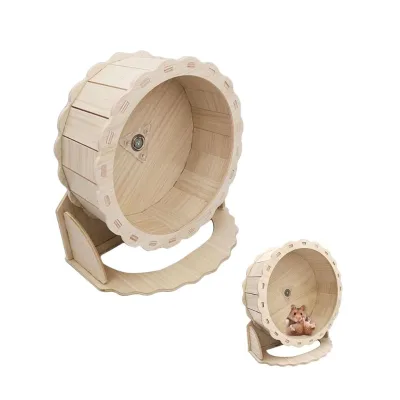
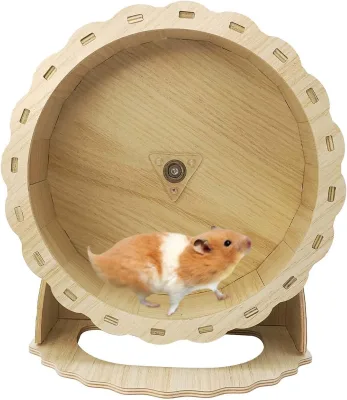
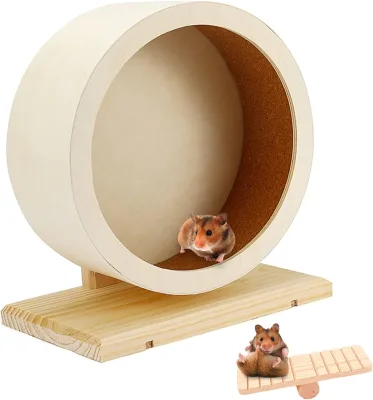
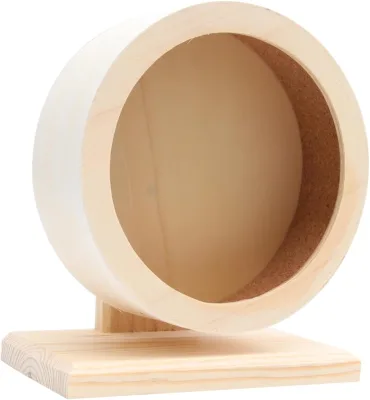

Comprehensive Sourcing Guide
Strategic Sourcing Guide for Round Wood Hamster Exercise Wheels
Understanding Product Attributes and Material Composition
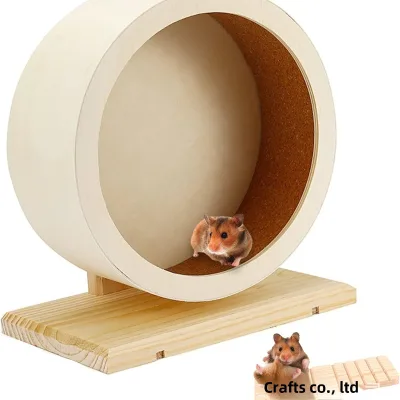
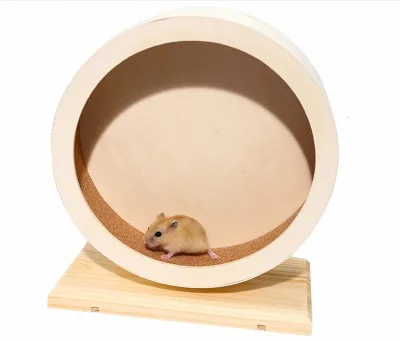
When sourcing a Round Wood Hamster Exercise Wheel, the primary objective is to identify products that balance structural integrity with the specific behavioral needs of small rodents. Based on available market data, the core material composition for these items often includes solid wood or MDF (Medium Density Fiberboard) boards, which provide a sturdy foundation for the wheel's structure. However, buyers must be vigilant as product listings frequently exhibit mixed material attributes, with some entries specifying plastic or plush components alongside wood. For a dedicated "round wood" wheel, the primary structural element must be verified as solid wood or MDF to ensure durability against constant gnawing and running.
The physical dimensions of the wheel are critical for hamster safety and comfort. Observed specifications indicate that sizes can range from compact models like 1812 cm to larger custom dimensions. The shape is predominantly described as a house shape or cage style, yet the functional requirement for an exercise wheel implies a circular or round profile. Buyers should cross-reference the "Size" attribute, which may be listed as S, M, L, or specific measurements like 1812 cm, against the intended breed of hamster. A wheel that is too small can cause spinal curvature in hamsters, while one that is too large may be difficult for smaller breeds to navigate. The single package size for these units varies significantly, with some listings showing dimensions of 10x10x5 cm for compact units and others reaching 40x30x25 cm for larger, more complex structures. This variance suggests that packaging efficiency and shipping costs will fluctuate based on the specific model selected.
Technical Specifications and Functional Design
The functional design of a round wood hamster wheel extends beyond simple rotation. Key technical attributes observed in the market include features such as "Silent Running," "Anti Slip," and a "Stable Base." These features are essential for preventing noise disturbance in household environments and ensuring the wheel does not tip over during vigorous use. The "Electric" attribute is consistently noted as "Not Electric," confirming that these are mechanical devices powered solely by the animal's movement. This mechanical simplicity reduces the risk of electrical failure but places a higher demand on the quality of the axle and bearing system.
The "Style" of the wheel is another critical technical consideration. Listings describe styles ranging from "Simple" to "Cute" and "Cage" configurations. While "Cute" or "House Shape" designs may appeal to aesthetic preferences, the primary function remains an exercise toy. The "Feature" attribute often highlights "Training" capabilities, suggesting that the wheel's design may assist in habituating hamsters to exercise routines. Additionally, the "Shape" is explicitly noted as "House Shape" in some contexts, which may refer to the housing or stand rather than the wheel itself. Buyers must clarify whether the "round" aspect refers to the wheel's rotation or the overall silhouette of the product. The "Closure Type" is sometimes listed as "Push-up," which may apply to access panels for cleaning or assembly, though this is less common for the wheel mechanism itself.
Compliance, Certification, and Safety Standards
Safety compliance is paramount when sourcing products intended for live animals. The market data indicates that certain products carry certifications such as CCC, ISO, CE, and RoHS. While these certifications are typically associated with electronic or plastic goods, their presence in wood product listings suggests a broader compliance framework for the supplier's entire product line. Buyers should verify if these certifications specifically apply to the wood wheel's finish, adhesives, and structural components. The "Standard" attribute is frequently listed as "Customization" or specific dimensions like 456036 cm, indicating that there may not be a single universal standard for all wood hamster wheels.
The "Certification" field is a vital area for verification. If a supplier claims CE or RoHS compliance, the buyer must request documentation proving that the wood treatment and any paints or varnishes used are non-toxic. Since hamsters are prone to chewing on their environment, any chemical leaching from the wood or binding agents could pose a health risk. The "prod_standard" of customization implies that buyers can request specific safety tests or material certifications tailored to their market's regulations. It is essential to confirm that the "Place of Origin," whether Shandong or Zhejiang in China, aligns with the supplier's ability to meet international safety standards. Buyers should not assume that a product listing a generic certification automatically applies to every SKU; verification of the specific batch is necessary.
Cost Drivers and Pricing Dynamics
The pricing structure for round wood hamster wheels is influenced by several variables, including material quality, customization levels, and packaging. The observed price range in the market spans from $0.42 to $189, a vast disparity that reflects differences in product complexity and scale. The lower end of the spectrum likely corresponds to basic, single-item units with minimal packaging, while the higher end may include elaborate designs, custom branding, or bulk orders with specialized features.
The Minimum Order Quantity (MOQ) is a significant cost driver. Data shows an MOQ range of 2 to 1000 units, with a high-confidence fact indicating an MOQ of 200 pieces for certain listings. This suggests that buyers seeking small quantities may face higher per-unit costs or limited supplier options. Conversely, larger orders may benefit from economies of scale but require significant upfront capital. The "Selling Units" are typically listed as "Single item," which can complicate bulk pricing negotiations if the supplier does not offer tiered discounts. Additionally, the "Single gross weight" varies from 0.300 kg to 1.300 kg, directly impacting shipping costs. Heavier wooden wheels will incur higher freight charges, which can erode profit margins if not factored into the initial cost analysis.
Supplier Evaluation and Production Capabilities
Evaluating suppliers for wood hamster wheels requires a focus on their production capabilities and customization options. The "Customization" attribute is marked as "Available" in many listings, allowing buyers to request specific colors, logos, or dimensions. The "Logo Printing" feature is often available, with options for "Customized Logo" and "With Logo Printing." This flexibility is crucial for private label buyers looking to build a brand identity. However, the "prod_packing" varies between "Carton," "Carton Box," and "Customizable," meaning buyers must specify their packaging requirements early in the negotiation to avoid unexpected costs or damage during transit.
The "Place of Origin" is a key indicator of supplier location, with Shandong and Zhejiang being prominent regions in China. These regions are known for their manufacturing capabilities, but buyers should verify the specific factory's experience with small animal products. The "prod_model" and "Model Number" (e.g., XH-TM, SE-PT-117) serve as unique identifiers for specific product lines. Buyers should request samples of these specific models to assess quality consistency. The "Color" options, ranging from "Nature Wood Color" to "Custom Color," allow for aesthetic differentiation but require confirmation that the dyes or stains used are safe for animals.
Quality Control and Inspection Protocols
Implementing a robust quality control (QC) protocol is essential to ensure that the round wood hamster wheels meet safety and durability standards. The "Advantage" of "Easy Cleaning" is a common feature, but buyers must verify that the design actually facilitates cleaning without trapping debris or bacteria. The "Material" consistency is critical; while some listings mention "Wood," others include "Plastic" or "Plush & Stuffed" components. For a pure wood wheel, the QC process should focus on the smoothness of the wood surface to prevent splinters, the stability of the axle, and the integrity of the finish.
Inspection should also cover the "Single package size" and "Single gross weight" to ensure that the packaging is sufficient to protect the product during shipping. The "Standard" of customization implies that buyers can set specific QC criteria, such as maximum allowable deviation in dimensions or specific load-bearing tests. The "Feature" of "Training" suggests that the wheel should be tested for ease of rotation and stability under load. Buyers should request pre-shipment inspections that include visual checks for defects, functional tests for rotation smoothness, and safety checks for non-toxic materials.
Long-Term Procurement and Market Considerations
Long-term procurement of round wood hamster wheels requires a strategic approach to supplier relationships and market trends. The "Applicable Pet" is listed as "Small Animals," "Dogs," "Cats," and "Animals" in various contexts, indicating that the product may be marketed to a broad audience. However, for a specific hamster wheel, the focus should remain on small animal safety and suitability. The "Usage" as "Cat Scratcher Furniture" or "Exercise Toy" suggests versatility, but buyers must ensure the product is optimized for the intended species.
Sustainability is an emerging consideration in the pet product market. The "Function" is described as "Eco-friendly," which aligns with the use of natural wood materials. Buyers should inquire about the source of the wood and whether it is sustainably harvested. The "Customization" of the "Standard" and "prod_packing" allows for long-term adaptation to changing consumer preferences. As the market evolves, buyers should maintain flexibility in their specifications to accommodate new trends in pet wellness and environmental responsibility. Building a relationship with a supplier who can offer consistent quality, reliable lead times, and responsive customization will be key to maintaining a competitive edge in the long term.
FAQs
What materials are used for round wood hamster exercise wheels?
These wheels are primarily constructed from solid wood or MDF board to ensure durability. Some listings also include plastic or plush components, so buyers must verify the specific material composition before purchase to avoid splinters or unsafe additives.
Which sizes are available for round wood hamster exercise wheels?
Available sizes range from compact models like 18x12 cm to larger custom dimensions. The product line also offers S, M, and L options, requiring buyers to select a size appropriate for the specific hamster breed to ensure safe exercise and spinal health.
Can buyers customize the logo and color of these wheels?
Yes, customization is available for both logos and colors, including nature wood tones or custom shades. Suppliers offer logo printing services, allowing brands to create unique packaging and product finishes while maintaining the structural integrity of the wooden wheel.
What is the minimum order quantity for round wood hamster exercise wheels?
The minimum order quantity is typically 200 pieces for standard listings. However, some suppliers may accept orders as low as 2 units, while bulk purchases can reach up to 1000 units, significantly affecting the per-unit cost and shipping logistics.
How do these wheels ensure silent running and stability?
Key features include silent running mechanisms, anti-slip bases, and stable designs to prevent tipping. These attributes ensure the wheel operates quietly and safely, making it suitable for indoor environments where noise reduction and pet safety are critical priorities.
Where are round wood hamster exercise wheels manufactured?
Manufacturing locations are primarily in Shandong and Zhejiang provinces in China. Buyers should verify the specific place of origin for their order, as regional differences may impact production capacity, lead times, and compliance with international safety standards.
Are certifications like CE or ISO available for these products?
Certain listings indicate certifications such as CCC, ISO, CE, and RoHS are available. Buyers must confirm if these certifications specifically apply to the wood finish and adhesives used, ensuring the product meets non-toxic safety requirements for small animals.