Source Rustic Solid Wood Buffet and Sideboard Set for Farmhouse, Hotel, and Villa
Explore 30 listings for the Rustic Solid Wood Buffet and Sideboard Set featuring natural wood finishes and antique designs. Buyers can compare specifications, materials like recycled pine, and customization options from suppliers in Zhejiang and Jiangsu, China.
Key considerations
Products List
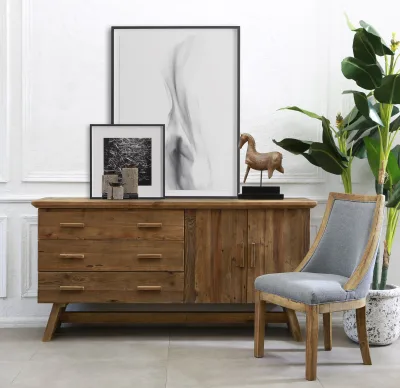
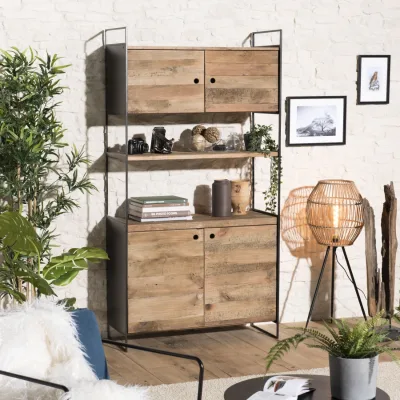
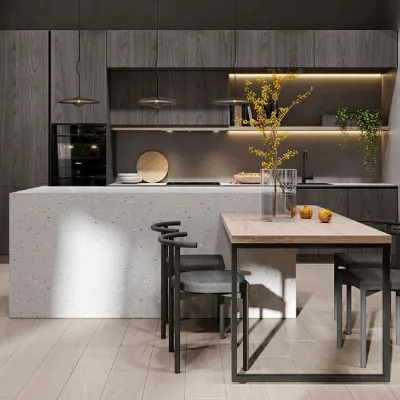
New Design Furniture Dining Room Sideboard Buffet Kitchen Cabinet Furniture Set
$512.42 - $1537.25
MOQ: 5 meters


Custom Buffet Cabinet Sideboard in Walnut with Solid Wood Construction
$149.00 - $199.00
MOQ: 50 Pieces


Rustic Farmhouse Style Wooden Buffet Sideboard for Dining Rooms
$80.00 - $120.00
MOQ: 10 Square Meters


High Quality Sideboard Table Living Room Set Modern Modern Solid Wood Mirrored Sideboard
$78.00 - $89.00
MOQ: 50 Square Meters


Dining Room Modern Design Home Wood Modern Living Room Wooden Buffet Sideboard
$89.00 - $200.00
MOQ: 50 Square Meters




Comprehensive Sourcing Guide
Sourcing Guide for Rustic Solid Wood Buffet and Sideboard Sets
The global demand for rustic solid wood buffet and sideboard sets has surged as buyers seek furniture that blends durability with authentic, natural aesthetics. This guide provides a disciplined, evidence-based approach to sourcing these items, focusing on technical specifications, material integrity, and supplier verification. By adhering to strict procurement standards, buyers can navigate the complexities of the market without relying on unverified claims or speculative data. The following sections outline the critical factors for evaluating products that meet the specific criteria of rustic design, solid wood construction, and functional versatility.
Understanding Technical Specifications and Material Composition
When sourcing a rustic solid wood buffet, the primary technical differentiator lies in the material composition and dimensional accuracy. The core keyword implies a specific aesthetic and structural integrity that must be verified through detailed product attributes. In the current market, a significant portion of rustic sideboards utilizes recycled pine as a primary material, offering a sustainable option that retains the natural grain and texture characteristic of the style. However, buyers must also be aware that "solid wood" can encompass a variety of species, including oak, pine, and cherry wood. The distinction is critical because different woods offer varying degrees of hardness, resistance to moisture, and visual grain patterns.
Dimensions are another vital technical specification. Market observations indicate that standard units often come in specific configurations, such as a size of 180 cm in length, 45 cm in depth, and 90 cm in height. Other variations exist, such as taller units reaching 190 cm in height with a depth of 40 cm, or larger storage units with a capacity of 5 cubic feet and above. The single package size is equally important for logistics planning; for instance, a standard unit might be packaged at 182 cm by 47 cm by 72 cm, while larger, more complex sideboards can reach dimensions of 392 cm by 126 cm by 116.5 cm. Buyers must cross-reference these dimensions with their intended space to ensure fit, noting that some suppliers offer customized sizes to accommodate specific architectural constraints.
Furthermore, the weight of the unit is a crucial factor for shipping and handling. Observed single gross weights for these items range significantly, with some units weighing up to 98.0 kg, while others are lighter at 65.0 kg. This variance often correlates with the density of the wood used and the inclusion of hardware such as solid wood handles. The surface finish should ideally preserve the natural texture and characteristics of the wood, a production method that is highly valued in the rustic category. Buyers should verify that the "natural wood color" is the standard offering, though some suppliers may provide customized color options to match specific interior design schemes.
Compliance, Certification, and Environmental Standards
In the realm of B2B furniture procurement, compliance with international environmental and quality standards is non-negotiable. For rustic solid wood sideboards, the most prominent certification observed in the market is ISO14001. This standard specifically addresses environmental management systems, indicating that the manufacturing process adheres to rigorous protocols for minimizing environmental impact. This is particularly relevant for products made from recycled pine or those that emphasize preserving natural wood textures, as it validates the sustainability claims often associated with rustic designs.
Beyond environmental certifications, buyers must evaluate the general quality standards of the supplier. While specific test results or performance metrics like load-bearing capacity are not universally standardized in the provided data, the attribute "High Standard" is frequently associated with reputable manufacturers. This suggests a commitment to structural integrity and finish quality. Additionally, the production method often highlights the preservation of natural wood characteristics, which serves as a qualitative indicator of craftsmanship. Buyers should request documentation proving that the supplier maintains these high standards, particularly if the furniture is intended for commercial use in hotels, villas, or farmhouses where durability is paramount.
The packaging and shipping compliance are also part of the broader compliance picture. The use of cartons for packaging is standard, and some suppliers offer mail packing options to ensure the product arrives in pristine condition. For international shipments, verifying that the supplier adheres to the specific export regulations of the destination country is essential. While the place of origin is often listed as Zhejiang or Jiangsu in China, buyers must ensure that the supplier has the necessary export licenses and that the products meet the safety and labeling requirements of the target market, such as European countries, which are a primary market for these goods.
Cost Drivers and Pricing Dynamics
The pricing of rustic solid wood buffet and sideboard sets is influenced by a complex interplay of factors, including material costs, labor intensity, and customization requirements. The observed price range in the market spans from approximately $23 to $2,560.30, reflecting the vast difference between basic models and high-end, custom-engineered pieces. This wide range underscores the importance of defining clear specifications before engaging with suppliers to avoid budget overruns.
Several key drivers contribute to these cost variations. First, the type of wood used is a primary cost factor. While recycled pine offers a cost-effective solution, premium woods like oak or cherry wood will naturally command higher prices. Second, the level of customization plays a significant role. Suppliers offering customized sizes, colors, and logos often charge a premium for the additional labor and tooling required. The "Customized Size" and "Customized Color" attributes indicate that buyers can tailor the product to their needs, but this flexibility comes at a cost.
Minimum Order Quantity (MOQ) is another critical cost driver. The market shows an MOQ range from 1 piece to 200 pieces, with specific listings indicating MOQs of 10 or 30 pieces. For buyers with smaller order volumes, the unit cost will likely be higher due to the fixed costs of setup and production. Conversely, larger orders can leverage economies of scale to reduce the per-unit price. Payment terms, such as the common structure of a 30% deposit and 70% balance, also impact cash flow and overall financial planning. Buyers should negotiate these terms based on their relationship with the supplier and the scale of the order.
Typical Applications and Design Versatility
Rustic solid wood buffets and sideboards are highly versatile pieces that fit into a wide array of interior settings. The primary applications identified in the market include farmhouses, home furniture, living rooms, hotels, home bars, and villas. This versatility is driven by the design style, which is often described as "Rustic" but can also encompass "Modern Simplicity," "Italian Light Luxury," and "New Chinese" styles. The ability to blend these aesthetics allows the furniture to serve as a focal point in diverse environments, from casual dining areas to formal hotel lobbies.
The specific use cases further define the functional requirements of the product. As a "Sideboard," the furniture is designed for storage and display, making it ideal for dining rooms where it can hold serving ware, linens, or decorative items. The storage capacity, often exceeding 5 cubic feet, ensures that it can accommodate substantial amounts of items. The "Dining Room Furniture" classification highlights its primary role in meal-related settings, while its use in "Home Bar" and "Villa" contexts suggests a need for robust construction and elegant presentation.
The design style also influences the placement and utility of the piece. The "Antique" appearance and "Natural Wood Color" appeal to buyers seeking a warm, inviting atmosphere. However, the availability of "Modern" and "Customized" options allows for integration into more contemporary spaces. The inclusion of solid wood handles and the preservation of natural textures enhance the tactile experience, making these pieces suitable for high-traffic areas where durability and aesthetic appeal are both required.
Supplier Evaluation and Sourcing Strategy
Evaluating suppliers for rustic solid wood buffets requires a systematic approach that goes beyond simple price comparison. Buyers should prioritize suppliers who demonstrate transparency in their production methods and material sourcing. The "Production method" of preserving natural wood texture is a key indicator of a supplier's commitment to quality. Additionally, the presence of OEM (Original Equipment Manufacturer) services, such as "Acceptable" OEM and "Customized Logo" options, suggests a supplier's flexibility and capability to meet specific branding needs.
Geographic location is another factor to consider. The majority of suppliers in this sector are located in Zhejiang or Jiangsu, China, regions known for their robust furniture manufacturing infrastructure. While the "Place of Origin" is often listed as "China," specific province-level details can provide insights into the local supply chain and logistics capabilities. Buyers should verify the supplier's location to assess shipping times and potential tariffs.
The brand name is also a relevant metric, with "DANDOU Furniture" and "Silaiwei" appearing as notable entities in the market. While buyers should not rely solely on brand reputation, the presence of established brand names can indicate a level of market experience and reliability. However, the focus should remain on the specific product attributes and the supplier's ability to deliver on the promised specifications.
Quality Control and Long-Term Procurement Considerations
Ensuring consistent quality in rustic solid wood sideboards requires a robust quality control (QC) framework. Buyers should implement a multi-stage QC process that includes pre-production sampling, in-process inspections, and final random inspections. The "High Standard" attribute should be validated through physical inspection of the wood grain, finish quality, and structural stability. Special attention should be paid to the "Surface" finish, which is often described as offering "Personalized Customized Service." This implies that the finish can be tailored, but it also means that consistency across a large order must be meticulously managed.
Long-term procurement considerations involve building a sustainable relationship with suppliers who can scale with the buyer's needs. The "Customization" availability suggests that suppliers are capable of adapting to changing market trends and design preferences. Buyers should also consider the lifecycle of the product; rustic solid wood furniture is generally durable, but the maintenance requirements should be clearly communicated to end-users. The "Environmentally Friendly" feature is a significant long-term asset, aligning with global sustainability goals and potentially enhancing the brand image of the buyer.
Finally, the logistics of shipping and storage must be planned carefully. The "Single package size" and "Single gross weight" data are essential for calculating freight costs and determining storage requirements. Buyers should ensure that their supply chain partners are equipped to handle the specific dimensions and weights of these items to prevent damage during transit. By integrating these quality control and logistical strategies, buyers can secure a reliable supply of high-quality rustic solid wood buffets and sideboards that meet both aesthetic and functional demands.
Summary of Key Product Attributes for Verification
To facilitate a streamlined sourcing process, the following table summarizes the critical attributes that buyers should verify during the procurement of rustic solid wood buffet and sideboard sets. This checklist ensures that all technical, material, and compliance aspects are addressed before finalizing an order.
| Attribute Category | Key Verification Points |
|---|---|
| Material | Verify wood type (Recycled Pine, Oak, Cherry, etc.) and confirm "Solid Wood" construction. |
| Dimensions | Check specific sizes (e.g., 180x45x90 cm, 99x40x190 cm) and storage capacity (5 ft³+). |
| Design | Confirm style (Rustic, Modern, Antique) and finish (Natural Wood Color, Customized). |
| Certification | Request proof of ISO14001 and other relevant environmental or quality certifications. |
| MOQ & Pricing | Clarify Minimum Order Quantity (1-200 pieces) and total cost including shipping. |
| Packaging | Verify package dimensions (e.g., 182x47x72 cm) and gross weight (e.g., 98.0 kg). |
| Customization | Confirm availability of OEM, logo customization, and size adjustments. |
| Origin | Validate place of origin (Zhejiang, Jiangsu, or other regions in China). |
By adhering to this structured approach, buyers can effectively navigate the complexities of sourcing rustic solid wood buffets, ensuring that the final products meet the highest standards of quality, design, and functionality.
FAQs
What materials are used for rustic solid wood buffet and sideboard sets?
These sets primarily use recycled pine, though oak, cherry wood, and other solid woods are also common options. The production method preserves the natural texture and characteristics of the wood to maintain an authentic rustic appearance.
Which certifications do manufacturers typically hold for these products?
Many suppliers hold ISO14001 certification to demonstrate compliance with environmental management systems. This standard validates that the manufacturing process adheres to rigorous protocols for minimizing environmental impact while preserving natural wood textures.
Can I find suppliers offering customized sizes and colors for this furniture?
Yes, customization is available for both size and color to match specific interior design schemes. Buyers can request personalized surface services and customized logos, allowing for tailored dimensions like 180 by 45 by 90 cm or other specific requirements.
How does the minimum order quantity affect the pricing of these sets?
The minimum order quantity ranges from 1 to 200 pieces, with specific listings showing 10 or 30 pieces. Smaller orders often incur higher unit costs due to fixed setup expenses, while larger volumes can leverage economies of scale to reduce the price.
What are the typical dimensions and weight for these rustic sideboards?
Standard units often measure 180 by 45 by 90 cm and weigh around 65 to 98 kg depending on the model. Larger storage units may reach 392 by 126 by 116.5 cm with a capacity of 5 cubic feet or above to ensure substantial storage.
Where are the main manufacturers of these rustic solid wood buffets located?
The primary places of origin are Zhejiang and Jiangsu provinces in China, which are known for robust furniture manufacturing. These regions supply products primarily to European countries and other global markets while maintaining high standard quality controls.
What payment terms are standard for purchasing these furniture sets?
The standard payment structure involves a 30% deposit followed by a 70% balance payment via T/T. This arrangement is common for B2B transactions and helps manage cash flow for both buyers and suppliers during the production and shipping process.