Source Rustic Wooden Pedestal Fruit Plate for Camping, Gifts, and Dining
Explore 30 Rustic Wooden Pedestal Fruit Plate options from Chinese manufacturers. Buyers can compare materials like wood and bamboo, styles including minimalist and vintage, and features such as stackability and eco-friendly finishes for camping, presents, and daily dining.
Key considerations
Products List

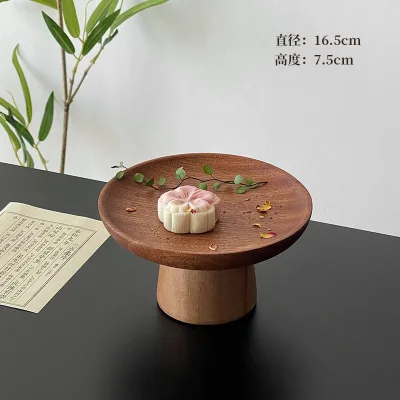
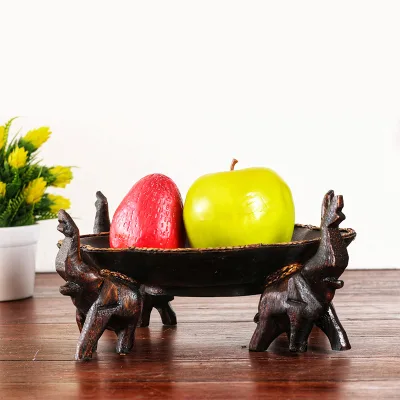


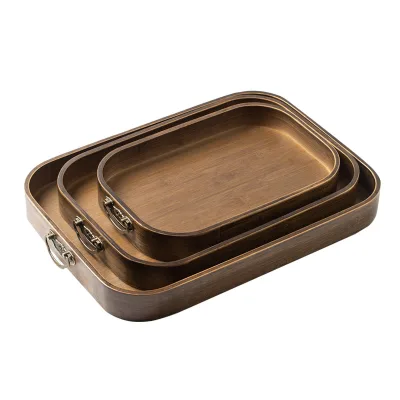
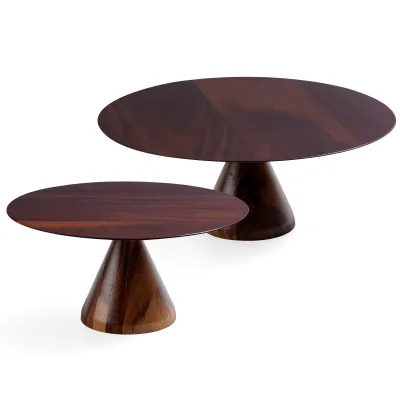






Comprehensive Sourcing Guide
Sourcing Guide for Rustic Wooden Pedestal Fruit Plates
Understanding Product Definitions and Material Variations
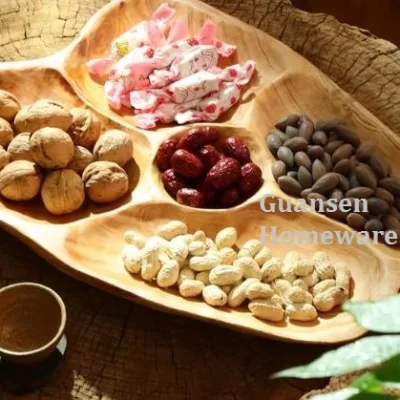
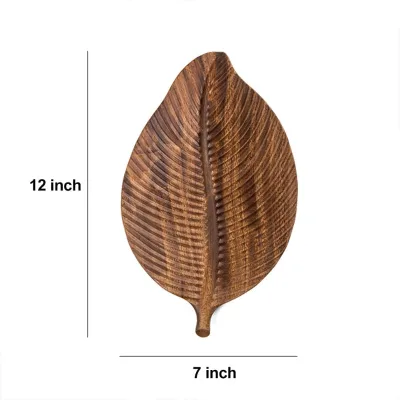
The term "Rustic Wooden Pedestal Fruit Plate" describes a specific category of serving ware that combines natural aesthetics with functional elevation. In the context of current market offerings, this product class is not monolithic; it encompasses distinct variations in material composition, shape, and manufacturing technique. Buyers must first distinguish between products described as "Natural Vine," "Wood," or "Bamboo & Wood," as these terms indicate fundamentally different sourcing chains and performance characteristics. The "rustic" designation often correlates with specific visual attributes such as "Irregular Shape," "Leaves," or "Flower Shaped" profiles, rather than the uniformity of mass-produced industrial goods.
Material selection is the primary differentiator in this category. Some listings explicitly identify the material as "Wood" with a "Solid" pattern type, while others specify "Natural Vine" or a composite of "Bamboo & Wood." The "Natural Vine" variant suggests a woven or organic construction method that may offer a lighter weight profile compared to solid wood. Conversely, solid wood options often emphasize durability and a heavier "Single gross weight," with observed values ranging from 0.800 kg to 1.000 kg per unit. The "Engraving" technique is frequently noted on wooden surfaces, adding a layer of artisanal detail that supports the rustic aesthetic.
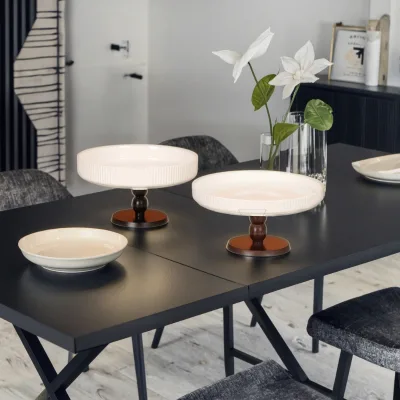
Shape is another critical specification. While the core keyword implies a pedestal structure, the market data reveals a diversity of forms including "Round," "Leaves," "Flower Shaped," and "Irregular Shape." The "pedestal" aspect is often achieved through the integration of a base or a specific elevation in the design, though some items are listed simply as "Fruit plate" or "Cake plate" with a "ROMAN" or "Vintage" style. Buyers should verify if the "pedestal" feature is structural or purely decorative, as this impacts stacking capabilities and storage efficiency. The "Stackable" attribute is a notable feature in some listings, which is essential for logistics, while others with "Irregular Shape" or specific organic forms may require individual packaging.
Technical Specifications and Dimensional Analysis
When evaluating technical specifications for rustic wooden fruit plates, dimensional consistency and packaging metrics are paramount for logistics planning. The supply chain data indicates significant variance in package dimensions, which directly influences shipping costs and warehouse storage requirements. Observed single package sizes range from compact units measuring 14x5x41 cm to larger cubic packages of 22.0x22.0x15.0 cm. These dimensions suggest that the product can be configured as a single item or as a set, with some listings noting "Selling Units" as a single item while others imply bulk configurations.
Weight is a critical factor for freight classification. The observed "Single gross weight" for these items falls between 0.800 kg and 1.000 kg. This weight range is consistent with solid wood or dense vine materials. For buyers calculating freight costs, it is essential to confirm whether the listed weight includes the packaging or represents the net weight of the product alone. The "Single package size" and weight data provided in the source material are specific to individual listings and should not be assumed to apply universally across all suppliers.
The "prod_model" codes, such as TCYD-24, TCYD-26, TCYD-76, TCYD-75, TCWP029, and TCWP030, serve as unique identifiers for specific product lines. These models often correspond to distinct variations in size, shape, or finish. For instance, some models are associated with "Fruit Shaped" designs, while others may be "Customized." The "Standard" size is mentioned as a general category, but specific dimensions like diameters of 165cm, 215cm, and 236cm appear in color descriptions, which may refer to specific large-format serving sets or require clarification regarding unit consistency. Buyers must request detailed dimension sheets for specific model numbers to ensure compatibility with their intended display or serving surfaces.
Compliance, Certification, and Safety Standards
Safety and regulatory compliance are non-negotiable when sourcing food-contact products. The market data highlights that certain products carry specific certifications, including "CE/EU" and "FDA." These certifications indicate that the product has met specific safety standards for use in the European Union and the United States, respectively. For a "Rustic Wooden Pedestal Fruit Plate," these certifications are particularly relevant as they verify that the materials and finishes used are safe for direct food contact.
The "Finished" process is a key area for compliance verification. Listings mention "Vegetable Oiled" or "Lacquered" finishes. While vegetable oil is generally considered a natural and safe finish, lacquer formulations vary widely in their chemical composition. Buyers must ensure that any lacquer used is compliant with the relevant food safety standards, such as FDA regulations for food-contact surfaces. The presence of "CE/EU" certification suggests that the product meets European safety directives, which often include strict limits on heavy metals and harmful substances in finishes.
It is important to note that while "FSC" (Forest Stewardship Council) is mentioned in the background context, it is not listed as a confirmed attribute for the specific products in the provided data. Therefore, buyers cannot assume FSC certification is present unless explicitly verified by the supplier. Similarly, while "Non-Toxic" is listed as a feature for some items, this is an observation of specific listings and should not be generalized to all rustic wooden products. Buyers should request current test reports or certificates of analysis to confirm that the specific batch they are purchasing meets the required safety standards for their target market.
Cost Drivers and Pricing Structures
The pricing for rustic wooden pedestal fruit plates is influenced by several factors, including material type, customization level, and order volume. The observed listed price range in the market spans from $0.32 to $22.14 USD. This wide range reflects the diversity of products, from simple, mass-produced items to high-end, handcrafted pieces with complex designs. The lower end of the spectrum likely corresponds to basic wooden or vine plates with minimal finishing, while the higher end may include custom engravings, premium lacquers, or intricate "ROMAN" or "Vintage" styles.
Minimum Order Quantity (MOQ) is a significant cost driver. The observed MOQ range is 5 to 2000 units. Some suppliers offer flexible terms, with MOQs as low as 5 units, which is beneficial for small businesses or trial orders. Other suppliers may require an MOQ of 500 units or more, often with the option to negotiate upon stock availability. The "MOQ: 500 or Negotiable Upon Our Stocks" note suggests that stock availability can significantly impact the minimum order requirements. Buyers should be aware that lower unit prices are typically associated with higher order volumes, but the initial investment required to meet a high MOQ can be a barrier for smaller buyers.
Customization is another major factor affecting cost. The data indicates that "Customization" and "Logo" acceptance are available upon request. Custom designs, such as specific "Fruit Shaped" or "Flower Shaped" profiles, or the addition of a company logo, will likely increase the unit price and potentially the MOQ. The "Standard" models are generally more cost-effective than fully customized items. Additionally, the "Packing" options, ranging from "Bulk in Cartons" to "Customized Gift Packing," will influence the final cost. Custom gift packaging adds value but also increases production and material costs.
Typical Applications and Usage Scenarios
Rustic wooden pedestal fruit plates are versatile and suitable for a variety of applications, ranging from commercial food service to residential use. The "occasion" field in the data highlights "Camping" and "Presents" as key use cases. For camping, the durability of wood and the natural aesthetic make these plates ideal for outdoor dining, where they can withstand rough handling and blend with the environment. The "Stackable" feature is particularly valuable in camping scenarios where storage space is limited.
In the retail and hospitality sectors, these plates serve as both functional serving ware and decorative elements. The "Vintage" and "ROMAN" styles are well-suited for restaurants, cafes, and boutique hotels that aim to create a specific ambiance. The "Engraving" technique adds a touch of elegance, making these plates appropriate for special events or high-end dining experiences. The "Food" usage designation confirms their suitability for serving fruits, desserts, or other food items in a professional setting.
The "Presents" occasion suggests that these items are also marketed as gift items. The availability of "Customized Gift Packing" supports this use case, allowing buyers to brand the product for corporate gifts or special occasions. The "Non-Disposable" attribute is crucial here, as it positions the product as a durable, long-lasting item rather than a single-use commodity. This durability enhances the perceived value of the product, making it an attractive option for buyers looking to provide high-quality gifts or serving ware that can be reused multiple times.
Supplier Evaluation and Quality Control Protocols
Evaluating suppliers for rustic wooden fruit plates requires a rigorous approach to quality control and verification of production capabilities. The "place of origin" data points to specific regions in China, including Jilin, Chongqing, and Nanping, Fujian. These regions are known for their timber and bamboo industries, but buyers should verify the specific capabilities of each supplier. The "prod_model" codes can be used to trace the production line and ensure that the supplier has the necessary equipment for "Engraving" and "Vegetable Oiled" or "Lacquered" finishes.
Quality control should focus on several key areas. First, verify the consistency of the "material" and "shape." Irregular shapes and natural vine materials can vary significantly between batches. Buyers should request samples to check for consistency in grain, texture, and finish. Second, inspect the "Finished" surface for defects such as cracks, splinters, or uneven lacquer application. The "Non-Toxic" claim must be backed by documentation, and the "CE/EU" or "FDA" certifications should be current and valid.
The "Customization" capability is another critical evaluation point. Suppliers that offer "Customized Designs" and "Logo" acceptance should be assessed for their ability to maintain quality during the customization process. Buyers should inquire about the supplier's quality assurance protocols, including in-process inspections and final product testing. The "Standard" prod_standard noted in the data suggests that some products follow a customized standard, which requires clear communication of specifications to avoid discrepancies.
Long-Term Procurement and Strategic Sourcing
Long-term procurement of rustic wooden fruit plates involves more than just securing a one-time order; it requires building a sustainable supply chain that can adapt to changing market demands. The "MOQ: 500 or Negotiable Upon Our Stocks" note indicates that stock availability is a dynamic factor. Buyers should establish a relationship with suppliers that can offer flexible order quantities and reliable stock management. This flexibility is essential for managing inventory levels and responding to seasonal demand fluctuations.
Sustainability is a growing concern in the wooden product sector. While "FSC" is not confirmed in the provided data, buyers should proactively inquire about the sustainability of the wood and vine sources. Ensuring that the materials are sourced responsibly can enhance the brand value of the final product and align with corporate social responsibility goals. The "Eco-Friendly" feature listed for some products suggests that there is a market demand for sustainable options, and buyers should prioritize suppliers who can demonstrate their commitment to environmental stewardship.
Finally, the "Customized" nature of many products means that long-term partnerships should include provisions for design evolution. As trends shift, buyers may need to update their product offerings with new shapes, finishes, or branding. A supplier that is responsive to design changes and can maintain consistent quality over time is essential for long-term success. By focusing on these strategic considerations, buyers can ensure a reliable and competitive supply of rustic wooden pedestal fruit plates that meet their specific needs and market requirements.
FAQs
What materials are used for rustic wooden pedestal fruit plates?
These plates are primarily made from wood, natural vine, or a combination of bamboo and wood. The specific material affects the weight and texture, with options ranging from solid wood to woven vine structures.
Which certifications ensure food safety for these wooden plates?
Some listings carry CE/EU and FDA certifications to verify food safety compliance. Buyers should request current test reports to confirm that the vegetable oil or lacquer finishes meet specific regional safety standards.
Can I customize the shape or logo on these fruit plates?
Customization is available for shapes like fruit or flower profiles and for adding logos upon request. However, custom designs often require a higher minimum order quantity and may affect the unit pricing significantly.
What is the typical minimum order quantity for these plates?
The minimum order quantity ranges from 5 to 2000 units depending on the supplier and stock availability. Some vendors offer flexible terms for small trials, while others require orders of 500 units or more.
How do the package dimensions affect shipping costs?
Single package sizes vary from 14x5x41 cm to 22x22x15 cm, directly influencing freight classification. Buyers must verify if the listed weight includes packaging to accurately calculate shipping expenses for bulk orders.
Are these plates suitable for camping and outdoor events?
Yes, they are designed for occasions like camping due to their durable wood or vine construction. The stackable feature and non-disposable nature make them ideal for outdoor dining where storage space is limited.
What finishes are applied to the surface of these plates?
Plates are typically finished with vegetable oil or lacquer to protect the wood and enhance the rustic look. Buyers must ensure the lacquer formulation complies with food safety standards like FDA regulations for direct contact.