Source Rustic Teak Wood Print Moulding for Panel Line, Wall Waistline, and Frame Line
Compare 30 listings for Rustic Teak Wood Print Moulding suitable for panel lines, wall waistlines, and frame lines. Buyers can review specifications like moisture-proof functions, custom sizes, and certifications including ISO and CE from suppliers in China.
Key considerations
Products List


$500.00 - $600.00
MOQ: 10 cubic meter


$500.00 - $700.00
MOQ: 25 cubic

Teak Wood and Rose Wood Color Solid Wood Painting Picture Frame Moulding
$1.15 - $1.35
MOQ: 1000 meters


Ruisen Factory Timber Modern Picture Oil Painting Solid Wood Frame Moulding
$1.10 - $1.50
MOQ: 2000 meters





Comprehensive Sourcing Guide
Rustic Teak Wood Print Moulding Sourcing Guide
Sourcing Rustic Teak Wood Print Moulding requires a nuanced understanding of the intersection between aesthetic design and functional material performance. While the core keyword suggests a specific visual finish—rustic teak—on a printed substrate, the broader market data indicates a complex landscape of wood-based profile products. Buyers must distinguish between genuine solid wood mouldings and engineered alternatives that utilize printing or veneer techniques to achieve the desired aesthetic. The observed product range includes items described as "Wood Line" with various grades, from "Top Grade" to "Qualified," suggesting that the term "teak" may refer to the visual pattern rather than the botanical species. Consequently, procurement strategies must prioritize verification of the actual material composition to ensure the product meets both design intent and structural requirements.
The decision to source these mouldings often hinges on the balance between cost-efficiency and durability. The observed listings reveal a wide price range, from nominal values to over $900, which typically correlates with material thickness, profile complexity, and the authenticity of the wood species. For projects requiring the warmth and grain texture of teak but constrained by budget, printed or veneered alternatives offer a viable path. However, buyers must carefully evaluate the "Moisture-proof" and "Fireproof" claims associated with these products, as these attributes vary significantly between solid wood, MDF, and composite materials. Understanding these distinctions is critical for selecting the right product for specific applications, whether residential, commercial, or industrial.
Product Scope and Observed Listing Signals
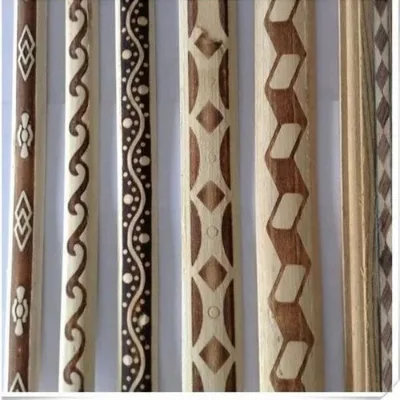
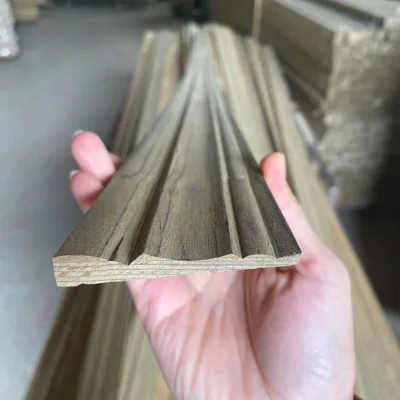
The product scope for Rustic Teak Wood Print Moulding encompasses a variety of profile types, including panel lines, diagonal lines, wall waistlines, and frame lines. The observed data highlights a strong emphasis on customization, with many suppliers offering "Any Profile According to Sizes or Drawings." This flexibility allows buyers to tailor mouldings to specific architectural details, ensuring seamless integration into diverse interior designs. The "Elegant Surface" finishing standard suggests a focus on high-quality visual appeal, which is essential for visible architectural elements. Buyers should leverage this customization capability to achieve precise fits, reducing on-site cutting and waste during installation.
Material composition is a critical variable within this product scope. The observed listings mention a range of wood species, including Paulownia, Pine, Poplar, MDF, and Plywood, alongside claims of "Teak" aesthetics. This indicates that the "rustic teak" appearance may be achieved through printing on engineered wood substrates rather than using solid teak. The moisture content specification of 8-12% is a key indicator of quality for wood-based products, as it affects stability and resistance to warping. Buyers must verify whether the product is solid wood or an engineered composite, as this impacts long-term performance, especially in environments with fluctuating humidity levels.
Technical Specifications to Verify
When evaluating technical specifications, buyers must prioritize the verification of material grade and structural integrity. The observed data includes grades such as "Top Grade," "High Grade," and "Qualified," which serve as internal supplier classifications rather than universal standards. To ensure consistency, buyers should request detailed material specifications, including density, hardness, and dimensional stability. The "Straight" section attribute suggests a standard linear profile, but the "Customized" size option implies that non-standard dimensions are available. Buyers should confirm the tolerance levels for length, width, and thickness to ensure compatibility with existing construction frameworks and design plans.
Surface finishing and functional properties are equally important technical considerations. The "Elegant Surface" finish and "Moisture-proof" functionality are frequently cited attributes, but their implementation varies. For printed mouldings, the durability of the print layer against scratches, UV exposure, and cleaning agents must be assessed. Additionally, the "Fireproof" and "Insulation" claims require verification through specific test reports. Buyers should inquire about the specific standards used to validate these properties, such as flame spread ratings or thermal conductivity values. Understanding these technical details ensures that the selected moulding meets the safety and performance requirements of the intended application.
Compliance and Safety Documentation
Compliance with safety and environmental standards is paramount when sourcing wood-based mouldings. The observed data mentions certifications such as ISO and CE, which indicate adherence to international quality and safety management systems. However, buyers must verify the specific scope of these certifications to ensure they cover the relevant product categories. For instance, ISO certification may relate to quality management processes rather than product-specific performance. Similarly, CE marking indicates conformity with European health, safety, and environmental protection standards, but buyers should confirm that it applies to the specific moulding type and intended market.
Environmental compliance is another critical aspect, particularly given the mention of FSC in the background knowledge. While FSC certification is not explicitly confirmed in the high-confidence facts, it is a widely recognized standard for sustainable forestry. Buyers seeking eco-friendly options should request proof of FSC or similar chain-of-custody certifications to ensure the wood is sourced responsibly. Additionally, formaldehyde emission levels should be verified, especially for products containing MDF or plywood. Compliance with standards such as CARB Phase 2 or E1 emission limits is essential for indoor air quality, particularly in residential and hospitality applications.
Cost Drivers and Commercial Terms
Cost drivers for Rustic Teak Wood Print Moulding include material composition, profile complexity, and order volume. The observed price range of $0.01 to $925.51 reflects significant variation based on these factors. Solid wood mouldings, particularly those using premium species like teak, command higher prices due to material scarcity and processing costs. In contrast, printed or veneered alternatives on MDF or plywood substrates offer a more cost-effective solution. Buyers should analyze the cost per linear meter or square foot to compare options accurately, considering both material and installation costs.
Commercial terms such as MOQ, lead time, and packaging also impact the total cost of ownership. The observed MOQ range of 1 to 2000 units suggests flexibility for both small and large orders. However, higher volumes may attract discounts, improving the unit price. Lead times of 25-30 days are typical for customized orders, which buyers must factor into their project schedules. Packaging methods, including pallets, carton boxes, and shrink film, are designed to protect the mouldings during transit. Buyers should ensure that packaging standards are robust enough to prevent damage, especially for delicate or long-profile items, to avoid additional replacement costs.
Supplier Qualification and Quality Control
Supplier qualification is a critical step in ensuring the reliability of the supply chain. Buyers should verify the supplier's manufacturing capabilities, including their ability to produce customized profiles and maintain consistent quality. The observed data indicates that suppliers are located in China, with origins in Guangdong, Jiangsu, and Shandong provinces. These regions are known for their wood processing industries, but buyers should conduct due diligence to assess the supplier's reputation, production capacity, and quality control processes. Requesting references or case studies from previous clients can provide insights into the supplier's reliability and service quality.
Quality control measures should be established to monitor product consistency and performance. Buyers should implement incoming inspection protocols to verify dimensions, surface finish, and material composition. Random sampling and testing for moisture content, hardness, and durability can help identify potential issues early in the supply chain. Additionally, establishing clear communication channels with the supplier for addressing defects or discrepancies is essential. Regular audits or third-party inspections may be warranted for large orders to ensure ongoing compliance with quality standards and contractual obligations.
Long-Term Procurement Checks
Long-term procurement success depends on continuous monitoring of supplier performance and market trends. Buyers should establish key performance indicators (KPIs) to track delivery times, product quality, and responsiveness. Regular reviews of these metrics can help identify areas for improvement and strengthen the supplier relationship. Additionally, staying informed about changes in material costs, regulatory requirements, and technological advancements in wood processing can help buyers make informed decisions. Adapting procurement strategies to align with these changes ensures that the supply chain remains resilient and cost-effective.
Sustainability and ethical sourcing should remain a priority in long-term procurement. Buyers should periodically reassess their suppliers' environmental practices and compliance with relevant standards. Engaging with suppliers who demonstrate a commitment to sustainability can enhance brand reputation and meet the growing demand for eco-friendly products. Furthermore, exploring opportunities for innovation, such as new finishes or composite materials, can provide competitive advantages. By maintaining a proactive approach to supplier management and market analysis, buyers can secure a reliable supply of high-quality Rustic Teak Wood Print Moulding for their projects.
FAQs
What certifications are available for Rustic Teak Wood Print Moulding?
Available certifications include ISO and CE, with specific functions like fireproof, moisture-proof, and high stiffness. These attributes ensure the product meets safety and performance standards for various applications such as apartments, hotels, and offices.
Can I customize the size and profile of the wood line?
Yes, customization is available for size and profile according to specific drawings or requirements. The product offers a customized standard and can be produced in various profiles, allowing buyers to tailor the wood line to their exact design needs.
Which wood species are used for this Rustic Teak Wood Print Moulding?
The product utilizes Paulownia, Pine, Poplar, MDF, and Plywood as primary wood species. These materials are selected to ensure high quality and meet the specific functional requirements like moisture resistance and insulation for different construction projects.
How long is the delivery time for custom orders?
The standard delivery time ranges from 25 to 30 days for custom orders. This lead time accounts for the manufacturing process and ensures that the customized wood lines are produced to the specified dimensions and quality grades before shipping.
What is the typical packaging method for these wood lines?
Packaging options include pallets, wooden pallets with wrapping film, carton boxes, and PVC shrink film. The specific packing method depends on the product model, ensuring safe transport and protection of the elegant surface finish during international shipping.
Where are the manufacturers of this wood line located?
Manufacturers are located in China, specifically in regions such as Guangdong, Jiangsu, and Shandong. These locations provide access to high-grade wood materials and established production facilities capable of meeting various customization and certification requirements.
What functions does the Rustic Teak Wood Print Moulding provide?
The product provides multiple functions including moisture-proof, insulation, soundproof, heat insulation, and corrosion resistance. These features make it suitable for diverse applications like panel lines, wall waistlines, and frame lines in residential and commercial buildings.