Source Waterproof Polyurethane Artificial Wood Beams for Villa Hotel Club
Compare 30 listings of Waterproof Polyurethane Artificial Wood Beams with varying dimensions, surface treatments, and lead times. Buyers can evaluate options for interior and exterior applications in houses, villas, clubs, and hotels based on available customization and certifications.
Key considerations
Products List


Auuan Waterproof PU Decorative Artificial Wood Beams Engineered Wood Beam
$5.00 - $20.00
MOQ: 100 Meters


Auuan Factory Direct Sales Weather-Resistant Polyurethane Decorative Material Wood Beams
$5.00 - $20.00
MOQ: 100 Meters


Auuan Wholesale High Quality Polyurethane PU Ceiling Timber Faux Wood Beams
$5.00 - $20.00
MOQ: 100 Meters
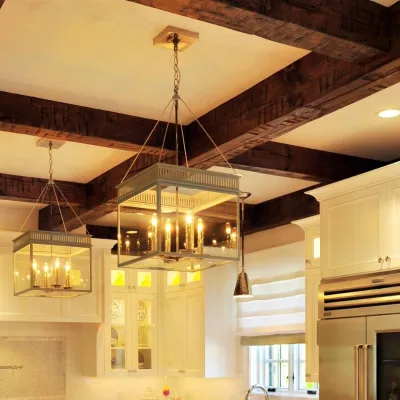
Waterproof Polyurethane Interior Artificial Wood Beams False Wood Beams for Sale
$41.25 - $103.12
MOQ: 100 Minimum
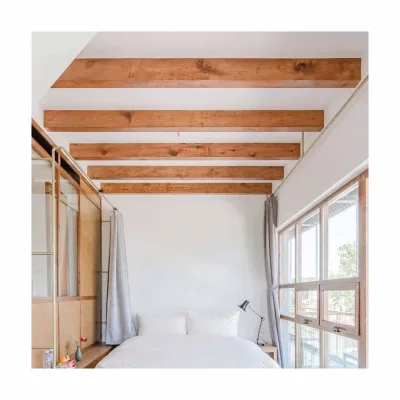
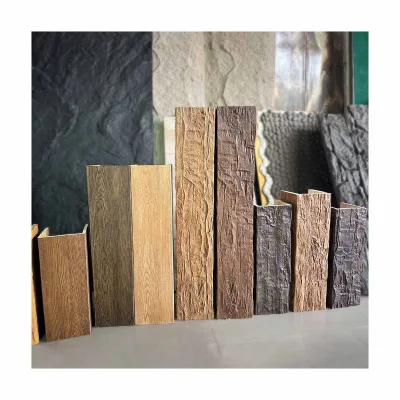
Guangzhou High Density Polyurethane Faux Wood Beam Waterproof Eco-friendly Foam Beams for Ceiling
$30.00 - $200.00
MOQ: 50 Minimum
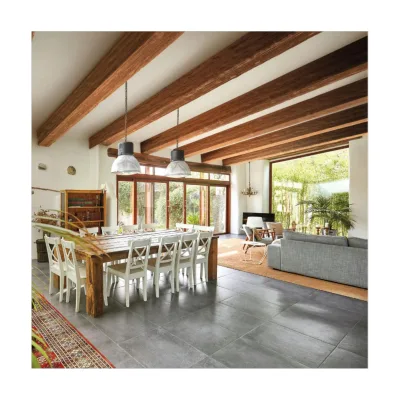
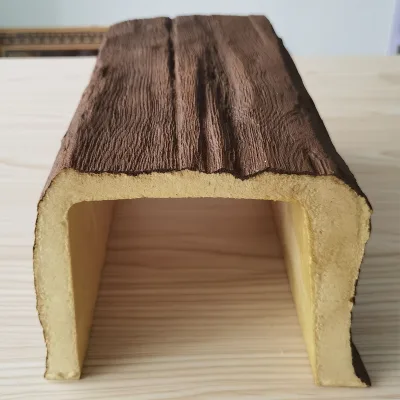
2022 SHENZHEN High Density Polyurethane Wood Beam PU Moulding Faux Wood Beam for Sale
$41.25 - $108.27
MOQ: 30 Minimum
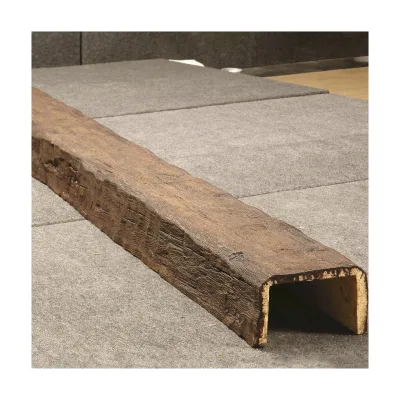
PU Wood Beam Classic Lowes Price Polyurethane Faux Wood Ceiling Beams Decor
$17.18 - $515.34
MOQ: 100 Minimum
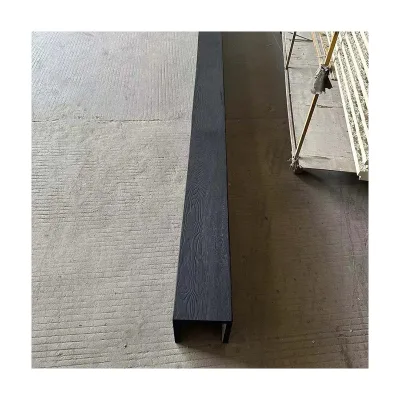
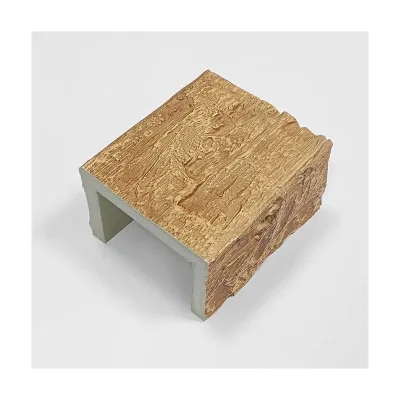
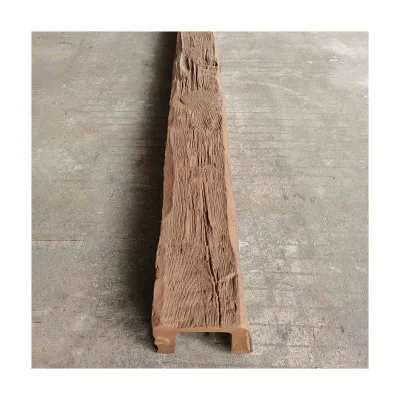
Durable Polyurethane PU Beam for Interior Design Easy Installation for Exterior Hotels Workshops
$20.45 - $204.53
MOQ: 20 Minimum
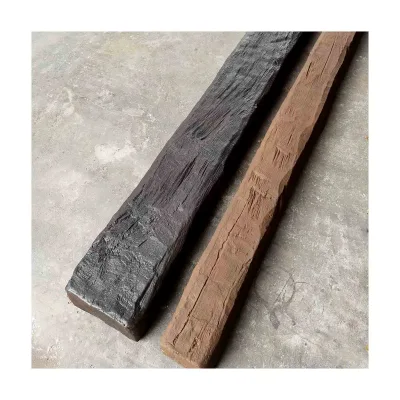
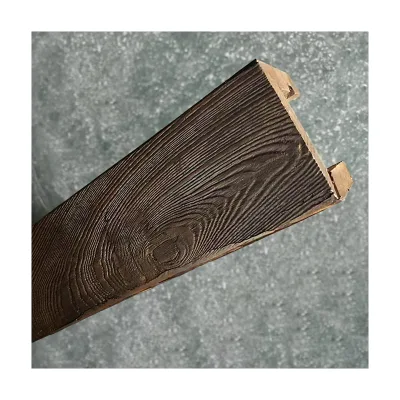
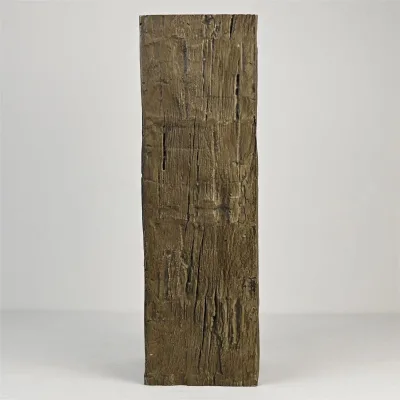
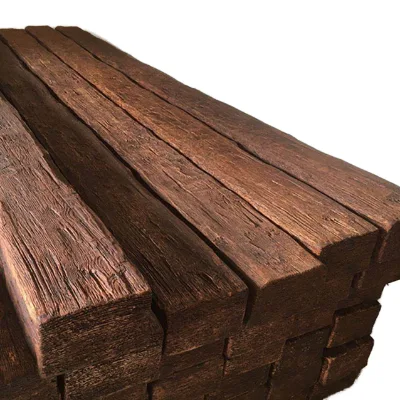
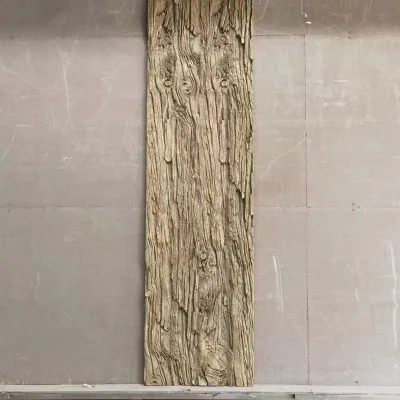


Outdoor Waterproof Polyurethane Stone Panel Artificial Panel PU Stone Panels
$2.26 - $8.10
MOQ: 1000 Pieces


Comprehensive Sourcing Guide
Strategic Sourcing Guide for Waterproof Polyurethane Artificial Wood Beams
Understanding Material Composition and Physical Properties
The core of sourcing Waterproof Polyurethane Artificial Wood Beams lies in verifying the material integrity and physical characteristics that distinguish them from natural timber or lower-grade composites. The primary material identified in the current market landscape is polyurethane (PU), often referred to as polyurethane foam or simply PU. This synthetic polymer is selected for its ability to mimic the aesthetic grain of wood while offering superior resistance to environmental degradation. Unlike natural wood, which is susceptible to rot, insect infestation, and warping, PU beams provide a stable alternative that maintains structural consistency over extended periods.
A critical physical attribute for buyers to verify is the density of the product. In the observed product data, a specific density of 260kg/M3 is noted. This metric is essential for procurement teams to assess the balance between weight and structural rigidity. A density of this magnitude suggests a material that is lightweight enough to facilitate easy installation without requiring heavy-duty structural reinforcement, yet dense enough to provide the necessary stiffness for architectural applications. The product attributes further highlight "High Stiffness" as a key feature, ensuring that the beams can span distances without sagging, which is a common failure point in less dense composite materials.
The shape and section of the beams are equally important for design integration. The market offers beams in a "U Shape" with a "Straight" section, catering to specific architectural needs where open profiles are required for lighting or ventilation integration. The surface treatment is another vital observation; many products feature a "Wood Grain" finish applied through a specific molding process. This treatment is not merely cosmetic but is designed to replicate the tactile and visual texture of real timber. The standard dimensions observed include profiles such as 35120mm, 23230mm, and 40*100mm, though buyers must recognize that these are examples and that "Model number or customized" dimensions are available to meet unique project specifications.
Technical Specifications and Performance Standards
When evaluating the technical specifications of waterproof polyurethane beams, buyers must look beyond the visual appearance to the functional performance metrics. The product attributes indicate a robust set of functional capabilities, including being fireproof, moisture-proof, insulation, soundproof, and heat insulation. These properties are not merely marketing terms but represent the material's ability to perform in diverse environmental conditions. The "Moisture-proof" and "Waterproof" claims are particularly critical for exterior applications, where exposure to rain and humidity is constant. The material's resistance to corrosion and its ability to withstand temperature fluctuations make it suitable for both interior and exterior use, as noted in the application data.
The validity of the product is a significant long-term consideration. Data suggests a validity period of "More Than 20 Years," which implies a high level of durability and resistance to UV degradation and weathering. This longevity is a primary driver for the adoption of PU beams in commercial and high-end residential projects where maintenance costs are a concern. The surface finishing is described as having a "Rough Surface" in some contexts, which may refer to the texture of the wood grain, while other attributes mention the surface is "Paintable" and can accept "Any Colors by Yourself." This flexibility allows architects and designers to customize the aesthetic to match specific design themes, whether European, elegant, or modern.
Standardization plays a crucial role in ensuring compatibility with other building materials. The products are often manufactured to specific standards, with some models adhering to dimensions like 3.66m in length. The HS Code for the molding is identified as 3925900000, which is essential for importers to determine correct tariff classifications and compliance with international trade regulations. Buyers should verify that the specific model they are sourcing aligns with the relevant building codes for their region, particularly regarding fire ratings and structural load-bearing capacities, even though the general attributes suggest high performance in these areas.
Compliance, Certification, and Regulatory Verification
Navigating the regulatory landscape is a fundamental step in the procurement of construction materials. The observed product data lists specific certifications, including CE, ISO, and RoHS. These certifications indicate that the products meet certain European safety, health, and environmental requirements (CE), adhere to international quality management standards (ISO), and comply with restrictions on hazardous substances (RoHS). However, buyers must treat these as observations of specific listings rather than universal guarantees for every SKU. It is imperative to request current, valid certification documents from the supplier before finalizing any order.
The origin of the products is predominantly China, specifically the Guangdong region, which is a major hub for polyurethane manufacturing. The port of loading is typically Shenzhen, China (Mainland). While the origin is clear, the specific certifications held by a supplier can vary. For instance, while CE certification is listed, the specific directive (e.g., Construction Products Regulation) must be verified to ensure the product is legally marketable in the destination country. Similarly, ISO certification should be checked to confirm the scope of the quality management system, ensuring it covers the specific manufacturing processes for the beams.
RoHS compliance is particularly relevant for products intended for use in environments with strict environmental regulations, as it ensures the absence of lead, mercury, cadmium, and other hazardous materials. Buyers should also be aware that while the product attributes mention "Fireproof," the specific fire rating (e.g., Class A, B, or C) is not explicitly detailed in the general data. Therefore, procurement teams must request specific fire test reports from the supplier to verify the fire resistance rating against local building codes. Relying solely on the general attribute "Fireproof" without supporting test data can lead to compliance issues during construction inspections.
Cost Drivers and Pricing Structure Analysis
The pricing structure for Waterproof Polyurethane Artificial Wood Beams is influenced by several variables, including material costs, customization levels, and order volume. The observed price range in the market spans from 1 to 515.34 USD, a wide variance that reflects differences in dimensions, complexity of the wood grain texture, and finish quality. The minimum order quantity (MOQ) is another significant cost driver, with observed ranges between 20 and 1000 units, and specific listings indicating MOQs of 50 or 100 pieces. Understanding the MOQ is crucial for budgeting, as ordering below the threshold may result in higher per-unit costs or order rejection.
Customization is a primary factor that drives up the cost. The product attributes confirm that customization is available, including custom colors and dimensions. While standard models like GT-2668 or B006 may fall within the lower end of the price spectrum, bespoke orders requiring specific moldings, unique wood grain patterns, or custom paint finishes will incur additional tooling and production costs. The production time, which ranges from 15 to 35 days depending on the order quantity, also impacts the overall cost structure. Longer lead times may necessitate earlier planning and potentially higher inventory holding costs for the buyer, while rush orders might attract expedited shipping fees.
Packaging and shipping methods are additional cost considerations. The standard packaging involves a polybag inside and a carton outside, sometimes with pearl bubble paper for extra protection. The shipping method is typically by sea, which is cost-effective for large volumes but requires careful planning to avoid delays. The port of loading in Shenzhen is a strategic location, but buyers must factor in freight costs, insurance, and potential tariffs based on their destination. The HS Code 3925900000 is the key identifier for customs duties, and buyers should consult with their freight forwarders to estimate these costs accurately.
Typical Applications and Design Integration
The versatility of waterproof polyurethane beams makes them suitable for a wide array of applications, ranging from residential to commercial projects. The product attributes explicitly list usage scenarios such as houses, villas, clubs, and hotels. In residential settings, these beams are often used in living rooms, patios, and porches to create a warm, elegant atmosphere without the maintenance issues associated with natural wood. The "European & Elegant" style noted in the attributes suggests a design language that complements traditional and luxury interiors.
For commercial applications, the durability and low maintenance requirements of PU beams are particularly advantageous. In hotels and clubs, where high traffic and strict safety regulations are common, the fireproof and moisture-proof properties of the beams provide a safe and aesthetically pleasing solution. The ability to paint the beams any color allows designers to match the beams to specific interior color schemes, ensuring a cohesive look. The "Light Weight" advantage is especially beneficial in retrofitting projects where adding heavy structural elements to existing buildings is not feasible.
The application extends to both interior and exterior environments. The "Waterproof" and "Moisture-proof" attributes ensure that the beams can withstand exposure to the elements, making them ideal for outdoor pergolas, gazebos, and covered walkways. The "Soundproof" and "Insulation" properties also contribute to energy efficiency and acoustic comfort, making them a functional choice for spaces where thermal and acoustic performance is critical. The "Straight" section and "U Shape" options allow for various installation methods, including surface mounting or recessed installation, providing flexibility in design execution.
Supplier Evaluation and Quality Control Protocols
Selecting the right supplier is as critical as selecting the product itself. Buyers should evaluate suppliers based on their ability to provide consistent quality, adhere to lead times, and offer robust after-sales support. The product data mentions "Online Technical Support" as an after-sale service, which is a positive indicator of a supplier's commitment to customer service. However, buyers should also verify the supplier's production capacity and quality control processes. The "Top Grade" material designation suggests a high standard, but this should be validated through sample requests and factory audits.
Quality control should focus on verifying the physical attributes against the specifications. Buyers must check the density, dimensions, and surface finish of the samples to ensure they match the ordered specifications. The "Wood Grain" texture should be consistent and realistic, without visible defects or inconsistencies in the molding process. The "Paintable" surface should be tested to ensure it accepts paint evenly and adheres well without peeling or cracking. Additionally, the "Fireproof" and "Waterproof" claims should be substantiated with test reports from recognized laboratories.
The production time of 15 to 35 days is a standard range, but buyers should establish clear communication channels to monitor progress. Delays in production can disrupt project timelines, so suppliers with a track record of on-time delivery are preferred. The packaging quality is also a critical aspect of quality control; the "Polybag Inside and Carton Outside" method should be sufficient to protect the beams during transit, especially for long-distance shipping. Buyers should inspect the packaging upon receipt to ensure no damage has occurred during transit.
Long-Term Procurement and Lifecycle Management
Long-term procurement considerations for Waterproof Polyurethane Artificial Wood Beams extend beyond the initial purchase to include maintenance, replacement, and lifecycle management. The "More Than 20 Years" validity period suggests a long service life, but buyers should plan for periodic inspections to ensure the beams remain in good condition. The "Paintable" attribute allows for easy touch-ups or repainting if the color fades or if the design aesthetic changes, extending the functional life of the product.
Sustainability is another long-term consideration. While PU is a synthetic material, its durability and resistance to rot and insects reduce the need for chemical treatments and replacements, which can be more environmentally friendly than natural wood in the long run. However, buyers should inquire about the recyclability of the material and the supplier's environmental policies. The RoHS certification indicates compliance with hazardous substance restrictions, which is a positive step towards environmental responsibility.
Finally, buyers should consider the availability of replacement parts and the ease of installation. The "Easy to Install" advantage is a significant factor in reducing labor costs and project timelines. Standardized dimensions and models like GT-2668 or B006 facilitate easier sourcing of replacements if a beam is damaged. Establishing a relationship with a reliable supplier who can provide consistent quality and timely delivery is essential for long-term success in managing these materials across multiple projects.
FAQs
What certifications do Waterproof Polyurethane Artificial Wood Beams have?
These beams typically carry CE, ISO, and RoHS certifications. Buyers must verify current documents for specific models as these are observations from listings rather than universal guarantees for every SKU.
How long is the validity period for these artificial wood beams?
The product validity exceeds 20 years, indicating high durability against weathering. This longevity makes them suitable for long-term projects where maintenance costs are a primary concern for owners.
Can I customize the color and dimensions of these beams?
Customization is available for both colors and dimensions to meet unique project needs. Standard models have fixed sizes, but bespoke orders allow for specific moldings and paint finishes at additional costs.
What is the minimum order quantity for purchasing these beams?
The minimum order quantity ranges from 20 to 1000 units depending on the supplier. Specific listings indicate MOQs of 50 or 100 pieces, which significantly impacts budgeting and per-unit pricing.
Where are these polyurethane beams manufactured and shipped from?
The beams originate from Guangdong, China, with shipments typically loaded from Shenzhen. This location is a major manufacturing hub, but buyers should confirm specific factory details before finalizing orders.
What are the key functional properties of these waterproof beams?
These beams are fireproof, moisture-proof, and offer sound and heat insulation. Their high stiffness and corrosion resistance make them suitable for both interior and exterior applications in various environments.
How long does production take for custom orders of these beams?
Production time ranges from 15 to 35 days depending on the order quantity. Longer lead times require earlier planning, while rush orders may incur additional expedited shipping fees.