Source Rustproof Fire Extinguisher Bracket for Wall, Truck, Projector
Compare 30 listings for Rustproof Fire Extinguisher Bracket options including steel and ABS plastic models. Buyers can evaluate specifications like weight capacity, dimensions, and customization availability from verified Chinese manufacturers.
Key considerations
Products List




Comprehensive Sourcing Guide
Rustproof Fire Extinguisher Bracket Sourcing Guide
Selecting the correct mounting hardware for fire safety equipment is a critical component of facility management and industrial procurement. A Rustproof Fire Extinguisher Bracket serves as the primary structural interface between the extinguisher and the building infrastructure, ensuring that life-saving devices remain accessible, upright, and secure during both routine inspections and emergency events. The term "rustproof" implies a material composition or surface treatment designed to resist corrosion, which is particularly vital in environments with high humidity, chemical exposure, or outdoor conditions. Procurement teams must distinguish between marketing terminology and verifiable material properties to ensure long-term reliability and compliance with local fire codes.
The procurement landscape for these brackets is diverse, ranging from simple plastic mounts to heavy-duty steel assemblies designed for industrial or vehicular use. Buyers often encounter a wide variety of configurations, including wall-mounted, ceiling-suspended, and vehicle-integrated options. Understanding the specific operational context of the installation site is the first step in narrowing down the supplier pool. Factors such as the weight of the extinguisher, the nature of the surrounding environment, and the required aesthetic integration all influence the final selection. This guide provides a structured approach to evaluating these products based on observed market data and technical requirements.
Product Scope and Observed Listing Signals
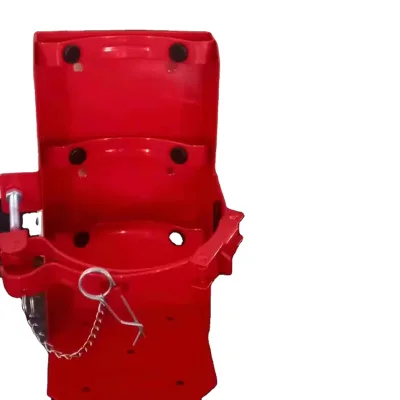
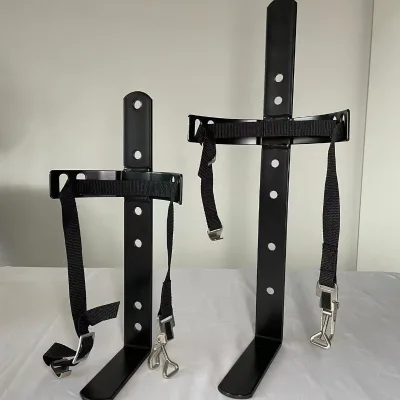
Market analysis reveals a broad spectrum of bracket types, with materials ranging from ABS plastic and stainless steel to heavy-gauge steel and metal-plastic composites. Observed listings indicate that common models are often constructed from ABS plastic or stainless steel, offering varying degrees of durability and corrosion resistance. For instance, some products are explicitly described as "red plastic" or "black plastic," suggesting color-coded options that may align with safety standards or aesthetic preferences. Other listings highlight "heavy truck use" brackets made from steel, indicating a specialized segment for mobile or industrial applications where vibration and impact resistance are paramount.
Packaging and dimensional specifications also vary significantly across suppliers, reflecting the diverse needs of different installation scenarios. Standard packaging often involves cartons, with specific dimensions such as 100100370mm or smaller units like 9X9X10 cm for individual components. Some suppliers offer custom packaging solutions, which can be crucial for bulk shipments or specific logistical requirements. The observed price range of 0.22 to 20.85 USD suggests a wide disparity in quality, material thickness, and manufacturing complexity. Buyers should note that lower-priced items may be made from thinner materials or basic plastics, while higher-priced options likely involve stainless steel or specialized coatings for enhanced rustproofing.
Technical Specifications to Verify
When evaluating technical specifications, the material composition is the most critical factor in determining rustproof capabilities. Stainless steel is a preferred choice for high-corrosion environments due to its inherent resistance to oxidation, whereas carbon steel requires additional surface treatments such as powder coating or galvanization to achieve similar protection. Plastic brackets, often made from ABS or other man-made boards, offer excellent corrosion resistance but may lack the load-bearing capacity required for larger, heavier extinguishers. Buyers must verify the specific alloy grade or coating type to ensure the "rustproof" claim is substantiated by material science rather than marketing language.
Load capacity and dimensional compatibility are equally important technical parameters that must be matched to the specific extinguisher model. Listings indicate standards for weight capacities, such as brackets designed for extinguishers weighing up to 9kg, and specific model numbers like SA08-251-10 or SA08-213-01A. The inner diameter of the bracket must accommodate the cylinder of the extinguisher, with some specifications noting an inner diameter below 195mm. Additionally, the structural design, whether it is a triangle bracket, upright mount, or adjustable frame, must align with the installation surface and the required viewing angle of the device. Verifying these dimensions against the actual extinguisher inventory prevents costly mismatches and installation failures.
Compliance and Safety Documentation
Fire safety equipment is subject to rigorous regulatory oversight, and the mounting hardware must support, not hinder, compliance with local fire codes. While the brackets themselves may not always require independent certification, they must be compatible with extinguishers that are certified by recognized testing laboratories. Buyers should ensure that the bracket design does not obstruct the pressure gauge, safety pin, or operating instructions on the extinguisher cylinder. In some jurisdictions, brackets must be installed at specific heights and angles to ensure accessibility for all users, including those with disabilities.
Documentation from suppliers should include detailed installation manuals and material safety data sheets, particularly for metal brackets that may involve chemical coatings. Although standards like ASTM B117 for salt spray testing or ISO 45001 for occupational health and safety are relevant to the manufacturing process, buyers should verify if the supplier has conducted such tests on their specific batch of brackets. Requesting test reports for corrosion resistance can provide objective evidence of the product's durability. Additionally, suppliers should provide clear labeling regarding the maximum load capacity and recommended mounting hardware, ensuring that the installation process meets structural safety requirements.
Cost Drivers and Commercial Terms
The cost of a fire extinguisher bracket is influenced by several key factors, including material type, manufacturing complexity, and order volume. Stainless steel brackets typically command a higher price than plastic or coated steel alternatives due to the raw material costs and more demanding machining processes. Customization options, such as specific colors, logos, or non-standard dimensions, can also increase the unit price. Observed minimum order quantities (MOQs) range from 10 pieces to 5000 pieces, with some suppliers requiring MOQs between 200 and 1000 pieces for custom orders. Buyers should align their order volume with their inventory needs to avoid excessive holding costs or stockouts.
Commercial terms and payment conditions vary among suppliers, with some offering flexible payment structures for repeat customers. The observed price range suggests that buyers can find options for both budget-conscious projects and high-specification industrial applications. However, the lowest prices may come with trade-offs in terms of material thickness or coating quality. Buyers should request detailed quotations that break down costs for materials, labor, and packaging. Additionally, understanding the lead times for production and shipping is essential for maintaining adequate stock levels of fire safety equipment. Negotiating volume discounts or long-term supply agreements can help stabilize costs over time.
Supplier Qualification and Quality Control
Evaluating supplier qualifications is a crucial step in ensuring the reliability of the procurement process. Buyers should verify the supplier's manufacturing capabilities, including their experience with metalworking or plastic injection molding. Suppliers located in regions known for industrial manufacturing, such as Zhejiang in China, may offer competitive pricing and established supply chains. However, geographic location alone is not a guarantee of quality. Buyers should request samples of the brackets to inspect the finish, weld quality, and overall build. For metal brackets, checking for consistent coating thickness and absence of sharp edges is essential.
Quality control processes should be clearly defined and communicated by the supplier. This includes in-process inspections, final random inspections, and packaging checks to prevent damage during transit. Buyers should inquire about the supplier's defect rate and their policy for handling non-conforming products. Establishing a clear quality agreement that specifies acceptable tolerances for dimensions and material properties can help prevent disputes. Additionally, suppliers should be willing to provide traceability information, such as batch numbers or material certificates, which can be valuable for audit purposes and future quality investigations.
Long-Term Procurement Checks
Maintaining a reliable supply chain for fire safety equipment requires ongoing monitoring and periodic re-evaluation of suppliers. Buyers should conduct regular audits of their installed brackets to assess their condition and performance over time. Signs of corrosion, loosening of mounting hardware, or damage to the bracket structure should be documented and reported to the supplier. This feedback loop can help identify potential quality issues early and drive continuous improvement. Additionally, staying informed about changes in fire safety regulations and standards is essential to ensure that existing installations remain compliant.
As technology and materials evolve, buyers should remain open to upgrading their bracket systems if new, more durable options become available. For example, advancements in polymer chemistry may offer plastic brackets with higher load capacities and better UV resistance. Similarly, new coating technologies may provide enhanced corrosion protection for steel brackets at a lower cost. Regularly reviewing the total cost of ownership, including maintenance and replacement costs, can help justify investments in higher-quality brackets. By maintaining a proactive approach to procurement, buyers can ensure that their fire safety infrastructure remains robust, compliant, and cost-effective over the long term.
FAQs
What materials are used for fire extinguisher brackets?
Fire extinguisher brackets are commonly made from stainless steel, steel, or ABS plastic. Some models combine metal and plastic components to ensure durability while maintaining a lightweight structure for easy installation on walls or in vehicles.
Can I find custom sizes for these brackets?
Yes, customization is available for many bracket models to meet specific project requirements. Buyers can request custom dimensions, colors, or structural designs, though standard options like 100*100*370mm are also widely offered for general use.
Which brackets support heavy fire extinguishers?
Heavy-duty steel brackets are designed to support extinguishers weighing up to 9kg. These units often feature a triangle bracket structure and are suitable for both wall mounting and use in heavy truck applications for enhanced stability.
How does the packaging affect shipping costs?
Brackets are typically packed in cartons with single package sizes ranging from 9x9x10 cm to 21x17x49 cm. The packaging dimensions and gross weight directly influence shipping logistics, with some items weighing up to 9kg per single package.
What is the minimum order quantity for these brackets?
Minimum order quantities vary significantly, ranging from 10 pieces to 5000 pieces depending on the supplier and product model. Some standard models require as few as 10 units, while others may start at 100 or 200 pieces for bulk orders.
Are these brackets adjustable or fixed?
Most available fire extinguisher brackets are unadjustable and designed with a fixed structure. They are typically sold in an unfolded state, ensuring a rigid and secure hold for the fire extinguisher without the need for complex assembly or adjustment.