Source Ruthenium Iridium Titanium Oxide Electrode for Water Treatment, Electrolysis, and Corrosion Protection
Find 30 listings for the Ruthenium Iridium Titanium Oxide Electrode designed for electrolyzed water treatment and industrial applications. Buyers can compare specifications including coating thickness, current density, and dimensions from verified Chinese manufacturers.
Key considerations
Products List


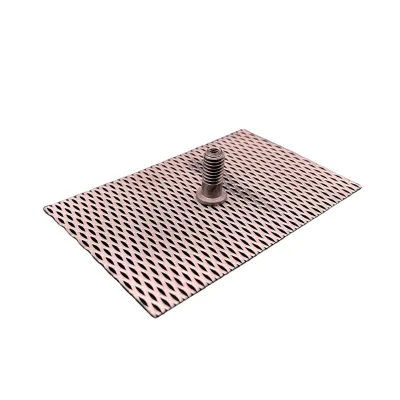
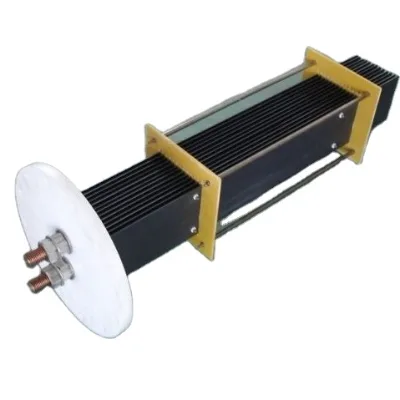
Titanium Anode Assembly Ruthenium Iridium Coating Custom Titanium Electrode
$19.00 - $1999.00
MOQ: 1 Pieces

Titanium-Ruthenium-Iridium Electrode Grid for Electroplating, Titanium Anode
$860.00 - $890.00
MOQ: 1 Sets


Ruthenium Iridium Oxides Coated Titanium Electrode Mesh for Chlorine Generator
$18.00 - $45.00
MOQ: 10 Square Meters


Ru-Ir Coated Titanium Anode Tube MMO Electrode for Electrophoretic Coating
$250.00 - $1500.00
MOQ: 1 Pieces


Iro2 Ta2o5 Mmo Coated Titanium Rod Anode for Cathodes Protection Purpose
$20.00 - $100.00
MOQ: 1 Pieces


Comprehensive Sourcing Guide
Strategic Sourcing Guide for Ruthenium Iridium Titanium Oxide Electrodes
Understanding Core Technical Specifications and Material Grades
When sourcing ruthenium iridium titanium oxide electrodes, buyers must first establish a clear understanding of the fundamental material composition and physical dimensions that define product performance. The base material for these critical components is consistently identified as Grade 1 Titanium, a choice driven by its exceptional corrosion resistance and structural integrity in harsh electrochemical environments. The electrode surface is treated with a specific coating composition, typically described as Ruthenium-Iridium (Ru-IR) or variations including Iridium-Tantalum (IR-Ta), which is essential for facilitating the electrolysis process while maintaining longevity.
The physical form of the electrode varies significantly based on the intended application. Available anode types include plates, bars, tubes, wires, and custom components. For plate-based applications, specific dimensional standards are observed, such as a diameter of 45mm with a thickness of 1.5mm, or a 37mm diameter variant. In other configurations, such as the TRIE SERIES, the standard dimension is noted as a diameter of 29.5mm with a thickness of 1.0mm, featuring double-sided coating. Larger industrial assemblies, like those in the TRIEG SERIES, may reach dimensions of 450mm by 550mm with a thickness of 2.5mm. The coating thickness itself is a critical variable, with observed ranges typically falling between 8 and 12 microns, ensuring sufficient catalytic activity without unnecessary material waste.
The manufacturing process involves a combination of rolling, cutting, welding, and painting techniques, followed by specialized processing services such as bending, decoiling, and punching. For mesh-based applications, the product may be categorized as expanded metal mesh with a mesh size of 5*10mm, designed for use as protecting mesh, filters, or cages. The purity of the titanium substrate is paramount, with titanium content often specified at 99.99%, ensuring that impurities do not compromise the electrode's electrochemical efficiency. Buyers should verify that the specific model series they are considering, such as the TAARI or TRIES series, aligns with their required current density and operating voltage parameters.
Compliance, Certification, and Regulatory Standards
In the industrial procurement of electrochemical components, verifying supplier compliance with international management standards is a non-negotiable step. The supplied data indicates that reputable manufacturers in this sector typically hold certifications including ISO9001, ISO14001, and ISO45001. These certifications represent adherence to quality management, environmental management, and occupational health and safety standards, respectively. While ISO9001:2015 is a recognized standard in the broader industry, buyers must confirm that the specific supplier under consideration maintains active and valid certification status for all three pillars, rather than assuming compliance based on general market knowledge.
The origin of the product is a significant factor in the supply chain, with the majority of these specialized electrodes originating from China. This geographic concentration offers competitive pricing but necessitates rigorous due diligence regarding the supplier's ability to maintain consistent quality control across different production batches. The packaging standards also play a role in compliance and logistics; products are often shipped in individual packing units supplemented by wooden boxes to prevent damage during transit. For larger assemblies, specific package dimensions, such as a diameter of 460mm by 460mm and a height of 560mm, must be accounted for in freight planning.
Buyers should not rely on general assertions of compliance but must request current certificates of conformity directly from the supplier. The presence of a "Customization" attribute in the product data suggests that suppliers are capable of adapting to specific regulatory requirements, but this must be explicitly confirmed in the procurement contract. Furthermore, the "Support Customization" flag indicates that the manufacturer is open to tailoring the electrode's physical or chemical properties, which is crucial for meeting unique industry standards or specific client mandates.
Cost Drivers and Pricing Dynamics
The pricing structure for ruthenium iridium titanium oxide electrodes is influenced by a complex interplay of material costs, manufacturing complexity, and order volume. The observed price range in the market spans from $1.30 to $2,100 USD, a wide variance that reflects the diversity of product sizes, coating thicknesses, and customization levels. A small, single-piece anode with a diameter of 29.5mm will naturally fall at the lower end of this spectrum, whereas a large, custom-assembled unit with dimensions of 450mm by 550mm and a high coating thickness will command a premium price.
Material costs are a primary driver, particularly the price of high-purity titanium and the precious metals used in the coating, such as ruthenium and iridium. The coating thickness, observed between 8 and 12 microns, directly impacts the amount of precious metal required, thereby influencing the final unit cost. Additionally, the complexity of the manufacturing process, including services like welding, bending, and punching, adds labor and overhead costs that are reflected in the price.
Order volume is another critical determinant of cost. The Minimum Order Quantity (MOQ) varies significantly, ranging from a single unit to 100 units, with some specific models requiring a minimum of 10 sets. Buyers should note that while the base price might be low for small quantities, the per-unit cost often decreases as the order volume increases, provided the supplier's capacity allows for efficient production scaling. The lead time, observed to be between 5 and 7 days for standard orders, also affects cost; expedited shipping or rush orders may incur additional fees. Buyers must balance the need for immediate delivery against the potential cost savings associated with larger, planned procurement cycles.
Typical Applications and Performance Parameters
The versatility of ruthenium iridium titanium oxide electrodes makes them suitable for a wide array of industrial applications, with electrolyzed water treatment being a primary use case. In this context, the electrodes function to facilitate the generation of disinfectants or the treatment of wastewater through electrochemical reactions. The performance of these electrodes is defined by specific operational parameters, including a working current that can range from 0.6A to 0.8A, and an operating voltage of 5V. These electrical characteristics must match the power supply systems of the client's equipment to ensure optimal efficiency.
Current density is another critical performance metric, with observed values ranging from 300 to 350 A/m² up to 400 A/m², and in some high-performance configurations, reaching 600 to 800 A/m². The durability of the electrode is equally important, with some specifications citing a service life of up to 13,080 hours. This longevity is achieved through the robust combination of the Grade 1 titanium base and the Ru-IR coating, which resists corrosion and maintains catalytic activity over extended periods.
The electrodes are also employed in applications requiring specific physical forms, such as expanded metal mesh for filtering or cage structures. In these scenarios, the hole shape, often square, and the mesh size of 5*10mm are critical for ensuring proper flow dynamics and filtration efficiency. The working temperature range for the electrolyte is typically maintained between 25°C and 40°C, a condition that must be monitored to prevent degradation of the coating or the base material. Buyers should ensure that their operational environment aligns with these thermal and electrical parameters to maximize the lifespan and effectiveness of the purchased electrodes.
Supplier Evaluation and Quality Control Protocols
Evaluating a supplier for ruthenium iridium titanium oxide electrodes requires a multi-faceted approach that goes beyond simple price comparison. Buyers should assess the supplier's manufacturing capabilities, specifically their proficiency in the listed techniques of rolling, cutting, welding, and painting. The availability of processing services such as bending, decoiling, and punching indicates a level of flexibility that is essential for custom projects. It is imperative to verify that the supplier can consistently produce electrodes that meet the specified standards, such as the φ 29.51.0mm double-sided coating or the φ 451.5mm variants.
Quality control protocols should be a central part of the supplier evaluation. Buyers must inquire about the testing procedures used to verify coating thickness, current density, and durability. The observed durability of 13,080 hours suggests that rigorous testing is part of the production cycle, but buyers should request evidence of these tests, such as batch-specific reports or third-party verification. The presence of ISO certifications is a positive indicator, but it should be complemented by on-site audits or detailed quality assurance documentation.
Furthermore, the supplier's ability to support customization is a key differentiator. The data indicates that customization is available, but the extent of this capability varies. Buyers should clarify the scope of customization, including whether the supplier can modify the mesh size, hole shape, or coating composition to meet specific project requirements. The packaging standards, ranging from individual packing to wooden boxes, should also be evaluated to ensure that the product arrives in pristine condition, ready for installation.
Long-Term Procurement and Supply Chain Considerations
Sourcing ruthenium iridium titanium oxide electrodes is not merely a transactional activity but a strategic decision that impacts long-term operational efficiency. The lead time, typically observed between 5 and 7 days, allows for relatively quick replenishment, but buyers should plan for potential delays due to supply chain disruptions or custom order complexities. Establishing a reliable relationship with a supplier who can consistently meet these lead times is crucial for maintaining uninterrupted production schedules.
The customization options available, such as the ability to produce specific models like the TRIE, TAARI, or TRIES series, offer buyers the flexibility to adapt to changing operational needs. However, this flexibility must be managed carefully to avoid inconsistencies in product quality. Buyers should develop a standardized specification sheet that clearly outlines the required dimensions, coating thickness, and material grades to ensure that every order meets the same high standards.
Finally, the total cost of ownership should be considered, factoring in not just the purchase price but also the installation costs, maintenance requirements, and the expected lifespan of the electrodes. The high durability of these components, with some lasting over 13,000 hours, suggests that they offer a strong return on investment despite potentially higher upfront costs. By focusing on quality, compliance, and supplier reliability, buyers can secure a supply chain that supports their long-term operational goals and minimizes the risk of equipment failure or production downtime.
FAQs
What certifications do these electrodes typically hold?
Reputable manufacturers hold ISO9001, ISO14001, and ISO45001 certifications. These standards verify adherence to quality, environmental, and safety management protocols required for industrial procurement.
How is the titanium base material specified?
The base material is Grade 1 Titanium with a titanium content of 99.99%. This high purity ensures exceptional corrosion resistance and structural integrity in harsh electrochemical environments.
What is the standard coating thickness for these electrodes?
The coating thickness typically ranges from 8 to 12 microns. This specific layer of Ruthenium-Iridium ensures sufficient catalytic activity while maintaining longevity during electrolysis processes.
Can these electrodes be customized for specific applications?
Yes, customization is available for various anode types including plates, bars, and tubes. Suppliers support modifications to meet unique project requirements and specific client mandates.
What is the typical lead time for standard orders?
The lead time for standard orders is typically 5 to 7 days. This duration allows for relatively quick replenishment while maintaining consistent production schedules.
Which applications are these electrodes primarily designed for?
These electrodes are primarily designed for electrolyzed water treatment. They facilitate the generation of disinfectants or wastewater treatment through efficient electrochemical reactions.