Source sawtooth roof steel-plastic hydroponic greenhouse for Vegetables, Mixed Farming, Animal Husbandry
Compare 30 sawtooth roof steel-plastic hydroponic greenhouse options featuring steel structures, film coverings, and customizable hydroponic systems. These units support vegetable production, mixed farming, and animal husbandry with stable designs and optional cooling or heating systems.
Key considerations
Products List

Multi-Span Hydroponic Plastic Film Greenhouse for Plants with Hydroponic Systems
$10.00 - $15.00
MOQ: 500 Square Meters


Multi-Span Intelligent Plastic Film Hydroponic Greenhouse for Sale
$10.00 - $15.00
MOQ: 500 Square Meters
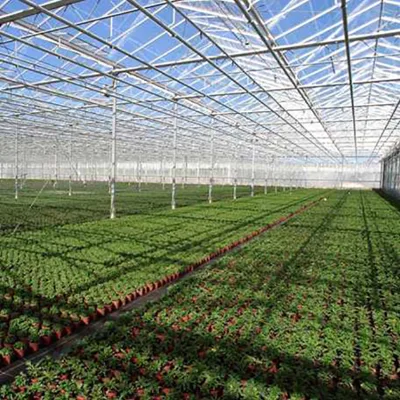


Easy-to-Install Steel Film Cold Hydroponic Greenhouse for Quick Setup
$1.50 - $12.00
MOQ: 10 Square Meters

Sawtooth Roof Film Multi-Span Greenhouse for Large-Scale Cultivation
$4.00 - $21.00
MOQ: 10 Square Meters

Premium Greenhouse for Hydroponic Strawberries - Sawtooth Design
$26.00 - $48.00
MOQ: 500 Square Meters

Premium Sawtooth Roof Greenhouse for Vegetable and Fruit Cultivation
$26.00 - $48.00
MOQ: 500 Square Meters


Spacious Hydroponic Glass Greenhouse with Climate Control Features
$26.00 - $48.00
MOQ: 500 Square Meters


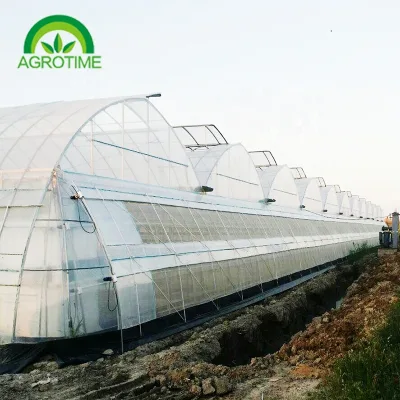

Premium Multi-Span Hydroponic Glass Greenhouse for Optimal Growth
$8.00 - $10.00
MOQ: 200 Square Meters
Cangzhou Zhuotai Greenhouse Equipment Manufacturing Co., Ltd.

Premium Multi-Span Glass Greenhouse with Hydroponic System Option
$8.00 - $10.00
MOQ: 200 Square Meters
Cangzhou Zhuotai Greenhouse Equipment Manufacturing Co., Ltd.

Large Hydroponic Greenhouse with Multi-Span Design Single PE Layer
$5.00 - $7.00
MOQ: 200 Square Meters
Cangzhou Zhuotai Greenhouse Equipment Manufacturing Co., Ltd.

Waterproof Greenhouse with Customizable Large Hydroponic Agricultural Greenhouse Multi-Span Steel
$0.35 - $0.80
MOQ: 500 Square Meters
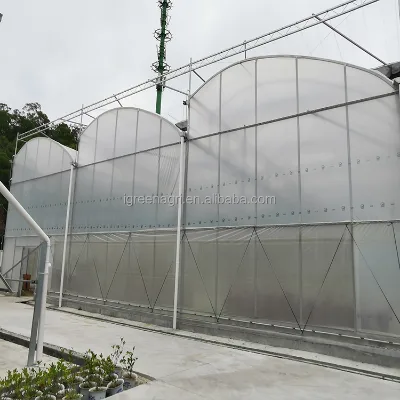

High-Performance Greenhouse for Hydroponic Gardening and Plant Care
$4.50 - $15.00
MOQ: 100 Square Meters

Multi Tunnel Plastic Greenhouse for Hydroponic Vegetable Farming with Climate Control System
$12.00 - $18.00
MOQ: 500 Square Meters

Multi-Span Film Greenhouse for Hydroponic Vegetable Production
$15.00 - $50.00
MOQ: 1000 Square Meters


Comprehensive Sourcing Guide
Sourcing Guide for Sawtooth Roof Steel-Plastic Hydroponic Greenhouses
The global demand for controlled-environment agriculture has driven significant innovation in greenhouse construction, particularly for high-value crops requiring precise climate control. Buyers searching for a "sawtooth roof steel-plastic hydroponic greenhouse" are typically looking for a structure that maximizes natural light while offering robust ventilation and a stable framework for soilless cultivation. While the term "sawtooth" implies a specific architectural profile often associated with industrial glasshouses, the current market for steel-plastic structures frequently utilizes arched or multi-span designs that achieve similar ventilation benefits through side and roof vents. This guide synthesizes available product attributes and industry standards to help procurement professionals evaluate suppliers, understand technical specifications, and mitigate risks when sourcing these complex agricultural assets.
Structural Design and Material Composition
The foundation of any successful greenhouse procurement lies in the integrity of its structural framework and the durability of its covering materials. In the context of steel-plastic hydroponic systems, the primary structural component is typically a hot-dip galvanized steel structure. This material choice is critical for longevity, as it provides resistance against corrosion in humid agricultural environments. The specific steel type observed in the market is often described as "Hot DIP Galvanized Steel Structure" or "Hot Galvanized Steel Pipes," ensuring that the frame can withstand wind loads and snow pressure without degrading over time.
The covering material is equally vital. While some high-end facilities utilize glass or polycarbonate sheets, the steel-plastic category predominantly relies on polyethylene (PE) or polyolefin (PO) films. These films are selected for their high light transmission and cost-effectiveness. The market data indicates that the covering is often referred to as "PE or Po Film/Plastic," and in some configurations, polycarbonate sheets may be used for specific roof sections to enhance impact resistance. The roof shape is a key differentiator; while the search term suggests a sawtooth profile, the actual product listings frequently describe an "Arched Roof" or "Multi-span" configuration. This design allows for a "Single Layer" of covering while maintaining a large internal volume. The structure is designed to be "Stable" and "Easily Assembled," which reduces on-site construction time and labor costs.
| Component | Typical Specification | Functional Benefit |
|---|---|---|
| Frame Material | Hot DIP Galvanized Steel | Corrosion resistance, high load-bearing capacity |
| Cover Material | PE or PO Film / Plastic | High light transmission, cost-effective replacement |
| Roof Shape | Arched Roof / Multi-span | Optimized water runoff, structural stability |
| Size | Large / Customizable | Scalability for commercial production needs |
| Assembly | Easily Assembled | Reduced installation time and labor costs |
Hydroponic Integration and Climate Control Systems
The core value proposition of a hydroponic greenhouse is its ability to support soilless cultivation methods. The product attributes confirm that these structures are explicitly designed for "Hydroponics" and "Hydroponic Plant Growth." The internal environment must be meticulously managed to support root systems that rely on nutrient-rich water solutions rather than soil. Consequently, the irrigation system is a critical subsystem. The available options include "Drip Irrigation," "Spray," "Sprinkler," and "Fogging" systems. For hydroponic applications, drip irrigation is often the primary method for delivering nutrient solutions directly to the root zone, while fogging systems help regulate humidity and temperature.
Climate control is the second pillar of the hydroponic greenhouse's functionality. The structure is equipped with "Automatic/Intelligent Cooling Fan and Pad" systems to manage heat buildup, which is essential for preventing crop stress in "Continuous Heating" environments. Ventilation is managed through "Double Side Ventilation" and "Manual Type" side vents, ensuring adequate air exchange. Additionally, the "Sunshade System" often includes a "Curtain/Transmission/Distribution System" to block excessive sunlight during peak hours, protecting sensitive crops. Some advanced configurations offer optional "Inner Shading Systems" and "Ventilation Systems" as add-ons. The heating method is noted as "Continuous Heating," suggesting the structure is designed for year-round production in varying climates, rather than seasonal use only.
Compliance, Certification, and Origin Verification
When sourcing agricultural infrastructure from international markets, verifying the origin and compliance status is paramount. The supplied data indicates that the primary place of origin for these structures is "China," with specific manufacturing hubs noted in "Qingzhou City, Shandong Province" and "Guangdong." Buyers must recognize that while these regions are major manufacturing centers, the specific factory names and certifications should be verified on a case-by-case basis. Although background knowledge often associates Chinese manufacturers with ISO9001, ISO14001, and ISO45001, these specific standards are listed as low-confidence background information in the provided context. Therefore, procurement teams should not assume a supplier holds these certifications without requesting valid, up-to-date certificates.
The product standard is listed as "Customized," which implies that the greenhouse is often built to the specific requirements of the buyer rather than adhering to a rigid, pre-existing national standard. This flexibility allows for tailored solutions but requires rigorous definition of the technical specifications in the purchase order. The "Brand name" observed in some listings is "ray," but this should be treated as a specific product line identifier rather than a universal brand guarantee. Buyers should verify the "Manufactory" details, such as "Sinok Greenhouse," if mentioned, but must conduct independent due diligence on the entity's financial stability and production capacity. The "Product name" and "Model number" (e.g., "ray-20200910-01") serve as unique identifiers for tracking specific configurations, but they do not inherently guarantee quality without supporting documentation.
Cost Drivers and Pricing Variables
Understanding the cost structure of a steel-plastic hydroponic greenhouse is essential for budgeting. The observed price range in the market spans from $0.35 to $800, though this wide variance likely reflects different unit definitions, such as price per square meter versus price per individual component or accessory. The Minimum Order Quantity (MOQ) ranges from 1 to 1000 units, indicating that suppliers cater to both small-scale pilot projects and large commercial developments. The final cost is heavily influenced by the "Size" of the structure, which is often "Large" and "Customizable." A larger footprint requires more steel, more film, and more complex foundation work.
Additional cost drivers include the optional systems selected. The inclusion of a "Cooling System," "Heating System," or a full "Hydroponic System" will significantly increase the total project cost compared to a basic shell structure. The "Steel Type" is a major factor; hot-dip galvanization is more expensive than standard painting but offers superior longevity. Furthermore, the "Packing" method affects logistics costs. Options include "Container Loading" or "Nude or Cartan" (carton) packing. Container loading is generally more efficient for large shipments, reducing per-unit shipping costs, while carton packing might be used for smaller components or accessories. Buyers should also consider the "Single gross weight" of components, which can be around 20.000 kg for certain packages, impacting freight charges and handling requirements at the destination port.
Supplier Evaluation and Quality Assurance
Evaluating a supplier for a complex greenhouse project requires a multi-faceted approach. The first step is to verify the supplier's ability to deliver "Customized" solutions. Since the standard is listed as "Customized," the supplier must demonstrate engineering capabilities to adapt the design to local wind, snow, and seismic conditions. Buyers should request detailed engineering drawings and structural calculations before signing a contract. The "Features" listed, such as "Impact Resistant," "Waterproof," and "Eco-Friendly," are observations that must be validated through third-party testing or site visits.
Quality control should be embedded throughout the procurement process. The "Stable Structure" attribute is a claim that requires verification of the steel thickness and welding quality. Buyers should inspect the "Hot DIP Galvanized" coating thickness to ensure it meets international corrosion protection standards. For the film covering, buyers must verify the UV resistance and tear strength specifications. The "Irrigation Type" and "Cooling System" components should be sourced from reputable sub-suppliers with their own warranties. It is advisable to request a pre-shipment inspection report that covers the structural integrity, the functionality of the ventilation and cooling systems, and the accuracy of the hydroponic setup. The "Place of Origin" being in specific Chinese provinces suggests a mature supply chain, but buyers must ensure the specific factory has a track record of exporting similar structures to their region.
Long-Term Procurement and Operational Considerations
Procuring a greenhouse is a long-term investment that extends well beyond the initial purchase. The "Usage" is defined as "Agriculture / Commercial / Animal Husbandry," indicating the structure's versatility. However, the specific application as a "Production Greenhouse" for "Vegetables" or "Mixed Farming" dictates the operational requirements. Buyers should consider the "Cultivation Method" of "Hydroponics" when planning the internal layout, as this requires specific support structures for growing channels or troughs. The "Layer" is "Single," which simplifies the internal climate management but may require careful zoning for different crop stages.
Maintenance is a critical long-term consideration. The "PE or Po Film" covering will eventually degrade due to UV exposure and must be replaced, typically every 3-5 years depending on the film quality. The "Steel Structure" requires periodic inspection for corrosion, especially in coastal or high-humidity environments. The "Automatic/Intelligent Cooling Fan and Pad" systems require regular cleaning and maintenance to ensure efficiency. Buyers should negotiate a comprehensive after-sales service agreement that includes the availability of spare parts, such as replacement film rolls, fan motors, and irrigation emitters. The "Optional Systems" like the "Inner Shading System" and "Ventilation System" add complexity to the maintenance schedule and should be included in the training provided by the supplier. Finally, the "Renewable Sources" feature mentioned in the product features suggests potential for integrating solar power or other sustainable energy solutions, which should be evaluated during the design phase to reduce long-term operational costs.
In conclusion, sourcing a sawtooth roof steel-plastic hydroponic greenhouse involves navigating a complex landscape of structural engineering, climate control technology, and supply chain logistics. By focusing on the verified attributes of hot-dip galvanized steel, customizable film coverings, and integrated hydroponic systems, buyers can make informed decisions. The wide range of optional systems and the potential for customization mean that every project is unique. Therefore, rigorous supplier evaluation, clear specification of technical requirements, and a focus on long-term maintenance are essential strategies for securing a high-performance agricultural facility that meets the demands of modern commercial farming.
FAQs
What structural material is used for the frame?
The frame is constructed from hot-dip galvanized steel to ensure corrosion resistance and stability. This material choice supports large customizable sizes and withstands wind loads in outdoor production environments.
Which covering materials are available for the roof?
The roof typically uses PE or PO film, though polycarbonate sheets are sometimes used for impact resistance. These materials provide high light transmission suitable for hydroponic plant growth and vegetable production.
Can the greenhouse be customized for specific needs?
Yes, customization is available for size, systems, and standards to meet specific buyer requirements. Buyers can select from optional cooling, heating, ventilation, and hydroponic systems to tailor the facility.
How is the climate controlled inside the structure?
Climate control utilizes automatic intelligent cooling fans and pads along with continuous heating methods. Double side ventilation and manual side vents ensure adequate air exchange for stable crop conditions.
What irrigation methods support the hydroponic system?
The system supports drip irrigation, spray, sprinkler, and fogging methods for precise nutrient delivery. These options are integrated to maintain optimal humidity and root zone conditions for soilless cultivation.
Where are these greenhouses manufactured and shipped from?
Manufacturing originates from Qingzhou City, Shandong Province, and Guangdong, China. Products are packed via container loading or nude/carton methods for efficient international shipping and logistics.
What is the typical minimum order quantity for purchase?
The minimum order quantity ranges from one to one thousand units depending on the supplier. This flexibility allows procurement for both small pilot projects and large commercial agricultural developments.