Source Lightweight Durable Pickleball Paddle for Training, Competition, and OEM Branding
Explore 30 listings for a Lightweight Durable Pickleball Paddle designed for training, competition, and custom branding. Compare specifications including carbon and glass fiber materials, cold press cutting technology, and OEM customization options to find the right fit for your business needs.
Key considerations
Products List


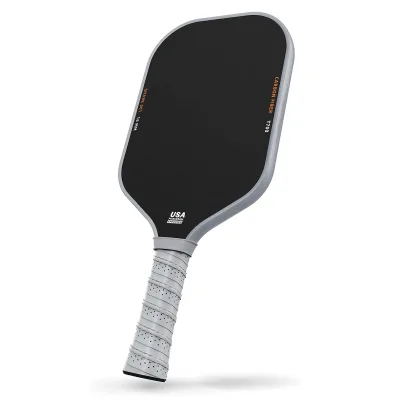


Competitive Pickleball Paddle with Premium Quality and Usapa Certification
$12.00 - $15.00
MOQ: 300 Pieces


Comprehensive Sourcing Guide
Lightweight Durable Pickleball Paddle Sourcing Guide
Sourcing high-performance pickleball paddles requires a careful balance between weight reduction and structural integrity, particularly when targeting adult players who demand consistency in competition and training environments. The market offers a diverse array of options, ranging from carbon fiber constructions to glass fiber composites, each presenting distinct advantages in terms of power, control, and durability. Buyers must navigate a landscape where "lightweight" and "durable" are often competing attributes, requiring a deep understanding of material science and manufacturing processes to select the right product for their specific brand positioning. This guide provides a structured approach to evaluating suppliers, verifying technical specifications, and ensuring commercial viability for OEM and private-label procurement.
The following sections outline the critical steps for sourcing lightweight, durable pickleball paddles, focusing on evidence-based verification of product attributes, compliance requirements, and supplier capabilities. By adhering to these guidelines, procurement professionals can mitigate risks associated with quality inconsistencies, supply chain disruptions, and regulatory non-compliance. The goal is to establish a robust sourcing strategy that aligns with the specific needs of the target audience, whether they are beginners seeking affordable entry-level gear or intermediate players demanding professional-grade equipment.
Product Scope and Observed Listing Signals
The current market landscape for pickleball paddles is characterized by a wide variety of materials and design features, with carbon fiber and glass fiber being the most prominent options for lightweight construction. Listings frequently highlight "carbon" and "glass fibre" as primary materials, indicating a strong industry shift toward composite cores that offer superior strength-to-weight ratios compared to traditional wood or aluminum paddles. Buyers should observe that many suppliers offer "OEM Pickleball Paddles" with customization options, allowing brands to tailor the product to their specific aesthetic and performance requirements. This customization often extends to logo placement, color schemes, and even the inclusion of specific design elements like "40 Holes" for enhanced airflow and reduced wind resistance.
Target audience segmentation is another critical signal observed in product listings, with many suppliers explicitly targeting "Adult" players and emphasizing features suitable for "Beginner Pickleball Paddles" as well as "Intermediate Players." This dual focus suggests that manufacturers are producing versatile products that can appeal to a broad range of skill levels, from entry-level enthusiasts to more serious competitors. Additionally, the presence of terms like "Double Black Diamond Pickleball Paddle" and "Gearbox Pickleball Paddle" indicates a market trend toward branded or specialized designs that may command higher price points or cater to niche consumer preferences. Buyers should carefully evaluate these signals to determine which product segments align with their brand strategy and customer base.
Technical Specifications to Verify
When evaluating the technical specifications of lightweight pickleball paddles, the core material composition is the most critical factor to verify. Carbon fiber paddles are generally preferred for their stiffness and power, while glass fiber paddles offer a softer feel and greater control. Buyers should request detailed material breakdowns to confirm the percentage of carbon fiber versus other composite materials, as this directly impacts the paddle's weight, durability, and performance characteristics. Additionally, the manufacturing process, such as "Cold Press Cutting," should be verified to ensure that the paddle's structure is consistent and free from defects that could compromise its longevity.
Weight and balance are also key technical specifications that must be carefully assessed. The observed weight range of "8.5 Ounce & Above" suggests that many paddles are designed to provide a solid feel and power generation, which is often preferred by adult players. However, buyers should verify the exact weight distribution, as a well-balanced paddle can significantly enhance control and maneuverability. Other specifications to verify include the handle length and grip size, which should be comfortable for the target demographic, and the surface texture, which affects spin potential. Buyers should also inquire about the core material, such as polymer or honeycomb structures, as these play a crucial role in the paddle's overall performance and durability.
Compliance and Safety Documentation
Compliance and safety documentation are essential for ensuring that pickleball paddles meet international standards and regulations, particularly when exporting to markets with strict product safety requirements. Buyers should verify that suppliers have the necessary certifications for materials used in paddle construction, such as non-toxic adhesives and safe composite materials. While specific certification standards were not explicitly mentioned in the observed listings, buyers should proactively request documentation to confirm that the paddles comply with relevant safety regulations, such as those related to chemical composition and physical safety.
Additionally, buyers should ensure that suppliers provide clear labeling and packaging instructions that comply with destination market requirements. This includes accurate product descriptions, warning labels, and care instructions that help consumers use the paddles safely. Buyers should also verify that the packaging materials, such as "Carton" or "Paper Box," are durable enough to protect the paddles during shipping and storage, preventing damage that could compromise the product's integrity. By prioritizing compliance and safety, buyers can mitigate risks associated with product recalls, legal liabilities, and reputational damage.
Cost Drivers and Commercial Terms
The cost of lightweight pickleball paddles is influenced by several factors, including material costs, manufacturing complexity, and customization requirements. Carbon fiber and glass fiber materials are generally more expensive than traditional materials, contributing to higher production costs. Additionally, the "Cold Press Cutting" process and other advanced manufacturing techniques can increase labor and equipment costs. Buyers should also consider the costs associated with customization, such as logo printing and packaging design, which can add to the overall price per unit.
Commercial terms, such as Minimum Order Quantity (MOQ) and payment terms, are also critical considerations for buyers. The observed MOQ range of 10-500 units suggests that suppliers offer flexible ordering options, allowing buyers to start with smaller quantities to test the market or scale up production as demand grows. Buyers should negotiate favorable payment terms, such as partial upfront payments and balance upon shipment, to manage cash flow and mitigate financial risks. Additionally, buyers should inquire about lead times and shipping options to ensure that products can be delivered in a timely manner, meeting market demand and avoiding stockouts.
Supplier Qualification and Quality Control
Supplier qualification is a crucial step in the sourcing process, requiring a thorough evaluation of the supplier's manufacturing capabilities, quality control systems, and track record. Buyers should verify that suppliers have the necessary equipment and expertise to produce high-quality pickleball paddles, including advanced molding and cutting technologies. Additionally, buyers should inquire about the supplier's quality control processes, such as incoming material inspections, in-process quality checks, and final product testing, to ensure that products meet specified standards.
Quality control should also extend to the supplier's ability to handle customization requests, such as logo printing and packaging design. Buyers should verify that suppliers have the necessary capabilities to produce customized products consistently and accurately, without compromising quality or lead times. Additionally, buyers should request samples of previous work to evaluate the supplier's craftsmanship and attention to detail. By conducting a thorough supplier qualification process, buyers can identify reliable partners who can deliver high-quality products and support their brand's growth.
Long-Term Procurement Checks
Long-term procurement success depends on establishing strong relationships with suppliers and implementing continuous improvement processes. Buyers should regularly review supplier performance metrics, such as on-time delivery rates, product quality, and responsiveness to issues, to identify areas for improvement. Additionally, buyers should maintain open communication with suppliers to address any concerns or changes in requirements promptly. By fostering collaborative relationships, buyers can ensure a stable supply chain and access to the latest product innovations.
Furthermore, buyers should stay informed about market trends and consumer preferences to adapt their sourcing strategies accordingly. This includes monitoring changes in material technologies, design trends, and regulatory requirements that may impact product development and compliance. By remaining agile and proactive, buyers can maintain a competitive edge and meet the evolving needs of their customers. Long-term procurement checks should also include periodic audits of supplier facilities and processes to ensure ongoing compliance with quality and safety standards.
FAQs
What materials are used for lightweight durable pickleball paddles?
These paddles are constructed using glass fibre and carbon materials to ensure durability and performance. The specific model ZXT-40 utilizes carbon for a lightweight feel while maintaining structural integrity for competitive play.
Can I add a custom logo to these pickleball paddles?
Yes, you can add a free logo to the paddles as part of the OEM customization service. This allows brands to create unique designs while meeting the requirement for custom printing on the product surface.
What is the minimum order quantity for these paddles?
The minimum order quantity is 100 units for this specific product line. This MOQ applies to the carbon and glass fibre models available for both training and competition purposes.
Which technology is used to manufacture these paddles?
The paddles are manufactured using cold press cutting technology to ensure precision and consistency. This process helps achieve the optimal balance required for control and power in adult-level games.
Where are these pickleball paddles manufactured?
These paddles are made in China and are available for global sourcing. The origin is confirmed as China, ensuring that the products meet the specified standards for export and domestic use.
What is the weight of these pickleball paddles?
The paddles weigh 8.5 ounces or above, providing a solid feel for players. This weight range is suitable for intermediate players and adults seeking a balanced racket for training or competition.