Source Sausage Twisting Machine for Meat, Sausages, and Ham
Find 30 listings for the Sausage Twisting Machine designed for commercial meat processing. Buyers can compare specifications, prices, and supplier details for sausage tying and linking applications.
Key considerations
Products List
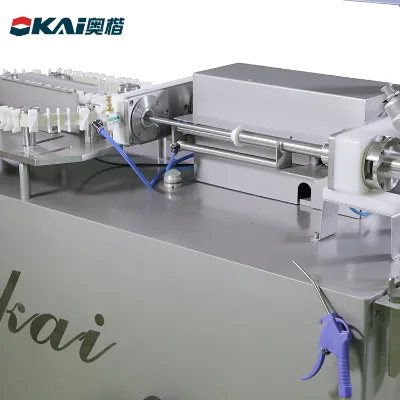
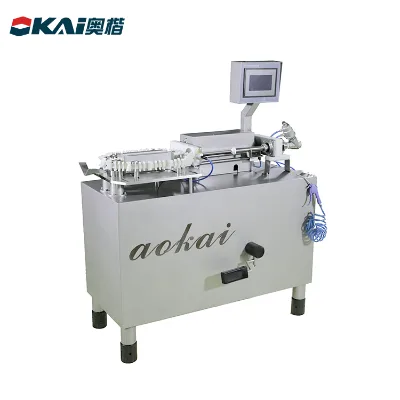
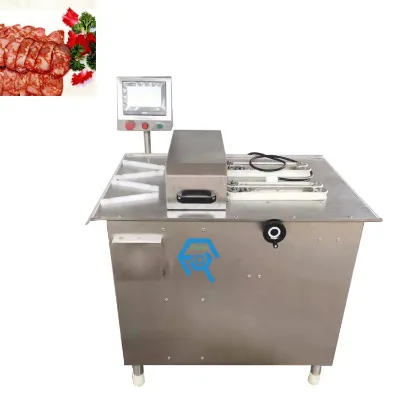
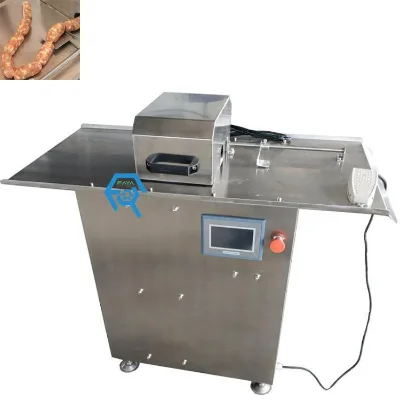


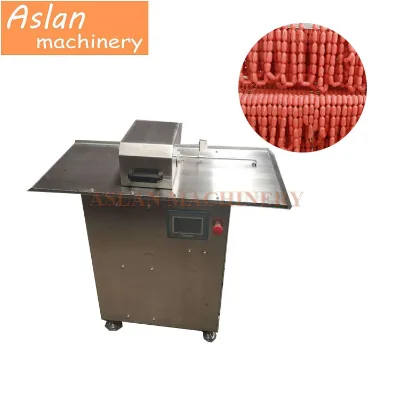


Efficient Meat Processing Commercial Grade Electric Sausage Twisting Machine
$2400.00 - $3500.00
MOQ: 1 Pieces

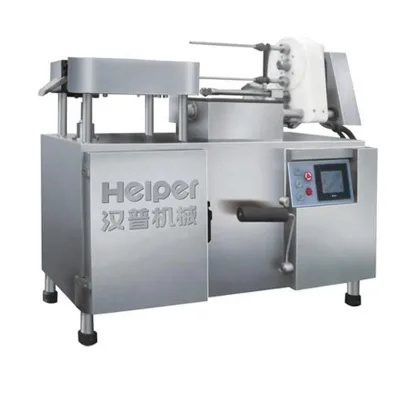
Hot Selling Commercial Stainless Steel Electric Sausage Twisting Machine
$2400.00 - $3500.00
MOQ: 1 Pieces




Comprehensive Sourcing Guide
Strategic Sourcing Guide for Industrial Sausage Twisting and Linking Equipment
Procuring specialized food processing machinery requires a disciplined approach that balances technical capability with supply chain reliability. For buyers investigating the Sausage Twisting Machine, the primary objective is to identify equipment that ensures consistent product quality, operational efficiency, and compliance with food safety standards. This guide synthesizes verified product attributes and industry best practices to assist procurement teams in making informed decisions. The focus remains on objective analysis of machine specifications, material integrity, and supplier evaluation criteria, avoiding speculative claims or unverified market data.
Technical Specifications and Operational Capabilities
The foundation of any successful procurement decision lies in a thorough understanding of the machine's technical specifications. When evaluating a Sausage Twisting Machine or kinking machine, buyers must look beyond the marketing name and examine the core engineering parameters. The observed market data indicates that high-performance units typically feature an automatic grade classified as "Fully Automatic," ensuring minimal manual intervention and consistent throughput. The driven type for these industrial units is often a combination of hydraulic and electric systems, providing the necessary torque for high-volume production while maintaining precision in the twisting and knotting process.
Power consumption is a critical metric for operational cost analysis. Verified data points to a power rating of approximately 3.8KW for standard industrial models, operating on a 380V voltage supply. This electrical requirement necessitates a robust facility power infrastructure. The core components driving the machine's functionality are predominantly the motor and the pump, with the motor often sourced from reputable, famous brands to ensure longevity and reliability. The control interface is increasingly modernized, with many units featuring touch screen operation that supports multiple languages, allowing for flexible deployment in diverse international markets.
Physical dimensions and weight are equally vital for facility planning. The single package size for a unit of this caliber typically measures around 120x60x150 cm, while the overall machine footprint can be substantial, with specific models listing dimensions of 1450x620x1400 mm. The net weight of the machinery is generally recorded around 200 kg, though the single gross weight including packaging can reach 500 kg. This significant mass difference underscores the importance of wooden packing for shipping to prevent damage during transit. Buyers must verify that their loading docks and floor load capacities can accommodate these dimensions and weights.
Material Integrity and Food Safety Compliance
In the food processing industry, material selection is not merely a specification detail but a critical compliance requirement. The material used for the main structural components of a Sausage Twisting Machine must be 304 Stainless Steel (also referred to as SUS304). This grade of stainless steel is the industry standard for food contact surfaces due to its resistance to corrosion, ease of cleaning, and non-reactive nature with food products. The use of 304 Stainless Steel ensures that the machine can withstand the harsh cleaning environments typical of meat processing facilities without degrading or leaching harmful substances.
While CE certification is frequently mentioned in the broader context of machinery, buyers should treat this as a verification point rather than an automatic guarantee. The presence of a machinery test report is a more tangible indicator of quality assurance. Procurement teams should explicitly request and review these reports to confirm that the machine has undergone rigorous testing for safety and performance. The warranty period is another key contractual element, with standard offerings often providing a 1 Year warranty. This warranty should cover critical components like the motor and pump, ensuring that the buyer is protected against early-life failures.
Cost Drivers and Procurement Economics
Understanding the cost structure of industrial sausage machinery requires analyzing several variables beyond the sticker price. The observed listed price range for these units can vary significantly, spanning from 1 USD to 26,000 USD. This wide disparity is not indicative of a single product but rather reflects differences in capacity, automation level, brand reputation, and included features. Buyers must correlate the price with the specific application requirements, such as whether the machine is designed for sausages, meat, and so on, or if it requires specialized handling for plastic and collagen casing.
The MOQ (Minimum Order Quantity) is another economic factor, with observed ranges typically between 1 and 100 units. For smaller operations or pilot projects, the ability to purchase a single item is crucial. However, larger commercial facilities may benefit from bulk purchasing agreements. The supply ability of the manufacturer is a critical risk factor; verified data suggests a capacity of 100 sets per week, which indicates a robust production line capable of handling large orders without significant delays. Buyers should confirm this capacity against their own timeline requirements to avoid supply chain bottlenecks.
Shipping and logistics also play a significant role in the total cost of ownership. The port of dispatch is often listed as Shenzhen, a major logistics hub in Guangdong, China. The place of origin being China implies specific shipping routes and potential tariffs that must be factored into the budget. The packaging details, specifically wooden packing, add to the shipping weight and volume, influencing freight costs. Buyers should request detailed Incoterms to understand exactly where their financial responsibility begins and ends.
Typical Applications and Process Integration
The application of a Sausage Twisting Machine is highly specialized, primarily serving the commercial sausage production sector. These machines are designed to work seamlessly with upstream and downstream equipment. The suit for category includes plastic and collagen casing, which are the most common materials used in modern sausage manufacturing. The machine's usage extends to sausage tying, binding, and linking, making it a versatile tool for various meat processing lines.
Integration with other machinery is a key consideration for process efficiency. The work with compatibility list often includes sausage stuffers and hanging sausage machines. This interoperability ensures a smooth workflow from the stuffing stage to the final linking and tying process. The processing type is defined as a Sausage Twisting Machine/kinking machine, indicating its dual capability to twist the casing and form knots. The type of machine is specifically a knot tying machine for sausage, designed to handle the automatic tying of products with high rigidity and precision.
Supplier Evaluation and Verification Protocols
Evaluating a supplier for industrial food machinery requires a multi-faceted approach. The brand name associated with the equipment, such as AOKAI, should be verified for its market reputation and history. However, buyers should not rely solely on brand recognition; they must conduct due diligence on the specific manufacturing entity. The customization options available are a strong indicator of a supplier's flexibility. Many manufacturers offer customized solutions, allowing buyers to tailor the machine to specific production needs, such as adjusting the language of the interface or modifying the automatic grade to suit specific workflow requirements.
The operation of the machine is described as easy, but this is a subjective claim that should be validated through training sessions or video demonstrations. The key selling points often highlighted include automatic functionality and high rigidity, which are essential for maintaining consistent product quality. Buyers should request references from existing clients who use the machine for similar applications, such as sausage ham twister operations. The supply ability of 100 sets per week should be cross-referenced with the supplier's current order book to ensure they can meet delivery deadlines.
Quality Control and Long-Term Procurement Considerations
Quality control is paramount in food processing equipment procurement. The availability of a machinery test report is a non-negotiable requirement for verifying that the machine meets safety and performance standards. Buyers should ensure that the test report covers critical aspects such as electrical safety, mechanical stability, and food contact material compliance. The warranty of 1 Year provides a baseline for post-purchase support, but buyers should also inquire about the availability of spare parts, particularly for the motor and pump, which are the core components.
Long-term procurement considerations extend beyond the initial purchase. The power source being electric means that energy efficiency is a long-term cost driver. While the power (w) is listed as 3.8KW, buyers should verify the actual energy consumption under load conditions. The customization availability allows for future-proofing the investment, ensuring that the machine can adapt to changing production needs or new product lines. The single gross weight of 500.000 kg and the single package size of 120X60X150 cm must be accounted for in the facility layout to ensure efficient maintenance access and operational flow.
Comparative Analysis of Machine Attributes
To facilitate a clearer comparison between different potential suppliers or models, the following table summarizes the key attributes observed in the market data. This comparison helps buyers quickly identify the standard specifications they should expect from a high-quality Sausage Twisting Machine.
| Attribute | Standard Observation | Verification Requirement |
|---|---|---|
| Material | 304 Stainless Steel (SUS304) | Verify food-grade certification |
| Automatic Grade | Fully Automatic | Confirm control system capabilities |
| Power Source | Electric (380V) | Check facility power compatibility |
| Power Rating | 3.8KW | Verify actual load consumption |
| Core Components | Motor, Pump | Confirm brand and warranty coverage |
| Application | Sausages, Meat | Ensure suitability for specific casing types |
| Warranty | 1 Year | Review terms for motor and pump |
| Packaging | Wooden Packing | Confirm dimensions for shipping |
| Origin | Guangdong, China | Verify port of dispatch (Shenzhen) |
| Supply Ability | 100 sets per Week | Validate current production capacity |
Conclusion
Sourcing a Sausage Twisting Machine is a complex process that demands rigorous attention to technical specifications, material quality, and supplier reliability. The verified data points to a market where 304 Stainless Steel construction, fully automatic operation, and hydraulic electric drive systems are the norm. Buyers must navigate a wide price range and ensure that the machinery test report and warranty terms align with their operational needs. By focusing on the core components, customization options, and supply ability, procurement teams can secure equipment that enhances production efficiency and maintains the highest standards of food safety. The ultimate goal is to select a machine that not only meets the immediate application requirements for sausage tying and linking but also provides a reliable foundation for long-term business growth.
FAQs
What material is used for the Sausage Twisting Machine?
The machine is constructed from 304 Stainless Steel to ensure food safety and corrosion resistance. This material grade is standard for food contact surfaces and allows for easy cleaning in harsh meat processing environments.
How is the Sausage Twisting Machine powered?
The unit operates using an electric power source with a rating of 3.8KW and a voltage of 380V. This requires a robust facility power infrastructure to support the hydraulic and electric driven systems effectively.
Can the machine handle different types of casings?
Yes, the equipment is suitable for both plastic and collagen casings used in commercial sausage production. It functions as a knot tying machine designed to work seamlessly with sausage stuffers and hanging machines.
What is the warranty period for this machinery?
The standard warranty period provided is 1 Year for the equipment. This coverage typically applies to core components like the motor and pump to protect against early-life failures.
Which suppliers offer customized options for this machine?
Customization is available for specific production needs, including interface language and automatic grade adjustments. Buyers should verify the supplier's ability to tailor the machine to their specific workflow requirements.
How much does the Sausage Twisting Machine weigh?
The net weight of the machine is 200KG, while the single gross weight including packaging is 500KG. This significant mass difference highlights the need for wooden packing during shipping to prevent transit damage.