Source School Training Institution Waiting Bench for Gymnasium, Airport, Hospital
Find and compare 30 School Training Institution Waiting Bench options from verified suppliers. Buyers can evaluate models like SPL830 and H75A-3 based on material, dimensions, and certifications for use in gymnasiums, airports, and hospitals.
Key considerations
Products List


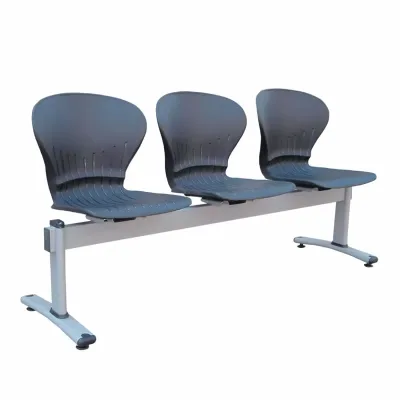


Waiting Public Hospital Wood Library School Station Airport Waiting Seat
$10.00 - $400.00
MOQ: 10 Pieces


Commercial Steel Waiting Bench for Airport, Ergonomic Public Waiting Seat Outdoor
$51.00 - $60.00
MOQ: 20 Pieces


Durable 3-Seat Public Waiting Bench with Armrest and Tablet for Airport.
$66.00 - $76.00
MOQ: 20 Pieces


Auditorium Waiting Bench with Premium Leather-Look Finish Seating Chair Bench
$79.00 - $200.00
MOQ: 10 Pieces


Comprehensive Sourcing Guide
School Training Institution Waiting Bench Sourcing Guide
Procuring seating for educational and training environments requires a balance between durability, space efficiency, and aesthetic integration. For school training institutions, the waiting area serves as a critical transitional space where students, parents, and staff gather. The furniture selected must withstand high-frequency use while maintaining a professional appearance that aligns with the institution’s brand identity. Buyers must prioritize materials that resist wear and tear, ensuring that the initial investment yields long-term value without frequent replacement cycles.
The modern procurement landscape offers a variety of options, ranging from fixed benches to modular, foldable units. Understanding the specific operational needs of the facility is the first step in narrowing down the supplier base. Factors such as foot traffic volume, available floor space, and the need for flexible layout configurations will dictate the most suitable product type. By aligning procurement decisions with these operational realities, institutions can create waiting areas that are both functional and inviting.
Product Scope and Observed Listing Signals
The current market for institutional seating includes a diverse range of products, with observed listings spanning a wide price spectrum from approximately $1 to nearly $30,000 USD. This variance reflects differences in material quality, design complexity, and production volume. Buyers should note that the minimum order quantities (MOQ) typically range from single units to batches of 100 pieces, allowing for flexibility in procurement scale. Smaller institutions may opt for lower MOQs to test quality, while larger districts might leverage bulk ordering to achieve better unit economics.
Specific product attributes observed in the market include customization options, with many suppliers offering tailored designs to meet unique institutional requirements. The condition of new products is standard, with modern styles dominating the aesthetic landscape. Materials frequently cited include steel and wood, each offering distinct advantages in terms of strength and warmth. Additionally, features such as adjustable components and fixed speed controls in related equipment highlight the importance of verifying specific functional attributes before making a purchase decision.
Technical Specifications to Verify
When evaluating technical specifications, buyers must scrutinize dimensions, load-bearing capacity, and structural integrity. Observed standards indicate that bench dimensions can vary significantly, with some models measuring around 660x660x500mm, while others are larger, such as 1750x600x760mm. It is crucial to verify that the selected bench fits the intended space without obstructing traffic flow. Furthermore, load-bearing capabilities should be confirmed, with some commercial-grade units supporting weights of 200kg or more, ensuring safety for diverse user groups.
Material composition and construction details are equally important. Steel frames often provide robust durability, while wooden components may offer aesthetic appeal but require careful maintenance. Buyers should verify beam thickness and overall build quality, as these factors directly impact longevity. Additionally, packing specifications, such as standard export cartons or KD (knock-down) packages, affect shipping costs and ease of installation. Understanding these technical details helps prevent unexpected costs and logistical challenges during the delivery and setup phases.
Compliance and Safety Documentation
Compliance with safety and quality standards is non-negotiable for institutional furniture. Buyers should request certification documents, such as CE and ISO marks, which indicate adherence to international quality and safety regulations. These certifications provide assurance that the products have undergone rigorous testing and meet specific performance criteria. Without proper documentation, institutions risk procuring items that may not meet local safety codes, potentially leading to liability issues.
In addition to certifications, warranty terms offer valuable protection for the buyer. A standard warranty period of five years, as observed in some listings, suggests manufacturer confidence in product durability. Buyers should carefully review warranty coverage to understand what is included, such as structural integrity or finish defects. Clear warranty terms provide a safety net against premature failures, ensuring that the institution can seek repairs or replacements without incurring additional costs.
Cost Drivers and Commercial Terms
Several factors influence the total cost of ownership for waiting benches, including material selection, customization levels, and order volume. Customization options, while enhancing aesthetic fit, may increase production costs and lead times. Buyers should weigh the benefits of tailored designs against potential budget implications. Additionally, the origin of the product, often from manufacturing hubs like Guangdong, China, can impact shipping costs and delivery timelines.
Commercial terms such as lead times and payment conditions are critical for effective procurement planning. Observed delivery dates range from 30 to 45 days, with sample availability taking approximately 10 working days. These timelines must be factored into the procurement schedule to ensure timely installation. Buyers should also consider the loading port, such as Shenzhen, and associated logistics costs. Clear communication regarding these terms helps avoid delays and ensures a smooth procurement process.
Supplier Qualification and Quality Control
Selecting a reliable supplier involves assessing their production capabilities, quality control processes, and reputation. Buyers should verify the supplier’s ability to meet specific production timelines, such as 18 to 25 days depending on order quantity. This flexibility is crucial for institutions with tight installation deadlines. Additionally, suppliers should demonstrate a commitment to quality through consistent product standards and reliable customer service.
Quality control measures should be transparent and rigorous. Buyers may request product samples to evaluate build quality, finish, and comfort before committing to large orders. Observing the sample production process can provide insights into the supplier’s attention to detail. Furthermore, suppliers with established brands, such as Hongji, may offer additional assurance of reliability. Engaging in thorough due diligence helps mitigate risks and ensures that the procured benches meet the institution’s expectations.
Long-Term Procurement Checks
Long-term success in procurement depends on ongoing evaluation of product performance and supplier reliability. Institutions should monitor the condition of the benches over time, noting any signs of wear, damage, or failure. Regular maintenance checks can extend the lifespan of the furniture and identify issues early. Buyers should also maintain open communication with suppliers for future orders or replacements, leveraging past experiences to inform new procurement decisions.
Additionally, staying informed about market trends and new product offerings can provide opportunities for upgrades or improvements. As technology and design evolve, new materials and features may become available that enhance functionality or aesthetics. By maintaining a proactive approach to procurement, institutions can ensure that their waiting areas remain safe, comfortable, and visually appealing for years to come. This continuous evaluation process supports sustainable procurement practices and maximizes the value of the investment.
FAQs
What customization options are available for the bench?
Customization is available and acceptable for this product. The bench features a modern style and can be customized to meet specific requirements while maintaining its steel construction and commercial grade quality.
How long is the delivery time for orders?
The delivery date ranges from 30 to 45 days after order confirmation. Sample production takes 10 working days, and the final production time depends on the quantity ordered, typically taking 18 to 25 days.
Which certifications does the product hold?
The product holds CE and ISO certifications. These standards ensure the bench meets safety and quality requirements for use in gymnasiums, classrooms, and other commercial applications like airports or hospitals.
Can the bench support heavy loads?
Yes, the bench has a maximum bearing capacity of at least 200kg. This high load capacity makes it suitable for strength training, body building, and bench press activities in commercial gym settings.
What is the minimum order quantity required?
The minimum order quantity is 10 pieces. This MOQ applies to the standard export carton packaging, and the price per piece ranges from 75 to 150 US dollars depending on the specific model.
Where is the product manufactured?
The product originates from Guangdong, China, and other regions in Mainland China. It is manufactured by suppliers like Hongji and ships from the Shenzhen loading port for international distribution.
What is the warranty period for the bench?
The warranty period is 5 years for the product. This coverage applies to the new condition benches made of steel or wood, ensuring durability for commercial use in various facilities.