Source School Teaching Medical Training Manikin for hospitals schools clinics
Find 30 School Teaching Medical Training Manikin options for education and medical use. Compare features like IV training, auscultation, and suture practice pads from Henan suppliers with CE and ISO certifications.
Key considerations
Products List
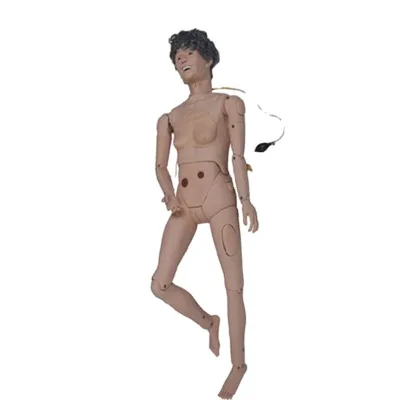
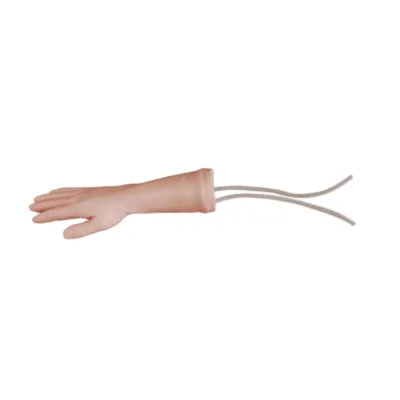
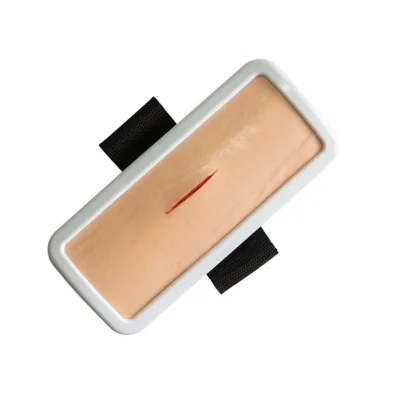


Basic Nursing Manikin Medical Education Training Model Teaching Manikin
$20.00 - $100.00
MOQ: 50 Pieces

Nursing Manikin Medical School Teaching Advanced Nursing Procedure Manikin
$109.00 - $199.00
MOQ: 1 Pieces


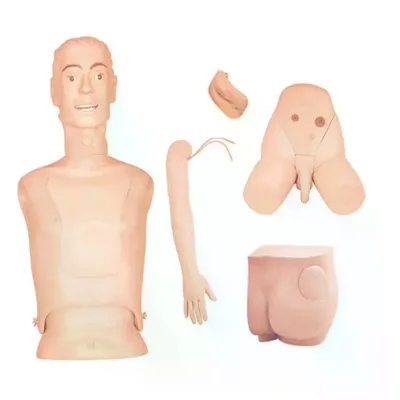
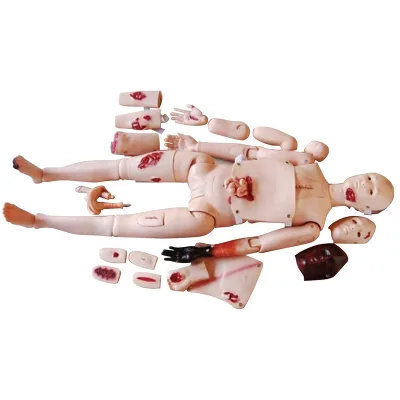
Advanced Trauma Care Mankin,Full-featured Medical Subject Burn Nursingtraining Model
$358.00 - $438.00
MOQ: 10 Minimum
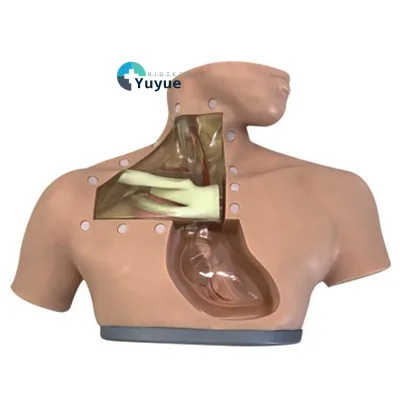
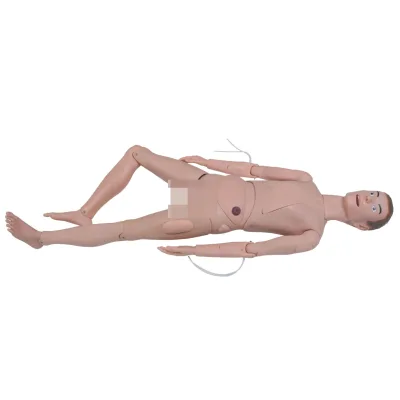
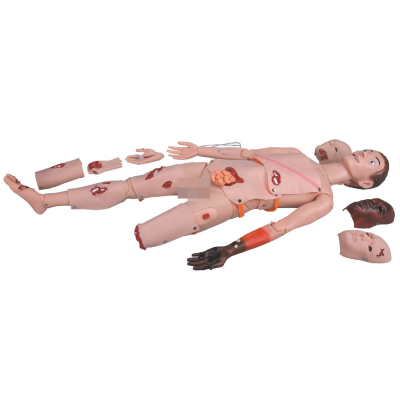
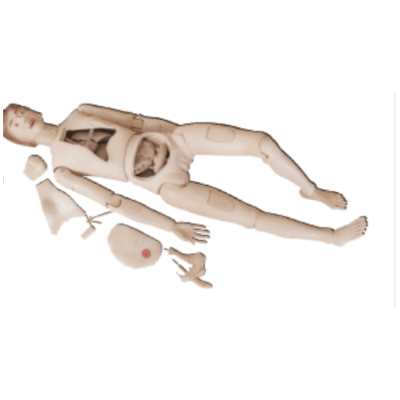
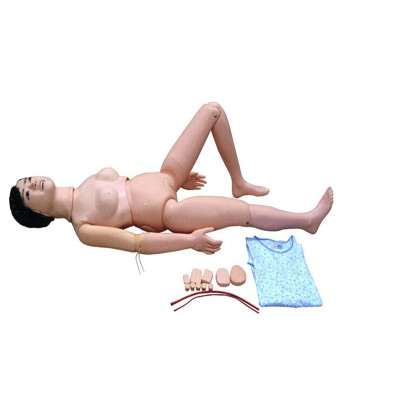


Nursing Manikin Medical Nursing Skills Training Anatomy Medical Training Model
$125.00 - $399.00
MOQ: 1 Pieces


Medical Training Manikins Models Vivid Trauma Nursing Manikin for Nursing Training
$78.00 - $245.00
MOQ: 1 Pieces

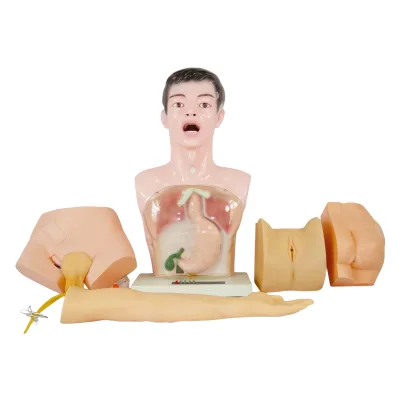

Medical School Teaching Training Model Sc-H111 Full Functions Trauma Nursing Manikin
$679.00 - $706.00
MOQ: 1 Pieces

Medical School Teaching Model Sc-H130b Advance Female Nursing Training Manikin
$326.00 - $339.00
MOQ: 1 Pieces

Clinical Training Medical Teaching Model Sc-Ck20137 Wrist Puncture Manikin
$592.00 - $615.00
MOQ: 1 Pieces

School Teaching Simulator Sc-H130b Female Full Function Nursing Medical Manikin
$326.00 - $339.00
MOQ: 1 Pieces
Comprehensive Sourcing Guide
Strategic Sourcing Guide for School Teaching Medical Training Manikins
The procurement of educational medical manikins for school and training environments requires a disciplined approach that balances pedagogical utility with technical reliability. Buyers seeking "School Teaching Medical Training Manikin" solutions must navigate a market characterized by diverse product categories, ranging from basic anatomical models to complex simulation systems. This guide synthesizes available market data to assist procurement professionals in evaluating suppliers, verifying specifications, and ensuring that selected equipment meets the rigorous demands of medical education and nursing training. The focus remains on evidence-based criteria derived from current product listings and industry standards, avoiding unverified claims while highlighting the specific attributes necessary for effective training.
Technical Specifications and Functional Attributes
When sourcing manikins, the primary differentiator is the functional scope defined by the product's intended use. The market offers distinct categories, including general educational models and specialized training aids. For instance, specific listings identify products explicitly designed "For learning and training" within the "Education and science" sector. These items often feature "Detailed human structures" to facilitate the understanding of anatomy. Buyers must carefully distinguish between general teaching aids and specialized simulation tools.
A critical technical variable is the scale of the manikin. Observations from current listings indicate a range of sizes, including specific dimensions such as "85cm" and options described as "life size." The choice between these dimensions depends heavily on the physical constraints of the training facility and the specific learning objectives. A life-size model may be essential for realistic CPR or airway management simulations, whereas an 85cm model might suffice for introductory anatomical studies.
Furthermore, the material composition is a fundamental specification. High-quality training manikins are predominantly constructed from "Advanced PVC" or standard "PVC" materials. These polymers are selected for their durability, flexibility, and ability to mimic human tissue properties during procedures. The material choice directly impacts the longevity of the product and the realism of the tactile experience for students. Additionally, specific functional modules are often integrated into these units. For example, some models include "Auscultation" capabilities, allowing students to practice listening to "Heart Sound, Breath Sound and Bowl Sound." Others are designed for specific procedural training, such as "IV Training Hand" or "Suture Practice Pad," indicating a highly specialized application beyond general anatomy.
Compliance, Certification, and Safety Standards
In the medical education sector, compliance is not merely a formality but a prerequisite for institutional acceptance. Buyers must verify that suppliers provide documented proof of relevant certifications. Current market data indicates that some products carry certifications such as "CE," "ISO," "GS," and "QS." The presence of these marks suggests adherence to specific international safety and quality management standards. However, buyers should not assume that all listed products automatically possess these certifications; verification of the specific certificate number and the issuing body is essential.
The "Condition" of the product is another critical compliance factor. Listings consistently describe these items as "New," which is a standard expectation for medical training equipment to ensure hygiene and safety. Furthermore, the "Standard Package for Export" is a common specification, implying that the packaging meets international shipping requirements to prevent damage during transit. This is particularly important for fragile components like replaceable parts or delicate anatomical structures.
Buyers should also scrutinize the "Certificata" or certification details provided by the supplier. While some listings mention "CE ISO," others may list "GS,QS,ISO." The variation in certification types across different suppliers highlights the need for due diligence. Institutions must confirm that the specific certifications held by the supplier align with local regulatory requirements for medical equipment used in schools and hospitals. Relying on a supplier who offers "OEM" (Original Equipment Manufacturer) services does not automatically guarantee compliance; the underlying product standards must be validated independently.
Cost Drivers and Pricing Dynamics
Understanding the cost structure of medical training manikins is vital for budget planning. The observed price range in the market spans from approximately $15.60 to $3,999. This significant variance is driven by several factors, including the complexity of the manikin, the level of realism, and the inclusion of specialized features. A basic "Suture Practice Pad" or a simple "IV Training Hand" will naturally fall at the lower end of this spectrum, whereas a comprehensive "Simulation Mannequin for Nursing" with auscultation capabilities and replaceable genital parts will command a premium price.
The "MOQ" (Minimum Order Quantity) is another critical cost driver. Listings show an MOQ range from 1 to 50 units. For smaller institutions or pilot programs, suppliers offering an MOQ of 1 set allow for low-risk testing of the equipment. Conversely, larger districts or hospital networks may benefit from bulk purchasing, potentially negotiating better unit prices, though the specific discount structures are not universally standardized. The "Selling Units" are typically listed as "Single item," which simplifies the ordering process for individual purchases but may require aggregation for larger orders.
Additionally, customization options can influence the final cost. While "Customization" is listed as "Available" and "Logo Printing" is offered, these value-added services often incur additional fees. Buyers must balance the desire for branded equipment with the budget constraints of the project. The "Packing" specifications, such as "30pcs/ctn" with specific dimensions and weight, also impact logistics costs. Heavier or larger packages increase shipping expenses, which should be factored into the total cost of ownership.
Typical Applications and User Demographics
The application of these manikins is diverse, catering to a wide range of user groups. The primary "Customer groups" identified include "student," "teacher," and "doctor." This triad underscores the versatility of the equipment, which serves as a bridge between theoretical learning and practical application. The "Usage" is explicitly stated for "School, Teaching, Training, Medical and Hospital" settings, confirming that these products are designed for both academic and clinical environments.
Specific applications vary by product type. "Training Manikin with Ostomy" and "Simulation Mannequins for Nursing" are tailored for nursing education, focusing on patient care skills. In contrast, "IV Training Hand" and "Suture Practice Pad" are designed for procedural skill development, allowing students to practice needle insertion and stitching without risk to human subjects. The "Subject" is consistently listed as "Medical Science," reinforcing the educational intent.
The "Purpose" of these tools extends beyond simple demonstration; they are "Specialized Equipment" intended to enhance competency. For example, models featuring "Blood Pressure Measure Training" provide a realistic platform for practicing vital sign monitoring. The inclusion of "Replaceable" parts, such as "The External Genital of Male and Female," allows for repeated practice of sensitive procedures, ensuring that students gain confidence in a controlled environment. This adaptability is crucial for maintaining the relevance of the training equipment as curricula evolve.
Supplier Evaluation and Verification
Evaluating suppliers requires a focus on transparency and reliability. The "Place of Origin" for many of these products is identified as "Henan, China," which is a known manufacturing hub for medical educational equipment. While this provides context for the supply chain, buyers must verify the specific capabilities of the supplier rather than relying solely on geographic origin. The "Brand Name" varies, with listings showing names like "HENANZHIZAO," "Henan zhizao," and "ciiizaoo." The presence of multiple brand names suggests a competitive market with various manufacturers.
Buyers should prioritize suppliers who offer clear communication regarding "Customized" options and "OEM" acceptance. The ability to print a logo or customize the product indicates a supplier's flexibility and willingness to partner with the buyer. However, the "Brand Name" consistency across different product lines should be checked to ensure that the supplier is a legitimate manufacturer rather than a reseller.
Furthermore, the "Delivery" lead time is a key performance indicator. Some listings specify a "10days" delivery window, which is a critical metric for procurement planning. Buyers must confirm if this lead time is consistent across all product types or if it varies based on order volume and customization requirements. The "Packing" details, such as the use of "Paper Carton" and adherence to "Standard Package for Export," also reflect the supplier's attention to detail and commitment to product safety during transit.
Quality Control and Long-Term Procurement
Ensuring long-term value requires a robust quality control strategy. The "Condition" being "New" is a baseline expectation, but buyers must also assess the durability of the materials. "Advanced PVC" is preferred for its resistance to wear and tear, which is essential for high-traffic training environments. The "Nature" of the product as "Specialized Equipment" implies that it is built for repeated use, but the frequency of use must be considered when selecting materials.
Maintenance and replacement parts are critical for long-term procurement. Products with "Replaceable" components, such as the external genital parts or specific training pads, offer a significant advantage. Buyers should inquire about the availability and cost of these spare parts to ensure that the initial investment remains viable over time. The "Packing" information, such as the weight and dimensions of the carton, also aids in planning storage and logistics for future maintenance.
Finally, the "Standard" of the product, often listed as "Standard Package for Export," should be verified against the buyer's internal quality standards. While the market offers a wide range of options, the consistency of quality across different batches is paramount. Buyers should request sample units or detailed test results to validate the performance claims before committing to a large order. By focusing on these evidence-based criteria, institutions can secure high-quality medical training manikins that effectively support their educational missions.
FAQs
What materials are used for school teaching medical training manikins?
These manikins are primarily constructed from Advanced PVC or standard PVC materials. This polymer selection ensures durability and flexibility, allowing the equipment to mimic human tissue properties effectively during repeated medical and nursing training procedures.
Which certifications should I verify for medical training manikins?
Buyers should verify that products carry certifications such as CE, ISO, GS, or QS. These marks indicate adherence to international safety and quality management standards, which are prerequisites for institutional acceptance in school and hospital environments.
How do prices vary for different medical training manikin models?
Prices range from approximately 15.6 to 3999 USD depending on complexity and features. Basic items like suture pads cost less, while comprehensive simulation mannequins with auscultation capabilities and replaceable parts command higher prices.
Can I customize the logo on these medical training manikins?
Yes, customization is available and logo printing is offered by many suppliers. This value-added service allows institutions to brand the equipment, though it may incur additional fees and requires confirmation of the specific supplier's OEM capabilities.
What is the typical lead time for delivery of these manikins?
Some listings specify a delivery lead time of 10 days for standard orders. Buyers must confirm if this window applies to their specific order volume and customization requirements before finalizing procurement plans.
Which customer groups typically use these medical training manikins?
The primary customer groups include students, teachers, and doctors. These tools are designed for use in schools, teaching centers, training facilities, and hospitals to support medical science education and practical skill development.