Source Screw Extruder Gear Box for Food, Machinery, and Motors
Find 24 Screw Extruder Gear Box options featuring hardened tooth surfaces and stepless speed changes. Compare specifications for vertical and horizontal installations, single-screw designs, and CE BV SGS TUV certified models from Wenzhou manufacturers.
Key considerations
Products List


Twin Screw Extruder Spare Parts Extruder Gear Box for Food Processing Machinery
$200.00 - $500.00
MOQ: 1 Pieces


China Gear Box for Pellet Extruder Machine Twin Screw Extruder Spare Parts
$200.00 - $500.00
MOQ: 1 Pieces


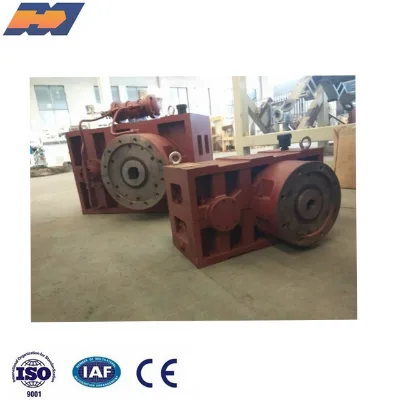


Robust Hardened Gears Gearbox for Efficient Conical Twin-Screw Extruder Operations
$2700.00 - $12000.00
MOQ: 1 Pieces


Comprehensive Sourcing Guide
Strategic Sourcing Guide for Screw Extruder Gear Boxes
Understanding Technical Specifications and Core Architecture
When sourcing a Screw Extruder Gear Box, the primary objective is to identify units that align with the mechanical demands of extrusion processes. The market offers a diverse array of configurations, and understanding the specific architectural attributes is the first step in narrowing down viable options. Based on current market observations, the core architecture of these units often revolves around specific gear arrangements and material compositions. A critical observation in the current supply landscape is the prevalence of the Cycloidal layout, which is distinct from other common gear box designs. This layout is frequently paired with Hardened Tooth Surface treatments, ensuring durability under the high-torque conditions typical of extrusion operations.
The manufacturing method for these components is predominantly Rolling Gear, a process that contributes to the precision and longevity of the gear teeth. The toothed portion shape is typically identified as Spur Gear, which is standard for many industrial applications requiring robust power transmission. However, buyers must remain vigilant as product listings also indicate a Three-Ring layout and Worm Gear Box types, suggesting that the term "Screw Extruder Gear Box" encompasses a broader category of speed reduction and transmission equipment. The Screw Design is explicitly noted as Single-Screw in several high-confidence product profiles, though the underlying technology often involves Twin Screw Extrusion processes, indicating a need for careful verification of the specific extrusion type the gear box is intended to support.
Material selection is equally critical for long-term reliability. The observed supply chain features High Strength Alloy Steel as a primary material, providing the necessary tensile strength to withstand operational stress. In more specialized or corrosion-resistant applications, Stainless Steel and 304 Stainless Steel are available options. The Hardness of the gear surfaces is consistently reported as Hardened, a vital attribute for preventing wear and tear in continuous industrial environments. Furthermore, the Installation type varies between Vertical Type and Horizontal Type, a factor that directly impacts the physical integration of the unit into existing production lines. Buyers must verify the Installation orientation against their facility's spatial constraints and piping layouts before finalizing a purchase.
Compliance, Certification, and Regulatory Standards
Navigating the compliance landscape for industrial machinery requires a clear understanding of the certifications and standards that validate product safety and quality. In the context of screw extruder gear boxes, the supply data indicates that products often carry a range of recognized international standards. High-confidence observations list CE, BV, SGS, and TUV as associated standards. These designations suggest that the products have undergone specific assessments for safety, quality management, and technical conformity, which are essential for importing machinery into various global markets.
However, it is imperative to treat these certifications as observations of specific listings rather than universal guarantees for every unit in the category. While the data mentions CE and BV (Bureau Veritas), buyers should not assume that every supplier automatically holds these certifications without direct verification. The procurement process must include a request for valid, up-to-date certification documents for the specific model being purchased. Additionally, background knowledge suggests that standards such as EN 10204 and ISO 9001 are relevant to the industry, but these should be treated as verification targets rather than confirmed facts for every product.
The prod_standard field in product listings often aggregates these certifications, but the actual validity depends on the specific manufacturer's quality management system. Buyers should prioritize suppliers who can provide third-party inspection reports that align with the CE and TUV marks mentioned in the product data. The presence of SGS and BV in the data highlights the importance of independent verification. When evaluating a supplier, the procurement team must confirm that the After-Sales Service includes support for maintaining these compliance standards, particularly if the machinery is destined for regulated industries such as food and beverage manufacturing. The Applicable Industries listed include Food & Beverage Factory and Food, which often necessitate stricter adherence to hygiene and safety standards, making the verification of CE and other relevant certifications a non-negotiable step in the sourcing workflow.
Cost Drivers and Pricing Dynamics
The pricing structure for screw extruder gear boxes is influenced by a complex interplay of technical specifications, material costs, and customization requirements. The observed price range in the market spans from 1 to 50,000 USD, a vast spectrum that reflects the diversity of product capabilities and scales. This wide range indicates that the cost is not merely a function of the base unit but is heavily dependent on the specific configuration and performance metrics.
Several key factors drive the cost of these units. The Rated Power is a significant determinant; for instance, a unit with a 5.5kw rating will likely command a different price point compared to lower or higher power variants. The Output Torque, observed at 525 in specific listings, is another critical performance metric that directly correlates with the price. Higher torque capabilities generally require more robust internal components, such as High Strength Alloy Steel gears and advanced heat treatment processes, which increase manufacturing costs. The Input Speed, noted at 800 in some profiles, also plays a role in the engineering complexity and, consequently, the price.
Material composition is another major cost driver. Units constructed from 304 Stainless Steel or those requiring specialized High Strength Alloy Steel treatments will be more expensive than standard carbon steel alternatives. The Customization availability is a double-edged sword; while it allows for tailored solutions, the Customization process itself adds to the unit cost. Buyers seeking Customization should anticipate a price premium over standard Stardand (Standard) package configurations. The Package type, whether Stardand or Wooden Box, also influences the final landed cost, as specialized packaging adds to the logistics expense.
Furthermore, the Lead Time of 25days observed in the market suggests that production schedules and supply chain efficiency impact pricing. Longer lead times or rush orders may incur additional fees. The Means of Transports, specifically Ocean Shipping, introduces variable freight costs that must be factored into the total cost of ownership. Buyers should also consider the Voltage requirements, which are noted as "Due to Order," implying that custom voltage configurations can alter the price. Ultimately, the Advantage of Easy Operation High Efficiency may justify a higher initial investment if it translates to reduced operational costs over the machine's lifecycle.
Typical Applications and Operational Context
Screw extruder gear boxes are versatile components designed for a wide array of industrial applications. The primary Function of these units is Speed Reduction, which is essential for converting high-speed motor output into the controlled, high-torque rotation required for extrusion processes. However, the Function is not limited to speed reduction; some units are designed for Speed Changing and offer Multifunctional capabilities, providing flexibility in production environments.
The Application scope is broad, covering Machinery, Motor, and specific industrial sectors. The Applicable Industries explicitly include Manufacturing Plant, Food & Beverage Factory, and Food processing facilities. This indicates that these gear boxes are integral to the production lines of companies manufacturing food products, where hygiene and reliability are paramount. The Usage is described as suitable for Commercial, Industrial and Personal Usage, though the primary focus remains on heavy-duty industrial applications.
The Manipulate Way varies between Forced Manipulation and Semi-Automatic Manipulation, suggesting that the level of automation in the extrusion line influences the choice of gear box. Units with Semi-Automatic Manipulation features may be preferred in facilities looking to balance automation with manual oversight. The Condition of the products is consistently listed as New, ensuring that buyers receive fully functional, non-refurbished units. The Power Source is universally Electricity, requiring compatibility with the facility's electrical infrastructure.
In terms of specific use cases, the prod_model listings such as ZLYJ 173, ZLYJ 315, and extruder torque gearbox point to specialized applications. The TL Series and Gear box generic models suggest a broader utility across different machinery types. The Advantage of Easy Operation High Efficiency is particularly relevant in high-volume production environments where downtime must be minimized. The Color options, ranging from Red to Green, Blue, and a Series of Color, may also play a role in safety coding or brand identification within a factory setting, though this is a secondary consideration to performance.
Supplier Evaluation and Verification Protocols
Evaluating suppliers for screw extruder gear boxes requires a rigorous approach to verify claims and ensure reliability. The Brand Name Pym appears in the product data, serving as a reference point for specific listings, but buyers should not limit their search to a single brand. Instead, the focus should be on the supplier's ability to meet the technical and compliance requirements outlined in the product specifications.
A critical aspect of supplier evaluation is the verification of the prod_origin. The data indicates that products originate from Wenzhou, Zhejiang, a known manufacturing hub in China. Buyers should confirm the specific factory location and assess the supplier's capacity to maintain consistent quality from this region. The Lead Time of 25days is a standard benchmark, but suppliers should be able to provide realistic timelines based on current order volumes and production schedules.
The After-Sales Service is a vital component of supplier evaluation. The data mentions Video Technical Support as a provided service, which is a valuable resource for troubleshooting and maintenance. Buyers should inquire about the availability of on-site support, spare parts inventory, and the responsiveness of the technical team. The Advantage of Easy Operation High Efficiency should be backed by comprehensive training and support materials to ensure that the buyer's team can utilize the equipment effectively.
When assessing suppliers, buyers must also verify the prod_packing details. The Wooden Box packaging is a common standard, but the quality of packaging is crucial for protecting the gear box during Ocean Shipping. Suppliers should demonstrate their ability to secure the unit against damage during transit. Additionally, the Customization capabilities should be thoroughly discussed, with clear agreements on the scope of modifications and the associated costs. The Changes Way being Stepped in some models suggests that the supplier must have the engineering expertise to implement these changes accurately.
Quality Control and Long-Term Procurement Considerations
Ensuring the quality of screw extruder gear boxes is paramount for maintaining operational efficiency and minimizing downtime. The Hardness of the Hardened Tooth Surface and the Material quality, such as High Strength Alloy Steel or 304 Stainless Steel, are key indicators of durability. Buyers should request material certificates and hardness test reports to verify these attributes. The Manufacturing Method of Rolling Gear should be confirmed through quality control audits to ensure that the gear teeth are produced to the required precision.
Long-term procurement considerations involve evaluating the total cost of ownership, which includes maintenance, energy consumption, and replacement parts. The Rated Power of 5.5kw and the Input Speed of 800 are critical for calculating energy efficiency. Buyers should assess the Efficiency claims against actual performance data to ensure that the investment yields the expected returns. The Advantage of Easy Operation should translate into reduced labor costs and fewer operational errors over time.
The After-Sales Service provided, such as Video Technical Support, is essential for long-term maintenance. Buyers should establish a clear service level agreement (SLA) that outlines response times and support availability. The Standard certifications like CE, BV, SGS, and TUV should be maintained throughout the product's lifecycle, with suppliers providing ongoing support for compliance updates. The prod_model variations, such as ZLYJ 173 and ZLYJ 315, suggest that different models may have different maintenance requirements, which should be factored into the procurement strategy.
Finally, the Location of the supplier in Wenzhou, Zhejiang and the Means of Transports via Ocean Shipping should be considered in the context of supply chain resilience. Buyers should develop contingency plans for potential disruptions in shipping or production. The Customization options should be leveraged to optimize the gear box for specific long-term needs, ensuring that the equipment remains relevant and efficient as production requirements evolve. By focusing on these quality control and long-term factors, buyers can secure a reliable supply of screw extruder gear boxes that support their industrial operations effectively.
FAQs
What layout options are available for screw extruder gear boxes?
The available layouts include Cycloidal and Three-Ring configurations. Some units are also designed as Worm Gear Boxes. Buyers must verify the specific layout against their installation requirements, as options like Vertical Type and Horizontal Type are also observed in the market.
Which materials are used to construct these gear boxes?
Primary materials include High Strength Alloy Steel and Stainless Steel. Some specialized units utilize 304 Stainless Steel for corrosion resistance. The gear surfaces are typically hardened to ensure durability under high-torque conditions typical of extrusion operations.
Can I find gear boxes with a specific lead time?
Yes, a standard lead time of 25 days is observed in the market. This duration may vary based on customization needs and current order volumes. Buyers should confirm the specific timeline with the supplier before finalizing the purchase order.
What certifications are associated with these industrial units?
Products often carry CE, BV, SGS, and TUV standards. These designations suggest compliance with safety and quality assessments. Buyers must request valid, up-to-date certification documents for the specific model to ensure they meet regulatory requirements for their target market.
How is the customization process handled for these units?
Customization is available for many Screw Extruder Gear Box models. This allows for tailored solutions but may increase the unit cost compared to standard packages. Buyers should anticipate a price premium and verify the specific customization options with the manufacturer.
What is the typical price range for these gear boxes?
The observed price range spans from 1 to 50,000 USD. This vast spectrum reflects differences in rated power, output torque, and material composition. Factors like voltage requirements and packaging type also influence the final cost of the unit.
Which industries typically apply these gear boxes?
These units are applicable for Manufacturing Plants, Food & Beverage Factories, and general Food processing. They are designed for Machinery and Motor applications requiring speed reduction or changing. The usage covers commercial, industrial, and personal sectors depending on the specific model.