Source Screw Lock Wire Thread Inserts for Machinery and Medical
Find 30 Screw Lock Wire Thread Inserts suitable for machinery, medical, and aerospace applications. Compare stainless steel and carbon steel options with various thread standards and surface finishes to meet your specific engineering requirements; compare the available evidence and request quotations based on your requirements.
Key considerations
Products List


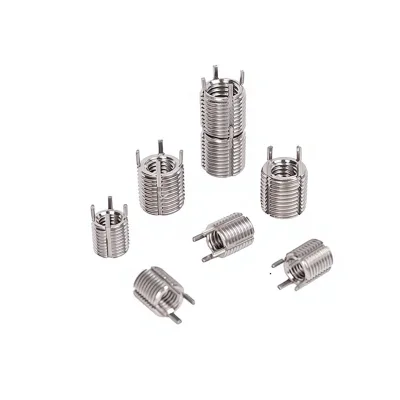


Wire Thread Inserts for Sheet Metal St12*1.75*12
$0.23 - $0.26
MOQ: 300 Pieces
Xinxiang Xiyangyang Screening Machinery Manufacturing Co., Ltd.
Comprehensive Sourcing Guide
Screw Lock Wire Thread Inserts Sourcing Guide
Sourcing Screw Lock Wire Thread Inserts requires a clear understanding of the mechanical advantages they provide in high-vibration environments. These inserts are designed to create durable internal threads in softer base materials, such as aluminum, plastics, or cast iron, where standard tapping might fail. The primary value proposition lies in their ability to distribute load across multiple threads, significantly enhancing the pull-out strength and resistance to stripping. Buyers must recognize that not all inserts offer the same locking mechanism; some rely on friction fit, while others utilize a permanent deformation or adhesive bond to secure the fastener in place.
When evaluating suppliers, it is crucial to distinguish between common thread inserts and those with specialized locking features. The market offers various installation methods, including ultrasonic, heat, thermal, and press-in techniques, each suited to different production volumes and material sensitivities. Procurement teams should verify that the supplier can handle the specific base materials of their application, whether it be thermoset plastics, thermoplastics, rubber, or metals like stainless steel and carbon steel. Understanding these material compatibilities ensures that the chosen insert will not compromise the integrity of the host component during installation or service.
Product Scope and Observed Listing Signals
The observed product listings indicate a wide range of specifications, with prices ranging from $0.01 to $5 per unit and minimum order quantities (MOQs) varying from 1 to 2000 pieces. This variability suggests that suppliers cater to both prototyping needs and large-scale industrial production. Buyers should note that while some listings offer customizable options, others provide non-customized standard items. The presence of OEM services indicates that many manufacturers are equipped to produce inserts tailored to specific client requirements, including custom thread sizes and lengths.
Listing signals also reveal a diversity in product models, such as LF4010, KNCM 4x0.7, L4010, L5010, and LB, which likely correspond to different thread standards or locking mechanisms. Surface finishes like zinc plating and nickel plating are common, pointing to corrosion resistance as a key feature for many applications. Additionally, the mention of rotation directions, such as left and right rotation, highlights the importance of selecting the correct insert orientation for the specific assembly process. Buyers must carefully review these signals to ensure the selected product aligns with their technical and logistical requirements.
Technical Specifications to Verify
Verifying technical specifications is paramount to ensuring the inserts meet the functional demands of the application. Key attributes to confirm include the thread type, which can be either fine or coarse, and the thread accuracy, often specified as 6h for precision applications. The model types, ranging from M1 to M12, indicate the available metric sizes, while inch and metric standards are both supported. Buyers should also check the nominal length, which typically ranges from 1d to 3D, to ensure adequate thread engagement for the intended load.
Installation method compatibility is another critical specification to verify. The inserts may require ultrasonic, heat, thermal, or press-in installation, each with its own equipment and process requirements. The base material of the insert, whether stainless steel or carbon steel, must be compatible with the host material to prevent galvanic corrosion or mechanical failure. Additionally, the head style, often round for these inserts, and the connection type, such as common bolt, should be confirmed to ensure seamless integration into the existing assembly design.
Compliance and Safety Documentation
Compliance with international standards is essential for ensuring the quality and reliability of Screw Lock Wire Thread Inserts. Buyers should verify that the supplier adheres to recognized standards such as DIN, GB, ANSI, BSW, JIS, and GOST, which govern thread dimensions and tolerances. The ISO2768-M tolerance standard is often cited, indicating the acceptable deviation in dimensions for general tolerances. Additionally, management systems like ISO9001:2008 suggest a structured approach to quality management, which can be a reliable indicator of consistent product quality.
Certifications such as ISO, RoHS, CE, and SGS provide further assurance of compliance with environmental and safety regulations. Material certification is also crucial, especially for applications in aerospace, medical, or chemical industries where material purity and performance are critical. Buyers should request documentation that confirms the inserts meet these standards, ensuring that the products are safe for use and compliant with regional regulations. This documentation is particularly important for industries with strict regulatory oversight, where non-compliance can lead to significant legal and operational risks.
Cost Drivers and Commercial Terms
Several factors influence the cost of Screw Lock Wire Thread Inserts, including material type, surface finish, and customization requirements. Stainless steel inserts are generally more expensive than carbon steel due to higher material costs and corrosion resistance properties. Surface finishes like zinc or nickel plating add to the cost but provide essential protection against environmental degradation. Customization options, such as specific thread sizes or lengths, can also increase the price, as they require additional manufacturing steps and tooling.
Commercial terms, including MOQs and lead times, play a significant role in the overall procurement cost. While some suppliers offer low MOQs for prototyping, larger orders may benefit from volume discounts. Lead times typically range from 5 to 10 working days, but this can vary based on order size and customization needs. Buyers should also consider delivery terms, which may include options like DHL, UPS, TNT, FedEx, EMS, ocean, or air freight. Understanding these commercial terms helps in planning inventory and managing cash flow effectively.
Supplier Qualification and Quality Control
Qualifying suppliers involves assessing their manufacturing capabilities, quality control processes, and customer service. Buyers should look for suppliers that offer OEM services and have a proven track record in producing high-quality thread inserts. The availability of samples is a positive indicator, allowing buyers to test the product before committing to a large order. Suppliers with a history of providing warranty services demonstrate confidence in their product quality and are more likely to stand behind their offerings.
Quality control measures, such as adherence to ISO standards and regular audits, are essential for ensuring consistent product quality. Buyers should inquire about the supplier’s inspection processes, including incoming material checks, in-process inspections, and final product testing. The use of advanced manufacturing techniques like turning, milling, cold heading, and forging can also impact the quality and durability of the inserts. By thoroughly evaluating these aspects, buyers can select a supplier that meets their quality and reliability standards.
Long-Term Procurement Checks
Long-term procurement success depends on establishing a robust relationship with suppliers and implementing continuous improvement strategies. Buyers should regularly review supplier performance metrics, such as on-time delivery, product quality, and responsiveness to issues. Maintaining open communication channels allows for timely resolution of any problems and fosters a collaborative partnership. Additionally, staying informed about industry trends and technological advancements can help buyers identify opportunities for cost savings or performance improvements.
Periodic audits and re-qualification of suppliers are essential to ensure ongoing compliance with quality and safety standards. Buyers should also monitor market conditions and pricing trends to negotiate favorable terms and avoid supply chain disruptions. By proactively managing these aspects, buyers can secure a reliable supply of Screw Lock Wire Thread Inserts that meet their evolving needs. This strategic approach ensures that the procurement process remains efficient, cost-effective, and aligned with the company’s long-term goals.
FAQs
What materials are used for Screw Lock Wire Thread Inserts?
These inserts are primarily made from stainless steel or carbon steel. Some variants also utilize thermoset, plastics, thermoplastics, or rubber bases. The specific material grade depends on the application requirements and environmental conditions.
Which standards do these inserts comply with?
The products comply with multiple international standards including DIN, GB, ANSI, BSW, JIS, and GOST. They also meet ISO9001:2008 management system requirements and carry CE, ISO, and RoHS certifications for quality assurance.
Can I get custom Screw Lock Wire Thread Inserts?
Yes, customized options are available for these inserts. The manufacturer offers OEM services and can produce items with specific thread types like fine or coarse threads. Customization allows for tailored solutions to meet unique machinery or aerospace needs.
How long is the lead time for delivery?
The standard lead time is typically 5 to 10 working days. Delivery can be arranged via DHL, UPS, TNT, FedEx, EMS, ocean, or air freight. This ensures timely supply for urgent projects in various industries.
What is the minimum order quantity for these inserts?
The minimum order quantity ranges from 1 to 2000 units depending on the specific product model. The MOQ is negotiable, allowing flexibility for buyers with different volume requirements. Samples are also welcome for quality verification before bulk orders.
Where are these inserts manufactured and shipped from?
These products originate from Shenzhen, Guangdong, China. The manufacturing facility is located in this region, ensuring efficient logistics. Shipping options include various courier services and ocean freight to global destinations.
What surface finishing options are available for the inserts?
Available surface finishing options include zinc plating and nickel plating. These finishes enhance corrosion resistance and durability for the inserts. The choice depends on the specific application environment and material compatibility requirements.