Source Screw Cap Ceramic Lamp Holder for Lighting Fixtures
Find 30 Screw Cap Ceramic Lamp Holder options from China. Compare E27 models with VDE, CE, and RoHS certifications. View prices, MOQs, and delivery times for indoor lighting applications; compare the available evidence and request quotations based on your requirements.
Key considerations
Products List
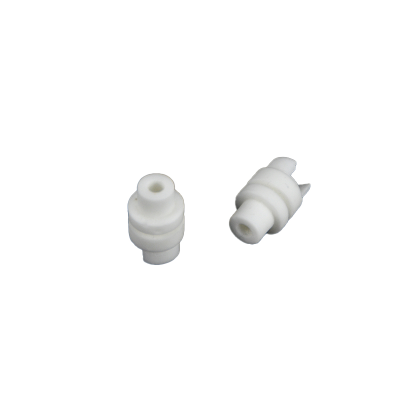


E27 Porcelain and Ceramic Lamp Holder Flower Flat Holder for Bulb Holders
$0.05 - $0.50
MOQ: 1000 Pieces


E27 to E27 Flexible Extension Lamp Holder 180 Degree Bendable Screw Bulb Holder
$2.40 - $2.50
MOQ: 1000 Pieces


Comprehensive Sourcing Guide
Screw Cap Ceramic Lamp Holder Sourcing Guide
Sourcing screw cap ceramic lamp holders requires careful attention to material integrity and interface compatibility, as these components form the critical junction between electrical supply and lighting fixtures. The observed market data indicates a strong presence of porcelain and ceramic variants, which are essential for withstanding high thermal loads in manual switch applications. Buyers must verify that the specific model, such as the CS519 or H510-5, aligns with the intended voltage rating of 250V to ensure safe operation within the fixture.
Procurement decisions should also account for the diverse customization options available, including color variations like white, black, and brown, which allow for aesthetic integration into various interior designs. The interface style is consistently noted as a screw cap, but the physical dimensions, such as the 45*85h mm size for specific models, must be cross-referenced with fixture housing constraints. This verification prevents mechanical interference and ensures a secure fit that maintains electrical continuity over the product's lifecycle.
Product Scope and Observed Listing Signals
The current market listings reveal a wide spectrum of product models, ranging from the CS519 E27 to the XD02 and F510-ZMT, each serving distinct functional requirements within the lighting assembly. While some entries specify a plastic material, the core keyword focus remains on ceramic and porcelain options, which offer superior heat resistance compared to their plastic counterparts. Buyers should scrutinize the listed specifications to distinguish between general-purpose holders and those designed for specific screw types or metal compositions like iron and aluminum.
Listing signals also highlight significant variability in minimum order quantities, with observed ranges spanning from 10 units up to 20,000 pieces, reflecting the flexibility of different supplier tiers. This variance necessitates a clear understanding of the buyer's volume requirements before engaging with potential vendors, as some suppliers may enforce a strict 1,000-piece threshold while others accommodate smaller trial orders. Additionally, the packaging methods vary from standard cartons to sea-worthy cartons, indicating that logistics planning must be integrated early to protect the ceramic components during transit.
Technical Specifications to Verify
Technical verification must prioritize the electrical rating and physical dimensions to ensure the lamp holder meets the operational demands of the target application. The observed voltage rating of 250V serves as a baseline, but buyers must confirm that the specific model supports the intended current load, often indicated by standards such as 4A or specific diameter measurements like 70 mm. The IP20 rating suggests these units are designed for indoor usage, meaning they lack protection against water ingress and should not be deployed in damp or outdoor environments without additional housing.
Dimensional accuracy is equally critical, as the size specifications, such as 100mm or 80mm diameters, directly impact the fit within the fixture's socket area. Buyers should also verify the screw type and interface style to guarantee compatibility with the bulb base and the fixture's mounting mechanism. The presence of metal components like iron and aluminum in certain models requires checking for corrosion resistance, especially if the application involves fluctuating temperatures or humid conditions that could compromise the structural integrity of the metal parts.
Compliance and Safety Documentation
Compliance documentation is a non-negotiable aspect of sourcing, as the safety of electrical components relies heavily on adherence to international standards. The observed certifications include VDE, CE, RoHS, and UL, which collectively validate the product's electrical safety, material restrictions, and environmental compliance. Buyers must request valid test reports for each specific model to confirm that the ceramic material and internal wiring meet these rigorous safety benchmarks before finalizing any purchase agreement.
It is essential to distinguish between the certifications listed for the bulb holder and those applicable to the entire assembly, as the scope of certification can vary by manufacturer. The presence of RoHS compliance indicates that the product is free from specific hazardous substances, which is crucial for markets with strict environmental regulations. Procurement teams should verify that the certification documents are current and issued by recognized bodies, ensuring that the supplier maintains a consistent quality control process that aligns with the stated standards.
Cost Drivers and Commercial Terms
Cost drivers for screw cap ceramic lamp holders are influenced by material selection, customization requirements, and the complexity of the manufacturing process. The use of high-grade porcelain or ceramic materials typically commands a higher price point compared to plastic alternatives, while custom color options like red or green may incur additional tooling or batch fees. Buyers should analyze the price range of 0.04 to 3 USD per unit in the context of the specific model and material to determine the true value proposition and avoid overpaying for standard items.
Commercial terms, particularly the minimum order quantity and delivery lead times, play a significant role in the total cost of ownership. With observed MOQs ranging from 1,000 to 20,000 pieces, smaller buyers may face higher per-unit costs or need to consolidate orders with other suppliers to meet volume thresholds. The delivery date of within 30 days is a common benchmark, but buyers must confirm this timeline in writing, as production delays or supply chain disruptions can impact project schedules and increase inventory holding costs.
Supplier Qualification and Quality Control
Supplier qualification should focus on the manufacturer's origin and their track record in producing certified electrical components. The majority of observed listings originate from Fujian, Fuzhou, China, a region known for its manufacturing capabilities in lighting hardware. Buyers should verify the supplier's production capacity and quality assurance protocols to ensure they can consistently deliver products that meet the specified standards and certification requirements without compromising on material quality.
Quality control measures must be explicitly defined in the procurement agreement, including inspection criteria for ceramic integrity and electrical performance. Since the product is a manual switch component, any defects in the screw cap or insulation could lead to safety hazards, making pre-shipment inspections vital. Buyers should request samples for testing and establish clear acceptance criteria for defects, ensuring that the supplier is held accountable for maintaining the high standards required for safe electrical installations.
Long-Term Procurement Checks
Long-term procurement success depends on establishing a reliable supply chain that can adapt to changing market demands and regulatory updates. Buyers should monitor the supplier's ability to maintain certification status, as standards like VDE and UL may evolve, requiring product updates to remain compliant. Regular audits of the supplier's production processes and quality control records will help identify potential risks early and ensure that the supply chain remains robust against external disruptions.
Sustainability and material sourcing should also be part of the long-term strategy, given the increasing emphasis on environmental compliance in the lighting industry. Buyers should verify that the ceramic and metal materials are sourced responsibly and that the packaging, such as the standard or sea-worthy cartons, aligns with sustainability goals. Building a partnership with suppliers who demonstrate a commitment to continuous improvement and transparency will facilitate smoother negotiations and more stable pricing over the life of the procurement contract.
FAQs
What certifications are available for screw cap ceramic lamp holders?
Certifications such as VDE, CE, RoHS, and UL are available for these products. These standards ensure compliance with international safety and environmental regulations. Buyers can select specific certifications based on their target market requirements, ensuring the lamp holders meet necessary legal and quality benchmarks for electrical components.
Can I customize the color of the ceramic lamp holder?
Yes, customization is available for colors including white, black, brown, red, and green. OEM services are welcome to tailor the appearance to your brand. This flexibility allows buyers to match the lamp holders with specific design aesthetics or product lines, enhancing visual consistency in final lighting assemblies.
What is the typical MOQ for ordering screw cap ceramic lamp holders?
The MOQ ranges from 10 to 20,000 pieces depending on the specific model and customization needs. Standard orders often start at 1,000 or 10,000 pieces. Buyers should confirm the exact quantity with suppliers to align with production capacity and inventory requirements, ensuring efficient order fulfillment.
How long is the delivery time for these lamp holders?
Delivery is typically within 30 days after order confirmation. This lead time applies to standard production runs. Buyers planning large orders should account for this timeframe to manage inventory levels effectively. Expedited options may be available upon direct negotiation with the manufacturer.
What materials are used in these lamp holders?
The lamp holders are primarily made from porcelain and ceramic materials, with some plastic variants available. These materials provide excellent electrical insulation and heat resistance. The screw cap interface ensures secure bulb attachment, making them suitable for various indoor lighting applications requiring durable and safe components.
Where are these screw cap ceramic lamp holders manufactured?
These products are manufactured in Fujian, Fuzhou, China. This region is known for its robust manufacturing infrastructure for electrical components. Buyers can source directly from factories in this area, benefiting from established supply chains and competitive pricing for high-volume orders of lamp holders.