Source Screw Lid Glass Cosmetic Jar and Bottle Set for skincare, perfume, and serums
Compare 30 listings for Screw Lid Glass Cosmetic Jar and Bottle Set options featuring glass materials, screw caps, and customizable printing. Buyers can evaluate MOQs, certifications, and packaging details for cosmetic serum and personal care applications.
Key considerations
Products List
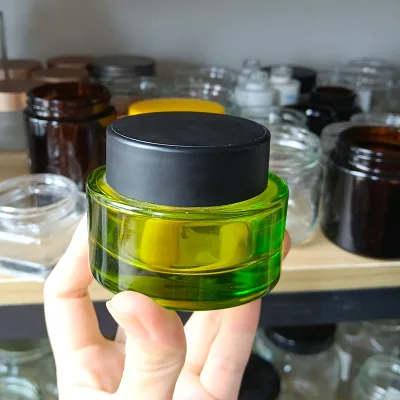


Luxury 15ml 100ml Empty Cosmetic Packaging Glass Pump Bottle and Jars Set
$0.15 - $0.30
MOQ: 3000 Pieces


30g 120ml Bottle Cosmetic Packaging Container Skin Care Pump Set Glass Jar
$0.15 - $0.30
MOQ: 3000 Pieces


Wholesale Cosmetic Bottle and Jar Sets-High Quality Cosmetic Empty Packaging
$0.12 - $0.65
MOQ: 1000 Pieces


Comprehensive Sourcing Guide
Screw Lid Glass Cosmetic Jar and Bottle Set Sourcing Guide
Sourcing a Screw Lid Glass Cosmetic Jar and Bottle Set requires a clear understanding of the specific material properties and sealing mechanisms that define this category. The primary advantage of glass construction lies in its chemical inertness, which prevents interaction with sensitive cosmetic formulations such as serums and oils, ensuring product integrity over time. Buyers must distinguish between flat and box-type designs, as the shape influences both the aesthetic presentation and the structural stability of the packaging during shipping and retail display.
The sealing mechanism is a critical decision point, with screw caps offering a reliable, reusable closure that maintains a tight seal against leakage and evaporation. While some listings indicate pump sprayers as an alternative, the core keyword focuses on screw lid configurations, which are often preferred for thicker formulations or products requiring a more traditional dispensing method. Understanding the distinction between single-item units and complete bottle sets is essential, as the latter may include coordinated caps and bases that simplify the assembly process for the end-user.
Product Scope and Observed Listing Signals
The market for these packaging solutions presents a diverse range of options, with observed listings indicating a price range between $0.04 and $2.00 USD, reflecting variations in glass thickness, volume, and customization complexity. Buyers should note that the minimum order quantity (MOQ) typically starts at 500 pieces but can extend up to 10,000 pieces depending on the supplier's capacity and the level of custom branding required. This wide range in volume requirements suggests that smaller brands may need to consolidate orders or negotiate specific terms to meet the lower thresholds of manufacturers.
Product attributes observed in the current market include specific volume capacities such as 10ml and 15ml, alongside thickness measurements around 0.2cm to 0.41cm, which directly impact the perceived quality and durability of the jar. The color options range from transparent to specific shades like coffee, with many suppliers offering customizable cap colors to match brand identity. It is important to recognize that while some listings describe the product as a "bottle set" or "case," others may list individual components, requiring careful verification of what is included in the final shipment to avoid assembly gaps.
Technical Specifications to Verify
Verifying the physical dimensions and material composition is the first step in ensuring the packaging meets functional requirements. The core material is consistently identified as glass combined with a cap, often described as "Glass+Cap," with specific model numbers like YB-HB-225265 or Ds007 serving as reference points for design consistency. Buyers must confirm the exact thickness and volume specifications, as these factors determine the weight of the final product and the shipping costs associated with glass, which is heavier and more fragile than plastic alternatives.
The surface handling and printing capabilities are equally critical for brand differentiation, with silk screen printing and customizable surface treatments being standard offerings. The sealing type is a key technical specification, where screw caps are the primary focus, though some listings also mention pump sprayers, necessitating a clear definition of the required closure mechanism. Additionally, the hardness of the glass, described as "partial hard" in some contexts, and the waterproof nature of the seal should be validated to ensure the packaging can withstand the rigors of transport and the specific viscosity of the cosmetic product inside.
Compliance and Safety Documentation
For cosmetic packaging, compliance with international safety and quality standards is non-negotiable, particularly when the product is intended for global markets. The supply chain data indicates that reputable suppliers often provide certifications such as TUV Sud, ISO22716, GMPC, MSDS, and FDA, which validate the safety of the materials used and the manufacturing processes. Buyers should request these specific documents to confirm that the glass and cap materials are free from harmful substances and that the production facility adheres to Good Manufacturing Practices for cosmetics.
Beyond material safety, the documentation must address the environmental and handling standards of the packaging. While some background information mentions FSC, the primary focus should remain on the provided certifications that directly relate to cosmetic safety and quality management systems. The "Eco-Friendly" feature noted in some listings should be substantiated by the supplier through specific data on recyclability or material sourcing, rather than relying on general marketing claims. Ensuring that the MSDS (Material Safety Data Sheet) is available for both the glass and the cap components is essential for regulatory compliance in destination markets.
Cost Drivers and Commercial Terms
The commercial terms for sourcing glass cosmetic jars are heavily influenced by the level of customization and the order volume. Customization options, including custom logos, colors, and specific bottle shapes, introduce additional costs that can shift the price point within the observed $0.04 to $2.00 range. The MOQ of 5,000 pieces is a significant factor for many buyers, as it represents a substantial inventory commitment that affects cash flow and storage requirements. Buyers must weigh the cost benefits of higher volumes against the risk of holding excess stock if the product launch is delayed.
Packaging and shipping logistics also play a pivotal role in the total cost of ownership. The standard export carton or customer-advised packing methods are designed to protect the fragile glass during transit, but the weight of the glass and the volume of the packaging can significantly impact freight charges. The "Single Open" feature and the "Safety Carton" designation highlight the need for robust packaging solutions that prevent breakage, which can lead to costly replacements and delays. Negotiating terms that include sample provision and clear lead times is essential for managing the timeline from order placement to final delivery.
Supplier Qualification and Quality Control
Selecting a supplier requires a rigorous evaluation of their production capabilities and quality control systems. The origin of the products, often listed as Guangxi, China, provides a specific geographic context for the manufacturing ecosystem, but buyers must verify the specific factory's capacity to handle their required volume and customization needs. The availability of OEM and ODM services indicates that the supplier can adapt to specific design requirements, but this flexibility must be balanced with a proven track record of maintaining consistent quality across large batches.
Quality control should extend beyond the final product to include the verification of raw materials and the manufacturing process. The "High Quality" feature claimed by suppliers should be backed by internal testing protocols and the ability to provide batch-specific test results. Buyers should inquire about the supplier's process for handling defects, particularly regarding the sealing integrity of the screw caps and the clarity or consistency of the glass. Establishing a clear communication channel for addressing quality issues and defining the acceptance criteria for the "Customized" elements is vital for a successful partnership.
Long-Term Procurement Checks
Establishing a long-term procurement strategy involves regular audits of the supplier's ability to maintain consistency and adapt to changing market demands. The "Customized" nature of the product means that any changes in design or material must be carefully managed to ensure that the new specifications do not compromise the product's safety or functionality. Buyers should implement a system for periodic re-verification of certifications and quality standards, as regulatory requirements and industry best practices can evolve over time.
Sustainability and supply chain resilience are becoming increasingly important factors in long-term planning. The "Eco-Friendly" attribute and the use of glass, a recyclable material, align with growing consumer preferences for sustainable packaging, but these benefits must be maintained through consistent supplier performance. Buyers should monitor the supplier's lead times and their ability to scale production during peak seasons to avoid stockouts. Regular reviews of the commercial terms and the supplier's financial stability will help mitigate risks and ensure a reliable supply of high-quality cosmetic packaging.
FAQs
What is the minimum order quantity for these glass cosmetic jars?
The minimum order quantity is 5000 pieces. This threshold applies to standard production runs and ensures efficient manufacturing. Buyers should confirm if smaller trial orders are possible for initial testing.
What certifications are available for these glass bottle sets?
The products hold TUV Sud, ISO22716, GMPC, MSDS, and FDA certifications. These standards verify safety and quality compliance for cosmetic packaging. Buyers should request current certificates before finalizing orders.
Can I customize the color and printing on the glass jars?
Yes, customization is available for both color and printing. The surface handling supports silk screen printing, and cap colors can be customized. This allows brands to match their specific visual identity and packaging requirements.
What is the typical volume capacity of these glass cosmetic bottles?
The available volumes are 10ml and 15ml. These sizes are suitable for serums, creams, and other personal care products. Buyers should select the volume based on their product formulation and usage frequency.
What is the material composition of the jar and cap?
The jar is made of glass, and the cap is also glass. The sealing type is a screw cap, ensuring a secure fit. This combination provides durability and a premium feel for cosmetic packaging applications.
Is OEM or ODM service available for these glass jars?
Yes, OEM and ODM services are acceptable. Suppliers can accommodate custom logos, colors, and specifications. This flexibility supports brands looking to develop unique packaging solutions tailored to their market needs.
What is the packaging method for shipping these glass jars?
The standard packaging is a safety carton or standard export carton. Buyers can also advise on specific packing requirements. Proper packaging is essential to prevent breakage during international shipping and storage.