Source Rotating Magnetic Plastic Spice Rack for Kitchen, Bathroom, Office
Compare 30 options for the Rotating Magnetic Plastic Spice Rack designed for kitchen, bathroom, and office storage. Buyers can evaluate sizes, layer counts, and customization services from verified suppliers offering OEM and ODM capabilities.
Key considerations
Products List


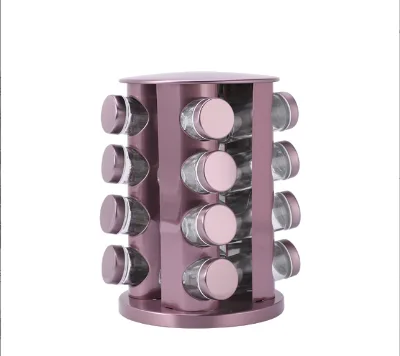
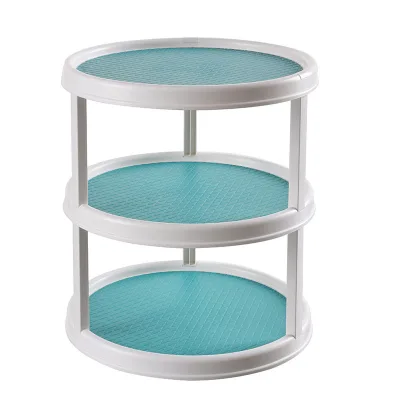
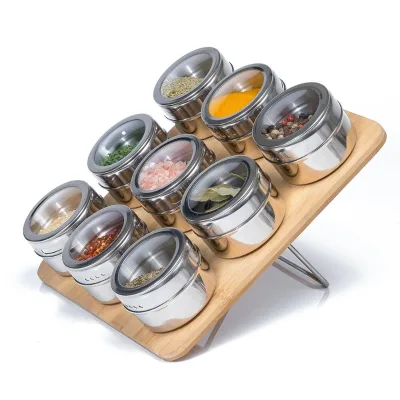

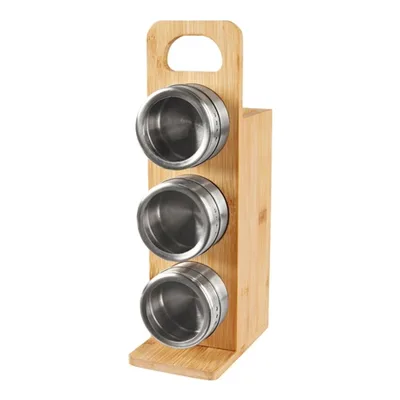



Comprehensive Sourcing Guide
Strategic Sourcing Guide for Rotating Magnetic Plastic Spice Racks
Understanding Product Specifications and Material Composition
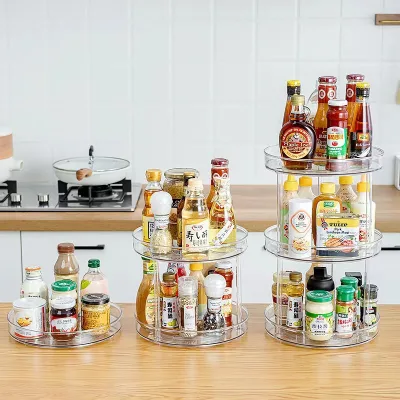
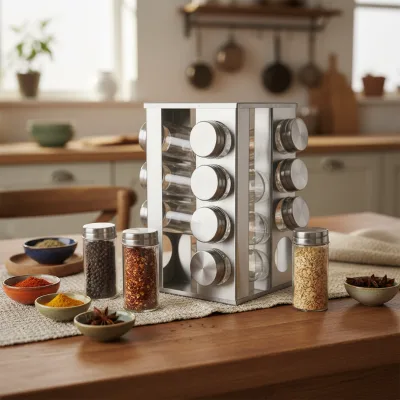
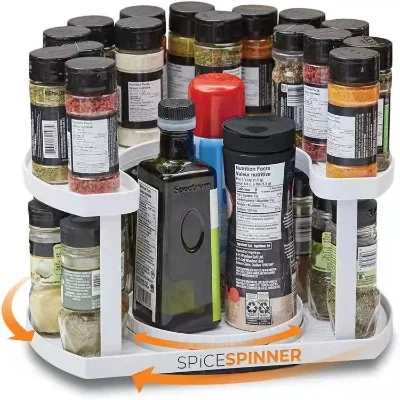
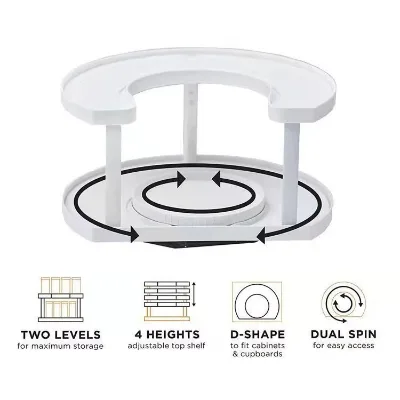
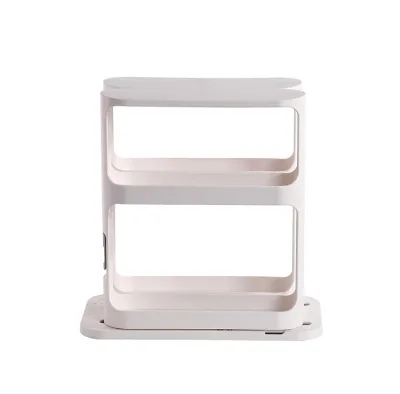
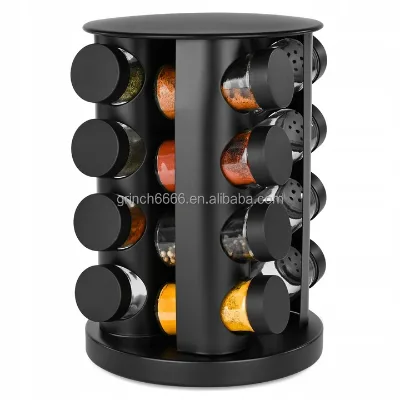
When sourcing a Rotating Magnetic Plastic Spice Rack, the buyer must first establish a clear understanding of the technical specifications that define the product's functionality and physical attributes. The core keyword implies a device that combines rotational mechanics with magnetic attachment, constructed primarily from plastic materials. Based on available market data, these units are frequently categorized by their layer configuration, which directly impacts storage capacity. Observations indicate that products in this category typically feature two, three, or four layers, allowing for versatile organization of various spice jar sizes. The physical dimensions are critical for compatibility with kitchen cabinetry or magnetic backsplashes. Standardized measurements observed in the market include configurations such as 25255cm, 25253.4cm, and larger units reaching up to 31.5108.8cm.
The material composition is a primary determinant of durability and aesthetic finish. The predominant material identified for these organizers is plastic, often selected for its resistance to moisture and ease of cleaning. The finishing process varies, with some units receiving a black finish or a power-coated surface to enhance durability and visual appeal. Color options generally lean towards white or clear acrylic, depending on the specific design intent, such as a clear acrylic spice display rack versus a standard white organizer. The shape is typically common and functional, designed to maximize space efficiency in kitchen environments. It is essential for buyers to verify the exact dimensions and layer count against their specific storage needs, as the "Large" and "Medium" size classifications can vary significantly between different supplier models.
Compliance, Certification, and Regulatory Standards
In the B2B procurement of kitchen storage solutions, verifying compliance and certification status is a non-negotiable step to ensure product safety and marketability. The supply chain for plastic spice racks often involves rigorous quality checks to meet international standards. One prominent certification observed in this sector is BSCI (Business Social Compliance Initiative), which indicates that the manufacturing facility adheres to specific social compliance standards regarding labor practices and working conditions. Buyers should explicitly request proof of such certifications before finalizing orders, as this serves as a proxy for the supplier's overall operational integrity.
Beyond social compliance, the physical product must meet safety standards regarding the materials used. While specific chemical composition data may not be publicly listed for every SKU, the use of plastic necessitates verification that the material is food-safe and free from harmful substances like BPA, especially since these racks are used in kitchen environments where food items are stored nearby. The magnetic components, which are integral to the "magnetic" aspect of the core keyword, must also be securely encased to prevent detachment and potential hazards. Buyers should ensure that the supplier can provide documentation confirming that the magnets and the plastic housing meet relevant safety regulations for the target export market. It is advisable to request test reports that specifically address the strength of the magnetic hold and the structural integrity of the plastic layers under load.
Cost Drivers and Pricing Dynamics
The pricing structure for rotating magnetic plastic spice racks is influenced by several distinct variables, creating a wide range of observed market prices. Data indicates a price spread from approximately $0.28 to $76.90 USD per unit. This significant variance is not arbitrary but is driven by specific product attributes and order parameters. The primary cost drivers include the number of layers, the complexity of the rotating mechanism, and the quality of the plastic material used. A basic two-layer unit will naturally cost less than a four-layer rotating system with advanced magnetic features.
Order volume plays a pivotal role in determining the final unit cost. The Minimum Order Quantity (MOQ) for these products ranges from 2 units to 3000 units. Buyers purchasing at the lower end of the MOQ spectrum will likely face higher per-unit costs, while those ordering in bulk can leverage economies of scale to reduce the price significantly. Additionally, customization options act as a secondary cost driver. Features such as customized logos, OEM design services, and tailored packaging (such as brown cartons or single packaging) incur additional expenses. The packaging method itself, whether it is a simple carton or a more elaborate set, also impacts the logistics cost. Buyers must balance their budget constraints against the desired level of customization and the specific technical requirements of the product to arrive at a viable cost structure.
Typical Applications and Functional Versatility
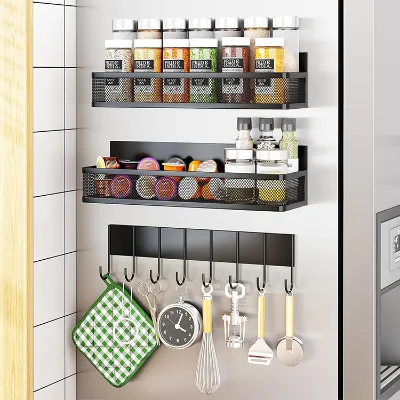
Rotating magnetic plastic spice racks are designed to address specific storage challenges in modern kitchens, offices, and bathrooms. The primary application is the organization of spices, seasonings, and small condiments, utilizing the rotating feature to provide easy access to items stored in deep cabinets or on narrow shelves. The magnetic attachment mechanism allows for flexible installation on metal surfaces, such as the side of a refrigerator, a magnetic knife strip, or a specialized metal backsplash, freeing up valuable counter or cabinet space.
The functional versatility of these racks extends beyond simple storage. They are marketed as multi-functional organizers suitable for various environments, including kitchens, bathrooms, and offices. In a kitchen setting, they can hold spice jars, small bottles of oil, or even cleaning supplies in a bathroom context. The "Wholesale Kitchen Rack" and "Plastic Spice Rack" keywords highlight their utility in commercial and retail settings as well as residential use. The design often includes features like clear acrylic visibility or specific color finishes to match interior decor. The ability to customize the design and logo makes these products particularly attractive for private label brands looking to offer unique storage solutions to their customers. The rotating feature is particularly advantageous for maximizing the utility of corner spaces or narrow vertical areas where traditional shelving might be inefficient.
Supplier Evaluation and Customization Capabilities
Selecting the right supplier requires a thorough evaluation of their capabilities regarding customization, service, and production capacity. A key differentiator in this market is the availability of OEM (Original Equipment Manufacturer) and ODM (Original Design Manufacturer) services. Suppliers offering these services allow buyers to tailor the product design, including the number of layers, dimensions, and color schemes, to meet specific brand requirements. The ability to add a customized logo is another critical factor for buyers looking to build a branded product line.
Service levels are equally important in the procurement process. High-quality suppliers often provide 7*24h support, ensuring that communication channels remain open for urgent inquiries or issue resolution. This level of service is indicative of a supplier's commitment to customer satisfaction and operational reliability. When evaluating potential partners, buyers should assess the supplier's history with similar products, such as the "Rotating Spice Rack" or "Magnetic Spice Rack" models. It is also prudent to verify the supplier's origin, with many products in this category originating from China, a major hub for plastic manufacturing. Buyers should request samples to verify the quality of the finishing, the strength of the magnets, and the overall build quality before committing to a large order. The supplier's ability to handle customized packaging, such as brown cartons or single packaging, should also be confirmed to ensure that the product arrives in optimal condition.
Quality Control and Long-Term Procurement Considerations
Implementing a robust quality control (QC) strategy is essential for maintaining product integrity and customer satisfaction in the long term. Given the mechanical nature of rotating racks and the magnetic components, QC checks should focus on the smoothness of rotation, the strength of the magnetic hold, and the durability of the plastic layers. Buyers should establish clear acceptance criteria for defects such as cracks in the plastic, misaligned layers, or weak magnetic adhesion. Regular inspections during the production process can help identify and rectify issues before the final shipment.
Long-term procurement considerations involve building a sustainable supply chain relationship. This includes negotiating favorable terms for future orders, such as volume discounts and flexible MOQ adjustments. Buyers should also consider the lead times associated with customized orders, as OEM and ODM services may require additional production time compared to standard stock items. The packaging standard, such as the use of cartons or specific packing configurations, should be consistent to minimize damage during transit. Furthermore, buyers should monitor the supplier's adherence to certifications like BSCI and ensure that any changes in material sourcing or manufacturing processes are communicated and approved in advance. By focusing on these long-term factors, buyers can ensure a steady supply of high-quality rotating magnetic plastic spice racks that meet their evolving market demands.
Comparative Analysis of Product Models
To assist buyers in making informed decisions, the following table compares key attributes of common models found in the market. This comparison highlights the variations in dimensions, layers, and specific features that influence the selection process.
| Model Identifier | Dimensions (Approx.) | Number of Layers | Key Feature | Material Finish | Typical Application |
|---|---|---|---|---|---|
| X818013 | 31.5108.8cm | Two | Large Capacity | Black Finish | Kitchen Storage |
| x818175 | 25255CM | N/A | Rotating | Plastic | Seasonings Rack |
| x818176 | 25253.4cm | Three | Magnetic | Plastic | 3 Pack Strong Magnetic |
| x818157 | 29.59.57.5cm | Four | Power Coated | Plastic | Kitchen Storage Rack |
| x818181 | 278.57.5cm | N/A | Clear Acrylic | Acrylic | Spice Display |
| x818172 | N/A | N/A | N/A | N/A | N/A |
Note: Dimensions and features are based on observed product data and may vary by specific batch or customization request. Buyers should verify exact specifications with the supplier prior to ordering.
This comparative view underscores the diversity within the Rotating Magnetic Plastic Spice Rack category. While some models focus on high capacity with four layers, others prioritize compactness or specific finishes like clear acrylic. The variation in dimensions, ranging from 25cm to over 31cm in length, necessitates careful measurement of the intended installation space. By understanding these distinctions, buyers can align their procurement strategy with the specific needs of their target market, ensuring that the selected products offer the optimal balance of functionality, aesthetics, and cost-effectiveness.
FAQs
What customization options are available for these spice racks?
Customization is available including OEM and ODM design services with customized logos and packaging. Buyers can request specific dimensions, colors like white or black, and tailored packaging such as brown cartons or single sets to meet brand requirements.
Which certifications do the manufacturers hold for social compliance?
The products are certified with BSCI, indicating adherence to business social compliance initiatives regarding labor practices. This certification serves as a proxy for the supplier's operational integrity and ensures ethical manufacturing standards are met during production.
How many layers do the rotating magnetic spice racks typically have?
These racks typically feature two, three, or four layers depending on the specific model selected. For instance, some models offer two layers for large capacity while others provide three or four layers to maximize storage efficiency for various spice jar sizes.
Can I order these racks with a customized logo?
Yes, customized logos are welcome and can be applied through OEM customization services. This allows buyers to brand the product effectively, making it suitable for private label strategies or specific corporate gifting needs within the kitchen storage market.
What is the minimum order quantity for these plastic spice racks?
The minimum order quantity ranges from 2 to 3000 units depending on the supplier and customization level. Lower MOQs allow for smaller trial orders, while bulk purchases often leverage economies of scale to reduce the per-unit cost significantly.
Where are these plastic spice racks manufactured and shipped from?
These products originate from China, a major hub for plastic manufacturing and kitchen storage solutions. Buyers should verify the specific shipping location and lead times with the supplier to ensure timely delivery to their target market destinations.
What materials are used to construct these kitchen storage organizers?
The primary material used is plastic, often selected for its moisture resistance and ease of cleaning. Some variants feature a black finish or power coating, while others utilize clear acrylic for display purposes, ensuring durability in kitchen environments.