Source Secure Key Management System with Free Software for hotels, fleets, and offices
Find a Secure Key Management System with Free Software for hotels, fleets, and offices. Compare 30 options featuring face recognition, RFID, and Android interfaces to streamline access control and key tracking for your business needs.
Key considerations
Products List


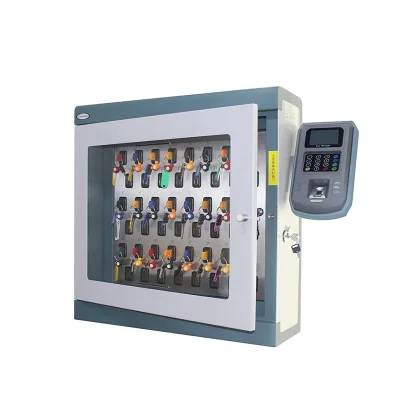
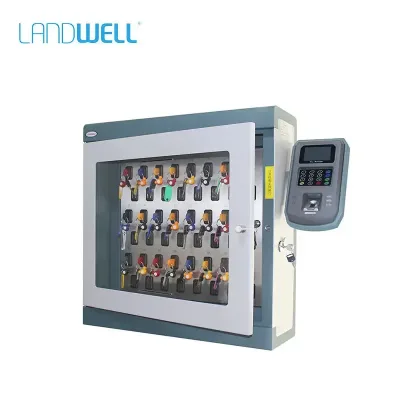


Smart Key Management Cabinet Durable Key Safe Box Smart Key Management Cabinet
$640.00 - $645.00
MOQ: 20 Pieces


Smart Key Management Cabinet Intelligent Key Storage Locker Key Management
$640.00 - $645.00
MOQ: 20 Pieces

Smart Key Management Cabinet Steel Key Storage Locker Cabinet Key Management
$640.00 - $645.00
MOQ: 20 Pieces


Intelligent Wall-Mounted Key Management System for Secure Storage Smart Locker
$1500.00 - $3480.00
MOQ: 5 Pieces


Comprehensive Sourcing Guide
Secure Key Management System with Free Software Sourcing Guide
Procuring a Secure Key Management System with Free Software requires a careful balance between hardware robustness and software flexibility. Buyers must distinguish between systems that offer truly open-source or included software suites versus those that charge recurring licensing fees for basic access control features. The core value proposition lies in the ability to manage physical keys, access logs, and user permissions without ongoing software costs, which significantly reduces the total cost of ownership over the device's lifecycle.
This guide focuses on identifying hardware that supports essential integration protocols and includes baseline management tools at no extra charge. It is critical to verify that the "free" software component covers the necessary operational needs, such as real-time tracking, audit trails, and multi-user access, rather than being a limited demo version. The following sections provide a structured approach to evaluating these systems based on observed market signals and technical requirements.
Product Scope and Observed Listing Signals
The current market for secure key management systems includes a diverse range of hardware, from simple cabinet-style lockers to complex, networked kiosks. Observed listings indicate a price range that spans from entry-level units to high-end, feature-rich systems, reflecting variations in capacity, connectivity, and software depth. Buyers should note that while some systems are marketed with basic access control, the inclusion of free software is not universal and often depends on the specific model and supplier agreement.
Typical configurations observed include systems with key slots ranging from small capacities to larger units capable of holding dozens of keys. Some models feature advanced interfaces such as face recognition, fingerprint scanners, or RFID card readers, which may require specific software drivers or platforms to function. It is essential to confirm whether the software required to operate these biometric or card-based features is included in the initial purchase price or if it constitutes an additional cost.
Technical Specifications to Verify
When evaluating technical specifications, the communication interface is a primary determinant of system integration capability. Systems supporting Ethernet, Wi-Fi, or TCP/IP connections offer greater flexibility for networked deployments compared to standalone units. Buyers should verify that the chosen system’s interface is compatible with existing IT infrastructure and that the free software can communicate effectively over the selected network protocol without requiring expensive middleware.
Operating system compatibility is another critical factor, particularly for systems that rely on embedded Android or Windows platforms. The software’s ability to run on standard operating environments ensures easier maintenance and updates. Additionally, the physical structure of the unit, such as sheet steel construction with powder coating, impacts durability in high-traffic environments. Buyers must ensure that the hardware specifications align with the environmental conditions of the deployment site, including resistance to tampering and wear.
Compliance and Safety Documentation
Compliance with international standards is non-negotiable for secure key management systems, especially those deployed in commercial or industrial settings. Certifications such as CE, RoHS, and SGS provide assurance that the hardware meets specific safety and environmental requirements. Buyers should request valid certification documents for both the hardware and the software components to ensure that the entire system adheres to relevant regulatory frameworks.
Data security and privacy compliance are equally important, particularly when the system collects biometric data or tracks user access. The free software must include robust encryption and access control features to protect sensitive information. Buyers should verify that the software provider offers clear data privacy policies and that the system complies with local data protection regulations, such as GDPR or similar regional laws, to avoid legal liabilities.
Cost Drivers and Commercial Terms
The total cost of a secure key management system is influenced by several factors, including hardware capacity, connectivity options, and software licensing. While the software may be free, buyers should be aware of potential hidden costs, such as fees for advanced features, technical support, or future software updates. It is crucial to clarify the scope of the "free" software offer, including whether it includes unlimited user licenses and administrative privileges.
Minimum order quantities (MOQ) and shipping terms also impact the overall procurement cost. Suppliers may offer discounts for bulk purchases, but these should be weighed against the storage and deployment timeline. Buyers should negotiate clear commercial terms regarding warranty coverage, return policies, and after-sales support to ensure that the initial investment is protected against hardware failures or software issues.
Supplier Qualification and Quality Control
Supplier qualification is a critical step in ensuring the reliability of the secure key management system. Buyers should assess the supplier’s experience in the access control industry, their manufacturing capabilities, and their track record for delivering consistent quality. OEM and ODM services may be available, allowing for customization of hardware and software to meet specific operational needs, but this requires careful evaluation of the supplier’s technical expertise.
Quality control measures should be established before placing orders, including pre-shipment inspections and testing of the software functionality. Buyers should request sample units to verify that the hardware meets the specified standards and that the free software operates as advertised. Establishing a clear quality assurance protocol helps mitigate the risk of receiving defective products or software that does not integrate seamlessly with existing systems.
Long-Term Procurement Checks
Long-term success with a secure key management system depends on the supplier’s ability to provide ongoing support and software updates. Buyers should verify that the free software will continue to be supported and updated to address security vulnerabilities and compatibility issues with evolving operating systems. A lack of long-term software support can render even the most robust hardware obsolete within a few years.
Regular audits of the system’s performance and security posture are essential to maintain its effectiveness. Buyers should establish a schedule for reviewing access logs, updating user permissions, and testing the system’s response to potential security threats. By proactively managing the system, organizations can ensure that their investment in a Secure Key Management System with Free Software continues to deliver value and security over time.
FAQs
How does the system support access control methods?
The system supports access by face recognition, APP, password, and card. It features a black and white screen and includes voice service for user guidance during operation.
What customization options are available for the key box?
Customization is available for the product structure and size. Buyers can request specific dimensions while the standard alloy metal case remains powder coated for durability.
Which certifications does the secure key management system hold?
The product holds CE, RoHS, and SGS certifications. These standards ensure safety and compliance for use in community settings and other secure environments.
Can the system operate with free software integration?
The system includes free software for tracking and management. It operates on Android 4.4 or Windows platforms to facilitate intelligent key management and monitoring.
What is the warranty period for the key management unit?
The product comes with a 12-month warranty. This coverage applies to the sheet steel construction and electronic components for reliable long-term performance.
How many key slots are available in the standard model?
The standard model offers 48 key slots for organized storage. This capacity supports efficient management of multiple keys within a single cabinet unit.
Which communication interfaces are supported by the device?
The device supports Ethernet, Wi-Fi, and TCP/IP interfaces. These connections enable seamless integration with existing security systems and remote monitoring capabilities.