Source Turbocharger Cartridge for Excavator, BMW, and Diesel Engines
Find 30 verified listings for Turbocharger Cartridge units compatible with excavators, BMW vehicles, and diesel engines. Buyers can compare specifications, certifications, and pricing from suppliers in China to identify the right component for their machinery needs.
Key considerations
Products List
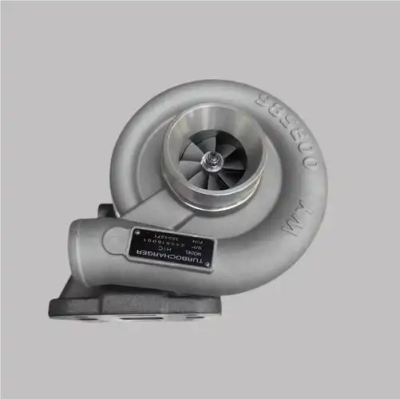


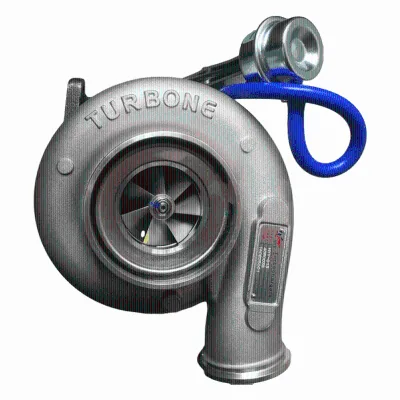
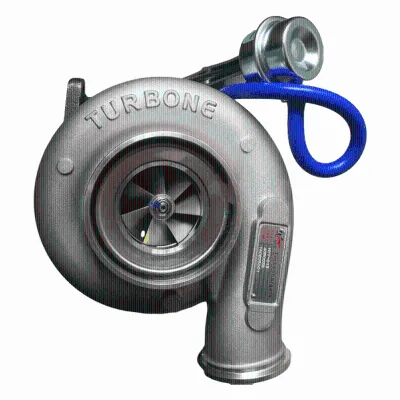
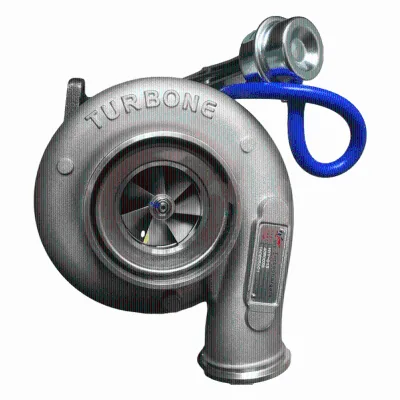


Turbocharger cartridges GT22 4.12 TCE E3 733676-0003 733676-3 733676-5003S
$52.00 - $58.00
MOQ: 1 Pieces


Comprehensive Sourcing Guide
Strategic Sourcing Guide for Turbocharger Cartridge Procurement
Understanding the Turbocharger Cartridge Market Landscape
The global market for turbocharger cartridges, specifically the core component known as the CHRA (Compressor Housing and Rotating Assembly), is characterized by a diverse range of applications spanning heavy machinery, automotive sectors, and emerging energy technologies. Buyers entering this space must first recognize that the product is not a monolithic commodity but a highly engineered component with specific compatibility requirements. Based on current market observations, the core keyword "Turbocharger Cartridge" encompasses units designed for specific engine models, such as the 4jg2t, and fits into broader categories including diesel fuel systems and heavy equipment like excavators.
The supply chain for these components is predominantly anchored in manufacturing hubs within China, with specific clusters in Guangdong province. This geographic concentration offers buyers access to a high volume of suppliers, yet it necessitates rigorous due diligence to distinguish between genuine manufacturers and trading entities. The observed market data indicates a wide variance in product attributes, ranging from single-item selling units to bulk orders, with Minimum Order Quantities (MOQ) fluctuating between 1 piece and 10 pieces depending on the supplier's specific inventory strategy. Understanding this variability is the first step in formulating a procurement strategy that aligns with both immediate replacement needs and long-term fleet maintenance schedules.
Technical Specifications and Compatibility Verification
When evaluating a Turbocharger Cartridge, the primary technical focus must be on the precise matching of the component to the host engine. The market data highlights specific identifiers such as the part number 129935-18010 and 8971760801, alongside model designations like SE-1806 and 12V190. These alphanumeric codes are not merely labels but critical verification points for compatibility. A buyer must verify that the cartridge's turbine type, described in some listings as axialflow, aligns with the engine's airflow requirements. Furthermore, the ETS (Exhaust-Gas-Turbo-Super-Charger) type, noted as "Runoff" in specific product profiles, dictates the exhaust gas flow dynamics and must be compatible with the existing exhaust manifold design.
The physical dimensions and material composition are equally critical. The body material is frequently identified as aluminium, a choice that balances weight reduction with thermal conductivity, though the specific alloy grade should be confirmed to ensure resistance to high-temperature fatigue. The package size, observed at 32x28x38 cm, provides a baseline for logistics planning, but the actual unit weight of approximately 15kg must be factored into shipping cost calculations. Buyers should also scrutinize the "Electric Turbocharger Type" classification, as this distinguishes between traditional exhaust-driven units and electric-assisted variants, which may require different control systems.
| Component Attribute | Observed Specification | Verification Requirement |
|---|---|---|
| Part Number | 129935-18010 / 8971760801 | Cross-reference with OEM engine manual |
| Engine Model | 4jg2t / 12V190 | Confirm engine displacement and configuration |
| Body Material | Aluminium | Verify alloy grade for thermal resistance |
| Turbo Type | Axialflow / ETS Exhaust-Gas-Turbo | Match with exhaust flow direction |
| Weight | 15kg | Confirm for shipping and mounting clearance |
Compliance, Certification, and Quality Assurance Standards
In the industrial procurement of turbocharger cartridges, compliance with international standards is a non-negotiable prerequisite for ensuring operational safety and longevity. The market data explicitly references certifications such as CE and ISO, which serve as indicators that the manufacturing process adheres to specific safety and quality management protocols. The presence of an ISO certification, potentially linked to component manufacturing standards, suggests a structured approach to quality control, while CE marking indicates conformity with health, safety, and environmental protection standards for products sold within the European Economic Area.
Beyond static certifications, the dynamic aspect of quality assurance is found in the testing documentation provided with the product. High-confidence observations indicate that suppliers often provide Machinery Test Reports and Balance Testing Reports. These documents are essential for verifying that the rotating assembly has been dynamically balanced to prevent vibration-induced failures, a common cause of turbocharger degradation. Buyers should insist on receiving these reports prior to finalizing an order, as they provide empirical evidence of the component's integrity. The "Quality" attribute is often listed as "High-Quality," but this is a subjective claim that must be substantiated by the provided test data and certification validity.
Cost Drivers and Pricing Structure Analysis
The pricing structure for turbocharger cartridges is influenced by a complex interplay of factors, including the complexity of the engine model, the material costs, and the level of customization required. The observed price range in the market spans from 1 USD to 5000 USD, a vast disparity that reflects the difference between standard replacement units and specialized, high-performance, or custom-engineered components. This range suggests that buyers should not rely on a single price point but rather evaluate the cost per unit in the context of the specific application.
Several key drivers influence the final cost. First, the MOQ (Minimum Order Quantity) plays a significant role; while some suppliers offer units at an MOQ of 1 piece, others require a minimum of 10 pieces, which can impact the unit price through economies of scale. Second, the "Customization" availability allows for tailored solutions, such as specific part numbers or modified housing designs, which typically command a premium over standard off-the-shelf inventory. Third, the packaging requirements, ranging from standard cartons to wooden cases for heavy-duty shipping, add to the logistical cost. Finally, the lead time, which varies from 3-7 working days to 15-20 days, can affect pricing, with expedited delivery often incurring additional charges. Buyers must balance the urgency of their procurement needs against the budgetary constraints imposed by these variables.
Supplier Evaluation and Operational Capabilities
Selecting a reliable supplier for turbocharger cartridges requires a thorough evaluation of their operational capabilities and logistical infrastructure. The supply chain data indicates that suppliers are located primarily in China, with a notable presence in Guangdong. When assessing potential partners, buyers should verify the supplier's ability to provide "Customization" services, as this indicates a level of engineering competence beyond simple assembly. The availability of "Electric Turbocharger Type" and "Runoff" ETS types suggests a diverse product portfolio, but the supplier's specific expertise in the buyer's required engine model (e.g., 4jg2t) is paramount.
Logistical reliability is another critical factor. The observed shipping methods include DHL, UPS, FedEx, as well as air and sea freight options. A capable supplier should offer flexible shipping solutions that align with the buyer's urgency and budget. The "Delivery Time" of 3-7 working days for standard items versus 15-20 days for custom orders highlights the need for clear communication regarding lead times. Furthermore, the payment terms, typically cited as T/T (Telegraphic Transfer), should be reviewed to ensure they align with the buyer's financial policies and risk tolerance. The "Company Name" and "Brand" (such as HKS) should be verified for authenticity to avoid counterfeit components, although buyers should remain cautious of generic branding that may obscure the true manufacturer.
Quality Control Protocols and Long-Term Procurement Strategy
Effective quality control in the procurement of turbocharger cartridges extends beyond the initial purchase to include long-term maintenance and performance monitoring. The provision of a "Machinery Test Report" and "Balance Testing Report" serves as the primary quality gate, but buyers should also consider the warranty terms. A standard warranty period of 12 months is observed in the market, which provides a baseline for recourse in case of premature failure. However, the specific terms of this warranty, including coverage for installation errors or misuse, must be clearly defined in the contract.
For long-term procurement, buyers should establish a relationship with suppliers who offer "Customized Models" and maintain a consistent supply of high-quality components. The "Condition" of the product is listed as "New," but buyers should verify the storage conditions and shelf life of the inventory to prevent degradation of seals or bearings. The "Application" fields, which range from excavators to new energy sectors, indicate that the same component may be used in diverse environments. Therefore, a robust procurement strategy involves maintaining a detailed inventory of part numbers and specifications to ensure rapid replacement availability. Additionally, the "Usage" of the component, whether for diesel fuel systems or electricity generation, dictates the specific wear patterns and maintenance schedules that should be integrated into the buyer's operational planning.
Finalizing the Procurement Decision
The decision to procure a Turbocharger Cartridge is a strategic move that requires balancing technical precision, cost efficiency, and supplier reliability. By adhering to the verified facts regarding part numbers, certifications, and testing reports, buyers can mitigate the risks associated with counterfeit or substandard components. The observed market data provides a clear framework for evaluation: verify the engine model compatibility, demand comprehensive test reports, confirm certification validity, and negotiate terms that reflect the specific needs of the application. Whether sourcing a single unit for an immediate repair or a bulk order for a fleet, the emphasis must remain on the quality of the rotating assembly and the integrity of the supply chain. Through a disciplined approach to these factors, buyers can secure turbocharger cartridges that ensure optimal engine performance and operational continuity.
FAQs
What certifications do turbocharger cartridges typically have?
Turbocharger cartridges typically carry CE and ISO certifications. These indicate compliance with safety and quality management standards, ensuring the component meets international requirements for industrial and automotive applications.
How long is the warranty period for these parts?
The standard warranty period is 12 months. This coverage applies to new condition units and provides protection against premature failure, subject to specific terms regarding installation and usage conditions.
Which engine models are compatible with these cartridges?
Compatible engine models include the 4jg2t and 12V190. Buyers must verify part numbers like 8971760801 against their specific engine manual to ensure proper fitment for excavators or diesel systems.
Can I request customization for specific part numbers?
Customization is available for specific part numbers and models. Suppliers can accommodate requests for tailored designs, though this may affect lead times and minimum order quantities compared to standard inventory.
What is the minimum order quantity for a single unit?
The minimum order quantity can be as low as 1 piece for some suppliers. However, other vendors may require a minimum of 10 pieces, so buyers should verify specific inventory policies before ordering.
How quickly can I expect delivery for standard orders?
Delivery time for standard orders is typically 3 to 7 working days. Customized models or bulk orders may require a longer lead time of about 15 to 20 days depending on production schedules.
What materials are used for the turbocharger body?
The body material is frequently identified as aluminium. This choice balances weight reduction with thermal conductivity, though buyers should confirm the specific alloy grade for resistance to high-temperature fatigue.