Source Seed Grain Color Sorter Machine for Wheat Rice Corn
Compare 30 Seed Grain Color Sorter Machine models from China suppliers. These units feature CCD technology and freefall or waterfall structures for cleaning wheat, rice, corn, beans, and industrial products with high efficiency; compare the available evidence and request quotations based on your requirements.
Key considerations
Products List


Bean Seed Separator Color Sorter Machine Seed Color Sorter Machine Color Separator
$8000.00 - $11400.00
MOQ: 1 Pieces


Automatic Color Sorter Sunflower Seeds Color Sorter Machine with High Capacity
$2900.00 - $4200.00
MOQ: 1 Pieces


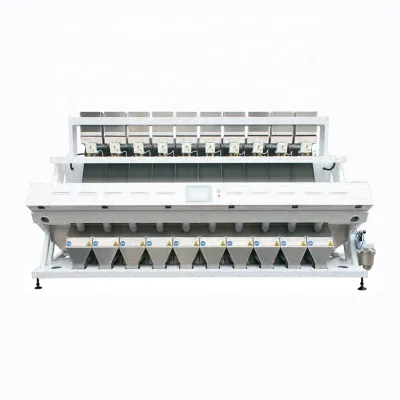


Chia Seed Color Sorter Chia Seeds Color Sorting Machine
$13800.00 - $14800.00
MOQ: 1 Pieces
Anhui Wenyao Intelligent Photoelectronic Technology Co., Ltd.

Black /White Pepper Seeds Color Sorter Machine
$9500.00 - $10500.00
MOQ: 1 Pieces
Anhui Wenyao Intelligent Photoelectronic Technology Co., Ltd.


Sunflower Seed Color Sorter Sunflower Seed Color Sorting Machine Color Separation Machine
$6000.00 - $40000.00
MOQ: 1 Pieces

Hemp Seed Color Sorter Hemp Seed Color Sorting Machine Hemp Seed Color Separation Machine
$6000.00 - $40000.00
MOQ: 1 Pieces


Multifunction Intelligent Seeds Color Sorting Seed Color Sorter Machine
$15000.00 - $17000.00
MOQ: 1 Pieces



Comprehensive Sourcing Guide
Seed Grain Color Sorter Machine Sourcing Guide
Procurement of seed grain color sorter machines requires careful evaluation of the specific sorting technology employed, as the market offers distinct configurations like CCD-based systems and freefall or waterfall structures. Buyers must verify that the selected unit matches their crop profile, whether it involves wheat, corn, beans, or specialized items like dehydrated vegetables and industrial products. The observed product range indicates a strong focus on high-efficiency running capabilities, which are critical for maintaining throughput in large-scale agricultural processing facilities.
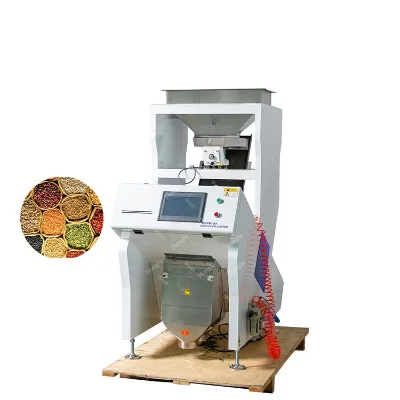
When initiating a search, buyers should note that customization is generally available to tailor the machine to specific operational needs. The physical footprint and structural design vary significantly between models, with dimensions ranging from compact units to larger industrial frames. Understanding these physical constraints is essential for facility planning, ensuring the equipment fits within existing production lines without requiring extensive structural modifications or additional floor space allocation.
Product Scope and Observed Listing Signals
The current market listings reveal a diverse range of models, including specific series like the SL and ZDH series, each designed for different processing capacities and channel configurations. Buyers will observe units with varying channel counts, such as 1, 2, or 3 channels, which directly influence the sorting precision and throughput speed. These signals indicate that the product scope covers everything from small-scale seed cleaning to heavy-duty grain processing, allowing buyers to select a machine that aligns precisely with their volume requirements.
Listing data also highlights specific performance metrics, such as reject ratios ranging from 10:1 to 20:1, which serve as key indicators of sorting accuracy. The observed processing capacities span from 0.2 to 4 tons per hour, providing a clear spectrum for buyers to match against their daily production targets. Additionally, the presence of LED light sources and specific color selection capabilities suggests that these machines are engineered to detect subtle color variations, ensuring high-quality output for premium agricultural products.
Technical Specifications to Verify
Buyers must rigorously verify the air consumption and supply pressure requirements, as these parameters dictate the operational efficiency and utility costs of the sorting machine. The observed data indicates air consumption ranges from 0.1 to 1.5 cubic meters per minute, with supply pressures typically between 0.6 and 0.8 MPa. Confirming that the facility's compressed air system can sustain these specific pressures is a critical technical step to prevent performance degradation or mechanical failure during continuous operation.
Power consumption and total power ratings are equally vital for electrical infrastructure planning, with observed values ranging from 0.8 to 1.9 kilowatts depending on the model. The structural design, whether freefall or waterfall, impacts the material flow dynamics and must be matched to the physical properties of the grain being processed. Buyers should also check the physical dimensions, which vary from approximately 58.5 cm to 165 cm in width, to ensure the machine integrates seamlessly into the existing plant layout.
Compliance and Safety Documentation
Documentation regarding certifications is a primary concern for international procurement, with ISOCE appearing as a relevant standard in the observed listings. Buyers should request valid certification documents to confirm that the machine meets international safety and quality benchmarks, ensuring compliance with local regulations in the destination country. This verification process helps mitigate risks associated with importing industrial machinery and ensures that the equipment adheres to recognized manufacturing standards.
Safety features and operational guidelines must be clearly documented to protect personnel and ensure safe handling of the equipment. The warranty period, typically observed as one year, provides a baseline for after-sales support and should be clearly defined in the purchase agreement. Buyers need to ensure that the supplier provides comprehensive manuals detailing safety protocols, emergency stop procedures, and maintenance schedules to maintain operational safety and extend the machine's service life.
Cost Drivers and Commercial Terms
The pricing structure for seed grain color sorters is influenced by processing capacity, channel count, and the complexity of the sorting technology employed. Observed price ranges span from 1,800 to 48,900 USD, reflecting the significant variation between entry-level models and high-capacity industrial units. Buyers should analyze the cost per ton of processing capacity to determine the most economical option for their specific production volume, rather than focusing solely on the initial purchase price.
Commercial terms such as minimum order quantity and packaging requirements also play a crucial role in the total cost of ownership. The observed minimum order quantity is consistently one unit, offering flexibility for buyers who may not require immediate bulk procurement. Packaging is typically specified as wooden cases or boxes, which adds to the shipping weight and cost but ensures the machine arrives in pristine condition. Buyers must factor these logistical costs into their budget to avoid unexpected expenses during the import process.
Supplier Qualification and Quality Control
Supplier qualification should focus on the manufacturer's ability to provide consistent quality and reliable after-sales support, particularly given the technical complexity of color sorting machines. Buyers should verify the supplier's track record in the grain processing industry and their capacity to deliver customized solutions that meet specific crop requirements. The availability of customization services suggests that suppliers are capable of adapting their standard models to fit unique operational needs, which is a strong indicator of technical competence.
Quality control measures must be transparent and verifiable before finalizing any purchase agreement. Buyers should request detailed inspection reports and test results that demonstrate the machine's performance under various conditions. The observed weight of the equipment, such as 1,800 kg for certain models, indicates substantial build quality, but this must be corroborated with physical inspections or third-party verification to ensure the machine meets the advertised specifications and durability standards.
Long-Term Procurement Checks
Long-term procurement success depends on establishing a robust maintenance and support framework that extends beyond the initial warranty period. Buyers should negotiate clear terms for spare parts availability and technical support to ensure minimal downtime during the machine's operational life. The high-efficiency running advantage observed in these machines relies heavily on regular maintenance, making a proactive support plan essential for sustaining performance over time.
Future scalability is another critical factor, as buyers may need to upgrade their sorting capabilities as their production volumes increase. The modular nature of some models, indicated by varying channel counts and processing capacities, allows for potential upgrades without replacing the entire system. Buyers should assess the supplier's roadmap for product development to ensure that their investment remains relevant and compatible with future technological advancements in the grain sorting industry.
FAQs
What applications does the Seed Grain Color Sorter Machine support?
The machine supports sorting for rice, wheat, corn, beans, peanuts, grain, dehydrated vegetables, tea, industrial products, and ore. It utilizes CCD technology and LED light sources to ensure high-efficiency running and accurate color selection across these diverse material types.
What are the processing capacity ranges for the available models?
Processing capacities vary by model, ranging from 0.2-0.4 tons per hour for the ZDH-32 to 2.5-4 tons per hour for the SL model. Other models like ZDH-64 and ZDH-128 offer intermediate capacities of 1.2-2.5 and 0.8-1.5 tons per hour respectively.
Can the machine be customized for specific sorting requirements?
Yes, customization is available for the Seed Grain Color Sorter Machine. Buyers can tailor the equipment to meet specific operational needs, ensuring the machine aligns with their particular production line requirements and material handling specifications for optimal performance and efficiency.
What certifications and standards does the machine meet?
The machine holds ISOCE certification and adheres to standard dimensions such as 1100*500*1500mm or 165*150.4*176cm depending on the model. It is manufactured in China and packaged in wooden cases or boxes to ensure safe transport and compliance with industry norms.
What is the warranty period for the color sorter machine?
The machine comes with a 1-year warranty covering manufacturing defects and operational issues. This warranty ensures buyer confidence in the product's durability and performance, providing support for the initial period of installation and routine grain or seed cleaning operations.
How much air consumption does the machine require?
Air consumption ranges from 0.1-0.3 cubic meters per minute for smaller models to 0.8-1.5 cubic meters per minute for larger units. The air supply pressure typically operates between 0.6-0.8 bar, ensuring efficient ejection of rejected materials during the sorting process.