Find Seismo Probe Transmitter for Industrial Monitoring, Oil & Gas, and Mining
Source 30 Seismo Probe Transmitter options from verified suppliers. Compare models like MH and HDL300 series with features including IP67 protection, digital data formats, and linear displacement capabilities for diverse industrial applications.
Key considerations
Products List


$135.00 - $530.00
MOQ: 1 Pieces


Multi-Function Wind Speed Transducer for Meteorological Measurement Solutions
$25.90 - $29.80
MOQ: 10 Pieces

Compact Wind Speed Transducer for Meteorological Wind Speed Sensor Solutions
$25.90 - $29.80
MOQ: 10 Pieces


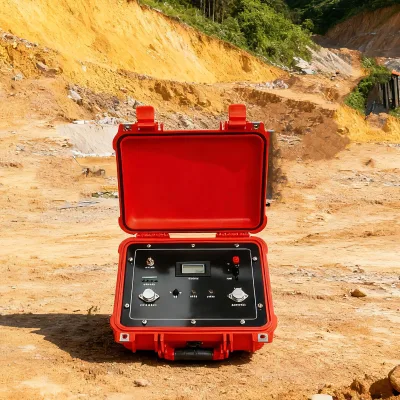
Comprehensive Sourcing Guide
Strategic Sourcing Guide for Seismo Probe Transmitter Solutions
The procurement of specialized sensing equipment, specifically within the domain of displacement and pressure monitoring often associated with seismic or structural health applications, requires a rigorous, evidence-based approach. While the term "Seismo Probe Transmitter" is the core search keyword, the actual market offerings often manifest as high-precision magnetostrictive displacement sensors, piezoelectric transmitters, and liquid level or pressure transmitters designed for extreme environments. Buyers must navigate a landscape where product attributes vary significantly between models, ranging from linear displacement sensors with specific stroke lengths to silicon piezoresistive pressure transmitters. This guide outlines the critical technical, compliance, and operational factors necessary for a successful procurement strategy, ensuring that the selected equipment meets the demanding requirements of industrial monitoring and structural integrity.
Technical Specifications and Performance Parameters
When evaluating potential solutions for displacement and pressure monitoring, the primary focus must be on the underlying measurement principles and the specific performance metrics that align with the application's sensitivity requirements. The market offers distinct technologies, including magnetostrictive displacement sensors and piezoelectric types, each serving different operational needs. For applications requiring high-resolution linear measurement, magnetostrictive sensors are a prevalent choice. These devices typically feature a stroke length ranging from 50mm to 2500mm, allowing for versatile integration into various mechanical systems. The resolution for such units is often specified at ±0.1mm, with nonlinearity defined as ±0.1mm for strokes up to 250mm or 0.04% of the full scale for longer ranges.
Hysteresis is another critical parameter, with high-performance units demonstrating values of less than 10μm, ensuring that the output remains consistent regardless of the direction of movement. Temperature stability is equally vital; a temperature coefficient of less than 30ppm/℃ is a standard benchmark for maintaining accuracy across fluctuating thermal conditions. The operating temperature range for these robust units typically spans from -40℃ to +105℃, making them suitable for harsh industrial environments.
In contrast, piezoelectric types are often utilized for dynamic pressure or vibration monitoring. These devices may operate with an accuracy of 0.2% and are designed with an "All in One" structure to minimize integration complexity. For pressure monitoring applications, silicon piezoresistive transmitters are common, offering an accuracy grade of 0.2G. These units often feature a pressure range capable of withstanding atmospheric pressure and can be configured for specific input types. The choice between these technologies depends heavily on whether the application requires static displacement measurement or dynamic pressure analysis.
Compliance, Certification, and Safety Standards
Ensuring that the selected transmitter meets international safety and environmental standards is a non-negotiable aspect of B2B procurement. Compliance verification should begin with checking for recognized certifications such as CE and RoHS, which indicate adherence to European health, safety, and environmental protection standards. These certifications are frequently observed in the product specifications of high-quality industrial sensors.
For applications involving hazardous environments, explosion-proof capabilities are essential. Buyers should verify if the equipment carries ATEX certification, which is critical for use in areas where explosive atmospheres may be present. The structural design of the housing also plays a role in safety; many units feature an IP67 protection level, often combined with stainless steel rods to ensure resistance against dust and temporary immersion. The outer tube pressure rating is another safety metric, with some models rated for 35MPa continuous pressure and 45MPa peak pressure, ensuring reliability under extreme hydraulic or pneumatic loads.
Electrical safety is equally important. The input voltage for these devices typically ranges from 9V to 32VDC, with an operating current of less than 80mA. To protect against electrical faults, units should include polarity protection up to -30VDC and overvoltage protection up to 36VDC. These electrical safeguards prevent damage to the sensor and the connected control systems, ensuring long-term operational stability.
Cost Drivers and Pricing Structures
The pricing of industrial transmitters is influenced by a complex interplay of factors, including material composition, measurement precision, and the level of customization required. The observed price range in the market spans from approximately $1 to nearly $53,000, reflecting the vast difference between basic components and highly specialized, custom-engineered systems. The material of the outer tube, such as stainless steel, significantly impacts the cost, as does the complexity of the internal semiconductor integrated production process.
Customization is a major cost driver. While standard models are available, the ability to customize stroke length, output data format, and housing materials adds to the unit price. Buyers should note that the "Customized" attribute is a common feature, allowing for tailored solutions that meet specific project requirements. The production process, often described as "SemiConductor Integrated," involves advanced manufacturing techniques that contribute to the final cost but ensure high reliability and precision.
Additionally, the packaging and shipping method affect the total landed cost. Units may be packed in paper tubes or standard boxes, with shipping options ranging from standard freight to door-to-door delivery. The minimum order quantity (MOQ) also influences the unit economics, with observed ranges from 1 to 20 units. For large-scale deployments, negotiating volume discounts based on the MOQ structure can yield significant savings.
Typical Applications and Operational Context
The versatility of these transmitters allows them to be deployed in a wide array of industrial sectors. Magnetostrictive displacement sensors are frequently used in hydraulic cylinders, automation machinery, and structural monitoring systems where precise linear position feedback is required. The arbitrary magnet velocity capability of these sensors makes them suitable for applications involving rapid movement or variable speed operations.
Liquid level transmitters, often utilizing piezoelectric or diffused silicon pressure principles, are essential in water treatment, chemical processing, and oil and gas industries. These devices provide accurate level monitoring in tanks and vessels, often featuring LED or LCD display types for local readout. The "Kind" of device, such as a liquid level transmitter, indicates its specific function within the broader system.
Pressure transmitters, including normal pressure and diffused silicon types, are critical for monitoring fluid dynamics in pipelines and processing equipment. The ability to withstand high pressures, such as the 35MPa continuous rating, makes them ideal for high-pressure hydraulic systems. The "Input Type" structure design allows for flexible integration into various control architectures, ensuring seamless data acquisition for process optimization.
Supplier Evaluation and Service Capabilities
Selecting the right supplier involves more than just comparing product specifications; it requires a thorough evaluation of the supplier's service capabilities and technical support infrastructure. A reliable supplier should offer 7*24h technical support, ensuring that any issues can be addressed promptly regardless of the time zone. Localization service is another valuable attribute, indicating that the supplier has the capacity to provide on-site assistance and support tailored to the buyer's region.
The warranty period is a key indicator of supplier confidence in their product quality. A standard warranty of 1 year is common, but buyers should verify the specific terms and conditions regarding coverage and claims. The shipping method, such as door-to-door delivery, also reflects the supplier's logistical capabilities and commitment to timely delivery.
When evaluating suppliers, buyers should also consider the origin of the products. Many high-quality industrial sensors are manufactured in China, leveraging advanced semiconductor integration processes. However, the origin should not be the sole determinant of quality; instead, it should be viewed in conjunction with the supplier's track record, certification status, and customer reviews.
Quality Control and Long-Term Procurement Considerations
Quality control is paramount in the procurement of sensitive electronic and mechanical components. Buyers should verify that the manufacturing process adheres to strict standards, such as the use of 304, 316, or Hastelloy materials for process connections, which offer superior corrosion resistance. The accuracy grade of 0.2G for pressure transmitters and the specific resolution of displacement sensors must be validated through independent testing or supplier-provided test reports.
Long-term procurement considerations include the availability of spare parts, the ease of maintenance, and the potential for future upgrades. The "All in One" structure of some devices simplifies maintenance, while the "Digital Type" data format ensures compatibility with modern control systems. Buyers should also consider the environmental impact of the products, ensuring that they comply with RoHS standards regarding the restriction of hazardous substances.
Furthermore, the stability of the supply chain is crucial. Buyers should assess the supplier's ability to maintain consistent production levels and manage lead times effectively. The standard packaging of 505050cm for certain models suggests a standardized approach to logistics, which can facilitate efficient inventory management.
Comparative Analysis of Key Product Attributes
To assist in the decision-making process, the following table summarizes the key attributes observed across different product types, highlighting the distinctions between magnetostrictive, piezoelectric, and pressure transmitters.
| Attribute | Magnetostrictive Displacement Sensor | Piezoelectric / Liquid Level Transmitter | Silicon Piezoresistive Pressure Transmitter |
|---|---|---|---|
| Measurement Principle | Magnetostrictive | Piezoelectric Type | Silicon Piezoresistive Type |
| Typical Stroke/Range | 50-2500mm | Variable (Liquid Level) | Atmospheric to High Pressure |
| Resolution | ±0.1mm | Variable | 0.2% Accuracy Grade |
| Protection Level | IP67 (Stainless Steel Rod) | IP Rated (Structure Specific) | IP Rated (Structure Specific) |
| Operating Temp | -40℃ ~ +105℃ | -20℃ ~ 80℃ (Process Temp) | Variable (Depends on Model) |
| Material | Stainless Steel | SS / 304 316 Hastelloy | 304 316 Hastelloy |
| Certification | CE, RoHS | CE, RoHS, ATEX | CE, RoHS |
| Data Format | Digital Type | Digital Type | Digital Type |
This comparative overview underscores the importance of matching the specific technical requirements of the application with the capabilities of the available transmitters. By carefully analyzing these attributes, buyers can make informed decisions that ensure optimal performance and reliability in their operational environments.
Final Procurement Recommendations
In conclusion, sourcing seismo probe transmitters and related monitoring equipment requires a disciplined approach that prioritizes technical accuracy, compliance, and supplier reliability. Buyers must rigorously verify specifications such as stroke length, resolution, and temperature coefficients against their project requirements. Certification checks for CE, RoHS, and ATEX are essential for ensuring safety and regulatory compliance. Cost considerations should balance the initial purchase price with long-term operational costs, including maintenance and potential customization fees.
By leveraging the detailed product attributes and adhering to the quality control standards outlined in this guide, buyers can successfully navigate the complex landscape of industrial sensor procurement. The focus should remain on selecting solutions that offer the right balance of precision, durability, and support, ensuring that the deployed systems deliver consistent and reliable performance over their intended lifespan.
FAQs
What certifications do seismo probe transmitters typically have?
These devices commonly carry CE and RoHS certifications to ensure compliance with European safety and environmental standards. Some models also include ATEX certification for use in hazardous environments where explosive atmospheres may be present.
How is the stroke length specified for displacement sensors?
The stroke length for magnetostrictive displacement sensors typically ranges from 50mm to 2500mm. This range allows for versatile integration into various mechanical systems requiring precise linear position feedback.
What is the operating temperature range for these transmitters?
The operating temperature range spans from -40℃ to +105℃ for robust industrial units. This wide range ensures reliability in harsh environments, though some specific models may operate between -20℃ and 80℃.
Can these sensors be customized for specific applications?
Yes, customization is available for stroke length, output data format, and housing materials. Buyers can request tailored solutions to meet specific project requirements, often involving a semi-conductor integrated production process.
What is the minimum order quantity for purchasing these units?
The minimum order quantity ranges from 1 to 20 units depending on the supplier and model. This flexibility allows buyers to order small batches for testing or larger quantities for deployment.
Which protection level do the stainless steel rod sensors offer?
Many units feature an IP67 protection level combined with stainless steel rods. This design ensures resistance against dust and temporary immersion, making them suitable for demanding industrial conditions.
What is the warranty period for these industrial sensors?
A standard warranty period of 1 year is commonly provided for these devices. Buyers should verify specific terms regarding coverage and claims when selecting a supplier for long-term procurement.