Find Selective Paddy Metribuzin for weed control, crop safety, and soil treatment
Source 30 verified listings for Selective Paddy Metribuzin from manufacturers in China. Buyers can compare formulations, packaging options, and application methods for paddy fields and soil treatment agents.
Key considerations
Products List


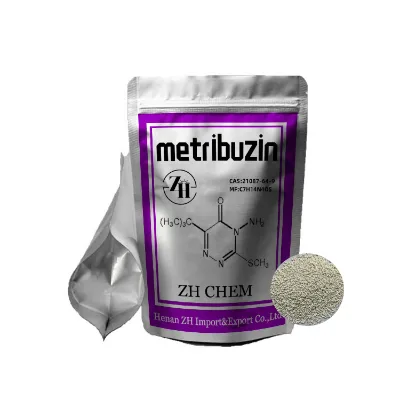
Herbicide Metribuzin 70%wp Weeds Killer Herbicide for Agricultural Control Weeds
$10.21 - $30.64
MOQ: 1 Minimum


Comprehensive Sourcing Guide
Strategic Sourcing Guide for Selective Paddy Metribuzin
The global agricultural chemical market presents a complex landscape for buyers seeking selective herbicides specifically formulated for paddy rice cultivation. Metribuzin, a triazinone herbicide, remains a critical component in weed management strategies for rice paddies due to its efficacy against broadleaf and some grassy weeds. When sourcing this product, procurement teams must navigate a variety of formulation types, regulatory standards, and supplier capabilities. The following guide outlines the essential technical, compliance, and operational factors that define a successful procurement strategy for Selective Paddy Metribuzin, ensuring that buyers make informed decisions based on verified product attributes and industry standards.
Technical Formulations and Physical Characteristics
Understanding the physical state and formulation type of metribuzin is the first step in defining technical requirements. The market offers several distinct forms, each with specific application advantages. Based on observed product data, metribuzin is available in multiple physical appearances, including powder, liquid, and granules. The powder form is often associated with specific trade names like TC (Technical Concentrate) or WP (Wettable Powder), while liquid formulations may appear as SC (Suspension Concentrate).
The color of the product can vary significantly depending on the purity and formulation process. Observations indicate that metribuzin products may appear white, dark brown, or yellow. For instance, specific technical concentrates are noted to be white, while other formulations or impurities might result in a dark brown or yellow hue. Buyers must verify the color against their quality specifications, as discoloration can sometimes indicate degradation or the presence of specific impurities.
Composition is another critical technical differentiator. Metribuzin products are generally categorized as organic compounds derived from organic synthesis. However, some listings may reference inorganic compositions, which typically refers to the carrier or filler materials used in the final formulation rather than the active ingredient itself. The method of application is equally vital; metribuzin is designed as a selective herbicide, often applied as a soil treatment agent or via cauline leaf treatment. This selectivity allows it to control weeds without damaging the rice crop when used according to label instructions. The specific conductivity of the product, often described in terms of transmission or specific herbicide types, also influences how the chemical moves within the soil and plant system.
Regulatory Standards and Product Specifications
Compliance with international and local standards is non-negotiable in the agricultural chemical sector. When sourcing metribuzin, buyers must verify that the product meets specific model and standard designations. Common specifications observed in the market include 70% WP, 96% TC, and various suspension concentrates. The standard designation often dictates the purity and the intended use case. For example, a 96% TC standard implies a high-purity technical grade suitable for further formulation, whereas a 70% WP standard indicates a ready-to-use wettable powder formulation.
Packaging standards are equally rigorous and vary by product type. Technical concentrates and powders are frequently packaged in 25kg drums or fiber drums, while liquid formulations might utilize 200L drums. Smaller quantities, such as 1kg, 5kg, 10kg, or 25kg bags, are common for retail or trial purposes. Customized packaging is also widely available, allowing buyers to request specific configurations such as 50ml, 100ml, 200ml, or 250ml bottles, or specific gram quantities like 50g, 100g, 200g, and 250g. The origin of the product, often cited as China or specifically Shanghai, can influence the logistics and regulatory compliance required for import.
Compliance, Certification, and Documentation
Navigating the regulatory landscape requires a thorough check of certifications and documentation. Reputable suppliers in this sector typically hold ISO9001 certification, ensuring adherence to quality management systems. Additional verification from bodies like BV (Bureau Veritas) and SGS (Société Générale de Surveillance) provides an extra layer of trust regarding product quality and safety. These certifications are not merely marketing tools but are essential for ensuring that the chemical meets safety and environmental standards in the buyer's region.
Documentation is a critical component of the procurement process. Buyers should expect suppliers to provide full dossiers, which include detailed technical data sheets, safety data sheets (SDS), and registration documents. The ability of a supplier to provide these documents is a strong indicator of their legitimacy and compliance with international trade regulations. Furthermore, the organization of the supplier, potentially affiliated with bodies like ICAMA, CAC, or CCCMC, can serve as a proxy for their standing in the industry. The shelf life of the product, typically observed as 2 years, must be clearly stated on the label and in the documentation to ensure the chemical remains effective upon arrival and during storage.
Cost Drivers and Procurement Variables
The cost of Selective Paddy Metribuzin is influenced by several dynamic factors, including formulation type, purity, and packaging requirements. The observed price range in the market is broad, spanning from $0.70 to $220 per unit, reflecting the diversity of product sizes and concentrations. A 1kg bag will naturally cost significantly less than a 200L drum, but the price per kilogram of active ingredient is the more relevant metric for large-scale procurement.
Minimum Order Quantities (MOQ) also play a significant role in cost structure. The market shows an MOQ range from 1 unit to 5000 units. Small buyers may find it challenging to secure competitive pricing with low MOQs, while large-scale agricultural operations can leverage higher volumes to negotiate better rates. Customization of the label and packaging adds to the cost but is often necessary for brand compliance and regulatory approval in specific markets. Buyers should also consider the origin of the product; sourcing from major manufacturing hubs like Shanghai may offer logistical advantages but requires careful verification of export compliance.
Supplier Evaluation and Operational Capabilities
Evaluating a supplier for metribuzin requires looking beyond the product listing to the operational capabilities of the company. The company type is a primary indicator; manufacturers are generally preferred over trading companies as they offer better control over quality and pricing. A manufacturer with a history of organic synthesis for metribuzin ensures that the active ingredient is produced to high standards.
The supplier's support capabilities are also crucial. Buyers should verify if the supplier offers full dossiers and technical support for product registration in their target market. The ability to customize labels and packaging designs is a valuable service that can streamline the entry of the product into local markets. Additionally, the supplier's location, such as Shanghai, should be assessed for its proximity to ports and logistics infrastructure, which can impact lead times and shipping costs.
Quality Control and Toxicological Safety
Quality control is paramount when dealing with agricultural chemicals. Buyers must ensure that the product undergoes rigorous testing to verify its composition, purity, and performance. The toxicological effects of metribuzin are a key consideration; while it is a selective herbicide, it is important to understand its mode of action. Some data suggests a mode of action involving stomach agents, and the toxicological effect is sometimes categorized under nerve poison, though the specific toxicity level can vary.
The toxicity of the reagents is generally classified as low, but this must be verified against local regulations. The source of the chemical, typically organic synthesis, should be confirmed to ensure that no harmful by-products are present. Quality control measures should include checks for specific conductivity, color consistency, and physical appearance. For instance, a product intended to be white should not show signs of yellowing or darkening, which could indicate degradation.
Long-Term Procurement and Market Stability
Securing a long-term supply of Selective Paddy Metribuzin requires a strategic approach to supplier relationships and market monitoring. The agricultural sector is subject to seasonal fluctuations and regulatory changes. Buyers should establish contracts that account for potential variations in lead times and production schedules. The availability of customized packaging and labels allows for flexibility in adapting to changing market demands.
Stability in the supply chain is also dependent on the supplier's ability to maintain consistent quality over time. Suppliers with established certifications and a track record of providing full dossiers are more likely to maintain this consistency. Buyers should also monitor the shelf life of the product, ensuring that they have sufficient time to distribute and sell the product before it expires. The 2-year shelf life observed in the market provides a reasonable window for distribution, but buyers should plan their inventory management accordingly to avoid waste.
In conclusion, sourcing Selective Paddy Metribuzin requires a meticulous approach that balances technical specifications, regulatory compliance, and supplier reliability. By focusing on the physical characteristics, standards, certifications, and operational capabilities of potential suppliers, buyers can secure a high-quality product that meets the rigorous demands of modern agriculture. The broad range of formulations, from powders to liquids, and the variety of packaging options offer flexibility, but the key to success lies in thorough due diligence and a clear understanding of the specific needs of the paddy rice cultivation sector.
FAQs
What physical forms does Selective Paddy Metribuzin come in?
Selective Paddy Metribuzin is available as powder, liquid, or granules. Specific formulations include TC, WP, and SC types, with colors ranging from white to dark brown or yellow depending on purity and composition.
Which certifications should I verify for this herbicide?
Reputable suppliers typically hold ISO9001, BV, and SGS certifications. These credentials ensure adherence to quality management systems and verify that the chemical meets necessary safety and environmental standards for international trade.
How is the product packaged for different order sizes?
Packaging options include 25kg drums, 200L drums, and various bag sizes like 1kg or 25kg. Customized packages are available upon request, allowing buyers to specify dimensions such as 50ml bottles or specific gram quantities.
Can I request customized labeling and packaging designs?
Yes, customized labels and packaging designs are available to meet specific market requirements. Suppliers often offer full dossiers and support to help buyers adapt the product for local regulatory approval and brand compliance.
What is the typical shelf life of metribuzin products?
The standard shelf life for these products is two years. Buyers should verify this duration on the label and in documentation to ensure the chemical remains effective upon arrival and during storage before distribution.
Which specifications are common for technical concentrates?
Common specifications include 96% TC and 70% WP standards. These designations indicate the purity and intended use, with TC suitable for further formulation and WP representing a ready-to-use wettable powder.
Where are the primary manufacturing locations for this chemical?
Primary manufacturing locations are in China, with specific origins noted in Shanghai. Sourcing from these hubs may offer logistical advantages but requires verification of export compliance and supplier capabilities for international shipping.