Source Selective Clomazone Herbicide for Weed Control and Crop Protection
Find 30 verified listings for Selective Clomazone Herbicide suitable for agricultural weed control, crop protection, and soil treatment. Buyers can compare specifications, concentrations, and packaging options from multiple suppliers in Anhui, China.
Key considerations
Products List






Comprehensive Sourcing Guide
Strategic Sourcing Guide for Selective Clomazone Herbicide Procurement
Understanding Product Attributes and Technical Specifications
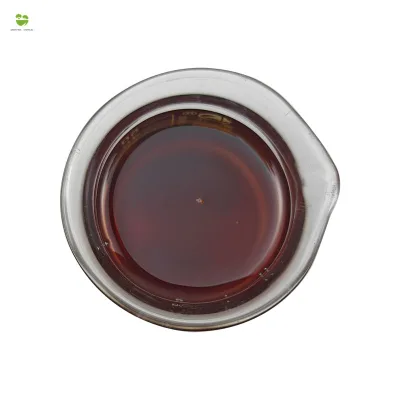
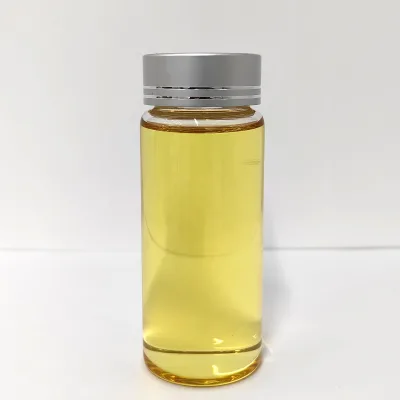
When sourcing Selective Clomazone Herbicide, buyers must first navigate a complex landscape of product attributes that vary significantly across listings. The core keyword implies a specific mode of action, yet the available data reveals a spectrum of formulations and classifications. A critical observation from the product pool is the existence of conflicting appearance descriptions. Some entries list the product as a liquid, while others specify it as oil-based. Furthermore, the classification data presents a dichotomy between "Non-Selective" and "Selective" usage modes within the same search context. This indicates that while the active ingredient is clomazone, the final formulation's selectivity depends heavily on the specific concentration and the intended application method.
The technical specifications provided highlight several distinct product models and standards. The "EC" (Emulsifiable Concentrate) model appears frequently, with specific concentration standards cited as 48% EC, 98% TC (Technical Concentrate), and 75% WDG (Water Dispersible Granule). The chemical identity is further defined by specific CAS Registry Numbers, such as 81777-89-1 and 709-98-8, and corresponding chemical formulas like C12h14clno2 and C9h9cl2no. Buyers must verify which specific chemical identity aligns with their regulatory requirements, as the presence of multiple CAS numbers suggests a complex mixture or a listing that aggregates different active ingredients under a single search term.
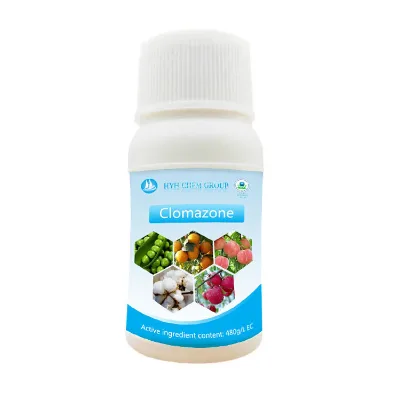
The method of application is another critical technical variable. The data indicates options for "Cauline Leaf Treatment" and "Soil Treatment Agent." This distinction is vital for procurement planning, as soil-applied herbicides require different handling and safety protocols compared to foliar sprays. Additionally, the content specifications range from 80% TC to 48% EC, and some listings mention a 480 g/L EC concentration. The molecular weight is noted as 239.7, and the shelf life is generally stated as two years when stored in a dry, sealed environment. These parameters form the baseline for any technical evaluation, but the buyer must ensure the specific lot they purchase matches the intended application profile.
Regulatory Compliance and Certification Verification
Navigating the regulatory landscape for agricultural herbicides requires rigorous verification of standards and certifications. The supplied data includes references to "Customized" standards and specific product standards such as 98%, 95% TC, and 48% EC. However, there is no explicit confirmation of third-party certifications like ISO9001:2015 in the high-confidence facts, though it is mentioned in the low-confidence background. Buyers should not assume certification status based on the keyword search alone. Instead, the procurement strategy must prioritize direct verification of the supplier's compliance with local agricultural regulations in the destination country.
The origin of the product is listed as China, with a specific mention of Anhui as a production location. While this provides a geographical anchor, it does not guarantee compliance with international safety standards. The "Customized" nature of the product standard and packing suggests that the manufacturer may tailor formulations to meet specific client requests, which can be advantageous for niche markets but requires careful quality assurance. Buyers must verify that the "High Effective" quality claim is backed by independent test results or regulatory approvals in their specific jurisdiction.
Furthermore, the product classification includes terms like "Systemic Herbicide" and "Systemic Fungicide," creating potential confusion regarding the actual mode of action. The data also lists "Inorganic Fungicide" as a raw material in one entry, which contradicts the organic composition noted elsewhere. This inconsistency underscores the necessity for buyers to demand a Certificate of Analysis (CoA) for every batch. The CoA should explicitly confirm the active ingredient percentage, the absence of prohibited impurities, and the alignment with the specific CAS number required for the target crop. Without these documents, the risk of non-compliance with import regulations or agricultural bans is significant.
Cost Drivers and Pricing Dynamics
The pricing structure for Selective Clomazone Herbicide is influenced by several factors, including concentration, packaging, and customization levels. The observed price range in the market spans from 1 to 1000 USD, a wide variance that likely reflects differences in product concentration, volume, and the level of service included. A 1 USD price point likely corresponds to a sample or a very small quantity, whereas the 1000 USD range may represent bulk industrial shipments or specialized custom formulations.
Minimum Order Quantity (MOQ) is a significant cost driver, with observed ranges from 1 to 2000 units. The flexibility in MOQ allows buyers to start with small trial orders, but larger volumes often yield better unit economics. The packaging options vary from small bottles (30ml, 100ml, 250ml) to large industrial containers (200L). The choice of packaging directly impacts the total landed cost, as larger containers reduce the cost per unit of active ingredient but require significant storage capacity.
Customization is a major factor in pricing. The data indicates that "Customized" packing and labels are available, and suppliers support registration. These value-added services typically command a premium. Buyers must weigh the cost of customization against the benefits of having a product tailored to their specific market needs, such as a specific label language or a unique concentration. Additionally, the "Support Registration" advantage suggests that the supplier may assist with regulatory hurdles, which can reduce the overall cost of market entry but may be factored into the product price or service fees.
Typical Applications and Usage Scenarios
The application of Selective Clomazone Herbicide is diverse, ranging from agricultural weed control to specific crop protection scenarios. The data identifies the product as an "Agricultural Herbicide" and "Weedicide," with applications in "Weed control." The distinction between "Non-Selective" and "Selective" usage is critical here. Selective herbicides are designed to kill specific weeds without harming the desired crop, whereas non-selective options kill all vegetation. Buyers must ensure the product they select matches the intended crop safety profile.
The method of application is equally important. "Cauline Leaf Treatment" suggests a foliar application targeting the stems and leaves of weeds, while "Soil Treatment Agent" implies a pre-emergent or residual soil activity. The choice between these methods depends on the weed species, the crop type, and the timing of application. For instance, soil treatment is often preferred for broad-spectrum weed control before crop emergence, while leaf treatment may be used for post-emergent control of specific weed types.
The product is also described as having a "Systemic" mode of action, meaning it is absorbed by the plant and translocated to other parts, ensuring effective control of deep-rooted weeds. This is particularly valuable for perennial weeds. However, the data also lists "Fungicide" and "Bactericide" applications, which may indicate a multi-purpose product or a listing error. Buyers should clarify whether the product is intended solely for herbicidal use or if it possesses secondary biocidal properties that could affect crop safety or residue limits.
Supplier Evaluation and Reliability Assessment
Evaluating suppliers for Selective Clomazone Herbicide requires a focus on their ability to provide consistent quality and regulatory support. The data highlights several key attributes: "Customized" packing, "Customized" labels, and "Support registration." These features suggest that suppliers are willing to adapt their offerings to meet client needs, which is a positive indicator of flexibility. However, the presence of conflicting product attributes, such as varying appearances and classifications, necessitates a thorough vetting process.
Buyers should prioritize suppliers who can provide clear documentation regarding the chemical formula, CAS numbers, and concentration levels. The ability to provide samples is a crucial evaluation criterion, as it allows buyers to test the product's efficacy and safety before committing to a large order. The "Available" sample status in the data is a strong positive signal, but buyers should verify the sample's consistency with the bulk product.
Geographical origin is another factor to consider. With products originating from China and specifically Anhui, buyers should be aware of potential logistical challenges, such as shipping times and customs procedures. While the origin is known, the specific location of the manufacturing facility within Anhui may impact quality control and traceability. Buyers should request detailed information about the production facility, including its capacity, quality management systems, and history of compliance with international standards.
Quality Control and Long-Term Procurement Considerations
Ensuring consistent quality is paramount in the procurement of agricultural chemicals. The data mentions a shelf life of two years when stored in a dry, sealed place, which provides a baseline for inventory management. However, the "High Effective" quality claim must be substantiated by regular testing. Buyers should implement a quality control protocol that includes batch testing for active ingredient concentration, impurity levels, and physical properties like viscosity and color.
Long-term procurement considerations involve building a stable supply chain that can adapt to changing market conditions. The "Customized" nature of the product allows for flexibility, but it also introduces complexity. Buyers should establish clear specifications and quality agreements with their suppliers to ensure that customization does not compromise product integrity. Additionally, the "Support registration" advantage suggests that suppliers can assist with regulatory changes, which is valuable for long-term planning.
Storage conditions are critical for maintaining product quality. The requirement for a "Dry place, sealed" environment must be strictly adhered to by both the supplier and the buyer. Failure to meet these conditions can lead to degradation of the active ingredient, reducing efficacy and potentially creating safety hazards. Buyers should also consider the environmental impact of the product, ensuring that the disposal of packaging and any unused product complies with local regulations.
Final Procurement Strategy and Risk Mitigation
The final step in the procurement process involves synthesizing all gathered information into a coherent strategy. Buyers must balance the technical specifications, regulatory requirements, cost drivers, and supplier capabilities to make an informed decision. The wide range of observed prices and MOQs suggests that there is room for negotiation, but buyers should be cautious of offers that seem too good to be true, as they may indicate substandard products or hidden costs.
Risk mitigation strategies should include diversifying the supplier base to avoid dependency on a single source. Given the conflicting data in the market, maintaining relationships with multiple suppliers who can provide verified samples and documentation is essential. Buyers should also stay informed about regulatory changes in their target markets, as these can impact the availability and legality of specific herbicide formulations.
In conclusion, sourcing Selective Clomazone Herbicide requires a meticulous approach that prioritizes verification, quality assurance, and regulatory compliance. By carefully evaluating the technical specifications, understanding the cost drivers, and assessing supplier reliability, buyers can secure a supply of high-quality herbicides that meet their agricultural needs while minimizing risks. The flexibility offered by customized formulations and support services provides opportunities for tailored solutions, but these must be managed with a robust quality control framework to ensure long-term success.
FAQs
What are the available application methods for this herbicide?
The herbicide supports both cauline leaf treatment and soil treatment applications. Buyers should verify the specific method required for their crop, as the product data lists both foliar and soil options depending on the formulation selected.
Can I request customized packaging and labeling for this product?
Yes, customized packing and labels are available for this herbicide. Suppliers offer various container sizes ranging from small bottles to large industrial drums, allowing buyers to tailor packaging to their specific distribution needs.
What is the typical shelf life when stored properly?
The product has a shelf life of two years when stored in a dry place and sealed. Proper storage conditions are essential to maintain the high effectiveness and stability of the active ingredients over time.
Which chemical formulas and CAS numbers are associated with this product?
The product data lists specific chemical formulas such as C12h14clno2 and C9h9cl2no with corresponding CAS numbers like 81777-89-1 and 709-98-8. Buyers must confirm which specific chemical identity aligns with their regulatory requirements before purchasing.
What are the available concentration standards for this herbicide?
Available concentration standards include 80% TC, 48% EC, 98% TC, and 480 g/L EC. The specific concentration determines the product's potency and application rate, so buyers should select the standard that matches their agronomic needs.
How does the product classification differ between selective and non-selective?
The product data indicates both selective and non-selective usage modes exist within the listings. Buyers must ensure the selected formulation matches their intended crop safety profile, as selectivity depends on the specific concentration and application method.