Source Self-Adhesive Bathroom Hook for Kitchen, Hotel, and Home
Compare 30 Self-Adhesive Bathroom Hook options from verified suppliers. Buyers can evaluate materials like stainless steel and plastic, customization features, and pricing to find the right solution for kitchens, hotels, and residential spaces; compare the available evidence and request quotations based on your requirements.
Key considerations
Products List








Comprehensive Sourcing Guide
Self-Adhesive Bathroom Hook Sourcing Guide
Sourcing self-adhesive bathroom hooks requires a careful balance between aesthetic integration and functional reliability, particularly in high-moisture environments where traditional mounting hardware is often impractical or damaging to tile surfaces. Buyers must prioritize products that demonstrate robust adhesive performance and material durability, as these factors directly influence customer satisfaction and return rates. The market offers a diverse range of options, from simple single-hook designs to more complex multi-hook systems, each serving different storage needs in kitchens, bathrooms, and utility areas. Understanding the specific use cases, such as holding heavy towels or lightweight tools, is essential for selecting the right product specifications.
Procurement decisions should be guided by observed listing signals that indicate supplier maturity and product consistency. Current market data reveals a wide price range, reflecting variations in material quality, customization options, and order volumes. Buyers should note that many suppliers offer OEM services, allowing for brand-specific customization in color, packaging, and design style. This flexibility is crucial for businesses aiming to create unique product lines or private-label offerings. Additionally, the availability of eco-friendly materials and modern design aesthetics, such as minimalist or luxury styles, aligns with current consumer trends, making these attributes key differentiators in competitive markets.
Product Scope and Observed Listing Signals
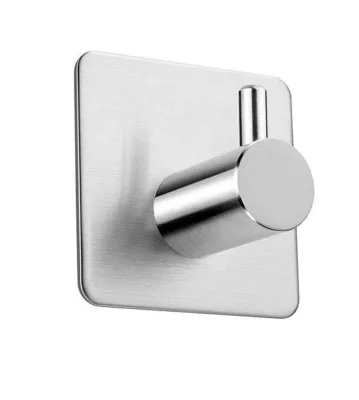
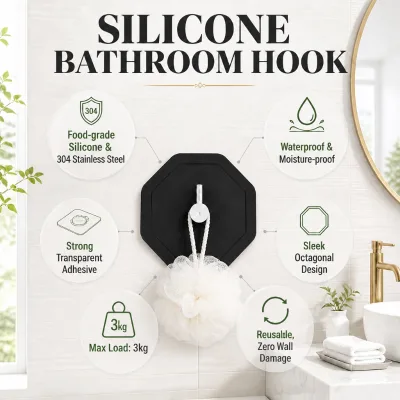
The product scope for self-adhesive bathroom hooks encompasses a variety of materials, including stainless steel, metal, and plastic, each offering distinct advantages in terms of weight capacity, corrosion resistance, and cost. Stainless steel options are particularly prevalent, often featuring V-style or S-style hooks that provide secure hanging points for items of varying shapes and sizes. These hooks are frequently marketed with features such as waterproof adhesives, strong sticking power, and eco-friendly manufacturing processes, which appeal to environmentally conscious buyers and those seeking long-term durability. The observed listings also highlight single-hook configurations, which are ideal for compact spaces or specific organizational needs.
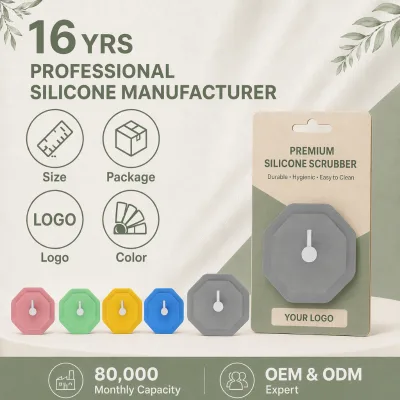
Listing signals further indicate a strong emphasis on customization and commercial versatility. Many suppliers provide OEM and ODM services, enabling buyers to tailor products to specific brand identities or functional requirements. The presence of certifications such as ISO and CE suggests a baseline level of quality management and safety compliance, although buyers should verify these independently. Additionally, the observed supply ability of up to 20,000 units per month indicates that many suppliers have the capacity to handle medium to large orders, which is beneficial for businesses looking to scale their inventory. The variety of models, such as NCY-H120/BK and YS-F1328, reflects a broad product portfolio that can cater to diverse market segments.
Technical Specifications to Verify
When evaluating technical specifications, buyers should focus on the adhesive type and its performance under humid conditions. Acrylic adhesives are commonly used due to their strong bonding properties and water resistance, but it is essential to verify the specific formulation and curing time to ensure optimal performance in bathroom environments. The dimensional tolerance of less than ±1mm indicates a high level of manufacturing precision, which is crucial for ensuring that hooks fit properly on various surfaces without compromising adhesion. Buyers should also inquire about the testing procedures used to validate adhesive strength, such as salt spray tests, which can provide insights into the product's resistance to corrosion and degradation over time.
Material composition and structural design are equally important factors to consider. Stainless steel and metal hooks offer superior strength and durability, making them suitable for heavier items, while plastic options may be more cost-effective and lightweight. The hook style, whether V-style or S-style, should be selected based on the intended use and the types of items to be hung. Additionally, buyers should verify the packaging details, such as carton or standard export packaging, to ensure that products are protected during transit. The lead time of 10-20 days is a common range, but buyers should confirm this with suppliers to align with their inventory planning and delivery schedules.
Compliance and Safety Documentation
Compliance with international standards is a critical aspect of sourcing self-adhesive bathroom hooks, particularly for markets with strict regulatory requirements. Certifications such as ISO and CE are often cited by suppliers, indicating adherence to quality management systems and safety standards. However, buyers should request valid certification documents and verify their authenticity through the issuing bodies. This step is essential to mitigate risks associated with non-compliant products, which could lead to legal liabilities or reputational damage. Additionally, buyers should inquire about any specific testing reports related to adhesive performance, such as pull-strength tests or humidity resistance evaluations, to ensure that the products meet the expected performance criteria.
Safety documentation should also cover the materials used in the product, particularly regarding the presence of harmful substances. Eco-friendly claims should be supported by relevant certifications or material safety data sheets (MSDS) that confirm the absence of toxic chemicals. Buyers should also consider the environmental impact of the packaging, opting for suppliers who use recyclable or biodegradable materials where possible. This not only aligns with sustainability goals but also enhances the brand's appeal to environmentally conscious consumers. Clear and comprehensive safety documentation is a key indicator of a supplier's commitment to quality and responsibility, providing buyers with the confidence to proceed with procurement.
Cost Drivers and Commercial Terms
Cost drivers for self-adhesive bathroom hooks include material selection, customization requirements, and order volume. Stainless steel and metal hooks typically command higher prices due to their superior durability and aesthetic appeal, while plastic options are more budget-friendly. Customization, such as OEM branding or unique design features, can also increase costs, as it involves additional setup and production steps. Buyers should negotiate pricing based on the expected order quantity, as larger volumes often result in lower unit costs. The observed price range of $0.1 to $12.9 USD reflects these variations, with higher prices corresponding to premium materials and extensive customization.
Commercial terms, including MOQ, lead time, and payment conditions, are crucial for effective procurement planning. The observed MOQ range of 1 to 5,000 units offers flexibility for businesses of different sizes, allowing smaller buyers to test the market without significant upfront investment. Lead times of 10-20 days are standard, but buyers should confirm these with suppliers to ensure timely delivery. Payment terms, such as advance payment or letters of credit, should be negotiated to balance risk and cash flow. Additionally, buyers should consider the port of dispatch, such as Xiamen, as it can impact shipping costs and delivery times. Clear and transparent commercial terms are essential for building a sustainable supplier relationship.
Supplier Qualification and Quality Control
Supplier qualification is a vital step in ensuring the reliability and consistency of self-adhesive bathroom hooks. Buyers should assess suppliers based on their production capacity, quality management systems, and track record in the industry. Suppliers with ISO certification and a proven history of meeting delivery deadlines are generally more reliable. Additionally, buyers should request samples to evaluate product quality, including adhesive strength, material finish, and packaging integrity. This hands-on assessment provides valuable insights into the supplier's capabilities and helps identify potential issues before committing to large orders.
Quality control measures should be clearly defined and enforced throughout the production process. Buyers should inquire about the supplier's QC protocols, including in-process inspections and final product testing. Suppliers who conduct rigorous testing, such as salt spray tests for corrosion resistance, demonstrate a commitment to quality. Buyers should also consider implementing their own quality checks upon receipt of goods, verifying that products meet the agreed-upon specifications. Establishing a clear communication channel with the supplier for addressing quality issues is essential for maintaining product standards and resolving any discrepancies promptly. This proactive approach to quality control helps minimize risks and ensures customer satisfaction.
Long-Term Procurement Checks
Long-term procurement checks involve continuous monitoring of supplier performance and product quality to ensure sustained value. Buyers should establish key performance indicators (KPIs) such as on-time delivery rate, defect rate, and responsiveness to issues. Regular audits and performance reviews help identify areas for improvement and reinforce accountability. Additionally, buyers should stay informed about market trends and technological advancements in adhesive technology and materials, which can inform future sourcing decisions. This proactive approach ensures that the procurement strategy remains aligned with business goals and customer expectations.
Building a resilient supply chain requires diversification and strong relationships with multiple suppliers. Buyers should avoid over-reliance on a single source, as this can increase vulnerability to disruptions. Regular communication and collaboration with suppliers foster trust and facilitate problem-solving. Buyers should also consider the environmental and social impact of their sourcing practices, aligning with sustainability goals and ethical standards. By implementing these long-term checks, buyers can mitigate risks, optimize costs, and ensure the consistent delivery of high-quality self-adhesive bathroom hooks to their customers.
FAQs
What materials are used for self adhesive bathroom hooks?
These hooks are commonly made from stainless steel or metal to ensure durability. Some variants also utilize plastic for specific applications. The material choice supports strong adhesion and resistance to moisture in bathroom environments.
Can I customize the design of these wall hooks?
Yes, customization is available for these products to meet specific buyer requirements. Buyers can request different styles or branding options. This flexibility allows for tailored solutions while maintaining the core functional design of the adhesive hook.
Which certifications do these hooks typically hold?
Many of these hooks hold ISO and CE certifications to ensure quality and safety standards. These certifications verify that the manufacturing processes meet international requirements. Buyers should verify specific certification documents for each product model before ordering.
How long is the lead time for these orders?
The standard lead time for these orders ranges from 10 to 20 days. This duration covers production and preparation for shipment. Buyers should plan their inventory accordingly to ensure timely delivery for their projects or retail needs.
What is the minimum order quantity for these hooks?
The minimum order quantity varies significantly, ranging from 1 to 5000 units depending on the supplier. This flexibility accommodates both small trial orders and large bulk purchases. Buyers should confirm the specific MOQ with the manufacturer before finalizing their order.
Where are these hooks manufactured and shipped from?
These hooks are primarily manufactured in regions like Guangdong and Wenzhou in China. They are often dispatched from ports such as Xiamen for international shipping. This location data helps buyers estimate shipping costs and delivery timelines accurately.
Are these hooks suitable for all seasons?
Yes, these hooks are designed for all-season use in various environments. Their construction ensures stability and performance regardless of seasonal changes. This makes them a reliable choice for both indoor and outdoor applications requiring consistent adhesion.