Source Selectorized 384 Kgs Home Gym for Home, Gymnasium, Community
Find and compare 30 listings for the Selectorized 384 Kgs Home Gym, featuring steel frames and manual power sources. Options include models like STH008 and NVSB60A with varying dimensions and load capacities, suitable for home, gymnasium, and community applications.
Key considerations
Products List


$500.00 - $1000.00
MOQ: 1 Sets


Fitness Equipment Home Gym for Body Building Indoor Exercise Home Gym
$98.00 - $107.00
MOQ: 100 Pieces


Home Use Fitness Multi-Function Home Gym Exercise Equipment Multi Gym
$134.00 - $146.00
MOQ: 96 Pieces


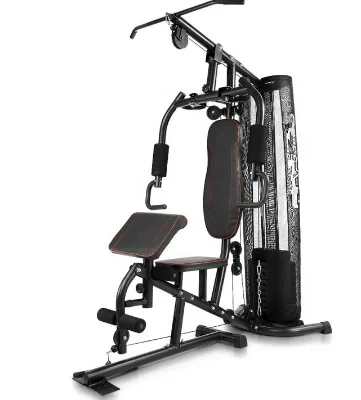
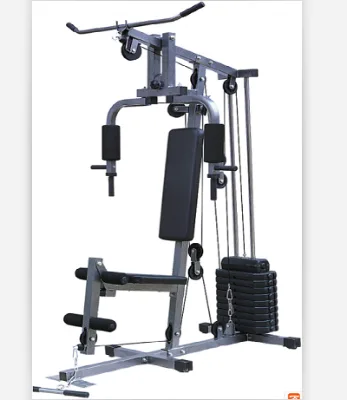
Body Solid Complete Multi-purpose Home Gym, Multi 3 Station Home Gym
$115.00 - $122.00
MOQ: 100 pieces
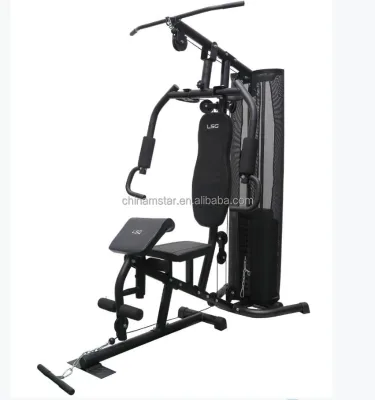
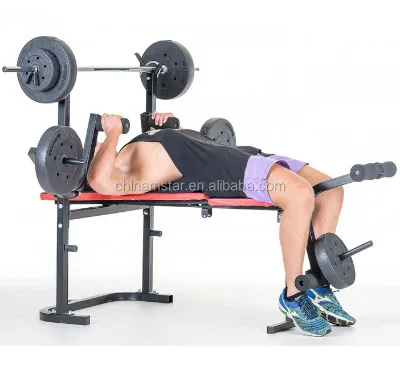
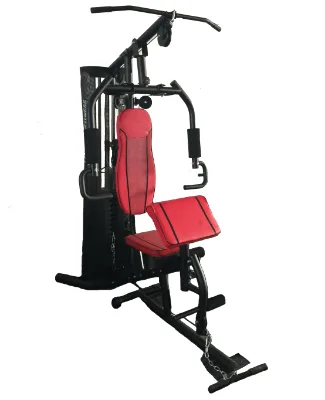
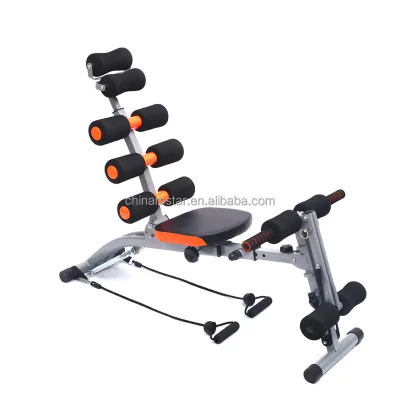
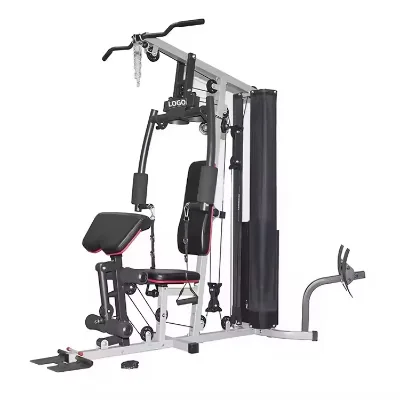
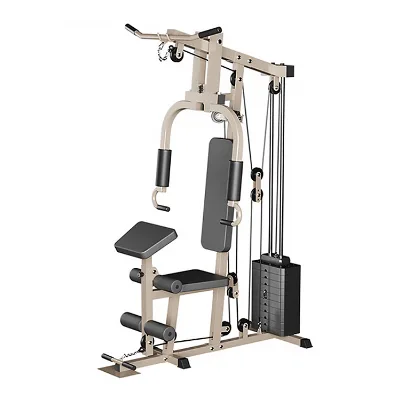

Multi-Station Selectorized Gym for Weight Training, Home and Commerical Gym
$600.00 - $900.00
MOQ: 20 Pieces

Comprehensive Sourcing Guide
Selectorized 384 Kgs Home Gym Sourcing Guide
Procuring a heavy-duty selectorized home gym system with a total weight stack capacity of 384 kilograms requires a rigorous approach to supplier verification and technical validation. This specific weight configuration indicates a high-end, commercial-grade machine adapted for residential or small studio use, designed to accommodate advanced strength training protocols. Buyers must recognize that such equipment represents a significant capital investment, necessitating careful attention to structural integrity, material composition, and long-term durability. The selectorized mechanism, which allows users to change resistance levels by inserting a pin into a weight stack, offers convenience and safety but introduces complex mechanical components that require precise manufacturing tolerances.
The sourcing process for these systems is dominated by manufacturers in specific industrial hubs, with China emerging as a primary source for both raw materials and finished assembly. Buyers should anticipate a wide variance in pricing and minimum order quantities (MOQ), reflecting the diversity of supplier capabilities from small workshops to large-scale factories. Understanding the distinction between standard export models and fully customizable units is critical, as is verifying the actual load-bearing capacity against the advertised 384 kg specification. This guide provides a structured framework for evaluating suppliers, ensuring that the final product meets the rigorous demands of serious fitness enthusiasts while maintaining commercial viability for the buyer.
Product Scope and Observed Listing Signals
The market for selectorized home gyms presents a fragmented landscape where product listings often vary significantly in their technical accuracy and completeness. Observed data indicates a broad price range, from entry-level models under $150 to premium systems exceeding $2,999, reflecting differences in frame construction, weight stack quality, and included accessories. Buyers must be cautious of listings that claim high weight capacities without providing detailed specifications on frame material or structural reinforcement. The presence of "Customization" as a standard attribute suggests that many suppliers offer OEM services, allowing buyers to tailor color schemes, branding, and even structural dimensions to their specific market needs.
Material composition is a primary differentiator in this category, with stainless steel and high-grade carbon steel being the most common frame materials. Listings frequently highlight "Export Carton" or "Carton Case" packing, which is essential for protecting the heavy components during international shipping. However, the term "Foldable" appears inconsistently, with some models listed as non-foldable to ensure maximum stability, while others offer folding mechanisms for space-saving convenience. Buyers should verify whether the 384 kg weight capacity refers to the total weight stack or the maximum user load, as these metrics have different implications for structural design and safety margins.
Technical Specifications to Verify
Verifying the technical specifications of a selectorized gym system is paramount to ensuring long-term performance and user safety. The frame material must be confirmed as high-strength steel, often with specific thickness requirements to support the 384 kg weight stack without flexing or deformation. Buyers should request detailed engineering drawings or CAD files to assess the weld quality, joint reinforcement, and overall structural design. The selectorized mechanism itself requires inspection for smooth operation, precise pin engagement, and durable cable routing systems that minimize friction and wear over time.
Weight stack configuration is another critical area for verification. Buyers must confirm the individual plate weights, the total number of plates, and the guide rod system that ensures smooth vertical movement. The transmission mode, whether chain-driven or cable-pulley based, affects the feel and maintenance requirements of the machine. Additionally, the flywheel weight, if applicable for cardio-integrated models, should be checked against the 10-20 kg range observed in similar products. Dimensional standards, such as those ranging from compact single-station units to large multi-gym structures, must be matched to the intended installation space, with typical footprints varying significantly based on the number of exercise stations included.
Compliance and Safety Documentation
Compliance with international safety and quality standards is non-negotiable for heavy fitness equipment. Buyers must ensure that suppliers provide valid certification documents, such as CE marking for European markets, which verifies conformity with health, safety, and environmental protection standards. While specific certification statuses may vary by supplier, the presence of CE or similar regulatory marks is a strong indicator of a manufacturer’s commitment to quality control. Buyers should also inquire about ISO certifications for manufacturing processes, which can provide additional assurance of consistent production quality and material traceability.
Safety features must be explicitly documented in the product specifications. This includes overload protection mechanisms, secure locking systems for the weight stack, and ergonomic design elements that prevent user injury. The maximum bearing capacity, often listed between 150 kg and 200 kg for user weight, must be clearly distinguished from the total weight stack capacity. Buyers should request test reports or third-party verification of these safety limits, especially for machines intended for commercial or high-traffic residential use. Ensuring that all safety documentation is up-to-date and legally valid in the target market is essential for liability protection and customer trust.
Cost Drivers and Commercial Terms
The cost of a selectorized home gym is influenced by several key factors, including material costs, manufacturing complexity, and customization requirements. Stainless steel frames, while more durable and aesthetically pleasing, are significantly more expensive than standard carbon steel alternatives. The inclusion of premium components, such as high-quality bearings, durable cables, and ergonomic padding, also drives up the final price. Buyers should analyze the price-to-feature ratio carefully, avoiding models that offer high weight capacities but compromise on component quality or structural integrity.
Commercial terms, including MOQ and lead times, vary widely among suppliers. Some manufacturers may offer low MOQs for customized orders, while others require larger volumes to achieve competitive pricing. Buyers should negotiate clear terms regarding payment schedules, shipping responsibilities, and warranty coverage. The observed price range of $75 to $2,999 per piece highlights the importance of defining precise specifications before requesting quotes to avoid unexpected cost overruns. Additionally, buyers should consider the total landed cost, including shipping, insurance, and import duties, when evaluating the overall value proposition of a supplier.
Supplier Qualification and Quality Control
Supplier qualification is a critical step in mitigating procurement risks. Buyers should conduct thorough due diligence on potential suppliers, verifying their business licenses, manufacturing capabilities, and export history. Factories with established quality control processes, including in-line inspections and final product testing, are preferred over those with minimal oversight. Buyers should request samples or visit facilities if possible to assess the actual quality of construction, finish, and assembly. The presence of a dedicated R&D team can also indicate a supplier’s ability to innovate and adapt to specific buyer requirements.
Quality control measures should be explicitly defined in the purchase agreement. This includes specifications for material thickness, weld quality, paint finish, and component durability. Buyers should implement a pre-shipment inspection protocol to verify that the delivered goods match the approved samples and specifications. Common defects to watch for include loose bolts, uneven paint application, and misaligned weight stacks. Establishing a clear process for handling non-conforming products, including returns or replacements, is essential for maintaining supply chain reliability and customer satisfaction.
Long-Term Procurement Checks
Long-term procurement success depends on establishing a sustainable relationship with reliable suppliers. Buyers should monitor supplier performance over time, tracking metrics such as on-time delivery, product quality consistency, and responsiveness to issues. Regular communication and feedback loops can help identify potential problems early and foster continuous improvement. Buyers should also stay informed about industry trends and technological advancements, such as new materials or ergonomic designs, to ensure their product offerings remain competitive.
After-sales support is a crucial component of the procurement strategy. Buyers should verify the availability of spare parts, technical support, and warranty services for the selectorized gym systems. A supplier’s ability to provide timely assistance and replacement parts can significantly impact customer satisfaction and brand reputation. Additionally, buyers should consider the environmental impact of their procurement choices, seeking suppliers who adhere to sustainable manufacturing practices and offer recyclable packaging options. By focusing on long-term partnerships and continuous improvement, buyers can build a resilient and profitable sourcing operation.
FAQs
What is the maximum bearing capacity for these home gym machines?
The maximum bearing capacity ranges from 150kg to 200kg depending on the specific model. Some units support up to 200kg while others are rated for 150kg or less, ensuring safety for adult users during various exercises.
Can I customize the color of the selectorized home gym equipment?
Yes, customization is available for the color of the equipment. Buyers can choose standard black or request customizable colors to match specific facility aesthetics or branding requirements for their home or commercial gym.
Which certifications are available for these steel home gym products?
Available certifications include CE and ISOFolded Unfolded standards for specific models. These certifications ensure the equipment meets safety and quality requirements for export markets and compliance with international fitness industry regulations.
How is the power source configured for these manual exercise machines?
The power source is configured as manual for these exercise machines. They rely on user effort and mechanical resistance mechanisms like friction rather than electricity, making them suitable for home and community gym environments.
What is the typical price range for these home gym units?
The observed price range spans from 1 USD to 2999 USD per unit. Specific models are priced between 75 to 150 USD or 150 USD and above, depending on specifications, materials, and customization options.
Which materials are used to construct the frame of these machines?
The frames are constructed from steel and stainless steel materials. This ensures durability and stability for heavy-duty use in home, gymnasium, and community settings while resisting corrosion and wear over time.