Source Self-Adjusting Rubber Welding Pressure Vessel for Storage
Find 30 listings for the self-adjusting rubber welding pressure vessel designed for reaction, separation, and storage applications. Compare stainless steel options from Guangzhou and Liaoning suppliers, noting low-pressure ratings and customization availability for industrial mixture handling; compare the available evidence and request quotations based on your requirements.
Updated
Key considerations
Products List

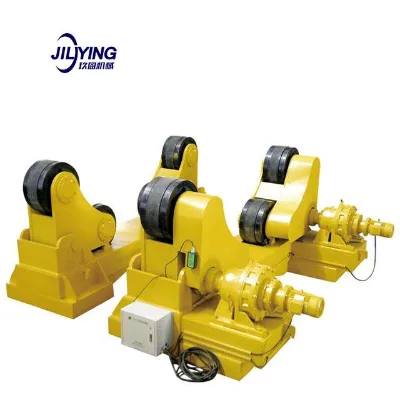
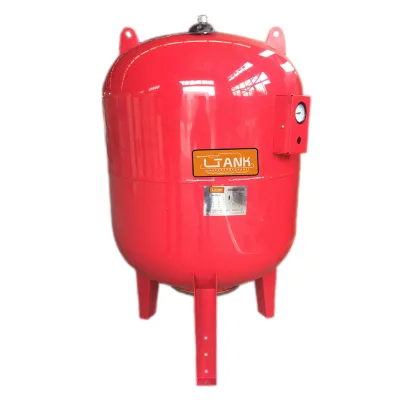
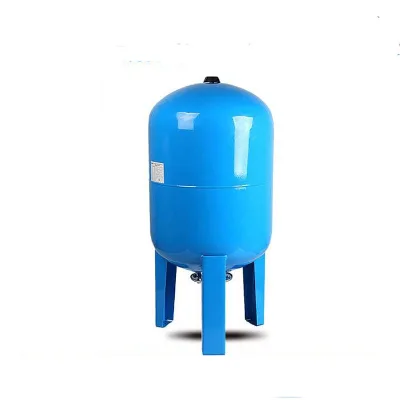


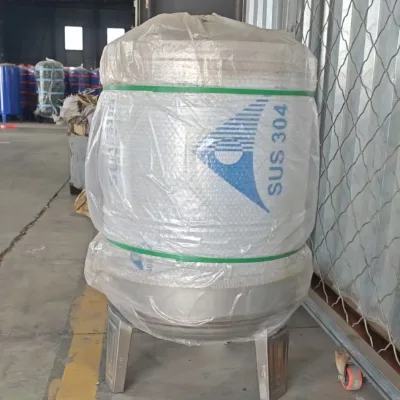
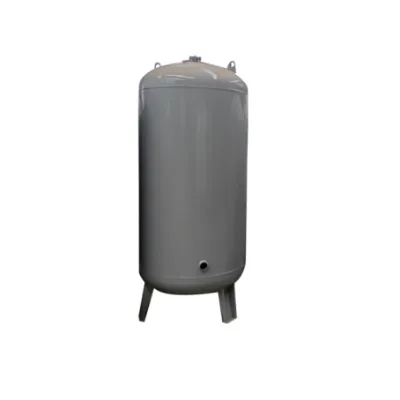
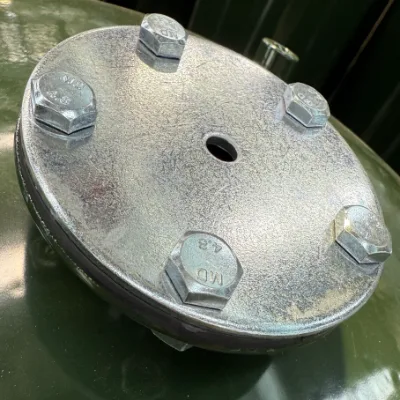

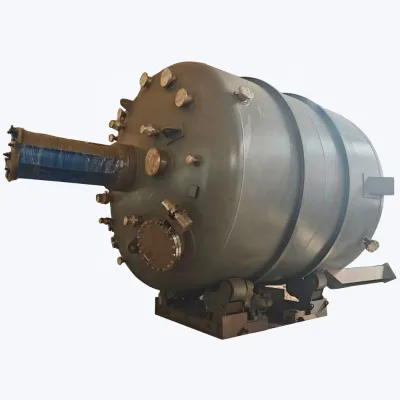
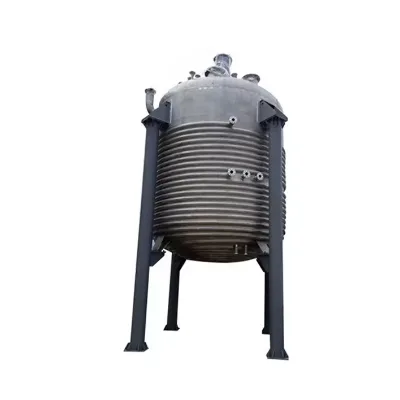
High Pressure Reactor Carbon Steel Chemical Industry Pressure Vessel
$5000.00 - $15000.00
MOQ: 1 Pieces


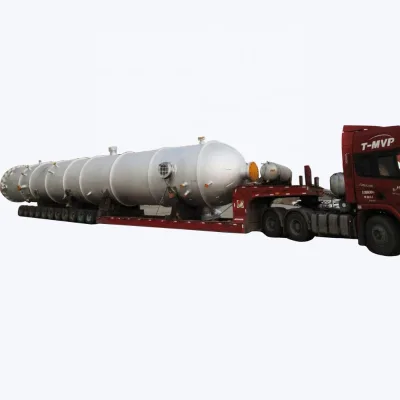

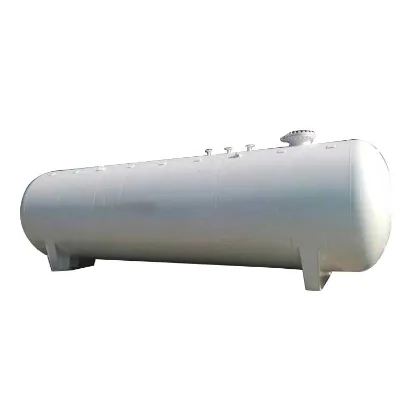
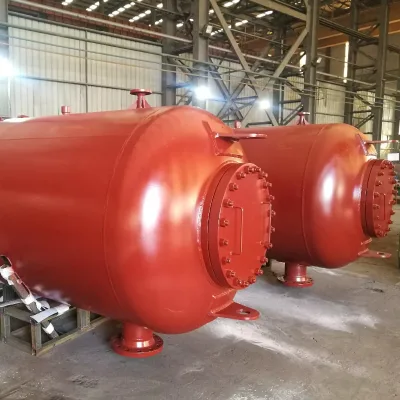

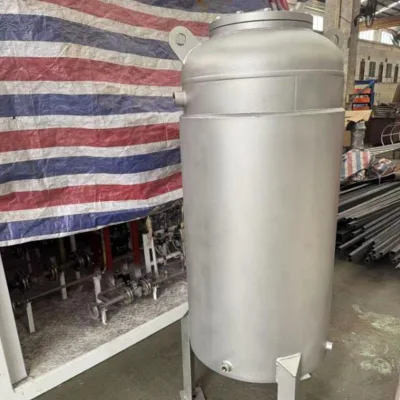
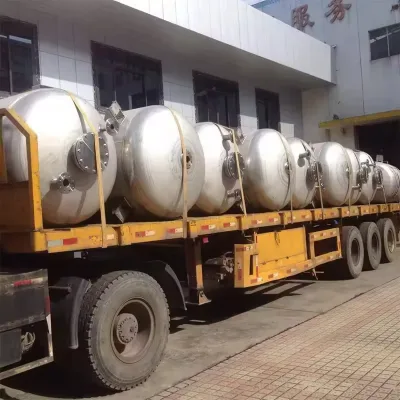
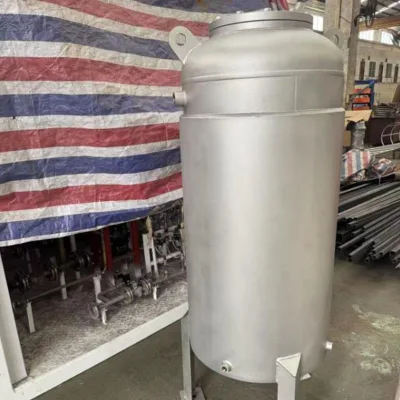
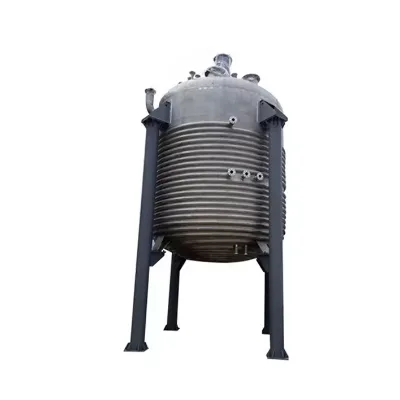
Comprehensive Sourcing Guide
Self-Adjusting Rubber Welding Pressure Vessel Sourcing Guide
Procurement professionals must distinguish between specialized welding rotators and general pressure vessels when searching for self-adjusting rubber welding pressure vessels. The available market data indicates a distinct category of welding turning rolls featuring rubber rollers designed for rotating heavy components during fabrication. These units typically operate within a load capacity range of 1 to 100 tons and are constructed with stainless steel or carbon steel frames to ensure structural integrity under dynamic welding loads.
Buyers should verify that the specific product listing explicitly combines pressure vessel functionality with welding rotation capabilities, as these are often distinct industrial categories. While some listings describe pressure vessels for membrane applications or water storage, the core keyword implies a need for equipment that manages rotational forces on welded assemblies. It is critical to confirm that the rubber material on the rollers is compatible with the specific welding processes and workpiece geometries intended for the facility.
Product Scope and Observed Listing Signals
The observed product listings reveal a diverse range of pressure vessels, including reaction, separation, and storage types, alongside dedicated welding turning rolls. Listings frequently specify materials such as stainless steel 304 or 316L, with dimensions varying significantly from compact units to large-scale industrial equipment. The presence of rubber rollers in welding rotator listings suggests a focus on protecting the workpiece surface while providing the necessary traction for rotation during the welding process.
Sourcing teams must carefully parse product titles and descriptions to identify items that meet the specific dual requirements of pressure containment and welding support. Some entries highlight a working temperature range of 0 to 99 degrees Celsius, which may be relevant for specific process environments but does not necessarily apply to high-temperature welding applications. Buyers should look for explicit mentions of self-adjusting mechanisms in the roller assembly to ensure the equipment can accommodate varying diameters of cylindrical workpieces without manual intervention.
Technical Specifications to Verify
Technical due diligence requires confirming the pressure rating and material composition of the vessel or rotator frame against the intended operational stress. The observed data indicates a low-pressure classification where the pressure level falls between 0.1 MPa and 1.6 MPa, which is suitable for specific storage or reaction applications but may not cover high-pressure welding scenarios. It is essential to verify the design pressure and working temperature limits to ensure the equipment will not fail under the thermal and mechanical loads generated during welding operations.
Buyers must also validate the dimensional specifications and load capacity to ensure the equipment fits the physical constraints of the production floor. Listings show dimensions such as 2500 by 1459 by 800 mm and load capacities up to 100 tons, which are critical for matching the size and weight of the components to be welded. The material of the rollers, specifically rubber, must be inspected for durability and resistance to heat or chemical exposure that might occur in the welding environment.
Compliance and Safety Documentation
Safety compliance is paramount when sourcing equipment that interacts with pressurized systems or heavy rotating machinery. The available context mentions certifications such as CE and ISO, which are standard indicators of adherence to international safety and quality management systems. Procurement teams should request the machinery test report and certification documents to verify that the specific unit has undergone rigorous testing for pressure integrity and mechanical stability before deployment.
Documentation regarding the design standard and material traceability is equally important for maintaining a safe working environment. While some listings reference elevated water tank standards, the specific application for welding pressure vessels requires verification against relevant pressure equipment directives. Buyers should ensure that the supplier provides clear documentation on the pollution status and safety features, confirming that the equipment operates without hazardous emissions or risks to personnel during the welding cycle.
Cost Drivers and Commercial Terms
The pricing structure for these specialized units is influenced by material costs, customization levels, and the complexity of the self-adjusting mechanism. Observed price ranges vary widely from 10 to 31,000 USD, reflecting the difference between basic welding rotators and complex, custom-engineered pressure vessels. The minimum order quantity is typically set at one set, allowing for flexible procurement strategies, but the final cost will depend heavily on the specific configuration and material grade selected.
Commercial terms such as delivery lead times and packaging details significantly impact the total cost of ownership and project scheduling. Suppliers often indicate a delivery detail of 10 to 20 days, though this can vary based on the customization requirements and current production capacity. Buyers should clarify the packaging details, which may include plywood boxes or wooden packing, to ensure the equipment arrives without damage and to calculate accurate shipping costs from the port of dispatch.
Supplier Qualification and Quality Control
Supplier qualification involves assessing the manufacturer's location, production capacity, and history of delivering specialized industrial equipment. The data indicates origins in Guangzhou, Liaoning, and Guangdong, China, suggesting a concentration of manufacturing expertise in these regions. Buyers should verify the supplier's ability to provide ODM services and their track record in delivering units with core components like pressure vessels and rubber rollers that meet specific engineering requirements.
Quality control processes must be rigorously evaluated to ensure the final product meets the specified performance standards. The presence of a one-year warranty and the provision of machinery test reports are positive indicators of supplier confidence in their product quality. Procurement teams should request detailed information on the production process, including material sourcing and assembly checks, to mitigate the risk of receiving equipment that does not perform as expected in a live welding environment.
Long-Term Procurement Checks
Establishing a long-term procurement strategy requires regular audits of the equipment's performance and the supplier's ability to maintain quality over time. Buyers should monitor the condition of the rubber rollers and the structural integrity of the pressure vessel frame to identify wear patterns that may indicate a need for maintenance or replacement. Regular inspections will help ensure that the self-adjusting mechanism continues to function correctly and safely throughout the equipment's operational life.
Sourcing teams must also maintain open communication channels with the supplier to address any emerging issues or changes in technical standards. The availability of spare parts and the supplier's responsiveness to warranty claims are critical factors in sustaining operational continuity. By tracking the performance data and maintaining a clear record of all interactions, buyers can build a reliable supply chain that supports consistent welding operations and minimizes downtime.
FAQs
What materials are used for the pressure vessel?
The pressure vessels are constructed from stainless steel, specifically grades 304 or 316L, to ensure durability and corrosion resistance. This material choice supports the storage of non-toxic and moncombustible media. The robust construction meets the requirements for low-pressure applications, providing a reliable solution for industrial separation and reaction processes.
Can the product be customized for specific needs?
Yes, customization is available for these pressure vessels to meet unique operational requirements. Buyers can request specific dimensions, pressure levels, or material grades. The manufacturer welcomes ODM requests, allowing for tailored solutions that align with particular industrial standards or facility layouts, ensuring the equipment integrates seamlessly into existing workflows.
What is the minimum order quantity for these vessels?
The minimum order quantity is one set for both horizontal and membrane pressure vessels. This low MOQ allows businesses to test the equipment or purchase small batches without significant upfront commitment. It facilitates flexible procurement strategies for companies needing specific pressure vessel configurations for pilot projects or specialized industrial applications.
How long is the delivery time for orders?
The delivery detail typically ranges from 10 to 20 days after order confirmation. This lead time accounts for manufacturing, quality testing, and packaging preparation. Buyers should consider this timeframe when planning their supply chain logistics to ensure timely installation and operation of the pressure vessels in their respective industrial facilities.
What certifications do the pressure vessels hold?
The pressure vessels hold CE and ISO certifications, indicating compliance with international safety and quality standards. These certifications assure buyers of the product's reliability and adherence to regulatory requirements. The machinery test report is also provided, offering additional verification of performance and safety before the equipment is dispatched to the customer.