PVC Plastic Synchronous Fuse Machine Suppliers and Manufacturers
Source 18 verified suppliers for PVC Plastic Synchronous Fuse Machine solutions. Compare grounded dimensions including ISO9001:2015 certification, 15-30 day lead times, and response metrics. Contact suppliers directly to request quotes and verify OEM capabilities; review the available evidence before requesting comparable quotations from suitable candidates.
Suppliers List
Foshan Zhenjia Machinery Co., Ltd.
- Combined
- China Guangdong
- Lead time15 days
- Avg. response≤ 6h
Main productsPacking Sealing Machine
Main marketsAfrica,Southeast Asia/ Mideast,North America


High Frequency Plastic Machine for PVC Welding Cutting Embossing Fusing
$14350.00 - $15200.00
MOQ: 1 Pieces

Wenzhou Fujia Machinery Equipment Co., Ltd.
- Verified by TUVRHEINLAND
- Combined
- China Zhejiang
- Lead time30 days
- Avg. response≤ 7h
Main marketsDomestic

High Frequency Plastic Machine for PVC Welding Cutting Embossing Fusing
$4700.00 - $5000.00
MOQ: 1 Pieces

Nl-5557 Spark Protection Integrated High-Frequency Fusing Machine for Plastic and Textile Laminates
$4700.00 - $5000.00
MOQ: 1 Pieces

27.12MHz PLC Controlled Rotary Synchronous Fusing and Cutting Machine for TPU and PETG Materials
$4700.00 - $5000.00
MOQ: 1 Pieces

Yueqing Wortai Electric Co., Ltd.
- Trading Company,Manufacturer/Factory
- China Zhejiang
- Lead time23 days
- Avg. response≤ 6h
Main productsFuse Cutout, Surge Arrester, Insulator, Fuse Link, Telescopic Link Stick/Hotstick, Arrester Disconnector, Sm Busbar Insulator, DMC SMC Insulator, Bus Bar Insulator, Cable Grip
Main marketsSouth America,Eastern Europe,Mid East,North America,Southeast Asia,Eastern Asia,Oceania,Western Europe,Africa

Shanghai Star Electronic Technology Co., Ltd.
- Verified by SGS
- Combined
- China Shanghai
- Lead time15 days
- Avg. response≤ 6h
Main productsWire Harness, Terminal Block, Connector, Auto Connector, Female Header, Male Header, ISO Harness, Car Connector, Automotive Connector, Cable Assembly
Main marketsSouth America,Southeast Asia/ Mideast,East Asia(Japan/ South Korea),Europe,North America


PCB Automotive Waterproof Fuse Holder
MOQ: 100 Pieces
Dongguan Yongjia Machinery Equipment Co., Ltd.
- Verified by TüVRheinland
- Manufacturer, Trading Company
- Lead time7 days
- Avg. response≤ 1h
Main productsHigh Frequency Welding Machine, Fully Automatic PVC Bag Making Machine, Hot Press Machine, Blister Packing Machine, Other Customized High-Frequency Welding Machines
Main marketsDomestic Market(30%), Southeast Asia(20%), Eastern Europe(15%)
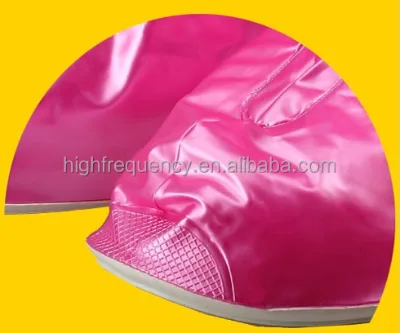
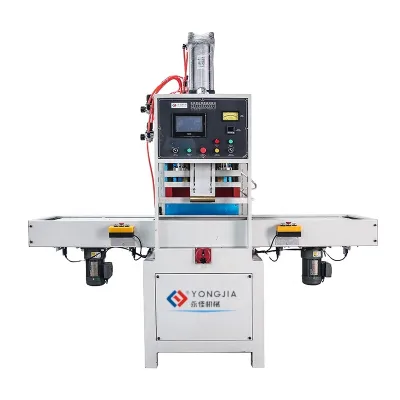
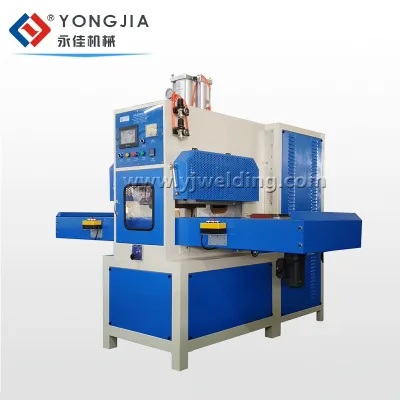
New High Frequency Synchronous Fusing Machine for Car Noise Insulation Material
$4000.00 - $5000.00
MOQ: 1 pieces
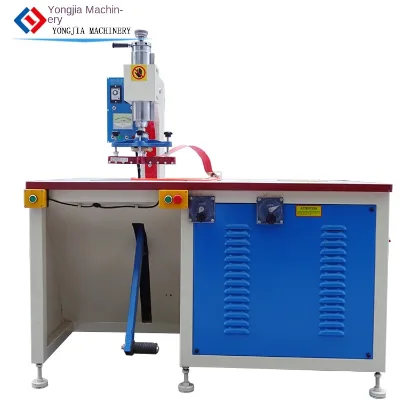
$2056.46 - $2340.11
MOQ: 1 Minimum
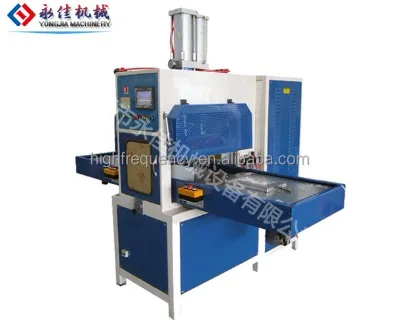
High Frequency Synchronous Fusing Machine for Baby Walker Seat Cushion
$2500.00 - $5000.00
MOQ: 1 pieces
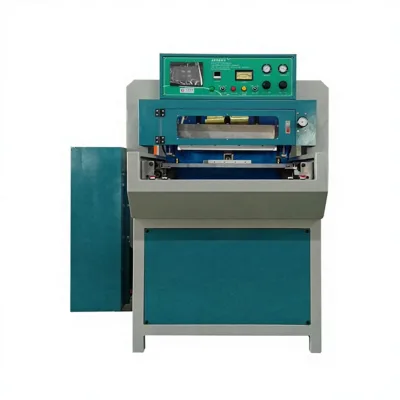
$6642.74 - $7153.72
MOQ: 1 pieces

LILING YOVON FIREWORKS & FIRECRACKERS MACHINE FACTORY
- Manufacturer/Factory
- China Hunan
- Lead time0 days
- Avg. response≤ 4h
Main productsFireworks Firecrakcers Machine, Paper Tube Making and Labeling Machine, Pop Pop Snapper Machine, Roman Candle Fireworks Machine, Confetti Party Popper Machine, Safe Fuse Machine, Transformer Insulation Crepe Tube Machine, Birthday Fire Candle Machine, Paper Can Machine, Pet Cat Climbing Tower Frame Machine

Dongguan Tianrui Electronics Co., Ltd.
- Combined
- China Guangdong
- Lead time15 days
- Avg. response≤ 8h
Main productsFuse, Thermal Fuse, Auto Fuse, Thermal Protector, Fuse Holder, Auto Circuit Breaker
Main marketsSouth America,Africa,Others(foreignTradeCapacity.exportBusinessCapacityMarketOther),Southeast Asia/ Mideast,Domestic,Europe,Australia,North America

Zhangjiagang Chenxing Machinery Co., Ltd.
- Verified by TUVRHEINLAND
- Combined
- China Jiangsu
- Lead time15 days
- Avg. response≤ 6h
Main productsPipe Production Line, Profile Extrusion Line, Corrugated Pipe Extrusion Line, Sheet/Sheetproduction Line, Board Production Line, Plastic Recycling Machine, Pipe Making Machine, High Speed Mixer, Plastic Extruder, Automatic Weighing System
Main marketsSoutheast Asia/ Mideast,Domestic,Europe,North America
Wuxi Guochiqiang Packaging Machinery Co., Ltd.
- Manufacturer, Trading Company
- Jiangsu Province, China
- Lead time0 days
- Avg. response≤ 1h
Main productsHigh frequency welding machine,High frequency Heat sealing machine,Leather embossing machine,heat sealing machine,Blister Packaging Machine
Main marketsMid East(10.00%), Southeast Asia(10.00%), South America(10.00%), North America(10.00%), Eastern Asia(5.00%)
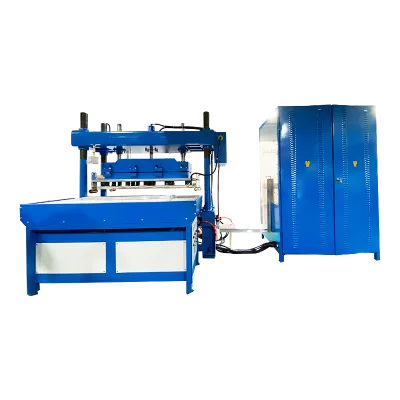
High Frequency Welding Machine with Quality Warranted TPU Sheet New Condition
$31000.00 - $32000.00
MOQ: 1
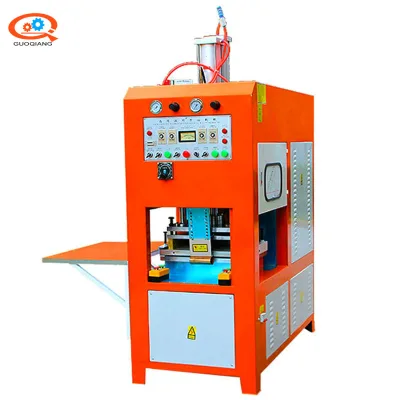
10kw Pvc High Frequency Welding Machine for Shoe Sole Embossing
$8300.00 - $8500.00
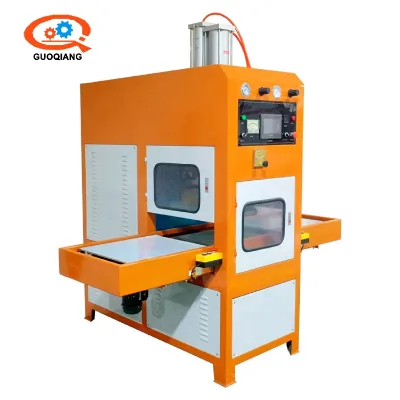
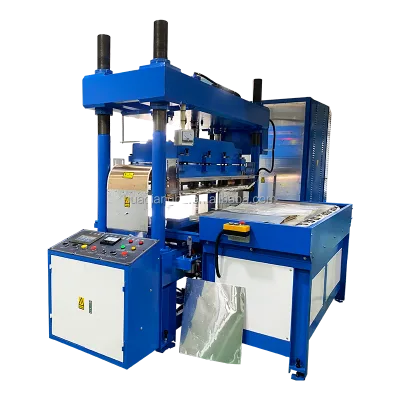
China Manufacturer's New PVC Inflatable Life Preservers Making Machine
$26000.00 - $28000.00
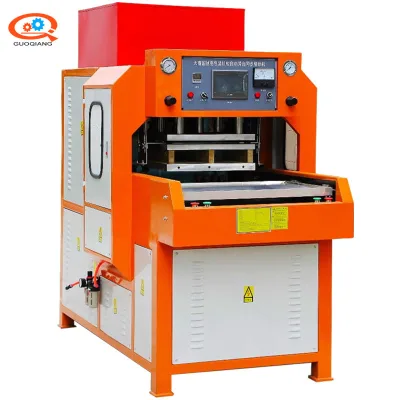
High Frequency Fusing and Plastic Welding Machine New Condition Shuttle Tray
$12500.00 - $13000.00

Dongguan HOOHA electrical machinery company Limited
- Verified by SGS
- Manufacturer/Factory
- China Guangdong
- Lead time45 days
- Avg. response≤ 9h
Main productsWire Drawing Machine, Annealing and Tinning Machine, Cable Extrusion Machine, Cable Twisting Machine, Cable Bunching Machine, Tubular Stranding Machine, Rigid Frame Stranding Machine, Pay off and Take up Machine, Testing Machine, Copper Cable Equipment
Main marketsSouth America,Eastern Europe,Mid East,North America,Southeast Asia,Eastern Asia,Oceania,Western Europe,Africa
Jiangxi Yoojo Technology Co., Ltd.
- Verified by SGS
- Combined
- China Jiangxi
- Lead time15 days
- Avg. response≤ 4h
Main productsFuse, Fuse Holder, Circuit Breaker, Fuse Box, Bus Bar, Ntc, Wiring Harness, Connector
Main marketsDomestic
Henan Share M&E Equipment Co.,Ltd
- Verified by SGS Group
- Trading Company
- Lead time7 days
- Avg. response≤ 3h
Main productsTextile Machinery, Printing Machinery, Construction Machinery, Wood Machinery
Main marketsNorth America(20%), South America(20%), Eastern Europe(10%)
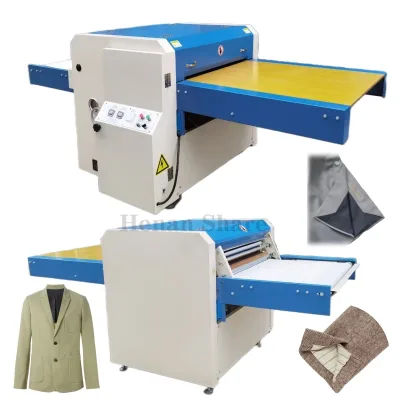
Full Automatic Fusing Machine Fabric Garments Heat Press Machine Fuses for Sale
$2999.00
MOQ: 1 Minimum
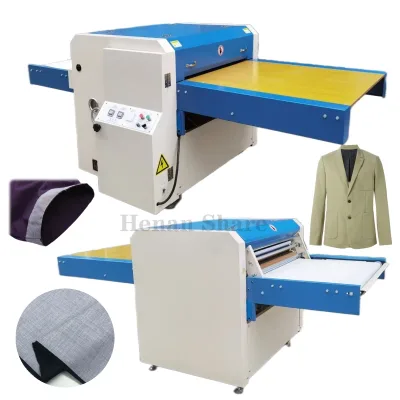

Nantong Bogda Machinery Technology Co., Ltd.
- Manufacturer/Factory
- China Jiangsu
- Lead time45 days
- Avg. response≤ 13h
Main productsPlastic Board Extrusion Line, Plastic Sheet Extrusion Line, Plastic Profiles Extrusion Line, Plastic Film Extrusion Line, Plastic Pipe Extrusion Line, Plastic Pelletizing Line, Plastic Extrusion Mould, Automatic Weighing Dosing Mixing Loading System, Plastic Crusher for Extrusion Line, Plastic Pulverizer for Extrusion Line
Main marketsSouth America,Eastern Europe,Mid East,North America,Southeast Asia,Eastern Asia,Oceania,Western Europe,Africa

Dongguan Newtopp Electrical Machinery Co., Ltd.
- Verified by BV
- Combined
- China Guangdong
- Lead time45 days
- Avg. response≤ 6h
Main productsCable Making Machines, Wire&Cable Manufacturing Equipment, Wire&Cable Extrusion Production Line, Wire&Cable Twisting Machine, Wire&Cable Stranding Machine, Wire&Cable Taping Machine, Wire&Cable Cutting Machine, Wire&Cable Back-Twist Machine, Wire Drawing Machine, Wire&Cable Winding Taping Machine
Main marketsSoutheast Asia/ Mideast,Domestic

Wire Cable Making Machine Insulation Jacket Extrusion Machine for PVC Sheath Extruding Machine
$22500.00 - $29800.00
MOQ: 1 Sets

Wire Cable Making Machine Insulation Jacket Extruder Machine for PVC Sheath Extrusion Machine
$22500.00 - $29800.00
MOQ: 1 Sets

Wire Cable Making Machine Insulation Jacket Extruding Machine for PVC Sheath Extruding Machine
$22500.00 - $29800.00
MOQ: 1 Sets

Wire Cable Making Machine Insulation Jacket Extruder Machine for PVC Sheath Extruding Machine
$22500.00 - $29800.00
MOQ: 1 Sets

Wire Cable Making Machine Insulation Jacket Extruder Machine for PVC Sheath Extruder Machine
$22500.00 - $29800.00
MOQ: 1 Sets

Ningbo Leap Electronics Technology Co., Ltd.
- Verified by TUVRHEINLAND
- Trading Company
- China Zhejiang
- Lead time23 days
- Avg. response≤ 24h
Main productsExtension Cord, Power Cords, Plug Insert, Power Cables, Plug Pins, Metal Spare Parts, NEMA USA Power Cords, SAA Extension Cord, Switch on Line, String Light
Main marketsDomestic

FOSHAN CHIPENG IMPORT AND EXPORT TRADING CO.,LTD.
- Verified by BV
- Manufacturer/Factory
- China Guangdong
- Lead time60 days
- Avg. response≤ 7h
Main productsCable Machine, Cable Making Machine, Tubular Stranding Machine, Rigid Stranding Machine, Cable Extrusion Machine, Cable Equipment, Cable Machinery, Wire Machine, Wire Making Machine, Wire Machinery
Main marketsSouth America,Eastern Europe,Mid East,Southeast Asia,Africa

Plastic Insulation Wires and Cables Extruding Machinery for Oxygen Free Copper Wire
$39000.00 - $88000.00
MOQ: 1 Sets

PVC Insulation Material and Low Voltage Type Power Cable Machine for 1.5mm Electric Wire
$56000.00 - $150000.00
MOQ: 1 Pieces

Low Price Electric Wire and Cable Plastic Filament Extruding Machine
$39000.00 - $88000.00
MOQ: 1 Sets

Extruding Usage PVC Insulated Electrical Wire and Cable Making Machine
$39000.00 - $88000.00
MOQ: 1 Sets

Dongguan NHF Machinery Co., Ltd.
- Manufacturer
- China Guangdong
- Lead time30 days
- Avg. response≤ 1h
Main productsWire & Cable Machine, Cable Extrusion Machine, Copper Twisting Machine, Wire Stranding Machine, Cable Wrapping Machine, Cable Coiling Machine, LAN Cable Complete Production Line, USB Cable Making Machine, PVC Wire and Cable Machine, Household Wire Making Machine
Main marketsDomestic


PVC Cable Copper Conductor Cable Bunching Making Machine Copper Wire and Cable Bunching Machine
$11880.00 - $12290.00
MOQ: 1 Sets

$11900.00 - $12300.00
MOQ: 1 Sets

$11900.00 - $12300.00
MOQ: 1 Sets


LAN Cable, USB Cable, HDMI Cable Conduct Bunching Machine Cable Making Machine
$11980.00 - $12300.00
MOQ: 1 Sets
Changzhou Huijian Machinery Co., Ltd.
- Combined
- China Jiangsu
- Lead time23 days
- Avg. response≤ 5h
Main productsHot Air Seam Sealing Machine, Hot Air PVC Mesh Cloth Welding Machine, Hot Air Inflatable Boat Welding Machine, Hot Air Inflatable Tent Welding Machine, Pleating Machine, Fabric Pleating Machine
Main marketsOthers(foreignTradeCapacity.exportBusinessCapacityMarketOther),Domestic,Europe


Comprehensive Sourcing Guide
PVC Plastic Synchronous Fuse Machine Supplier Concentration and Factory Types
The current supplier landscape for PVC plastic synchronous fuse machines reveals a distinct geographic concentration in China, specifically within the Guangdong province. This region hosts a significant number of manufacturers specializing in commercial equipment and machinery, particularly within the welding equipment and plastic welders subcategories. The presence of these factories indicates a mature industrial cluster where supply chains for high-frequency welding components, such as oscillation tubes and silicon diodes, are well-established. Buyers evaluating this market should note that the primary manufacturing hubs are located in Guangdong, which serves as a central node for exporting these specialized industrial machines. The concentration of suppliers in this area suggests that logistics and component sourcing are optimized for this specific type of equipment, potentially offering advantages in terms of production efficiency and technical support availability for international buyers.
In addition to geographic clustering, the types of companies operating in this space vary, with many identified as combined entities that engage in both manufacturing and trading activities. These combined companies often offer a broader range of services, including OEM and ODM capabilities, allowing for customization of the PVC fusion machines to meet specific client requirements. The main products listed by these suppliers frequently include packing sealing machines, high-frequency welding machines, and specialized PVC fusion equipment for applications ranging from stationery to automotive parts. This diversity in product offerings suggests that many suppliers have the flexibility to adapt their production lines to different PVC processing needs. Buyers should consider whether they require a pure manufacturer with dedicated production lines or a combined entity that can provide additional value through integrated services and a wider portfolio of related machinery.
How to Verify PVC Plastic Synchronous Fuse Machine Suppliers
Verifying the credibility of suppliers for PVC plastic synchronous fuse machines requires a careful examination of their certification status and verification badges. Some suppliers in the current results hold ISO9001:2015 certificates, which indicates a commitment to quality management systems in their production processes. This certification is a critical baseline for ensuring that the manufacturing of high-frequency welding equipment meets international standards for consistency and reliability. Additionally, buyers should look for third-party verification badges, such as those from TÜV Rheinland, which provide an independent assessment of the supplier’s business capabilities and product quality. These verification marks serve as a crucial layer of trust, confirming that the supplier has undergone rigorous checks regarding their legal status, factory audits, and product testing procedures. Buyers should prioritize suppliers who display these verifications, as they reduce the risk of engaging with unverified entities.
Beyond certifications, buyers must assess the supplier’s response time and communication efficiency, as these factors are indicative of their operational maturity. The current data shows response times ranging from approximately 5 to 6.5 hours, which suggests a varying level of customer service responsiveness among suppliers. A faster response time often correlates with a more organized sales and technical support team, which is essential when dealing with complex machinery like synchronous fuse machines. Buyers should also verify the supplier’s ability to provide detailed technical specifications and documentation, including information on voltage, frequency, and power input. Ensuring that the supplier can promptly address technical queries and provide accurate product data is vital for making an informed purchasing decision. Buyers should not rely solely on marketing claims but should demand concrete evidence of the supplier’s capabilities through verified documentation and direct communication.
What to Compare Across PVC Plastic Synchronous Fuse Machine Suppliers
When comparing suppliers, lead time is a critical metric that impacts production planning and inventory management. The observed lead times for these machines range from 15 to 30 days, reflecting differences in production capacity and order volume handling. Suppliers with shorter lead times may have more streamlined processes or higher inventory levels of key components, such as oscillation tubes and pneumatic cylinders. Buyers should align their procurement schedules with the supplier’s stated lead times to avoid production delays. Additionally, the minimum order quantity (MOQ) is another key factor, with some suppliers offering an MOQ of just one unit, which is beneficial for small-scale buyers or those testing new equipment. Comparing these logistical parameters helps buyers identify suppliers that can accommodate their specific volume requirements and delivery timelines.
Price and customization options are also essential dimensions for comparison. The price range for PVC plastic synchronous fuse machines varies significantly, from as low as $200 for certain accessories or smaller units to over $15,000 for large-scale automatic rotary disc welders. Buyers must carefully evaluate the price against the machine’s specifications, such as output power, frequency range, and electrode spacing, to ensure they are getting appropriate value. Furthermore, the availability of customization services, including OEM and ODM options, allows buyers to tailor the machines to their specific PVC processing needs. Suppliers that offer flexible customization can provide solutions for unique applications, such as specific voltage requirements or custom working table sizes. Buyers should compare the total cost of ownership, including potential customization fees, to make a comprehensive assessment of each supplier’s offering.
Common PVC Plastic Synchronous Fuse Machine Sourcing Risks
One significant risk in sourcing PVC plastic synchronous fuse machines is the variability in technical specifications and component quality. The machines often utilize high-frequency generators with specific oscillation tubes and silicon diodes, and the quality of these components can vary between suppliers. Buyers must ensure that the technical specifications, such as frequency range (27.12 MHz or 40.68 MHz) and input power, match their operational requirements. Inconsistent component quality can lead to machine failures, inefficient welding, or safety hazards. Additionally, the cooling systems, whether air cooling or other methods, must be adequate for the machine’s duty cycle. Buyers should request detailed technical datasheets and, if possible, third-party test reports to verify the performance and durability of the machine’s core components. Failing to do so can result in costly downtime and repair expenses.
Another risk is the lack of standardized after-sales support and spare parts availability. High-frequency welding machines require specialized maintenance and replacement parts, such as electrodes and pneumatic cylinders. Buyers must verify that the supplier provides comprehensive after-sales support, including technical guidance, warranty terms, and access to spare parts. Some suppliers may offer limited support, which can be problematic if the machine requires immediate repairs. Buyers should inquire about the supplier’s policy on spare parts supply and technical assistance to ensure long-term operational reliability. Additionally, the risk of miscommunication regarding customization requirements can lead to machines that do not meet the buyer’s specific needs. Clear and documented communication of all technical and operational requirements is essential to mitigate this risk and ensure that the delivered machine functions as expected.
PVC Plastic Synchronous Fuse Machine Regional Sourcing and Logistics
Sourcing PVC plastic synchronous fuse machines from China, particularly from the Guangdong region, offers logistical advantages due to the area’s robust export infrastructure. The proximity to major ports facilitates efficient shipping of heavy machinery, which often requires specialized packaging, such as wooden cases, to prevent damage during transit. Buyers should consider the shipping dimensions and weight of the machines, which can vary significantly depending on the model, from compact units weighing around 130kg to larger machines exceeding 400kg. Understanding the logistics requirements is crucial for planning freight costs and handling procedures. The Guangdong region’s concentration of suppliers also means that buyers can potentially consolidate orders from multiple suppliers, reducing overall shipping costs and simplifying logistics management.
However, buyers must also account for the complexities of international shipping and customs clearance. The machines often require specific voltage configurations, such as 380V or 220V, and may need electrical adapters or transformers for use in different countries. Buyers should verify the power supply requirements and ensure that their facility can accommodate the machine’s electrical needs. Additionally, the packaging standards, such as the use of wooden cases, must comply with international phytosanitary regulations to avoid customs delays. Buyers should work with experienced freight forwarders who can handle the documentation and compliance requirements for industrial machinery. Proper planning of logistics and customs procedures is essential to ensure that the machines arrive at the buyer’s location in good condition and are ready for installation without unnecessary delays.
PVC Plastic Synchronous Fuse Machine Commercial Terms and Order Planning
Commercial terms for PVC plastic synchronous fuse machines often include flexible payment options and warranty provisions that buyers must carefully review. Suppliers may offer various payment terms, such as partial upfront payments and balance upon shipment, which can help manage cash flow. Buyers should negotiate terms that protect their interests, such as escrow services or letters of credit, to ensure secure transactions. Additionally, the warranty period and coverage for parts and labor are critical components of the commercial agreement. Buyers should clarify the warranty terms, including the duration and the scope of coverage, to ensure that they are protected against manufacturing defects. Understanding the commercial terms helps buyers assess the total cost of acquisition and mitigate financial risks associated with the purchase of industrial machinery.
Order planning should also consider the supplier’s capacity for customization and production scalability. Suppliers that offer OEM and ODM services can accommodate larger or more complex orders, but buyers must provide detailed specifications early in the process to avoid delays. The lead time for customized machines may be longer than for standard models, so buyers should plan their procurement cycles accordingly. Additionally, buyers should consider the supplier’s ability to handle repeat orders and provide consistent quality over time. Establishing a long-term relationship with a reliable supplier can lead to better pricing, priority production, and improved support. Buyers should evaluate the supplier’s track record and capacity to ensure they can meet their ongoing production needs. Proper order planning and relationship management are key to successful sourcing of PVC plastic synchronous fuse machines.
FAQs
What is the price range for PVC plastic synchronous fuse machines?
Prices for these machines typically range from $200 to $15,200 depending on specifications. Basic folding units start near $200, while high-frequency welding models with 15KW power can cost over $14,000. Buyers should verify exact quotes based on voltage and automation levels.
What certifications are available for these PVC welding machines?
Suppliers offer ISO9001:2015 system certification and CE product certification for their equipment. These credentials ensure compliance with international quality and safety standards. Buyers should request valid certificates during the inquiry process to verify that the machinery meets specific regulatory requirements for their region.
What are the typical lead times for manufacturing these machines?
Manufacturing lead times generally range from 15 to 30 days. Suppliers in Guangdong often quote 15 days, while those in Zhejiang may require up to 30 days. These timelines depend on order volume and customization needs, so confirm production schedules before placing deposits.
What is the minimum order quantity for these machines?
The minimum order quantity is typically one unit, allowing for single-machine purchases. This low MOQ supports small businesses and testing requirements. Buyers can order individual units without needing to meet bulk thresholds, making it easier to evaluate machine performance before larger investments.
Where are these PVC plastic fuse machines manufactured?
These machines are primarily manufactured in China, specifically in Guangdong and Zhejiang provinces. Guangdong suppliers often provide faster lead times, while Zhejiang suppliers may offer different verification statuses. Buyers should check the specific origin to understand logistics and supplier capabilities.
What power options are available for high-frequency welding machines?
Available power options include 5KW, 8KW, 10KW, and 15KW configurations. Voltage inputs vary between 220V and 380V, with some models requiring 3-phase power. Buyers must select the appropriate power rating based on their facility's electrical infrastructure and production volume requirements.