Source Self-Drilling Fastener Screws for Steel, Metal, and Wood
Compare 30 listings for self-drilling fastener screws available in carbon steel and stainless steel. Buyers can evaluate hex head options, DIN standards, and delivery times ranging from 3 to 45 days from Chinese manufacturers.
Key considerations
Products List


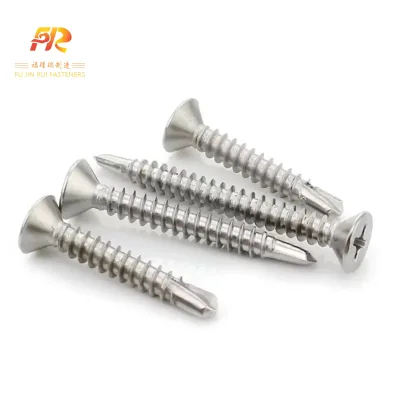
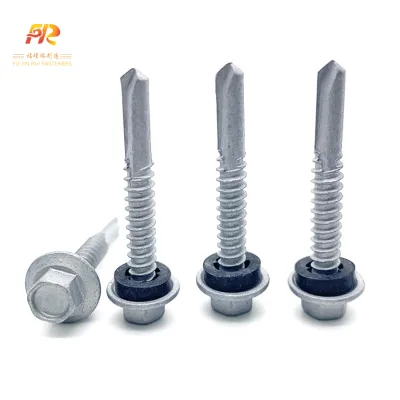

Source Factory Countersunk Flat Head Phillips Drive Self-Drilling Screws
$0.10 - $0.50
MOQ: 100 Pieces


Comprehensive Sourcing Guide
Strategic Sourcing Guide for Self-Drilling Fastener Screws
Understanding Technical Specifications and Material Variability
When sourcing self-drilling fastener screws, the primary challenge lies in navigating the diverse technical specifications that define product performance. The market presents a wide array of material compositions, ranging from carbon steel to various grades of stainless steel. Buyers must recognize that a single listing may not represent a monolithic product line. For instance, observed product attributes indicate materials such as Carbon Steel, 304 Stainless Steel, 316 Stainless Steel, 410 Stainless Steel, and general Stainless Steel variants. Each material offers distinct corrosion resistance and tensile strength properties suitable for different environmental conditions. Carbon steel is often the default for general construction, while 316 and 304 grades are preferred for marine or high-humidity applications.
The mechanical properties are equally critical. The grade of the fastener determines its load-bearing capacity. Available data points to specific grades such as 4.8 and Class 4.8 & 6.8. These numerical designations refer to the tensile strength and yield strength ratios of the metal. A grade 4.8 screw, for example, offers a tensile strength of 400 MPa, which is standard for many general-purpose applications. However, for structural integrity in high-stress environments, higher grades like 6.8 or beyond may be required. It is essential to verify the specific grade against the engineering requirements of the project rather than assuming a standard specification applies to all inventory.
Thread geometry and head style also dictate the usability of the fastener. The observed product attributes highlight a Hexagon Head style, which is standard for driving tools that require high torque. Conversely, other listings mention a Flat head style, which is designed for countersunk applications where a flush surface is necessary. The thread type is typically a Coarse Thread, which is optimal for self-drilling applications as it facilitates chip removal and reduces the risk of galling during installation. The measurement system is predominantly Metric, with specific sizes like M4, M5, and M6, though Imperial and Inch systems (e.g., #8, #10) are also available. The diameter range observed spans from 2mm to 12mm, and length ranges from 5mm to 200mm, allowing for significant flexibility in selection.
Compliance, Certification, and Standard Adherence
Navigating the regulatory landscape is a non-negotiable aspect of B2B procurement for fasteners. Compliance ensures that the products meet international safety and quality benchmarks. The supply chain data indicates that products often carry certifications such as ISO, GS, RoHS, and CE. These certifications are not merely marketing labels; they represent adherence to specific management systems and environmental directives. ISO certification implies a standardized approach to quality management, while RoHS compliance ensures the product is free from specific hazardous substances, which is critical for electronics and export markets. CE marking indicates conformity with health, safety, and environmental protection standards for products sold within the European Economic Area.
Standards compliance is equally vital for ensuring interchangeability and performance. The observed product attributes reference a robust list of international standards, including DIN, AISI, ASTM, BS, GB, and JIS. These standards govern dimensions, mechanical properties, and testing methods. For example, DIN standards are widely recognized in Europe and often dictate the precise geometry of the screw head and thread pitch. ASTM standards are prevalent in North America and cover material specifications and testing procedures. When sourcing, buyers must verify that the specific fastener lot adheres to the standard required by the local building codes or industry regulations. Relying on a supplier who claims "DIN" compliance without providing specific test reports or certification documents can lead to significant liability issues.
The table below outlines the key standards and certifications frequently observed in the market, serving as a checklist for verification.
| Category | Observed Standards/Certifications | Verification Requirement |
|---|---|---|
| Quality Management | ISO | Request valid certificate number and scope. |
| Safety & Environment | GS, RoHS, CE | Verify current validity and specific directive compliance. |
| Dimensional Standards | DIN, AISI, ASTM, BS, GB, JIS | Confirm the specific standard number (e.g., DIN 7981) matches project specs. |
| Material Standards | Carbon Steel, Stainless Steel Grades | Cross-reference material test reports (MTR) with the claimed grade. |
Cost Drivers and Pricing Dynamics
The pricing of self-drilling fasteners is influenced by a complex interplay of material costs, manufacturing complexity, and order volume. The observed price range in the market spans from $0 to $1600, which likely reflects the difference between single-unit samples and bulk pallet orders. However, the unit price is rarely static. A significant cost driver is the material composition. Stainless steel variants, particularly 316 and 304, are inherently more expensive than carbon steel due to the cost of nickel and chromium content. Furthermore, the surface finish adds to the cost; options like White Zinc Plated or Yellow Zinc Plated involve additional electroplating processes that increase the final price compared to uncoated or silver-plated finishes.
Order volume is the second major factor. The Minimum Order Quantity (MOQ) varies drastically, ranging from 1 piece to 100,000 pieces or 1 ton. Suppliers often structure their pricing tiers to reward larger commitments. A buyer purchasing 10,000 pieces may face a different per-unit cost structure than one ordering 100,000 pieces. The "Negotiated" price attribute observed in the data suggests that for larger orders or custom specifications, the unit price is not fixed but determined through direct discussion. This flexibility allows buyers to optimize costs based on their specific inventory needs and cash flow constraints.
Lead time also indirectly affects cost. While some suppliers offer rapid delivery times of 3-7 days or 7 days via courier services like FedEx or UPS, standard production runs may take 15-30 days or even 20-45 days. Expedited shipping or rush production often incurs a premium. Additionally, customization costs must be considered. The availability of customization, including specific packaging (Carton, Bag, Box) and custom branding, adds to the overall procurement cost. Buyers should balance the need for speed and customization against the budget constraints, understanding that "Standard Packaging" and "Standard Delivery" are the most cost-effective options.
Typical Applications and Industry Use Cases
Self-drilling fasteners are engineered for efficiency, combining the functions of drilling, tapping, and fastening into a single operation. This makes them indispensable in industries where speed and structural integrity are paramount. The primary application is in metal-to-metal or metal-to-wood construction, particularly in steel framing, HVAC ductwork, and light gauge steel studs. The self-drilling tip allows for installation without pre-drilling holes, significantly reducing labor time and tooling requirements on the job site.
The versatility of the product attributes suggests a wide range of use cases. The Hexagon Head style is ideal for applications requiring high torque, such as securing heavy steel beams or attaching cladding to structural frames. The Flat Head style is better suited for applications where the fastener head must sit flush with the surface, such as in drywall or thin metal panels where protrusion is undesirable. The variety of lengths, from 5mm to 200mm, allows these fasteners to be used in everything from thin sheet metal assemblies to thick structural connections.
Furthermore, the material selection dictates the application environment. Carbon steel fasteners with zinc plating are commonly used in indoor, dry environments where corrosion resistance is not the primary concern. In contrast, 304 and 316 stainless steel fasteners are essential for outdoor structures, coastal environments, or facilities exposed to chemicals, such as chemical processing plants or marine vessels. The "Drilling Screw" product name and "Self-Drilling Screws" type confirm their utility in rapid assembly scenarios. The ability to customize the product for specific customer requirements further expands their application into specialized manufacturing sectors, including automotive and aerospace, where specific tolerances and material grades are mandatory.
Supplier Evaluation and Geographic Considerations
Evaluating a supplier requires a holistic view of their capabilities, location, and operational transparency. The observed data points to key manufacturing hubs in China, specifically Hebei and Zhuji. Hebei is known for its heavy industrial base and steel production, making it a likely source for carbon steel fasteners. Zhuji, on the other hand, is a renowned hub for hardware and fastener manufacturing, often associated with a high volume of stainless steel and precision components. Understanding the origin helps buyers anticipate the typical quality standards and logistical capabilities of the supplier.
Capacity is a critical metric for supplier evaluation. One observed attribute lists a capacity of 10,000 tons per month, indicating a large-scale manufacturer capable of handling substantial orders. However, buyers must verify if this capacity is consistent and if the supplier can maintain quality during peak production periods. The "OEM: Yes" attribute suggests that many suppliers are willing to produce custom-branded or custom-specified products, which is a valuable capability for buyers looking to integrate fasteners into their own product lines or private label offerings.
Quality control processes should be a primary focus during supplier selection. The data mentions "100% Inspection" as a quality control attribute, which is a strong indicator of a rigorous internal process. Buyers should request documentation of these inspection protocols, including sample sizes and defect rates. Additionally, the "Technique: Cold Rolled" attribute points to a specific manufacturing process that enhances the strength and surface finish of the screw. Verifying that the supplier employs cold rolling rather than simpler cutting methods can ensure better mechanical properties.
Quality Control Protocols and Long-Term Procurement
Ensuring consistent quality is paramount in fastener procurement, as failures can lead to structural compromises. The "100% Inspection" claim observed in the product attributes represents a high standard, but buyers must define what this entails. Does it cover visual inspection, thread gauging, tensile strength testing, or salt spray corrosion testing? A robust quality control plan should include random sampling based on statistical standards (such as AQL) and periodic third-party testing to validate the supplier's claims. The availability of certifications like ISO and CE provides a baseline, but ongoing verification is necessary to ensure that every batch meets the required specifications.
Long-term procurement considerations involve building a sustainable supply chain. This includes evaluating the supplier's ability to maintain consistent lead times. The observed delivery times range from 3-7 days for express shipping to 15-30 days for standard production. For long-term projects, a stable lead time is more valuable than a sporadic quick turnaround. Buyers should assess the supplier's inventory management and raw material sourcing to ensure they can meet demand during market fluctuations.
Customization capabilities also play a role in long-term strategy. The ability to customize the product shape, head style, and packaging allows buyers to adapt to changing project requirements without switching suppliers. The "According to Customer Requirements" packing option suggests flexibility in logistics, which can reduce damage during transit and optimize storage space. Furthermore, the "Negotiated" price model offers the opportunity to lock in favorable terms for long-term contracts, providing cost predictability.
Finally, buyers should consider the total cost of ownership, which includes not just the unit price but also the cost of installation, maintenance, and potential failure. High-quality fasteners with proper coatings and grades may have a higher upfront cost but can significantly reduce long-term maintenance expenses. By focusing on suppliers who demonstrate transparency in their manufacturing processes, adhere to international standards, and offer robust quality control measures, buyers can secure a reliable supply of self-drilling fasteners that meet the rigorous demands of modern construction and manufacturing.
FAQs
What certifications do self-drilling fastener screws typically have?
Products typically carry ISO, GS, RoHS, and CE certifications. These marks indicate adherence to quality management systems and safety standards, ensuring compliance for international export markets and specific industry regulations.
Which materials are used for self-drilling fastener screws?
Common materials include Carbon Steel, 304 Stainless Steel, 316 Stainless Steel, and 410 Stainless Steel. Carbon steel is standard for general use, while stainless steel variants offer superior corrosion resistance for harsh environments.
Can I customize the packaging for these fasteners?
Yes, customization is available for packaging requirements. Suppliers offer options such as Carton, Bag, Box, or specific customer-defined packaging to meet unique logistical or branding needs.
What is the typical lead time for delivery?
Delivery times generally range from 3 to 45 days depending on order specifics. Standard production may take 15-30 days, while expedited courier services can deliver within 7 days for smaller quantities.
Which standards do these screws comply with?
Screws comply with international standards including DIN, AISI, ASTM, BS, GB, and JIS. These standards ensure dimensional accuracy and mechanical properties suitable for various global building codes and engineering requirements.
What is the minimum order quantity for these screws?
MOQs vary significantly, ranging from 1 piece to 100,000 pieces or 1 ton. Buyers should verify specific supplier thresholds as pricing and availability often depend on the volume commitment.
How are the screw heads designed for different applications?
Head styles include Hexagon Head for high torque and Flat Head for flush surfaces. The choice depends on whether the application requires driving force or a smooth, countersunk finish.