Source Self-Dumping CNG Filling Station for Bus, Port, and Wharf
Compare 30 Self-Dumping CNG Filling Station options featuring low noise and high suction pressure. These skid-mounted units support natural gas applications in bus stations, ports, and wharves with customizable designs and ATEX/CE certifications; compare the available evidence and request quotations based on your requirements.
Key considerations
Products List


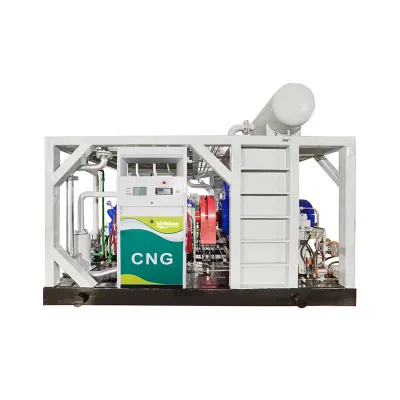


Time Fill CNG Fueling Stations LNG Pump LNG Lcng Gas Filling Station
$100000.00 - $200000.00
MOQ: 1 Sets


Fast Fill CNG Fueling Stations LNG Pump LNG Lcng Gas Filling Station
$100000.00 - $200000.00
MOQ: 1 Sets


Combined L-CNG and LNG Refueling Stations for CNG and LNG Filling System
$50000.00 - $200000.00
MOQ: 1 Sets

Stationary Combined LNG and L-CNG Filling System NGV Refueling Stations
$50000.00 - $200000.00
MOQ: 1 Sets




Comprehensive Sourcing Guide
Self-Dumping CNG Filling Station Sourcing Guide
Procuring a self-dumping CNG filling station requires careful evaluation of the specific operational environment, as these units are often designed for high-volume public stations or specialized transport hubs. The observed market data indicates that such equipment is frequently categorized under new energy applications, with specific models tailored for bus stations, ports, and wharves. Buyers must distinguish between standard stationary units and skid-mounted configurations that offer mobility, ensuring the selected system matches the intended site infrastructure and traffic flow requirements.
The term "self-dumping" in this context often refers to the automated handling of gas cylinders or the integration of storage tanks that facilitate rapid refueling cycles without manual intervention. While the provided facts highlight "CNG filling station" models with varying capacities, buyers should verify if the specific unit includes automated cylinder exchange mechanisms or if the terminology refers to the logistical handling of the storage vessels themselves. Understanding this distinction is critical for aligning the procurement with the actual workflow of the facility, whether it serves a fixed public station or a mobile refueling operation.
Product Scope and Observed Listing Signals
The current market listings reveal a diverse range of product attributes, including models specifically designated for public CNG filling stations with suction pressures ranging from 3.0 to 20.0 MPa. These units often feature an average flow rate between 1400 and 2000 Nm3/H, indicating their suitability for high-demand environments. Buyers should note that while some listings describe the product simply as a "fuel pump," the broader scope includes complete station solutions with skid-mounted designs, emphasizing the need to verify the exact system boundaries and included components before finalizing a purchase.
Observations of product packaging and origin suggest that these systems are typically shipped from China, with options ranging from standard cartons to full 40-foot containers for larger skid-mounted units. The variation in packing, from "Normal Package" to "Customized," implies that logistics planning must be integrated early in the sourcing process. Additionally, the presence of different model numbers like "HY" and "SMC-1500" signals that buyers must cross-reference specific technical datasheets to ensure the physical dimensions and weight of the unit align with the receiving site's capacity and handling equipment.
Technical Specifications to Verify
Technical due diligence must focus on the pressure and flow capabilities, as the observed data specifies suction pressures between 3.0 and 20.0 MPa and design pressures of 2.5/1.6 MPa for certain components. Buyers need to confirm that the selected model's working temperature range, which can extend from -196 to 40 degrees Celsius, is compatible with the local climate and the specific gas properties being handled. Verifying the cylinder arrangement, such as the balanced opposed arrangement, is also essential to ensure mechanical stability and efficient gas transfer during the refueling process.
The pump type and cooling system represent another critical verification point, with listings indicating options for immersed pumps, piston pumps, and air cooling systems. For a self-dumping or automated station, the integration of these pumps with the storage tanks and semi-trailers must be seamless to prevent bottlenecks. Buyers should explicitly request documentation on the flow rate standards, which range from 2000L/h to 10000L/h, to ensure the station can meet peak demand times without excessive wait times for vehicles or buses utilizing the facility.
Compliance and Safety Documentation
Safety compliance is paramount when sourcing CNG infrastructure, and buyers must verify that the equipment meets recognized international and local standards. The observed listings mention certifications such as ATEX, CE, and ISO9001, which are crucial for ensuring the equipment is safe for use in potentially explosive atmospheres and meets quality management requirements. However, buyers should not assume all listed products possess these certifications; instead, they must request valid, up-to-date certificates for the specific model number being purchased to avoid regulatory hurdles during installation.
In addition to general certifications, the design standards referenced, such as GB and CE, must be validated against the specific regulations of the destination country. The product standards often state "According to customer needs," which places the onus on the buyer to define the exact safety parameters required for their site. Documentation regarding the gas hose configuration, such as the number of hoses provided, and the operation mode, whether self-help or manual, must also be clearly defined in the contract to ensure the station operates safely and efficiently under the intended usage conditions.
Cost Drivers and Commercial Terms
The cost of a CNG filling station is heavily influenced by the customization level, as the observed data shows a wide price range from 1 to 200,000 USD depending on the specific configuration and capacity. Factors such as the inclusion of supporting equipment like LNG semi-trailers or storage tanks, and the choice between stationary and skid-mounted designs, will significantly impact the final invoice. Buyers should anticipate that higher flow rates and more complex automation features, such as self-help operation modes, will command a premium price compared to basic manual refueling units.
Commercial terms regarding delivery and payment are equally critical, with observed lead times extending up to 90 days for production and shipping. The minimum order quantity appears to be flexible, with some listings indicating a single item purchase, yet the logistics of shipping a large skid-mounted unit in a 40-foot container require careful coordination. Buyers must clarify whether the quoted price includes the "Normal Package" or "Customized" packing, as well as who bears the risk and cost of freight, to avoid unexpected expenses that could derail the project budget.
Supplier Qualification and Quality Control
Supplier qualification should prioritize manufacturers with a proven track record in the new energy sector, specifically those producing CNG and LNG filling stations. The observed data lists "Huiyang" as a brand name and indicates origins in Zhejiang and Henan, China, but buyers must independently verify the manufacturing capabilities and financial stability of the specific entity. It is essential to confirm that the supplier has the capacity to deliver the required customization, as the product standards often depend on specific customer needs rather than a fixed factory output.
Quality control measures must be explicitly defined in the procurement agreement, including pre-shipment inspections and factory audits. Since the product condition is listed as "New," buyers should request detailed inspection reports covering the machine size, cylinder position, and structural integrity before the unit leaves the factory. Establishing a clear protocol for testing the suction pressure, flow rate, and cooling system performance is necessary to ensure the delivered equipment matches the technical specifications and will operate reliably in the field.
Long-Term Procurement Checks
Long-term procurement success depends on establishing a robust after-sales support framework, including maintenance schedules and spare parts availability. Buyers should verify the supplier's commitment to providing technical support for the specific pump types and cooling systems installed, as these components are subject to wear and tear over time. The "Customization" attribute suggests that future modifications may be required, so the supplier must demonstrate the ability to adapt the system or provide compatible upgrades as operational needs evolve.
Finally, buyers must plan for the lifecycle management of the station, considering the 90-day delivery times and the potential for future expansion. Regular performance reviews should be scheduled to monitor the average flow rates and suction pressures against the original design parameters. Ensuring that the supplier remains a viable partner for future orders or service contracts is vital, as the specialized nature of CNG infrastructure means that compatibility and continuity of support are key to maintaining operational efficiency over the long term.
FAQs
What is the suction pressure range for this CNG filling station?
The suction pressure range is 3.0 to 20.0 MPa. This specification ensures efficient gas intake for public CNG filling stations. The system is designed to handle varying inlet pressures while maintaining stable operation. This range supports reliable performance in high-demand environments without compromising safety or efficiency during the compression process.
Can the machine be customized for specific customer needs?
Yes, customization is available according to customer needs. The product allows for tailored specifications to meet unique operational requirements. This flexibility ensures that the equipment integrates seamlessly into existing infrastructure. Buyers can request specific adjustments to ensure the machine aligns perfectly with their station's design and functional goals.
What certifications does the CNG filling station hold?
The station holds ATEX, CE, and ISO9001 certifications. These credentials verify compliance with international safety and quality standards. The CE mark ensures adherence to European health, safety, and environmental protection standards. ISO9001 confirms a robust quality management system, providing buyers with confidence in the product's reliability and manufacturing consistency.
How long is the delivery time for this equipment?
The delivery time is typically 90 days. This lead time accounts for manufacturing, quality control, and logistics preparation. Buyers should plan their procurement schedule accordingly to ensure timely installation. The timeframe may vary slightly based on customization requests or specific packaging requirements agreed upon during the ordering process.
What is the average flow rate of the fuel pump?
The average flow rate is 1400 to 2000 Nm3/H. This capacity supports high-volume operations at public CNG filling stations. The efficient flow rate ensures quick refueling times for vehicles. This performance metric is critical for maintaining station throughput and meeting the demands of busy transit hubs or commercial fleets.
Where is the place of origin for this product?
The place of origin is Zhejiang, China. This region is known for its advanced manufacturing capabilities in industrial equipment. The product is also associated with Henan, China, indicating diverse sourcing options. Buyers can expect robust engineering and competitive pricing from these established industrial hubs in China.