Source Self Expanding Sand-less Sandbag for Flood Control, Road Safety, and Emergency Barriers
Explore 30 listings for the self expanding sand-less sandbag designed for flood control, road safety, and emergency barriers. Buyers can compare specifications like expansion time, material composition, and capacity to find the right solution for water management needs.
Key considerations
Products List




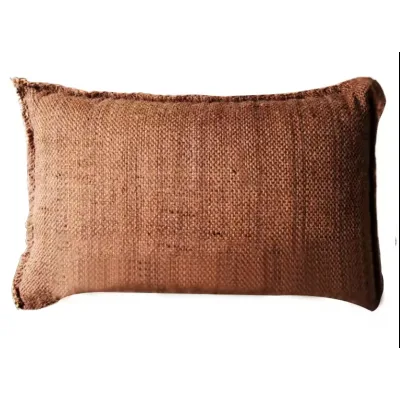


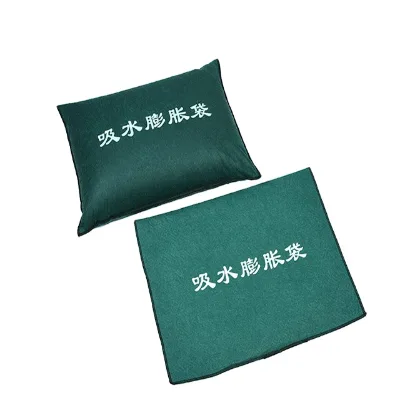


Comprehensive Sourcing Guide
Strategic Sourcing Guide for Self-Expanding Sand-Less Sandbags
The global demand for rapid flood mitigation solutions has elevated the profile of self-expanding sand-less sandbags as a critical asset for emergency management and infrastructure protection. Unlike traditional burlap or woven polypropylene sacks that require manual filling with sand or soil, these innovative products utilize superabsorbent polymer (SAP) technology to expand upon contact with water. This mechanism significantly reduces labor costs, accelerates deployment times, and minimizes the logistical burden of transporting heavy fill materials. For procurement professionals, sourcing these items requires a nuanced understanding of material composition, expansion dynamics, and the specific performance metrics that distinguish high-quality units from inferior alternatives. The following guide details the essential technical and commercial factors necessary for a successful procurement strategy.
Technical Specifications and Material Composition
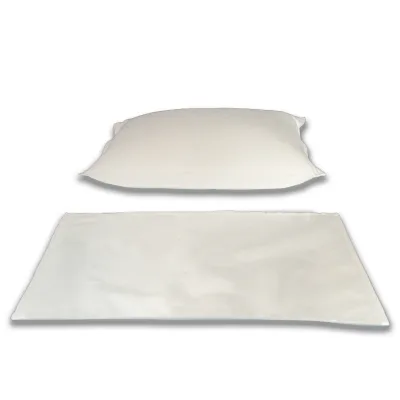
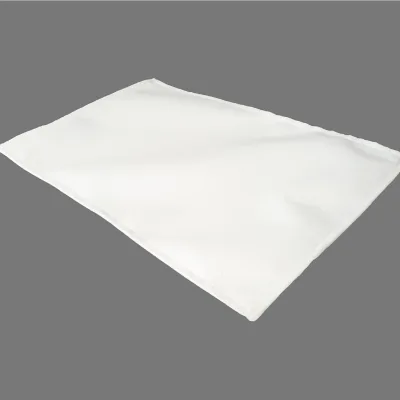
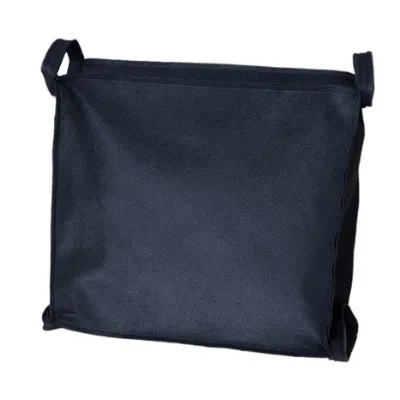
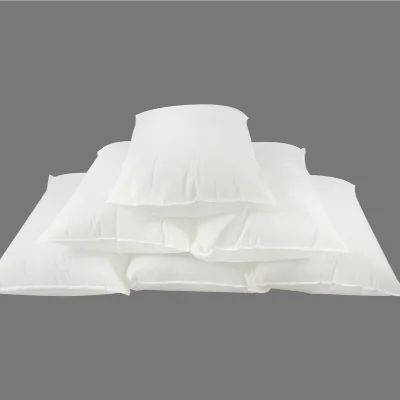
The core functionality of a self-expanding sand-less sandbag relies on the interaction between the outer shell and the internal absorbent core. The outer material is typically a non-woven fabric or a woven polypropylene (PP) structure designed to be permeable to water while retaining the expanded polymer mass. In the observed market data, specific configurations utilize a composite of bag material, non-woven fabric, and superabsorbent polymer (SAP). The integrity of this shell is paramount; it must withstand the pressure of expansion without tearing while allowing water to penetrate the core efficiently.
The internal SAP component is the engine of the product. High-performance units contain a significant mass of SAP, with observed specifications indicating a sap weight of more than 150 grams per unit. This quantity directly correlates to the final weight and volume of the filled barrier. A typical total weight for a fully expanded unit is observed around 250 grams, though some industrial-grade variants may reach capacities of 20 to 100 kilograms depending on the design and intended barrier height. The expansion process is rapid, with documented expansion times ranging from 3 to 5 minutes. This speed is a critical differentiator, allowing teams to erect flood barriers in minutes rather than hours.
Dimensions and packaging also play a vital role in logistics. Standardized models often adhere to specific size constraints, such as 60x40x20 cm when expanded, though custom sizes are frequently available to meet specific project requirements. The dry, pre-packed units are typically shipped in cartons or PE woven bags, with single package sizes varying between 35x25x25 cm and 50x30x30 cm. Buyers must verify the single gross weight, which can range from 3.0 kg to 5.0 kg per package, to ensure accurate freight cost calculations and storage planning.
Performance Metrics and Expansion Dynamics
Understanding the expansion dynamics is essential for validating product claims. The primary metric is the time required for the bag to reach its maximum volume upon water contact. While some products claim an expansion time of 3 to 5 minutes, buyers should verify this under the specific water conditions of their deployment site, as temperature and water salinity can influence absorption rates. The final weight of the expanded bag is another critical performance indicator. A unit containing more than 150 grams of SAP should result in a total weight of approximately 250 grams in its dry state, but the final weight after expansion depends on the water absorption ratio of the specific polymer used.
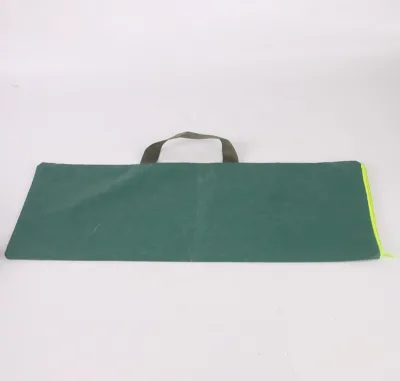
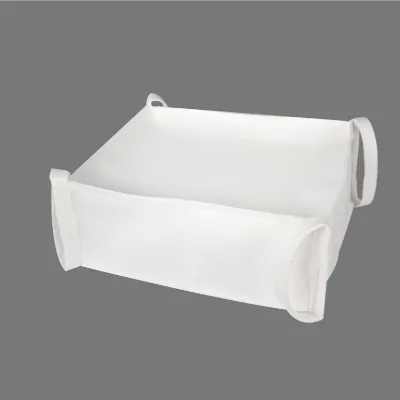
Durability is another key performance attribute. The product must remain intact under hydrostatic pressure and resist degradation from UV exposure if stored outdoors. Features such as "wear-resistant," "oxidation resistance," and "corrosion resistance" are often cited in product descriptions, particularly for woven PP variants. However, these are general observations rather than guaranteed specifications for every unit. Buyers should request specific tensile strength data and elongation at break values to ensure the material will not fail during the critical moments of a flood event. The presence of handles, as noted in some product listings, enhances usability by facilitating easier lifting and placement of the heavy, expanded bags.
Compliance, Certification, and Quality Verification
In the realm of emergency response equipment, compliance and quality assurance are non-negotiable. While specific certification statuses vary by manufacturer, buyers should look for adherence to recognized quality management systems. Some suppliers in the industry operate under ISO 9001:2000 standards, which indicates a commitment to consistent manufacturing processes. However, the absence of a specific certification in a product listing does not necessarily imply non-compliance; it may simply mean the data was not explicitly listed.
Buyers must verify the origin of the product to ensure supply chain transparency. The majority of these products originate from manufacturing hubs in China, specifically regions like Shandong and Jiangsu provinces. Verifying the "Place of Origin" is crucial for assessing shipping logistics and potential tariffs. Furthermore, the "Standard" designation for these products often refers to dimensional specifications, such as a width of 2-6 meters for geotube variants, or specific model numbers like FN001 or BS geotubes.
When evaluating compliance, buyers should request test reports that validate the expansion time and weight retention capabilities. Since the product functions as a water barrier, it is essential to confirm that the material does not leach harmful substances into the surrounding water, particularly if the floodwaters are intended for drinking or irrigation. The "Standard" of "high" mentioned in some listings is a qualitative claim that requires quantitative backing through third-party testing.
Cost Drivers and Pricing Structures
The pricing of self-expanding sand-less sandbags is influenced by several variables, including material quality, SAP content, and order volume. The observed price range in the market spans from $0.12 to $35.00 USD per unit. This wide disparity suggests a significant difference in product tiers, ranging from basic, lightweight emergency kits to heavy-duty, industrial-grade flood control barriers. The lower end of the spectrum likely corresponds to units with minimal SAP content or smaller dimensions, while the higher end reflects larger, more durable units with higher weight capacities.
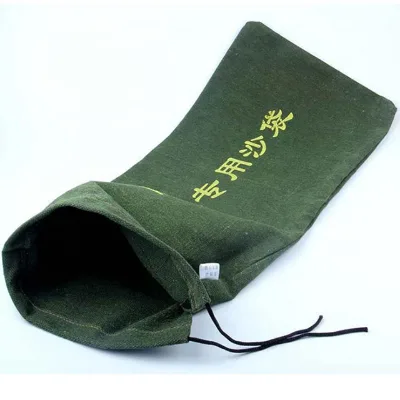
Minimum Order Quantity (MOQ) is a primary cost driver. The observed MOQ range is substantial, varying from 20 units to 10,000 units. For small municipalities or local emergency response teams, an MOQ of 20 units may be manageable, whereas large-scale infrastructure projects or national stockpiles will require negotiating volumes closer to the 10,000-unit threshold to achieve economies of scale. Customization is a significant factor in pricing; while standard models are readily available, custom sizes, colors (such as black, white, red, yellow, or army green), and branding can increase the unit cost and extend lead times.
Typical Applications and Deployment Scenarios
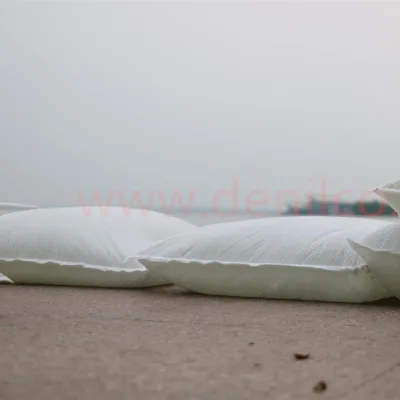
The versatility of self-expanding sand-less sandbags makes them suitable for a wide array of applications beyond simple flood control. Their primary function is to create a water barrier, effectively stopping or diverting floodwaters in residential, commercial, and industrial zones. The lightweight nature of the dry units allows for rapid deployment in areas with limited access, such as narrow alleyways or areas with poor road infrastructure where heavy machinery cannot operate.
Beyond flood control, these products are utilized in emergency saving scenarios, including dam reinforcement, levee repair, and erosion control. The ability to expand quickly makes them ideal for sudden flash floods where time is of the essence. Some variants are also designed for water filtration applications, utilizing the porous nature of the non-woven fabric to filter sediments while retaining the polymer core. The "Durable Flood Control Sandbag" designation highlights their suitability for repeated use or long-term deployment in harsh environments.
Supplier Evaluation and Quality Control Protocols
Selecting the right supplier requires a rigorous evaluation process that goes beyond price comparison. Buyers should prioritize suppliers who offer customization options, as this indicates flexibility and a willingness to tailor products to specific project needs. The availability of handles, specific color options, and custom packaging are indicators of a mature manufacturing capability.
Quality control protocols must be established before finalizing any order. Buyers should request samples to verify the expansion time, total weight, and material durability. It is essential to test the product under conditions that mimic the actual deployment environment, including water temperature and flow rates. The "Shelf Life" of the product is another critical factor; observed data suggests a shelf life of up to 6 years, but this should be confirmed with the supplier to ensure the SAP has not degraded during storage.
When evaluating suppliers, consider their production capacity and lead times. While specific lead times are not provided in the source data, the MOQ ranges suggest that suppliers have varying production scales. A supplier capable of fulfilling an order of 10,000 units with a consistent quality standard is preferable to one with a lower capacity but a lower price point. The "Export Standard Packing" mentioned in some listings is a positive indicator of a supplier's experience with international logistics and their ability to protect goods during transit.
Long-Term Procurement Considerations
For organizations planning to maintain a stockpile of flood control equipment, long-term procurement considerations are vital. The 6-year shelf life of these sandbags allows for strategic stockpiling, reducing the need for frequent replenishment. However, storage conditions must be controlled to prevent premature degradation of the SAP or the outer fabric. Packaging should be robust, typically in cartons or PE woven bags, to protect against moisture and physical damage during storage.
Buyers should also consider the environmental impact of the product. While the non-woven and PP materials are durable, the disposal of expanded sandbags after a flood event requires a plan. Some materials may be recyclable, while others may require specific disposal methods. Understanding the lifecycle of the product is essential for sustainable procurement practices.
Finally, the market for self-expanding sand-less sandbags is dynamic, with new models and technologies emerging regularly. Buyers should stay informed about advancements in SAP technology and fabric engineering to ensure they are sourcing the most effective solutions available. By focusing on technical specifications, verifying quality through testing, and maintaining strong relationships with reliable suppliers, procurement professionals can secure a resilient supply chain for flood control and emergency response operations.
| Feature | Observation from Market Data | Procurement Verification Requirement |
|---|---|---|
| Expansion Time | 3-5 minutes | Verify under site-specific water temperature conditions. |
| SAP Weight | >150 grams | Confirm weight via sample testing and batch certificates. |
| Total Weight | ~250 grams (dry) | Validate final expanded weight and volume capacity. |
| Shelf Life | 6 Years | Check storage conditions and packaging integrity. |
| Material | Bag + Non Woven + SAP | Request material composition sheets and tensile data. |
| MOQ | 20 - 10,000 units | Negotiate based on project scale and budget constraints. |
| Origin | China (Shandong, Jiangsu) | Verify factory audits and export compliance. |
| Packaging | Carton, PE Woven Bag | Ensure packaging meets export standards for shipping. |
In conclusion, sourcing self-expanding sand-less sandbags requires a balanced approach that prioritizes technical performance, quality assurance, and logistical feasibility. By adhering to the verification protocols outlined above, buyers can ensure they acquire products that meet the rigorous demands of flood control and emergency response scenarios.
FAQs
How long does the self expanding sand-less sandbag take to expand?
The bag expands in 3 to 5 minutes upon contact with water. This rapid deployment time allows for quick flood barrier setup without manual filling labor.
What is the total weight of the expanded sandbag?
A typical unit has a total weight of 250 grams after expansion. Some industrial variants may reach capacities of 20 to 100 kilograms depending on the design.
Which materials are used to construct the sandbag?
The product is made from a composite of bag material, non-woven fabric, and superabsorbent polymer. Some variants also utilize PP woven fabric for enhanced durability.
Can the sandbag be customized for specific project needs?
Yes, customization is available for sizes, colors, and branding. Buyers can request specific dimensions or packaging to match their unique emergency response requirements.
What is the shelf life of the dry sandbag units?
The dry units have a shelf life of up to 6 years when stored properly. This allows for long-term stockpiling without significant degradation of the absorbent material.
How much superabsorbent polymer is contained in each bag?
Each unit contains more than 150 grams of superabsorbent polymer. This specific mass ensures the bag reaches its intended weight and volume upon water absorption.
What is the minimum order quantity for these sandbags?
The minimum order quantity ranges from 20 to 10,000 units depending on the supplier. Buyers should verify specific MOQs as they vary by manufacturer and product tier.