Source Self-sealing Moisture Proof Packaging Bags for Food, Chemical, Apparel
Find 30 options for self-sealing moisture proof packaging bags designed for food, chemical, and apparel applications. Buyers can compare customizable sizes, materials like PE, and features including recyclability and shock resistance from verified Chinese manufacturers.
Key considerations
Products List


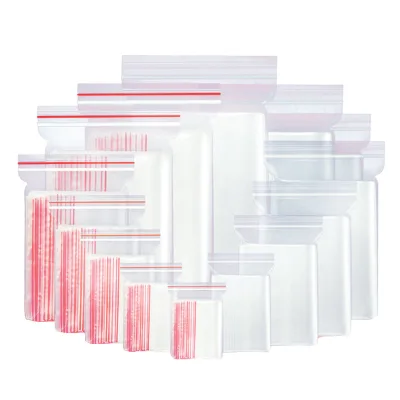


Comprehensive Sourcing Guide
Strategic Sourcing Guide for Self-Sealing Moisture Proof Packaging Bags
Understanding Technical Specifications and Material Composition
When sourcing self-sealing moisture proof packaging bags, buyers must first establish a clear understanding of the underlying material composition and structural design. The market offers a diverse range of options, primarily centered around polyethylene variants. High-pressure polyethylene and low-pressure polyethylene are the two dominant raw materials observed in current listings. High-pressure polyethylene bags often provide a softer, more flexible texture, while low-pressure variants typically offer greater tensile strength and rigidity. The material classification extends to laminated materials, which are frequently utilized to enhance barrier properties against moisture and other environmental factors.
The defining characteristic of the core keyword is the self-sealing mechanism. This feature is critical for operational efficiency, allowing for rapid closure without the need for external tape or heat sealing equipment. The sealing method is generally achieved through pressure-sensitive adhesives or interlocking plastic strips integrated into the bag design. In terms of shape, these products are frequently categorized as upright bags or special bags, designed to stand independently on shelves or in storage areas. Transparency is another key specification, with many models offering clear visibility of the contents, which is essential for inventory management and consumer appeal in food and apparel sectors.
Performance attributes are equally vital. The primary requirement is moisture proofing, which protects contents from humidity and liquid ingress. Additional features often include antistatic properties to prevent dust attraction and static discharge, shock resistance to protect fragile items during transit, and recyclability to meet modern sustainability mandates. Some advanced variants also claim bio-degradability, though this requires specific verification of the material blend. The making process often involves composite packaging techniques, layering different materials to achieve a balance of strength, flexibility, and barrier performance.
Compliance, Certification, and Standard Verification
Navigating the compliance landscape for packaging materials requires rigorous verification, as standards vary significantly by region and end-use application. While specific certification documents are not universally listed for every product, buyers must verify that the materials meet relevant safety standards for food contact if the bags are intended for food applications. The observed product standards indicate a high degree of customization, with many suppliers offering "customized" standard compliance rather than adhering to a single global norm.
Buyers should explicitly request documentation regarding the chemical composition of the polyethylene used. For food applications, compliance with local food safety regulations is non-negotiable. The presence of "bio-degradable" claims necessitates a request for third-party testing reports that validate the degradation timeline and conditions. Similarly, claims of "recyclable" status should be backed by clear instructions on how the specific bag type can be processed in local recycling streams, as not all laminated materials are easily recyclable.
The origin of the product plays a significant role in compliance. Many listings indicate origins in China, including specific regions like Gungdong and Shenzhen. While these are major manufacturing hubs, buyers must ensure that the specific factory holds necessary export certifications. The "customized" nature of the product standard means that the buyer often defines the compliance parameters through the purchase order. Therefore, the procurement contract must explicitly state the required standards for moisture resistance, tensile strength, and chemical safety.
Cost Drivers and Pricing Structure Analysis
The pricing for self-sealing moisture proof packaging bags is highly variable, influenced by a complex interplay of material costs, customization levels, and order volume. The observed price range in the market spans from $0.01 to $4,200, reflecting the difference between single-unit samples and bulk industrial orders. This wide disparity underscores the importance of defining the exact scope of the procurement before requesting quotes.
Material selection is a primary cost driver. Laminated materials and composite packaging bags generally command higher prices than single-layer polyethylene bags due to the additional processing steps required to achieve superior barrier properties. The choice between high-pressure and low-pressure polyethylene also affects the unit cost, with low-pressure variants often being more expensive due to their enhanced durability. Customization is another significant factor; bags requiring custom logos, custom colors, or specific printing designs will incur higher setup and per-unit costs compared to standard stock items.
Order volume is the most critical determinant of the final price. The Minimum Order Quantity (MOQ) ranges from 1 unit to 100,000 units. Buyers purchasing small quantities will face a significantly higher per-unit cost, whereas large-volume orders can leverage economies of scale to reduce the price substantially. The packaging method, such as standard cartons, also influences logistics costs. For industrial applications, the MOQ may be specified in tons (e.g., 1 ton), which shifts the pricing model from per-piece to per-weight. Buyers must balance the need for customization against the volume required to achieve a competitive price point.
Typical Applications and Industry Use Cases
The versatility of self-sealing moisture proof packaging bags makes them suitable for a wide array of industries. The primary application sectors identified include food, chemical, apparel, household goods, and promotional items. In the food industry, these bags are essential for protecting dry goods, snacks, and ingredients from moisture, which can lead to spoilage or texture degradation. The moisture-proof and waterproof performance ensures product integrity during storage and transport.
For the chemical industry, the bags must offer resistance to corrosive substances. Features such as corrosion resistance, wear resistance, and heat resistance are critical for packaging chemical powders or granules. The antistatic properties are particularly valuable in environments where static electricity could pose a safety hazard or damage sensitive electronic components often found in the apparel and electronics sectors. The shock resistance feature protects fragile items, making these bags ideal for shipping delicate goods.
Household and promotional applications often prioritize aesthetics and convenience. The ability to accept custom logos and printing allows companies to brand their packaging effectively. The transparent nature of many bags allows consumers to see the product, which is a key selling point for retail items. Additionally, the bio-degradable and recyclable features align with the growing consumer demand for sustainable packaging solutions in the household sector. The "special bag" shape and upright variety are particularly useful for retail display, where the bag needs to stand securely on a shelf.
Supplier Evaluation and Selection Criteria
Selecting the right supplier requires a thorough evaluation of their capabilities, particularly regarding customization and quality consistency. Since the market is characterized by a high degree of customization, buyers should prioritize suppliers who demonstrate flexibility in handling unique requirements. The ability to accept custom sizes, colors, and logos is a baseline expectation, but the quality of execution is what differentiates top-tier suppliers.
Buyers should verify the supplier's production process capabilities. The "composite packaging bag" and "plastic packaging bags" making processes require specialized machinery and expertise. A supplier with a robust manufacturing infrastructure is more likely to deliver consistent quality. The origin of the supplier, such as Gungdong or Shenzhen, indicates access to a mature supply chain, but buyers must still conduct due diligence on the specific factory's track record.
The "Custom Order: Accept" attribute suggests that many suppliers are open to bespoke projects. However, buyers must assess the supplier's ability to manage complex orders involving multiple customizations. Requesting samples is a crucial step in this evaluation process. Samples should be tested for the claimed features, such as moisture proofing, self-sealing strength, and transparency. The supplier's responsiveness to inquiries and their willingness to provide detailed technical data sheets are also indicators of their professionalism and reliability.
Quality Control and Performance Verification
Implementing a robust quality control (QC) protocol is essential to ensure that the received packaging bags meet the specified performance criteria. The observed features, such as moisture proofing, antistatic properties, and shock resistance, must be verified through testing. Buyers should establish clear acceptance criteria for these attributes before production begins. For moisture proofing, this may involve testing the bag's ability to prevent water ingress under specific pressure conditions.
The self-sealing mechanism requires particular attention. The seal must be strong enough to maintain integrity during handling and shipping but easy enough to open when necessary. Buyers should test the seal strength and the ease of resealing to ensure it meets operational needs. Transparency and color accuracy are also QC checkpoints, especially for branded products where visual consistency is paramount.
For bags claiming bio-degradability or recyclability, buyers should request independent test reports. These claims cannot be taken at face value and must be supported by data from recognized testing laboratories. The loading capacity, which ranges from 3-10kgs for some models, should be verified to ensure the bag can handle the intended weight without tearing or leaking. The "Standard Carton" packing method should also be inspected to ensure that the bags are protected during transit and arrive in perfect condition.
Long-Term Procurement Considerations and Sustainability
Sourcing self-sealing moisture proof packaging bags is not just a transactional activity but a strategic decision that impacts long-term operational efficiency and brand reputation. Sustainability is a growing priority, and the availability of bio-degradable and recyclable options allows buyers to align their procurement with corporate social responsibility goals. However, the trade-off between performance and sustainability must be carefully managed. Bio-degradable materials may have different barrier properties compared to traditional plastics, and buyers must ensure that the chosen material does not compromise product protection.
Scalability is another long-term consideration. As the business grows, the procurement volume will likely increase. Buyers should establish relationships with suppliers who can scale production to meet growing demand without compromising quality or lead times. The ability to customize orders allows for flexibility in adapting to market changes, such as new product launches or seasonal promotions.
Cost stability is also a key factor. The raw material market for polyethylene can be volatile. Buyers should consider contracts that lock in prices or include clauses for price adjustments based on material costs. Finally, the environmental impact of the packaging should be evaluated throughout its lifecycle, from production to disposal. Choosing suppliers who prioritize sustainable manufacturing practices can further enhance the buyer's sustainability profile. By focusing on these long-term factors, buyers can build a resilient and efficient supply chain for their packaging needs.
FAQs
What materials are used for self-sealing moisture proof packaging bags?
These bags are primarily made from high-pressure or low-pressure polyethylene plastic. Some variants use laminated materials to enhance barrier properties, ensuring moisture proof performance for food and chemical applications.
Can I get custom sizes and logos for these packaging bags?
Yes, custom sizes and logos are accepted for these products. Suppliers offer customized printing, colors, and shapes like upright or special bags to meet specific branding and storage requirements for various industries.
How do I verify the moisture proof and bio-degradable features?
Buyers should request third-party test reports to verify bio-degradability and moisture proof claims. While many products list these features, independent validation ensures the specific material blend meets the required degradation timeline and barrier standards.
What is the typical minimum order quantity for these bags?
The minimum order quantity ranges from one unit to 100,000 units depending on the supplier. Some industrial orders may specify a minimum of one ton, while smaller samples can be purchased as single units.
Which applications are suitable for self-sealing moisture proof bags?
These bags are suitable for food, chemical, apparel, household, and promotional applications. Their features include shock resistance, antistatic properties, and corrosion resistance, making them versatile for protecting diverse product types during storage and transit.
Where are these packaging bags typically manufactured?
Most products originate from China, specifically from regions like Guangdong and Shenzhen. These locations are major manufacturing hubs offering a mature supply chain for plastic packaging bags and composite packaging solutions.
What sealing method is used for these moisture proof bags?
The bags utilize a self-sealing method, often involving pressure-sensitive adhesives or interlocking strips. This design allows for rapid closure without external tape or heat sealing equipment, ensuring operational efficiency for users.