Source self-sealing moisture proof poly mailer for apparel, cosmetics, and electronics
Compare 30 listings for self-sealing moisture proof poly mailer options featuring customizable sizes, thicknesses, and eco-friendly materials. Buyers can evaluate specifications for apparel, cosmetics, and electronics packaging needs.
Key considerations
Products List
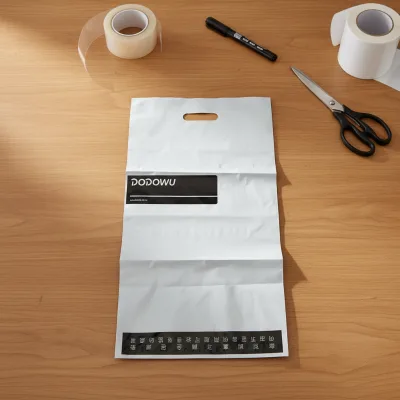
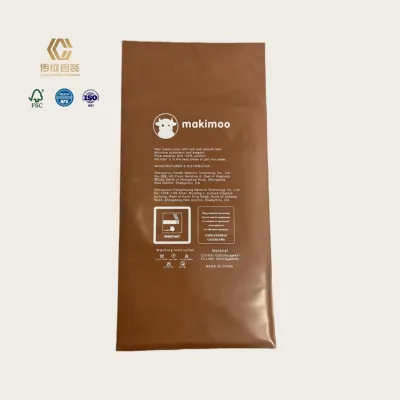
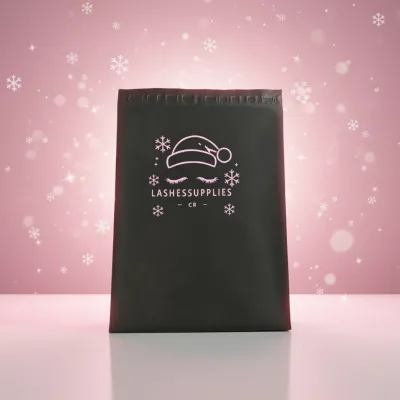
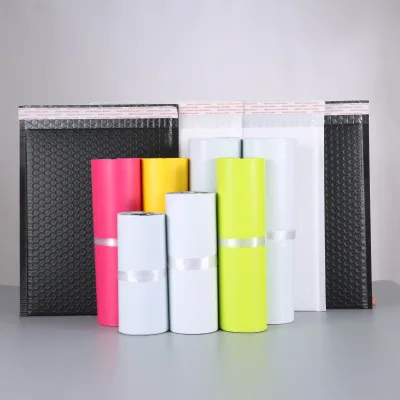

Time-Limited Shipping Large Mailing Envelope with Logo Self-Adhesive Poly Mailer
$0.01 - $0.03
MOQ: 1000 Pieces


Good Price Poly Mailer Bag Self Sealing Shipping Courier Envelope Logistic
$0.01 - $0.03
MOQ: 1000 Pieces

Handle Shipping Courier Bags Self Sealing Poly Mailers with Handle for Package
$0.01 - $0.03
MOQ: 1000 Pieces


Polymailer Postal Courier Poly Mailer PE Mailing Express Packaging Bag
$0.05 - $0.15
MOQ: 10000 Pieces


Sealable Waterproof Poly Mailer Plastic Shipping Envelopes Mailing Bag
$0.05 - $0.15
MOQ: 10000 Pieces

Self Adhesive Poly Mailer Large Shipping Bags for Clothing Thick Mailing Bag
$0.05 - $0.15
MOQ: 10000 Pieces


Comprehensive Sourcing Guide
Strategic Sourcing Guide for Self-Sealing Moisture Proof Poly Mailers
Understanding the Core Product Specifications
The self-sealing moisture proof poly mailer represents a critical component in modern logistics, particularly for e-commerce and direct-to-consumer shipping channels. These packaging solutions are engineered to provide a robust barrier against environmental elements while maintaining ease of use for fulfillment operations. The primary material composition typically involves various plastic polymers, including Polyethylene (PE), Low-Density Polyethylene (LDPE), High-Density Polyethylene (HDPE), and increasingly, bio-based alternatives like PLA or PBAT. The structural integrity of these mailers is defined by their thickness, which is a primary determinant of their durability and tear resistance.
Buyers must evaluate the thickness specifications carefully, as they directly correlate with the protection level offered to the contents. Market observations indicate that standard thicknesses range from 60 microns up to 200 microns, with specific common variants including 2.3 mil, 2.5 mil, and 3.5 mil. Some suppliers offer custom thickness options to meet specific weight and volume requirements. The sealing mechanism is a defining feature; the self-sealing strip must provide high adhesion to ensure the package remains closed during transit without the need for external tape. This feature is often complemented by moisture-proof and waterproof performance, ensuring that contents such as cosmetics, apparel, or electronics remain dry even in humid conditions.
The physical dimensions of the mailer are equally vital for operational efficiency. Standard sizes often include configurations such as 17x30 cm, 20x30 cm, 25x35 cm, and larger formats up to 50x70 cm. However, the ability to customize dimensions is a significant advantage for buyers with unique product profiles. Customization extends beyond size to include color options, which can range from standard white, black, and blue to custom brand colors like gold, plum, or mixed color schemes. The single package size for shipping these mailers to the buyer is typically compact, often around 40x30x0.03 cm, which helps minimize inbound logistics costs.
Technical Performance and Material Integrity
The technical performance of a poly mailer is not merely about holding items; it is about the reliability of the seal and the material's resistance to stress. The self-sealing strip must exhibit strong adhesion properties that are consistent across the entire length of the bag. In high-volume environments, a weak seal can lead to package failure, resulting in lost inventory and damaged brand reputation. The material must also be tear-proof, a characteristic often highlighted in product descriptions as a key feature. This tear resistance is achieved through the specific formulation of the plastic type used, whether it be standard PE or a reinforced blend.
Waterproof performance is a non-negotiable attribute for many applications. The material must prevent water ingress effectively, protecting items from rain, humidity, or accidental spills during transit. This is particularly crucial for industries such as personal care, where products like facial cleansers, sunscreens, and toothpaste are sensitive to moisture. The material should also be lightweight to avoid inflating shipping costs, yet durable enough to withstand the rigors of courier handling. Some advanced variants include features like "explosion-proof edges," which reinforce the sealed area to prevent bursting under pressure.
Transparency is another technical consideration. While many poly mailers are designed to be non-transparent to ensure privacy and security, some applications may require specific levels of visibility. The standard product profile often lists transparency as non-transparent, but buyers should verify if specific clear or semi-clear options are available if needed. The tolerance levels for manufacturing, often cited around ±0.005, indicate the precision required in the production process to ensure consistency across large batches.
Compliance, Certification, and Environmental Standards
When sourcing poly mailers, verifying compliance with relevant standards and certifications is essential for risk management and market access. While specific test data varies by supplier, buyers should look for evidence of adherence to recognized quality management systems. Certifications such as ISO9001 indicate that the manufacturer has a documented quality management system in place, ensuring consistent product quality. Environmental certifications like RoHS (Restriction of Hazardous Substances) are critical for buyers targeting markets with strict regulations on hazardous materials, ensuring the packaging does not contain restricted substances.
The environmental impact of packaging is a growing concern in the B2B sector. Many suppliers now offer eco-friendly and recyclable options. The material composition plays a significant role here; options such as PLA (Polylactic Acid) and PBAT (Polybutylene Adipate Terephthalate) are biodegradable alternatives to traditional petroleum-based plastics. Buyers should explicitly request documentation regarding the recyclability and biodegradability claims of the products they intend to purchase. It is important to note that while "Eco-friendly" is a common attribute listed, the specific environmental standards met (such as ASTM D1709 for plastic film) should be verified with the supplier rather than assumed.
Furthermore, the industrial use of these mailers often dictates specific compliance needs. For instance, packaging used for consumer electronics or personal care products may need to meet additional safety or hygiene standards. Buyers should ensure that the supplier can provide certificates of analysis or compliance for the specific batch of materials used. The absence of a specific standard in the general product description does not mean the product is non-compliant, but it does necessitate a direct inquiry to the supplier to confirm the exact standards applicable to their manufacturing process.
Cost Drivers and Procurement Economics
The cost of self-sealing moisture proof poly mailers is influenced by several dynamic factors, with material costs being the most significant. The price of raw polymers like PE, LDPE, and HDPE fluctuates based on global market conditions, directly impacting the unit price of the final product. Thickness is another major cost driver; mailers with higher micron counts or mil thicknesses require more raw material and thus command a higher price. For example, a 2.5 mil mailer will cost more than a 60-micron variant due to the increased material volume.
Customization also plays a pivotal role in pricing. Standard sizes and colors are generally more economical due to economies of scale in production. However, custom colors, custom sizes, and specialized printing techniques such as offset printing, embossing, or heat transfer printing add to the cost. The complexity of the printing process and the number of colors used can significantly increase the unit price. Additionally, the Minimum Order Quantity (MOQ) is a critical economic factor. Typical MOQs for these products range from 1,000 to 10,000 pieces. Ordering closer to the MOQ threshold often results in a lower per-unit cost, while smaller orders may incur higher premiums.
Lead times and logistics costs are also part of the total cost of ownership. Products originating from manufacturing hubs like Zhejiang or Shandong in China may have different shipping costs and lead times compared to local suppliers. The single gross weight of the product, often around 0.050 kg per unit, affects shipping calculations, especially for large volume orders. Buyers should consider the total landed cost, including freight, duties, and handling fees, rather than focusing solely on the unit price. The selling unit is typically a single item, but bulk packaging in cartons is standard, which affects how the product is received and stored.
Typical Applications and Industrial Use Cases
Self-sealing moisture proof poly mailers are versatile and find application across a wide range of industries. The primary use case is in e-commerce packaging, where they serve as the outer layer for courier bags and express shipping. Their ability to protect contents from moisture and tearing makes them ideal for shipping clothing, shoes, and apparel. The "Industrial Use" category often explicitly lists Shoes & Clothing, Apparel, and Consumer Electronics, highlighting their dominance in these sectors.
Beyond general e-commerce, these mailers are extensively used in the personal care and beauty industry. Products such as loose powder, toothpaste, facial cleanser, sunscreen cream, and blush require packaging that is both protective and moisture-resistant. The self-sealing feature ensures that these products remain secure during transit, preventing leakage or damage. The waterproof performance is particularly valuable for cosmetics, which can be damaged by humidity or water exposure.
The packaging is also suitable for household items and general retail applications. The durability and tear-proof nature of the mailers make them a reliable choice for shipping a variety of goods. The ability to customize the size and color allows businesses to tailor the packaging to their specific brand identity and product requirements. For instance, a business shipping high-value electronics might opt for a thicker, more durable mailer with a custom logo, while a fashion retailer might choose a lighter, colorful option that aligns with their brand aesthetic.
Supplier Evaluation and Quality Control Protocols
Selecting the right supplier is paramount to ensuring the quality and reliability of the poly mailers. Buyers should evaluate potential suppliers based on their production capabilities, quality control processes, and ability to meet customization requirements. The presence of certifications like ISO9001, RoHS, and BV (Bureau Veritas) is a strong indicator of a supplier's commitment to quality and compliance. These certifications suggest that the supplier has undergone rigorous third-party audits and adheres to international standards.
Quality control should be a continuous process throughout the procurement cycle. Buyers should verify the supplier's ability to maintain consistent thickness, adhesion strength, and print quality. The tolerance levels for manufacturing, such as ±0.005, should be strictly adhered to. It is advisable to request samples before placing a large order to test the self-sealing strip's adhesion, the material's tear resistance, and the overall print quality. The supplier should be able to provide detailed specifications for the product, including the specific plastic type, thickness, and sealing method.
Communication is also a key factor in supplier evaluation. A reliable supplier should be responsive to inquiries and willing to provide detailed information about their production process, material sourcing, and quality assurance measures. The ability to offer custom solutions, such as specific colors, sizes, and printing methods, is a sign of a flexible and capable supplier. Buyers should also consider the supplier's location, as proximity can impact lead times and shipping costs. While many suppliers are located in China, specifically in regions like Zhejiang and Shandong, buyers should assess whether the location aligns with their logistical needs.
Long-Term Procurement and Sustainability Considerations
Sourcing self-sealing moisture proof poly mailers is not just a one-time transaction but a long-term partnership that requires strategic planning. Buyers should consider the scalability of the supplier's production capabilities to ensure they can meet increasing demand as their business grows. The ability to maintain consistent quality over time is crucial for maintaining brand reputation and customer satisfaction.
Sustainability is becoming an increasingly important factor in procurement decisions. Buyers should prioritize suppliers who offer eco-friendly and recyclable options. The availability of materials like PLA and PBAT allows businesses to reduce their environmental footprint and meet the growing consumer demand for sustainable packaging. However, buyers must verify the specific environmental claims and certifications to ensure they are genuine and compliant with relevant regulations.
Long-term procurement also involves managing the relationship with the supplier to ensure mutual benefit. Building a strong partnership can lead to better pricing, priority production, and access to new innovations. Buyers should maintain open communication with their suppliers to stay informed about market trends, material availability, and potential changes in regulations. By focusing on quality, compliance, and sustainability, buyers can secure a reliable supply chain for their self-sealing moisture proof poly mailers, ensuring their products are protected and their brand values are upheld.
Comparative Analysis of Key Product Attributes
To assist buyers in making informed decisions, the following table summarizes the key attributes of self-sealing moisture proof poly mailers based on observed market data. This comparison highlights the variability in specifications and helps buyers identify the features most relevant to their needs.
| Attribute | Standard Range / Common Options | Customization Availability | Key Considerations |
|---|---|---|---|
| Material Type | PE, LDPE, HDPE, PLA, PBAT | Yes | Verify recyclability and biodegradability claims. |
| Thickness | 60 microns to 200 microns (2.3-3.5 mil) | Yes | Higher thickness increases cost and durability. |
| Sealing Method | Self-sealing strip with high adhesion | Yes | Test adhesion strength on samples. |
| Waterproof | Waterproof / Moisture Proof | Yes | Essential for personal care and electronics. |
| Size | 17x30 cm to 50x70 cm | Yes | Custom sizes optimize shipping efficiency. |
| Color | Black, White, Blue, Pink, Custom | Yes | Custom colors enhance brand identity. |
| Printing | Offset, Silk Screen, Heat Transfer | Yes | Consider print complexity and cost. |
| MOQ | 1,000 to 10,000 pcs | Varies | Higher MOQs usually lower unit cost. |
| Certifications | ISO9001, RoHS, BV | Varies | Verify specific batch compliance. |
This comparative analysis underscores the importance of aligning product specifications with specific business requirements. By carefully evaluating these attributes, buyers can select the most suitable poly mailers for their operations, ensuring both cost-effectiveness and product protection.
FAQs
What materials are used for self-sealing moisture proof poly mailers?
These mailers are made from PE, PLA, TPU, LDPE, HDPE, or PBAT plastics. Buyers can select standard or biodegradable options depending on environmental needs and product compatibility requirements.
Can I customize the thickness and size of these poly mailers?
Yes, customization is available for thickness ranging from 60 microns to 200 microns and various sizes like 17x30cm or 40x55cm. Buyers must contact customer service to specify exact dimensions and thickness preferences.
What is the minimum order quantity for custom poly mailers?
The minimum order quantity is typically 1000 pieces for custom orders. Some suppliers may accept lower quantities for sample spot goods, but bulk pricing usually requires meeting the standard MOQ threshold.
How do these mailers ensure waterproof performance for shipping?
They feature self-sealing strips with high adhesion and non-transparent materials that block moisture. This design prevents water ingress during transit, protecting contents like cosmetics or electronics from humidity and rain.
Which printing methods are supported for custom logo printing?
Supported methods include offset printing, embossing, silk screen printing, and heat transfer printing. Buyers can choose from various colors like black, white, or custom shades to match their brand identity.
What certifications do manufacturers of these mailers typically hold?
Manufacturers often hold ISO9001, RoHS, and BV certifications to ensure quality and safety. These credentials verify adherence to international standards for hazardous substances and quality management systems.