Source Stand Up Support Sofa Armrests for Beds, Chairs, and Tables
Find Stand Up Support Sofa Armrests designed for sofas, tables, cabinets, beds, and chairs. Compare 30 options featuring steel and iron materials, adjustable sizes, and various finishes like white, golden, and silver to meet your manufacturing needs.
Key considerations
Products List
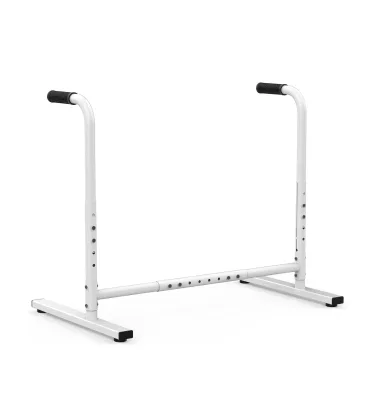


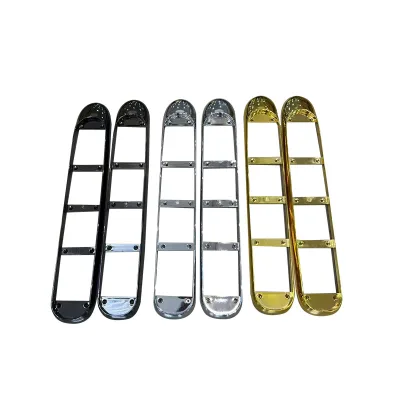


Comprehensive Sourcing Guide
Stand Up Support Sofa Armrests Sourcing Guide
Sourcing stand-up support sofa armrests requires a nuanced understanding of both furniture hardware and assistive technology components. These products serve a dual purpose: they provide structural reinforcement for heavy-use seating while offering ergonomic leverage points for users transitioning from sitting to standing. Buyers must distinguish between standard furniture-grade armrests and those engineered with specific load-bearing capacities and ergonomic contours. The market offers a variety of configurations, ranging from fixed metal frames to customizable units that integrate with existing sofa designs. Understanding the specific mechanical requirements of your target market is the first step in defining a precise procurement specification.
The procurement landscape for these components is diverse, with suppliers offering everything from basic iron brackets to complex steel assemblies with adjustable features. Observed listings indicate a wide range of materials, including steel, iron, and metal alloys, often finished with zinc plating or painted in colors like white, silver, or gold. Buyers should note that some products are marketed as "safety rails" or "stand assists," which may imply higher durability standards than standard furniture hardware. It is critical to verify whether the supplier provides complete assemblies or individual components, as this impacts shipping costs, assembly labor, and final product quality.
Product Scope and Observed Listing Signals
The observed product range includes items with varying dimensions, weights, and load capacities, reflecting different use cases. For instance, some listings specify a loading capacity of up to 136kg (300lbs), which is a crucial metric for ensuring the armrest can support an adult user’s weight during standing maneuvers. Other products are described with specific model numbers such as 07517-White or ZD-SH02, indicating a standardized production line. Buyers should pay close attention to the "Single package size" and "Gross Weight" data, as these directly influence logistics planning. A product weighing 5kg with dimensions of 48x16x55 cm presents different shipping challenges than a bulkier, heavier unit.
Customization is a significant factor in this category, with many suppliers offering options for size, color, and material adjustments. Some listings explicitly state that "Size and Color Can Be Customized," allowing buyers to align the hardware with specific sofa upholstery or design themes. However, customization often comes with higher Minimum Order Quantities (MOQs) and longer lead times. For example, while some standard items may have an MOQ of 30 pairs, customized orders might require 300 units or more. Buyers must balance the desire for bespoke aesthetics with the economic reality of production runs and inventory holding costs.
Technical Specifications to Verify
When evaluating technical specifications, the material composition and finish are paramount for durability and aesthetics. Common materials observed include steel and iron, often treated with zinc plating to prevent corrosion and enhance longevity. The finish not only affects the visual appeal but also the tactile experience for the user. Buyers should verify the exact thickness of the metal and the quality of the welding or joining processes, especially for products intended to bear significant weight. A "Fixed" adjustment type suggests a rigid structure, whereas "Adjustable" features may introduce moving parts that require additional maintenance and quality checks.
Dimensional accuracy and compatibility are equally critical. Specifications such as L25-32xW21.7xH27.2-31.7 inches indicate a range of sizes, which may correspond to different sofa depths or user heights. Buyers must ensure that the selected armrest dimensions align with their sofa frame designs. Additionally, features like "With Hole" suggest mounting points that need to be compatible with the sofa’s internal structure. The "Disassembly" attribute indicates whether the product can be taken apart for shipping, which can reduce volumetric weight and shipping costs. Verifying these details against your product design is essential to avoid fitment issues during assembly.
Compliance and Safety Documentation
Safety is a primary concern for stand-up support armrests, as they are directly involved in user mobility. Buyers should request comprehensive safety documentation, including test reports that verify load-bearing capacity and structural integrity. Some suppliers provide certificates such as CE, SGS-Test Reports, or ISO13485, which indicate adherence to specific quality and safety standards. While ISO13485 is typically associated with medical devices, its presence suggests a high level of quality management in the manufacturing process. Buyers should clarify whether these certifications apply to the hardware itself or the overall product system.
It is important to distinguish between furniture standards and medical or assistive device standards. While EN 1335 is a known standard for office furniture seating, it may not fully cover the safety requirements for assistive standing supports. Buyers should verify if the supplier conducts specific stress tests, such as static load tests or dynamic fatigue tests, to ensure the armrest can withstand repeated use. Requesting detailed test protocols and results from independent laboratories can provide greater assurance of product safety. This due diligence is particularly important if the product is marketed for use by elderly or mobility-impaired individuals.
Cost Drivers and Commercial Terms
The cost of stand-up support sofa armrests is influenced by several factors, including material costs, manufacturing complexity, and order volume. Observed price ranges vary significantly, from as low as $1.65 to $199, reflecting differences in quality, material, and customization. Higher prices often correlate with heavier gauge steel, more sophisticated finishes, or additional features like ergonomic contours. Buyers should analyze the cost per unit in the context of the total value proposition, considering durability and user satisfaction. Low-cost options may compromise on material thickness or finish quality, leading to higher warranty claims.
Commercial terms such as MOQ, payment terms, and delivery times also impact the total cost of ownership. Typical MOQs range from 30 to 300 units, with higher volumes often securing better pricing. Payment terms frequently involve a 30% deposit with the balance paid before shipment, which is standard in the industry. Delivery times can vary from 20-25 days to 35 days, depending on the complexity of the order and current production schedules. Buyers should factor in these lead times when planning inventory levels and order cycles to avoid stockouts or excess inventory.
Supplier Qualification and Quality Control
Supplier qualification is a critical step in ensuring a reliable supply chain. Buyers should verify the supplier’s location, with many manufacturers based in Guangdong, China, a hub for furniture hardware production. Proximity to manufacturing clusters can offer advantages in terms of supply chain efficiency and cost. However, buyers should also assess the supplier’s production capacity and quality control processes. Requesting factory audits or third-party inspections can provide insights into the manufacturing environment and adherence to quality standards.
Quality control measures should include incoming material inspections, in-process checks, and final product testing. Buyers should inquire about the supplier’s defect rate and their process for handling non-conforming products. A robust quality control system should include statistical process control and regular equipment calibration. Additionally, buyers should verify the supplier’s ability to maintain consistency across production batches, especially for customized orders. Establishing clear quality expectations and communication channels with the supplier is essential for long-term success.
Long-Term Procurement Checks
Long-term procurement success depends on continuous monitoring of supplier performance and market trends. Buyers should establish key performance indicators (KPIs) such as on-time delivery rate, product quality metrics, and responsiveness to issues. Regular performance reviews can help identify potential problems early and foster a collaborative relationship with the supplier. It is also important to stay informed about changes in material costs, labor regulations, and shipping rates, which can impact pricing and availability.
As the market for assistive furniture evolves, buyers should remain open to innovation and new product developments. Suppliers may introduce new materials, designs, or features that offer improved performance or cost savings. Engaging in regular dialogue with suppliers about future needs and market feedback can help drive product improvement and innovation. Additionally, buyers should consider diversifying their supplier base to mitigate risks associated with single-source dependencies. Building a resilient supply chain requires proactive management and a willingness to adapt to changing market conditions.
FAQs
What is the loading capacity of the stand assist rail?
The product supports a maximum load of 136 kilograms or 300 pounds. This capacity ensures stability for users requiring assistance when standing up from furniture like sofas or beds.
Can the stand assist rail be customized for specific needs?
Yes, customization is available for size and color options. Buyers can request specific dimensions or finishes to match their interior design requirements while maintaining the structural integrity of the steel frame.
What certifications does the safety rail hold for quality assurance?
The product holds CE, SGS test report, and ISO13485 certifications. These documents verify that the manufacturing process meets international safety and quality standards for medical and assistive devices.
How long is the delivery time for orders of this rail?
Standard delivery typically takes between 20 to 35 days depending on the specific order configuration. Buyers should account for this lead time when planning their procurement schedule for bulk purchases.
What is the minimum order quantity for purchasing these rails?
The minimum order quantity varies between 30 and 300 units based on the specific model selected. Some configurations require a minimum of 30 pairs while others may require up to 300 individual items.
Where are these stand assist rails manufactured and shipped from?
These products originate from factories located in Guangdong, China, specifically in Foshan. The shipping process begins from this region with packaging designed to protect the steel components during transit.