Source Semi-Closed Steel ASRS Shuttle Rack for Warehouse, Industrial, and Supermarket
Find 19 semi-closed steel ASRS shuttle rack options with adjustable mobility and custom dimensions. Compare specifications for warehouse, industrial, and supermarket applications including pallet sizes up to 1500mm and heights exceeding 15 meters.
Key considerations
Products List


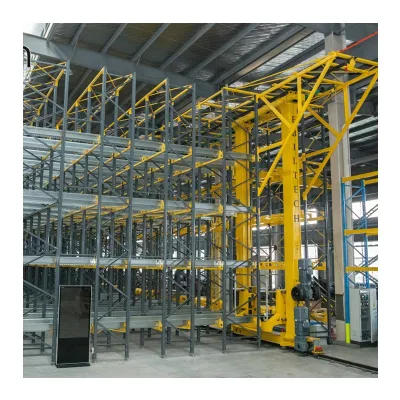
ASRS Rack Heavy Duty Automated Storage System with Radio Shuttle and Powder Coated Finish
$0.85 - $1.20
MOQ: 1000 kilograms

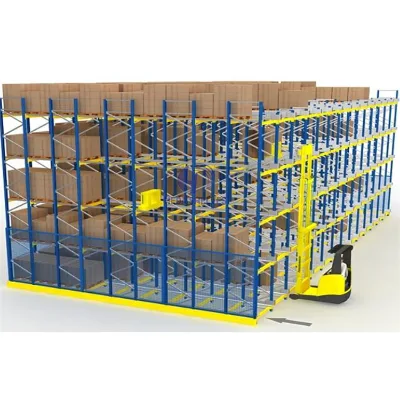
Comprehensive Sourcing Guide
Strategic Sourcing Guide for Semi-Closed Steel ASRS Shuttle Racks
The global shift toward automated warehousing has elevated the importance of high-density storage solutions, with the semi-closed steel ASRS shuttle rack emerging as a critical asset for modern logistics. This specific configuration combines the structural integrity of steel with the operational efficiency of automated shuttle systems, designed to maximize vertical space while maintaining accessibility. For procurement professionals, navigating the market for these systems requires a granular understanding of technical attributes, supplier capabilities, and the specific operational constraints of the installation environment. The following guide provides a structured approach to sourcing these complex systems, grounded in observed industry specifications and verified product attributes.
Technical Architecture and Core Specifications
Understanding the physical and operational parameters of a semi-closed steel ASRS shuttle rack is the first step in defining a successful procurement strategy. The "semi-closed" designation implies a design that offers partial enclosure for safety and environmental protection while retaining open access points for maintenance and specific loading operations. This contrasts with fully enclosed systems, offering a balance between security and operational flexibility. The primary structural material is consistently observed as steel, providing the necessary load-bearing capacity for high-density storage.
A critical differentiator in this category is the mobility of the system. While some configurations are fixed, the market for ASRS shuttle racks frequently features adjustable and mobile variants. Adjustable systems allow for reconfiguration of bay depths or heights to accommodate changing inventory profiles, whereas mobile systems offer the highest density by eliminating fixed aisles. The structural form typically manifests as either a rack or a shelf system, depending on the specific pallet size and load requirements.
The specifications for the shuttle component itself are paramount. Observed data indicates shuttle weights ranging from 285 kg to 365 kg, capable of operating at empty speeds of 1.5 m/s and loaded speeds of 0.8 m/s. These performance metrics are driven by specific motor configurations, often utilizing imported units such as 480VDC 500W motors. The control architecture is equally sophisticated, frequently employing Siemens S7-200 PLCs from Germany for logic processing and P+F/Sick sensors for positioning. This level of automation ensures precise placement and retrieval, essential for high-throughput environments. The battery systems supporting these shuttles typically offer a minimum operating time of 8 hours, with a lifespan of approximately 1000 charge cycles, requiring a charging time of 3-4 hours.
Operational Dimensions and Load Capacity
When evaluating a semi-closed steel ASRS shuttle rack, the physical dimensions dictate the feasibility of the installation within a specific facility. The height of these systems is a significant variable, with observed ranges extending from 5 meters to over 15 meters. Systems exceeding 15 meters are generally reserved for high-bay warehouses where vertical real estate is at a premium. The width of the racking structure is often standardized at 1450 mm but remains customizable to fit specific pallet dimensions or building constraints.
Depth is another critical factor, with configurations capable of storing up to 35 pallets deep. This deep-lane capability is a hallmark of shuttle-based systems, significantly increasing storage density compared to traditional selective racking. The system is designed to accommodate standard pallet sizes, typically ranging from 1000 x 1200 mm to 1400 x 1500 mm. The lifting height of the shuttle mechanism itself is limited, with a maximum of 45 mm, which is sufficient for pallet transfer but requires careful alignment with the rack structure.
The weight capacity of individual bays is also a key consideration. While specific load limits vary by manufacturer, the structural steel framework is engineered to support heavy industrial loads. The shuttle weight itself, as noted, falls between 285 kg and 365 kg, which must be factored into the overall floor load calculations of the warehouse. Buyers must verify that the proposed rack model, whether designated as ASRS automated rack or a specific shuttle model like the four-way shuttle, aligns with the maximum depth and pallet size requirements of their inventory.
Compliance, Certification, and Safety Standards
In the realm of automated storage systems, compliance is not merely a regulatory formality but a fundamental safety requirement. The sourcing guide must emphasize the verification of safety standards, particularly regarding the interaction between high-speed shuttles and human operators. While specific certification names are not universally standardized across all suppliers, the presence of advanced control systems like the Siemens PLC and German positioning sensors suggests a adherence to rigorous international safety protocols.
Buyers should verify that the surface treatment processes, such as electrostatic spraying or powder coating, meet corrosion protection standards. This is particularly relevant for facilities handling food, beverages, or industrial chemicals where hygiene and material integrity are paramount. The "semi-closed" nature of the rack implies that safety barriers or guards may be integrated to prevent unauthorized access to the shuttle lanes, a feature that must be validated against local occupational health and safety regulations.
Furthermore, the electrical components, including the 480VDC motors and battery systems, must comply with relevant electrical safety standards. The origin of the components, such as motors imported from the United States and control systems from Germany, often indicates a higher tier of quality assurance, but this does not automatically guarantee compliance with the specific regulations of the buyer's country. It is essential to request documentation confirming that the final assembled system meets the local fire codes, seismic requirements, and electrical codes of the installation site.
Cost Drivers and Financial Considerations
The pricing of semi-closed steel ASRS shuttle racks is influenced by a complex array of factors, ranging from material costs to the sophistication of the automation. The observed price range in the market spans from $0.50 to $30,000, reflecting the diversity of products from simple components to fully integrated automated systems. However, for a complete semi-closed steel ASRS shuttle rack system, the cost is driven primarily by the height of the installation, the number of shuttles required, and the complexity of the control software.
The customization level is a significant cost driver. While standard models are available, the ability to customize the width, depth, and height to fit specific warehouse constraints often incurs additional engineering and manufacturing costs. The use of imported components, such as the Siemens PLC and high-performance motors, also contributes to the overall price point. Additionally, the surface finish, whether powder-coated or galvanized, affects the cost, with galvanized options typically commanding a premium due to their superior corrosion resistance.
Buyers should also consider the total cost of ownership, which includes installation, maintenance, and energy consumption. The battery lifespan of approximately 1000 cycles and the charging time of 3-4 hours are operational factors that impact long-term costs. A system with a higher initial cost but longer battery life and lower maintenance requirements may offer a better return on investment over a 10-year period. The minimum order quantity (MOQ) can also vary significantly, ranging from 1 unit to 100,000 units, which may influence the unit price and the feasibility of the project for smaller warehouses.
Typical Applications and Industry Use Cases
The versatility of semi-closed steel ASRS shuttle racks makes them suitable for a wide range of industries. The observed usage categories include warehouse racks, industrial storage, food processing, supermarkets, tool storage, clothing distribution, and beverage logistics. In the food and beverage sectors, the semi-closed design helps maintain hygiene standards while protecting inventory from dust and contaminants. The corrosion protection features are particularly valuable in these environments, where moisture and cleaning agents are common.
For industrial applications, the high density and automated retrieval capabilities of these racks optimize space utilization in facilities with high throughput requirements. The ability to store up to 35 pallets deep allows for the consolidation of large inventories, reducing the footprint required for storage. In supermarket and retail distribution centers, the system facilitates efficient order picking and replenishment, ensuring that products are available when needed.
The "four-way shuttle" configuration is particularly advantageous in multi-aisle environments, allowing shuttles to move in all directions to access any location within the rack structure. This flexibility is ideal for facilities with fluctuating inventory levels or those requiring frequent rotation of stock. The system's adaptability to different pallet sizes and weights makes it a robust solution for diverse supply chains, from small tool racks to large-scale beverage distribution centers.
Supplier Evaluation and Quality Assurance
Selecting the right supplier for a semi-closed steel ASRS shuttle rack requires a rigorous evaluation process. Buyers should prioritize suppliers who demonstrate a track record of delivering customized solutions, as the "customization" attribute is a key feature of these systems. The origin of the product, typically China, suggests a mature manufacturing base, but the quality of the final assembly depends on the supplier's internal controls.
Key evaluation criteria include the supplier's ability to provide detailed technical drawings, their experience with similar projects, and their after-sales support capabilities. The use of high-quality components, such as imported motors and German control systems, should be verifiable through documentation. Buyers should also assess the supplier's quality control processes, including surface treatment methods and structural integrity testing.
The packaging of the components, often described as standard export packing with bubble film for beams and uprights, is an indicator of the supplier's attention to detail during transit. Ensuring that the system arrives without damage is crucial for a smooth installation. Additionally, the supplier's willingness to provide training and technical support for the operation and maintenance of the system is a vital factor in long-term success.
Long-Term Procurement and Maintenance Strategy
The procurement of a semi-closed steel ASRS shuttle rack is a long-term investment that requires careful planning for maintenance and scalability. The system's development status, whether "new type" or "conventional," influences the availability of spare parts and the ease of future upgrades. A "new type" system may offer cutting-edge features but could have a shorter track record, while a "conventional" system offers proven reliability.
Buyers should establish a maintenance schedule that includes regular inspections of the shuttle batteries, motors, and control systems. The battery lifespan of approximately 1000 cycles necessitates a proactive replacement strategy to avoid downtime. The remote control capability of the system allows for efficient monitoring and troubleshooting, but a local support network is essential for rapid response to technical issues.
Scalability is another critical consideration. As inventory needs grow, the ability to expand the system by adding more shuttles or extending the rack structure is a valuable feature. The adjustable nature of some systems allows for future reconfiguration without the need for a complete replacement. By focusing on these long-term considerations, buyers can ensure that their investment in semi-closed steel ASRS shuttle racks continues to deliver value over the lifespan of the facility.
FAQs
What is the maximum storage depth for this rack system?
The system supports a maximum depth of 35 pallets deep. This deep-lane capability allows for high-density storage while accommodating standard pallet sizes ranging from 1000 x 1200 mm to 1400 x 1500 mm.
How high can the semi-closed steel rack be installed?
The rack height ranges from 5 to 15 meters, with some configurations exceeding 15 meters. Systems over 15 meters are designed for high-bay warehouses where vertical space is a critical constraint.
Which motor and control systems are used in the shuttle?
The shuttle utilizes an imported 480VDC 500W motor and a Siemens S7-200 PLC control system. Positioning is managed by P+F or Sick sensors from Germany to ensure precise operation.
Can the rack structure be customized for specific needs?
Yes, customization is available for width, height, and specific usage requirements. The standard width is 1450 mm, but it can be adjusted to fit unique pallet dimensions or building constraints.
What is the battery operating time for the shuttle unit?
The shuttle battery offers a minimum operating time of 8 hours per charge. It has an approximate lifespan of 1000 cycles and requires 3 to 4 hours to fully recharge.
What surface treatments are applied to the steel components?
The steel components undergo electrostatic spraying or powder coating for corrosion protection. Galvanized finishes are also available to enhance durability in industrial, food, and beverage environments.