Find semi-dry shotcrete concrete pump truck for tunnels, mines, and slopes
Source 30 semi-dry shotcrete concrete pump truck units from verified suppliers. Compare models with electric or diesel drives, varying aggregate sizes, and conveying distances to match your project needs.
Key considerations
Products List


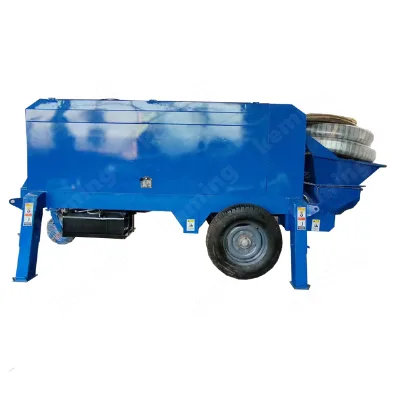
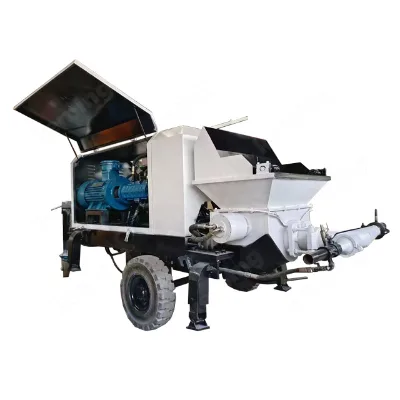


Concrete Pump Truck 38m Squeeze Cement Pump Truck Pump Truck for Sale
$110000.00 - $120000.00
MOQ: 1 sets


Flexible Wet Concrete Spraying Machine Shotcrete Pump Truck with 30m3/Hr Output Capability
$120000.00 - $130000.00
MOQ: 1 Sets

Wet Concrete Spray Shotcrete Truck with 16m Placing Boom and Chemical Pump
$100000.00 - $138000.00
MOQ: 1 Sets


Wet Shotcrete Machine Concrete Shotcrete Pump Shotcrete Machine Concrete Sprayer
$2000.00 - $2200.00
MOQ: 1 Pieces


Brand New and Mixture Wet-Mix Shotcrete Truck Mounted Concrete Pump Concrete Truck Pump
$80000.00 - $2000000.00
MOQ: 1 Pieces


Tunnel Concrete Shotcrete Machine/ Small Shotcrete Pump Truck Sprayed Concrete
$100.00 - $1100.00
MOQ: 1 Sets

2023 New Design Used Mounted Boom Shotcrete Pump Concrete Truck with Mixer
$50000.00 - $200000.00
MOQ: 1 Pieces

10-12-16 Cbm Big Used Mounted Boom Shotcrete Pump Concrete Truck with Mixer
$30000.00 - $45000.00
MOQ: 1 units

Comprehensive Sourcing Guide
Strategic Sourcing Guide for Semi-Dry Shotcrete Concrete Pump Trucks
Understanding Semi-Dry Shotcrete Technology and Machine Variants
The term "semi-dry shotcrete concrete pump truck" refers to specialized equipment designed to convey and apply concrete mixtures with a controlled moisture content, distinct from fully wet or fully dry processes. In the current market, buyers encounter a spectrum of technologies ranging from electric motor-driven units to diesel-engine-powered systems. The core distinction often lies in the drive type and the specific mechanism used to propel the material. For instance, some units operate with an electric motor drive, while others utilize pneumatic drives or diesel engines, each offering different operational profiles depending on the site's power availability and mobility requirements.
When evaluating the machine's structure, the spiral type is a common configuration observed in semi-dry applications. This design is critical for ensuring consistent material flow and preventing blockages during the pumping cycle. The machine's primary function involves feeding the concrete mix into a hopper, where it is then conveyed through a hose system to the application point. The capacity of these units varies significantly; observed output rates range from 4 to 8 cubic meters per hour for certain models, while others are engineered for higher theoretical spray volumes, such as 30 cubic meters per hour.
The aggregate size is a fundamental constraint in selecting the right machine. Specifications indicate that some units are optimized for a maximum aggregate size of 10mm, suitable for finer finishes or specific structural applications. Conversely, other models in the semi-dry category are designed to handle larger aggregates, with a maximum size of 20mm diameter. This variance dictates the machine's suitability for different construction phases, from delicate surface repairs to heavy-duty structural reinforcement. The conveying hose inner diameter also plays a pivotal role, with observed specifications ranging from 50mm to 64mm, directly influencing the flow rate and pressure requirements.
Technical Specifications and Operational Parameters
Selecting the correct semi-dry shotcrete pump requires a deep dive into technical parameters that define performance and compatibility. The working pressure is a critical metric; for systems utilizing specific hose types like Trelleborg, the working pressure is often rated at 2.5MPa. This pressure rating ensures the material can be conveyed over significant distances without losing momentum or causing hose failure. The vertical and horizontal conveying distances are equally important for site planning. Buyers should verify that the selected unit can reach the required vertical height, with observed capabilities extending up to 30 meters, and horizontal distances up to 80 meters.
Power requirements vary based on the drive mechanism. Electric motor-driven units typically operate with power ratings around 7.5kW, making them suitable for sites with reliable grid access. In contrast, diesel-powered units may feature engines with 20hp output and 2200rpm, equipped with radiator cooling systems to handle continuous operation in remote locations. The air consumption for pneumatic systems is another vital specification, with observed ranges between 10 to 12 cubic meters per minute. This necessitates the use of an air compressor with a capacity of at least 6 cubic meters per minute and a pressure of 0.6MPa to ensure optimal machine performance.
The hopper volume is another key specification to consider, with standard capacities observed at 240 liters. This volume determines the frequency of refilling and the overall efficiency of the operation. The squeeze pump model, such as the LH50-680, is a specific component that drives the material through the system. Additionally, the cylinder diameter and stroke, observed as 160mm by 1000mm in certain hydraulic configurations, define the mechanical force applied to the concrete. The maximum theoretical delivery pressure can reach up to 7.5MPa in high-performance models, ensuring the material can be sprayed effectively against vertical surfaces.
Compliance, Certification, and Safety Standards
In the global procurement of heavy machinery, compliance with international standards is non-negotiable. Buyers must verify that the equipment carries recognized certifications, such as CE and ISO9001. These certifications indicate that the manufacturer adheres to specific safety, quality, and environmental standards. The presence of the CE mark suggests conformity with health, safety, and environmental protection standards for products sold within the European Economic Area, while ISO9001 certification confirms a robust quality management system.
The standard of construction for these machines often aligns with ISO standards, ensuring that the design and manufacturing processes meet global benchmarks. It is essential to note that certifications are product-specific; a unit may be certified under one standard while another model from the same manufacturer might have different compliance statuses. Buyers should request valid certification documents for the specific model number they intend to purchase, such as the LDS2000E or LZ-9, to ensure the equipment meets the regulatory requirements of their operating region.
Safety features are intrinsic to the design of semi-dry shotcrete pumps. The use of high-pressure hoses and hydraulic systems requires strict adherence to safety protocols. The machine's structure, often painted in colors like yellow or blue for visibility, should include safety guards and emergency stop mechanisms. The core components, particularly the pump, must be manufactured to withstand the high pressures and abrasive nature of concrete. Buyers should also verify that the machine's origin, typically China for many of these units, aligns with the import regulations of their destination country.
Cost Drivers and Procurement Economics
The cost of a semi-dry shotcrete concrete pump truck is influenced by several factors, including the drive type, power rating, and specific technical capabilities. The observed price range in the market is vast, spanning from 10 to 2,000,000 USD, reflecting the diversity in machine size, complexity, and brand positioning. High-end models with advanced hydraulic systems, imported engines, and higher output capacities will naturally command a premium price. Conversely, basic electric motor-driven units with lower output rates may be available at the lower end of the spectrum.
The minimum order quantity (MOQ) is another economic factor to consider. While some suppliers may offer units with an MOQ of 1, allowing for single-unit purchases, others might require a minimum order of up to 100 units, which is more typical for bulk industrial procurement. Buyers must align their order volume with the supplier's MOQ policies to avoid unnecessary costs or delays. Additionally, the customization options available can impact the final price. Customization is a common feature, allowing buyers to tailor the machine to specific site conditions, such as adjusting the hopper volume or modifying the drive system.
Packaging and logistics also contribute to the total cost of ownership. The standard packing method involves plastic wrap and plywood cases, often with free fumigation to meet international shipping standards. The weight of the machine, which can range from 16.2 kg for smaller units to several tons for larger trucks, affects shipping costs and handling requirements. Buyers should factor in these logistical costs when budgeting for the procurement, as they can significantly impact the overall expenditure.
Typical Applications and Site Suitability
Semi-dry shotcrete pumps are versatile tools used in a wide range of construction and mining applications. Their ability to handle different aggregate sizes and convey distances makes them suitable for tunneling, slope stabilization, and structural reinforcement. The spiral structure of the pump ensures that the material is evenly distributed, which is crucial for applications requiring a uniform finish. The machine's capacity to spray up to 30 cubic meters per hour makes it ideal for large-scale projects where speed and efficiency are paramount.
In tunneling operations, the vertical and horizontal conveying capabilities of these pumps are essential. The ability to reach 30 meters vertically and 80 meters horizontally allows for the application of shotcrete in confined and hard-to-reach spaces. The semi-dry process is particularly effective in these environments, as it reduces rebound and waste, leading to cost savings and improved material efficiency. The use of specific hose types, such as Trelleborg, ensures durability and resistance to abrasion, which is critical in harsh underground conditions.
For slope stabilization and retaining wall construction, the machine's ability to handle larger aggregates up to 20mm is advantageous. This capability allows for the application of thicker layers of shotcrete, providing enhanced structural integrity. The pneumatic drive systems are often preferred in these applications due to their flexibility and ability to operate in remote locations without access to electrical grids. The diesel engine options provide the necessary power and mobility to navigate challenging terrain.
Supplier Evaluation and Quality Control Protocols
Evaluating suppliers for semi-dry shotcrete pumps requires a rigorous approach to ensure the quality and reliability of the equipment. Buyers should prioritize suppliers who can provide comprehensive documentation, including certification records, technical specifications, and performance data. The presence of unique selling points, such as imported engines, can be an indicator of higher quality and reliability. However, buyers must verify these claims through independent testing or third-party validation.
Quality control should be a central part of the procurement process. Buyers should inspect the machine's core components, such as the pump and hydraulic system, to ensure they meet the specified standards. The maximum oil pressure of the main system, observed at 24MPa in some models, should be tested to confirm the machine's ability to handle high-pressure operations without failure. The type of hydraulic oil circuit, whether open or closed, should also be verified to ensure compatibility with the site's operational requirements.
Supplier reputation and after-sales support are critical factors in the evaluation process. Buyers should inquire about the availability of spare parts, maintenance services, and technical support. The lead time for delivery can vary significantly, and buyers should confirm the expected timeline to ensure it aligns with their project schedule. The condition of the machine, whether new or used, should also be clearly defined, with new units typically offering better reliability and warranty coverage.
Long-Term Procurement and Maintenance Considerations
Long-term procurement of semi-dry shotcrete pumps involves more than just the initial purchase; it requires a strategic approach to maintenance and lifecycle management. The machine's durability and ease of maintenance are key factors that influence its long-term cost-effectiveness. Buyers should consider the availability of replacement parts, such as squeeze hoses and pump cylinders, to minimize downtime during operations. The standard packing and fumigation processes ensure that the machine arrives in optimal condition, but regular maintenance is essential to sustain performance.
The power type and drive mechanism also play a role in long-term operational costs. Electric motor-driven units may offer lower maintenance costs and reduced emissions, making them suitable for environmentally conscious projects. In contrast, diesel-powered units may require more frequent maintenance but offer greater mobility and independence from power grids. Buyers should assess their specific operational needs to determine the most cost-effective drive type for their long-term requirements.
Finally, buyers should consider the potential for customization and upgrades. As construction technologies evolve, the ability to adapt the machine to new standards or requirements can extend its useful life. Customization options, such as adjusting the hopper volume or upgrading the engine, can enhance the machine's versatility and value. By focusing on these long-term considerations, buyers can ensure that their investment in semi-dry shotcrete pumps delivers sustained performance and value over the lifespan of their projects.
FAQs
What drive types are available for semi-dry shotcrete pumps?
Available drive types include electric motor, pneumatic, and diesel engine options. Electric units typically use 7.5kW motors, while diesel models feature 20hp engines with radiator cooling for remote sites.
Which certifications do these machines typically hold?
Machines often carry CE and ISO9001 certifications to ensure safety and quality compliance. These standards verify that the manufacturing process meets international benchmarks for heavy machinery operations.
How far can the machine convey concrete vertically and horizontally?
Conveying distances can reach up to 30 meters vertically and 80 meters horizontally using Trelleborg hoses. Specific models may vary, with some reaching 17.5 meters vertical and 14.5 meters horizontal distances.
What is the maximum aggregate size the pump can handle?
Maximum aggregate sizes range from 10mm to 20mm depending on the specific model. Smaller units handle 10mm for fine finishes, while others accommodate 20mm diameter aggregates for structural applications.
Can the machine be customized for specific site requirements?
Yes, customization is available to tailor the machine to specific operational needs. Buyers can request adjustments to components like the hopper volume or drive system to match site conditions.
What is the output capacity of these shotcrete machines?
Output capacities vary, with some models producing 4 to 8 cubic meters per hour. High-performance units can achieve a theoretical spray volume of up to 30 cubic meters per hour.