Source Semiautomatic CE Vertical Slotting Machine for metal cutting, slotting, and shaping
Find 30 Semiautomatic CE Vertical Slotting Machine listings with varying specifications like 500mm slotting length and 2500kg worktable capacity. Buyers can compare models such as B5050 and B5040 to identify suitable options for industrial machining tasks.
Key considerations
Products List


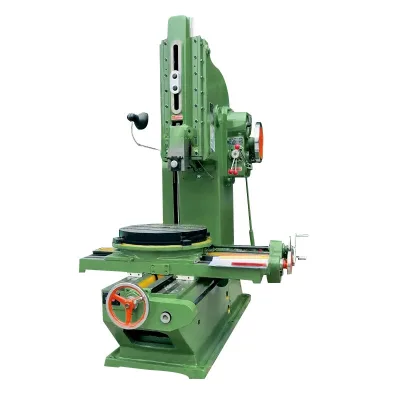


Advanced Automatic Vertical Slotting Machine for Efficient Manufacturing
$8800.00 - $9000.00
MOQ: 1 Set

Precision Metal Working Vertical Slotting Machine for Efficient Production
$8800.00 - $9000.00
MOQ: 1 Set


Comprehensive Sourcing Guide
Semiautomatic CE Vertical Slotting Machine Sourcing Guide
Sourcing a Semiautomatic CE Vertical Slotting Machine requires a disciplined approach to balancing mechanical precision with operational efficiency. These machines are primarily designed for shaping operations, including slotting, keyway cutting, and gear hobbing, making them essential components in heavy manufacturing environments. The core keyword highlights two critical procurement filters: the automation level, which dictates labor intensity and throughput, and the CE certification, which ensures compliance with European safety and electromagnetic compatibility directives. Buyers must recognize that "semiautomatic" in this context often refers to manual loading or positioning assisted by mechanical drives, rather than fully autonomous robotic integration. This distinction is vital for facilities that require high flexibility for custom parts but lack the infrastructure for fully automated production lines.
The observed market signals indicate a wide variance in pricing and specifications, ranging from entry-level models to high-precision industrial units. With an observed price range of $1,200 to $150,000 USD, the cost differential is driven by factors such as motor power, table capacity, and the inclusion of numerical control (NC) features. Buyers should not assume that all listed products meet the same performance standards, as attributes like "High Precision" or "Economical CNC Machine Tools" are specific to certain models rather than universal traits. Understanding these listing signals helps in narrowing down the search to machines that align with specific production volumes and budget constraints, ensuring that the procurement process focuses on relevant technical capabilities rather than superficial marketing claims.
Product Scope and Observed Listing Signals
The product scope for semiautomatic vertical slotting machines encompasses a variety of configurations, from small-type mechanical drives to more advanced electric-powered units with numerical control. Observed listings reveal distinct model families, such as the B5050, B5040, and BK5018, each catering to different workpiece dimensions and operational needs. For instance, some models feature a table diameter of 1000mm with a maximum weight capacity of 2500kg, suitable for heavy-duty industrial applications, while others offer a 630mm table diameter with a 500kg workpiece limit, targeting smaller-scale or specialized tasks. The presence of both mechanical and electric power sources indicates that buyers must carefully evaluate the energy requirements and maintenance implications of their chosen machine type.
Listing attributes also highlight significant variations in customization and packaging, which impact logistics and final setup. Many suppliers offer customizable logos and packaging options, such as wood cases or plywood crates, which are crucial for protecting the machine during international shipping from origins like China or Shandong. The observed maximum slotting length of 500mm and specific RAM stroke limits, such as 420mm, provide concrete boundaries for the machine's operational envelope. Buyers should treat these observed values as specific to individual listings rather than industry-wide standards, verifying each supplier's data sheet to ensure the machine can handle the required material dimensions and cutting forces for their specific production needs.
Technical Specifications to Verify
When evaluating technical specifications, the main motor power and precision ratings are primary indicators of a machine's capability. Listings show main motor powers ranging from 4kw to 7.5kw, which directly influence the machine's ability to handle tough materials and maintain consistent cutting speeds. Precision is another critical factor, with some models claiming a processing precision of 0.02~0.03mm, a level of accuracy essential for high-tolerance components. Buyers must verify these figures against their own quality control requirements, as "High Precision" is a relative term that can vary significantly between different manufacturers and machine generations. Additionally, the controlling mode, whether artificial or numerical control (NC), determines the level of operator skill required and the potential for automated feed rates.
The physical dimensions and travel ranges of the machine components must be cross-referenced with the intended workpiece size. Key specifications to verify include the table longitudinal travel, horizontal stroke, and RAM vertical adjustment distance, which collectively define the machine's workspace. For example, a table longitudinal travel of 620mm and a horizontal stroke of 560mm provide specific limits on how large a part can be positioned and machined. The RAM tilt angle, observed in some listings as 0–8 degrees, adds versatility for angled cuts but must be confirmed for each model. Buyers should also check the max cutting force, such as 7500N, to ensure the machine can withstand the resistance of harder materials without stalling or damaging the tooling.
Compliance and Safety Documentation
Compliance with international standards is non-negotiable for importing machinery, particularly when targeting markets with strict regulatory environments. The CE certification is a frequent attribute in the observed listings, indicating that the machine meets European health, safety, and environmental protection standards. However, buyers must distinguish between basic CE marking and more comprehensive certifications such as ISO RoHS, GS, or ISO9001, which provide additional assurance of material safety and quality management systems. The presence of ISO RoHS suggests compliance with restrictions on hazardous substances, which is critical for electronic components within the machine, while ISO9001 indicates a certified quality management process in manufacturing.
Safety documentation should also include detailed operational manuals and risk assessments, especially for machines with high-speed moving parts like the RAM. The observed "Advantage: Use Widely" and "Feature: High Efficiency" claims should be backed by concrete safety features, such as emergency stop mechanisms and protective guards. Buyers should request proof of conformity for electromagnetic compatibility (EMC) and noise emission levels, as these are integral parts of the CE directive. Verifying that the supplier provides complete documentation in the local language of the destination country is essential for ensuring that operators can safely and legally operate the equipment without violating local labor or safety laws.
Cost Drivers and Commercial Terms
The cost of a semiautomatic vertical slotting machine is influenced by several key drivers, including the level of automation, motor power, and the inclusion of numerical control systems. Models with NC features and point-to-point control mechanisms typically command higher prices due to the complexity of their electronics and software. Conversely, purely mechanical drive systems with artificial controlling modes are generally more economical, aligning with the "Economical CNC Machine Tools" classification observed in some listings. Buyers should analyze the total cost of ownership, considering not just the purchase price but also the energy consumption of the main motor and the potential maintenance costs associated with different drive types.
Commercial terms such as MOQ (Minimum Order Quantity) and lead times are critical for supply chain planning. The observed MOQ of 1-1 suggests that many suppliers are willing to sell single units, which is beneficial for small businesses or pilot projects. However, buyers must clarify whether the listed prices include shipping, insurance, and import duties, as these can significantly impact the final landed cost. Packaging methods, such as wooden or plywood cases, are often included in the base price but may incur additional fees for specialized crating. It is advisable to negotiate clear terms regarding warranty coverage and after-sales support, ensuring that any defects or operational issues are addressed promptly without additional charges.
Supplier Qualification and Quality Control
Supplier qualification begins with verifying the authenticity of certifications and the consistency of product quality. Buyers should request copies of ISO9001 certificates and CE declarations of conformity, ensuring they are issued by recognized bodies and are currently valid. The origin of the machine, often listed as China or Shandong, should be cross-referenced with the supplier's business license to confirm their manufacturing capabilities. Suppliers who offer customization options, such as adjustable logos or specific packaging, may have more flexible production lines, but this flexibility should not come at the expense of quality control processes.
Quality control checks should include a thorough inspection of the machine's mechanical components and electrical systems upon delivery. Buyers should verify that the actual table diameter, max slotting length, and motor power match the specifications provided in the contract. It is also important to test the machine's precision and stability under load, ensuring that the processing precision of 0.02~0.03mm is achievable in real-world conditions. Establishing a clear protocol for handling discrepancies, including return policies and repair services, is essential for mitigating the risks associated with international procurement. Regular communication with the supplier during the manufacturing process can help identify and resolve potential issues before the machine is shipped.
Long-Term Procurement Checks
Long-term procurement success depends on the availability of spare parts and the supplier's commitment to after-sales support. Buyers should inquire about the lead times for critical components such as motors, control panels, and cutting tools, as downtime can be costly in a production environment. Suppliers who offer comprehensive training programs for operators and maintenance staff can significantly extend the lifespan of the machine and improve overall efficiency. It is also advisable to establish a long-term relationship with the supplier to secure better pricing and priority service for future purchases or upgrades.
Continuous monitoring of the machine's performance and adherence to safety standards is crucial for maintaining operational integrity. Buyers should implement a regular maintenance schedule based on the manufacturer's recommendations, including lubrication, alignment checks, and electrical inspections. Keeping detailed records of maintenance activities and any repairs performed can help identify recurring issues and inform future procurement decisions. As technology evolves, buyers should also consider the potential for retrofitting older machines with newer control systems or safety features, ensuring that their equipment remains competitive and compliant with changing industry standards.
FAQs
What certifications do these machines hold?
The machines hold ISO RoHS, CE, and ISO9001 certifications. Some models also include GS and ISOCCC standards. These certifications ensure compliance with international safety and quality requirements for industrial equipment.
Can I customize the logo on the machine?
Yes, the logo is customizable for buyers. This service allows you to brand the equipment with your company identity. Customization is available alongside other product modifications to meet specific business needs.
What is the maximum weight capacity of the worktable?
The maximum weight of the worktable is 2500kg. This capacity supports heavy industrial workpieces during slotting operations. Ensure your materials do not exceed this limit for safe and efficient processing.
How precise is the processing capability of this machine?
The processing precision ranges from 0.02 to 0.03 millimeters. This high precision ensures accurate cuts for demanding manufacturing tasks. It is suitable for applications requiring tight tolerances and fine surface finishes.
What is the main motor power of the machine?
The main motor power is 7.5kw for the standard model. Some variants feature a 4kw motor depending on the specific configuration. This power source drives the mechanical or electric operations efficiently.
Which packing method is used for shipping?
The machines are packed in wood cases or plywood cases. This robust packaging protects the equipment during international transit. The specific packing type may vary based on the model and supplier configuration.
What is the origin location of these machines?
The machines originate from China, specifically Shandong province. This location is a known hub for manufacturing industrial machinery. Buyers should consider this origin when calculating shipping costs and lead times.